









• Polycarboxylate Ether Monomer CAS 366789-02-8

Polycarboxylate Ether Monomer CAS 366789-02-8

Polycarboxylate ether monomer is a high-performance polyether macromonomer synthesized through the ethoxylation of prenol or methallyl alcohol, functioning as a vital reactive precursor in the synthesis of concrete superplasticizers. This polyoxyethylene isopentenyl ether, often referred to in industrial production as HPEG or TPEG, utilizes its unsaturated double bonds to undergo free radical copolymerization with acrylic acid, creating a comb-like polymer structure that facilitates steric hindrance and electrostatic repulsion in cement particles. As a specialized methallyl polyoxyethylene ether, it is typically applied in the manufacturing of high-range water reducers to enhance the slump retention and workability of concrete mixtures. We provide this material with competitive factory pricing to ensure cost-efficiency in large-scale production, offering customized specifications to meet diverse polymerization requirements. Each shipment is backed by comprehensive documentation, including MSDS, TDS, COA, and is available for bulk supply to support global construction chemical infrastructure.

  • CAS: 366789-02-8
  • Synonyms: HPEG, TPEG, Polyether macromonomer, Polyoxyethylene isopentenyl ether, Methallyl polyoxyethylene ether
  • Grade: Industrial Grade
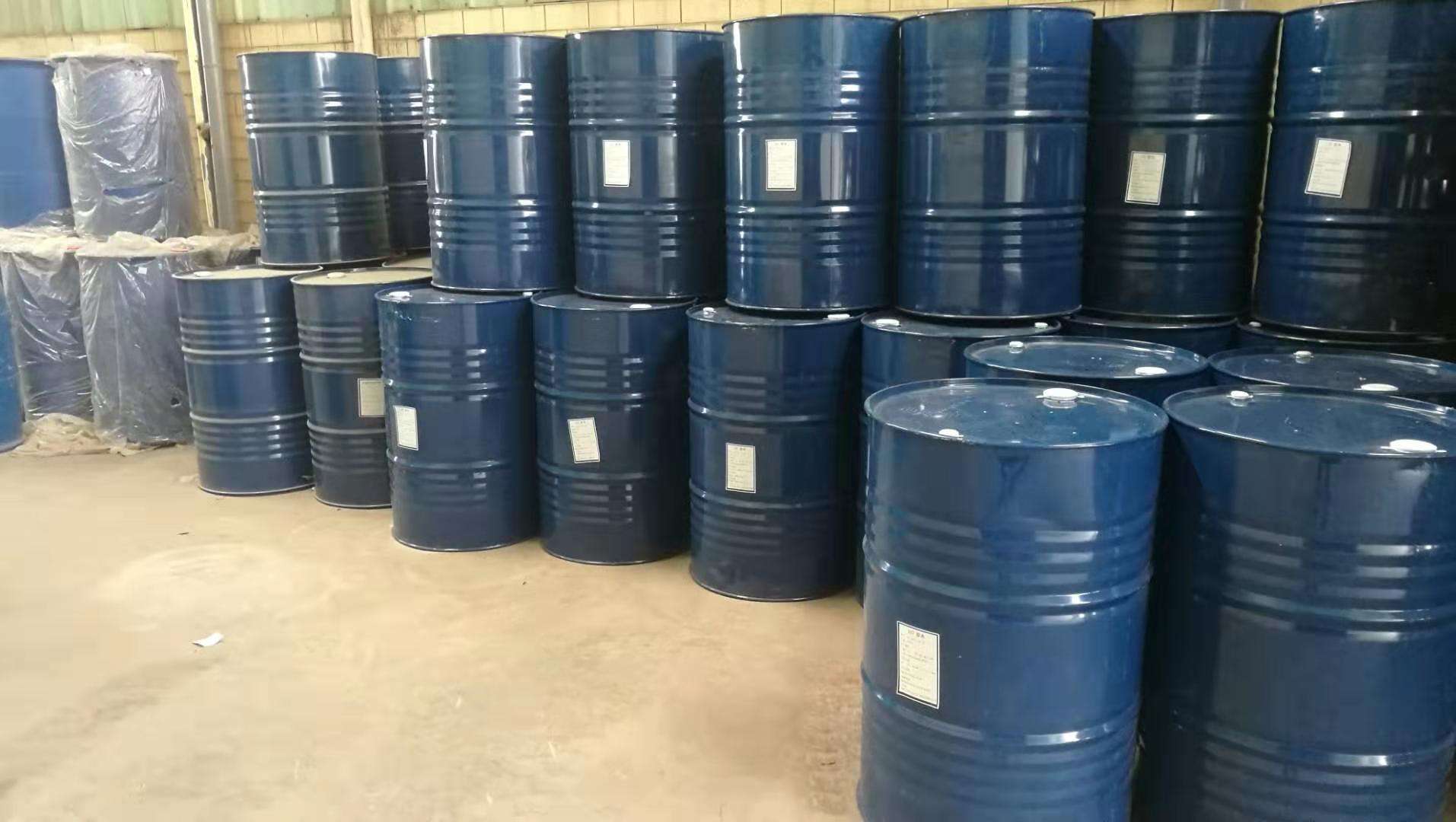
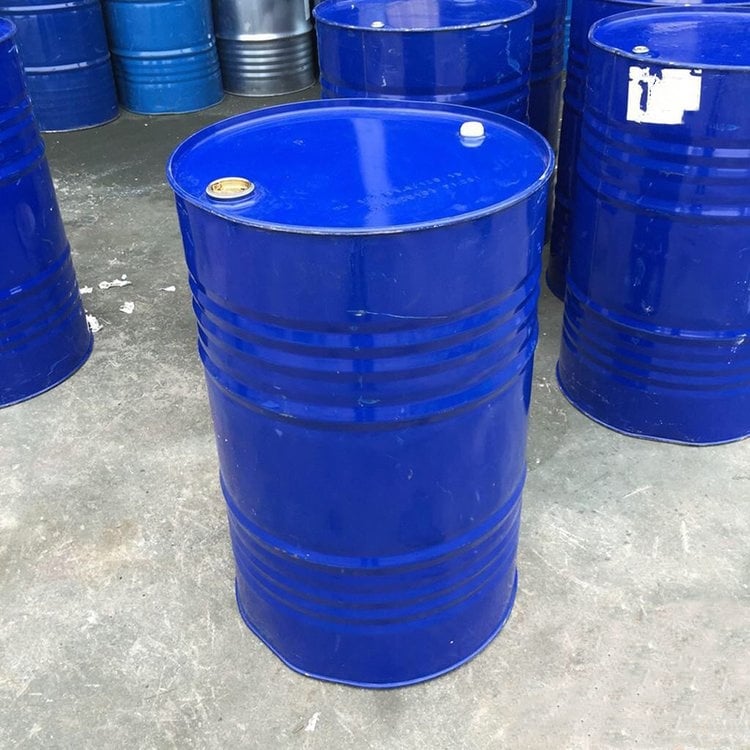
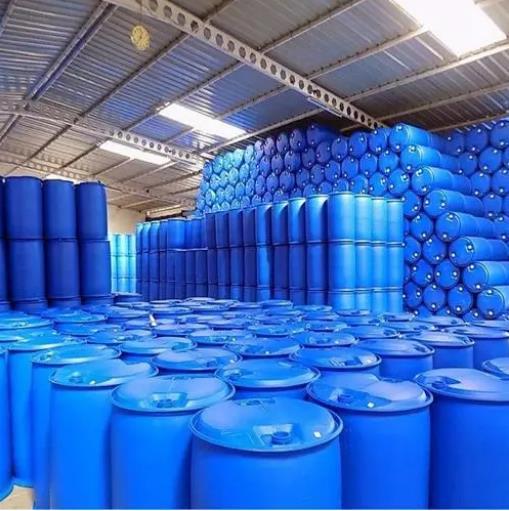
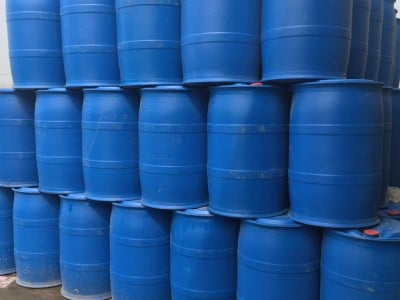
  • Package: 25kg/bag, 200kg/drum, or 1000kg IBC tank
Request a quote
Share:

Product Description

Polycarboxylate Ether Monomer (widely known in the industry as HPEG or TPEG) is the critical reactive macromonomer used to synthesize high-performance Polycarboxylate Superplasticizers (PCE). Through free radical copolymerization with acrylic acid, our monomers create a comb-like polymer structure that delivers exceptional steric hindrance and water-reducing performance in modern concrete mixes.

Designed specifically for construction chemical manufacturers, our HPEG/TPEG flakes guarantee excellent reactivity with a double bond retention rate of ≥98%, ensuring a high conversion rate during your PCE mother liquor synthesis. We offer competitive factory pricing and customized specifications based on varying molecular weights (Mn 2400/3000/4000). Backed by reliable bulk supply capabilities, every shipment is fully documented with MSDS, TDS, COA to support your facility’s strict quality control.

Technical Data (Physicochemical Properties)

PropertySpecification (Standard)
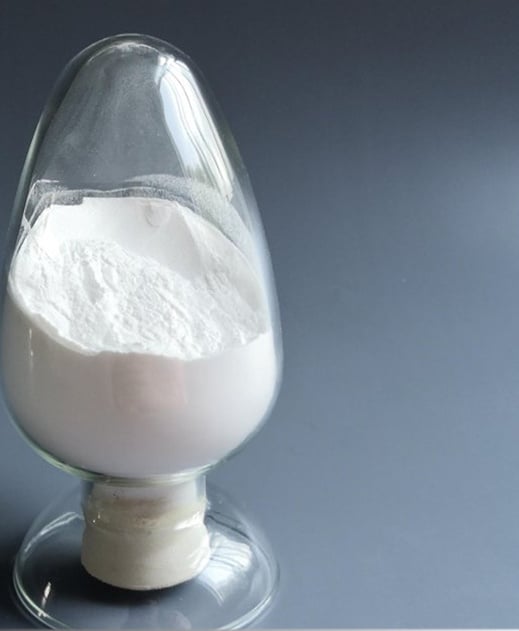
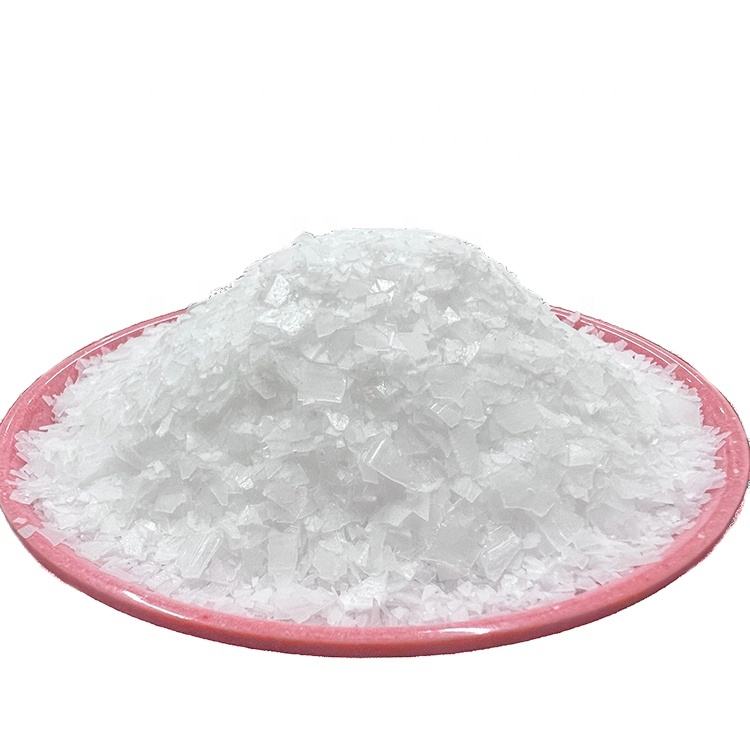
AppearanceWhite to yellowish flakes or paste
pH Value (1% water solution)5.0 – 7.0
Hydroxyl Value (mg KOH/g)22.0 – 26.0 (Variable by molecular weight)
Double Bond Retention (%)≥ 98%
Moisture Content (%)≤ 0.5%
Molecular Weight (Mn)2400 / 3000 / 4000 g/mol
SolubilitySoluble in water and various organic solvents

Applications

  • Construction Chemicals: Primary raw material for Polycarboxylate Superplasticizer (PCE) mother liquor.
  • Industrial Polymer Synthesis: Used in the production of water-soluble dispersants and scale inhibitors.
  • Research & Development: Employed as a macromolecular intermediate for grafting and block copolymerization studies in material science.

Storage & Safety

  • Storage: Store in a cool, dry, and well-ventilated warehouse. Keep away from direct sunlight, moisture, and high temperatures to prevent the degradation of double bonds.
  • Safety Handling: Wear appropriate Personal Protective Equipment (PPE), including chemical safety goggles, industrial gloves, and protective clothing. Avoid inhalation of dust or contact with skin and eyes.

Quality Assurance

Our production facility implements rigorous quality control protocols to ensure polymer consistency. Each batch undergoes HPLC (High-Performance Liquid Chromatography) for purity analysis and NMR (Nuclear Magnetic Resonance) spectroscopy to verify double bond retention and molecular structure. Although an industrial-grade material, our management follows GMP-aligned quality standards to ensure that the reactivity and stability of the monomer meet the highest international export requirements.

FAQ - Technical & Supply Chain

  • Q:

    How is the chemical identity of Polycarboxylate Ether Monomer CAS 366789-02-8 verified?

    A: The substance identity is confirmed through the detection of its specific isopentenyl or methallyl terminal groups and the degree of polymerization of the ethylene oxide chain. Each batch is cross-referenced with its CAS number via hydroxyl value titration and molecular weight distribution analysis to ensure it meets the technical profile required for polycarboxylate-based synthesis.
  • Q:

    Is this monomer intended for use as a finished concrete additive?

    A: No, this product is intended for industrial use as a raw material. It is typically applied as a reactive intermediate in a chemical reactor where it undergoes polymerization with other monomers (like acrylic acid) to form a liquid superplasticizer. It is not commonly used by adding it directly to a concrete mix at a job site.
  • Q:

    Are your flakes prone to caking or blocking during summer shipping?

    A: Since polyether monomers have relatively low melting points, we strictly control the moisture content (≤0.5%) and use reinforced, moisture-proof 25kg bags. However, we highly recommend storing the material in a cool, ventilated warehouse (below 35°C) and avoiding stacking pallets too high during hot summer months to prevent physical compaction.
Documents

Documents and Product Support

For product review and sourcing evaluation, supporting documents can be coordinated according to the product type, inquiry stage, and order requirements.

  • COA for batch-based quality reference
  • TDS for key physical and chemical information
  • SDS / MSDS for handling, storage, and safety reference
  • Packing information for sample, trial, and bulk orders
  • Technical communication based on application and specification requirements
Quotation

Information to Confirm Before Quotation

Clear sourcing information helps reduce specification mismatch and allows a more accurate quotation before sample or bulk order discussion.

  • Product name and CAS number
  • Application or intended end use
  • Required purity, grade, or specification
  • Sample quantity, trial order, or bulk demand
  • Preferred packing form or net weight
  • Destination country or port
  • Required documents or compliance expectations
Storage & Handling

Packaging, Storage, and Handling Notes

Packaging form, storage conditions, shelf life, and shipment arrangements should be confirmed according to the product characteristics, package size, and destination requirements.

Before order confirmation, buyers are advised to review the corresponding product documents and confirm whether any special storage, labeling, or handling requirements apply.

Supply Support

Sample, Bulk Order and Repeat Supply Support

Support can be arranged for sample discussion, bulk supply planning, packaging confirmation, and routine sourcing communication based on the actual product and order requirements.

For repeat-use formulations or long-term procurement plans, buyers may discuss specification consistency, packaging preferences, delivery expectations, and document coordination in advance.

Contact Form

Use our contact form to send us your questions, suggestions or comments. We will respond as soon as possible.