


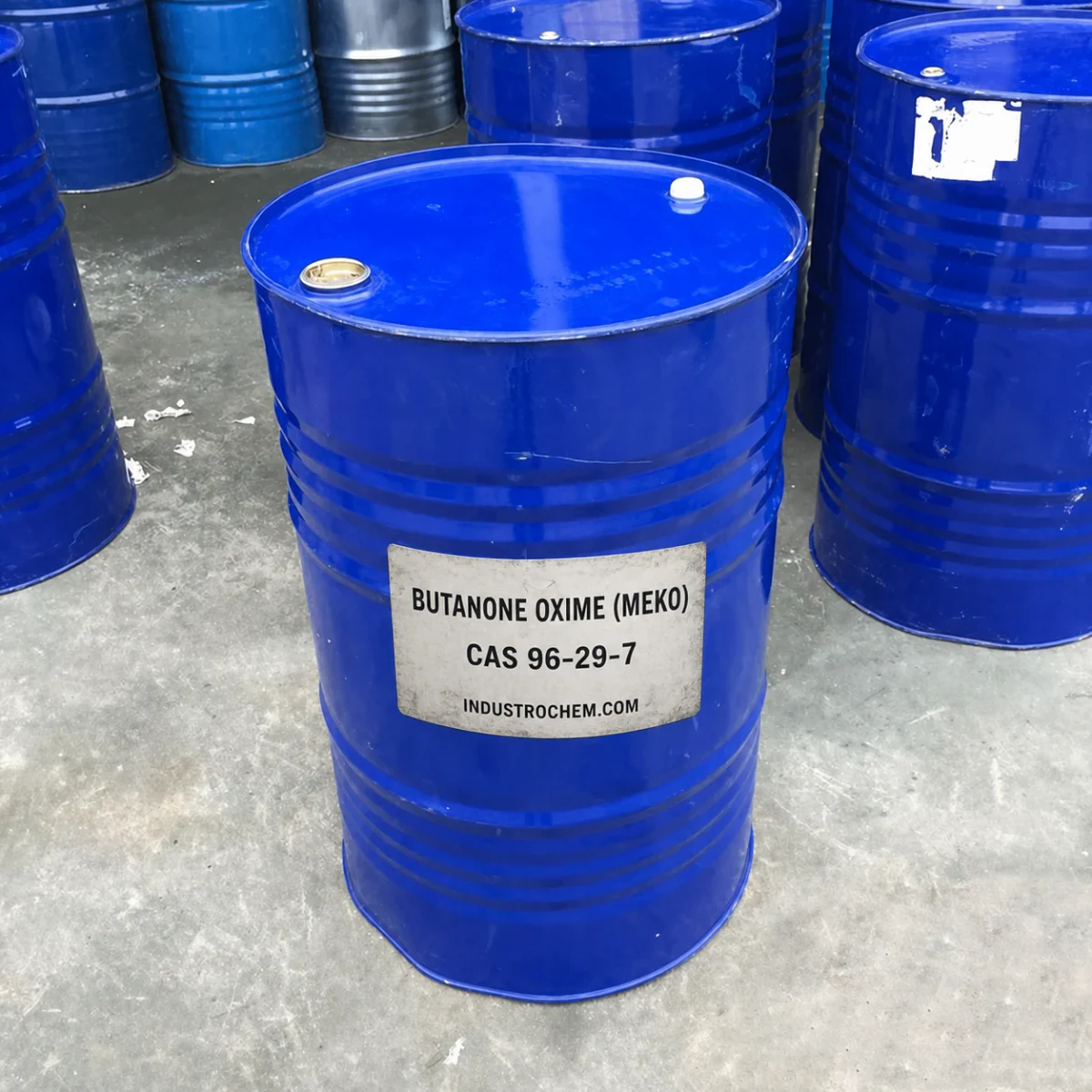
Butanone Oxime (MEKO), CAS 96-29-7, is a clear, colourless oxime used as an anti-skinning additive in suitable air-drying alkyd coatings. It helps delay surface skin formation during storage. For industrial supply, send the required MEKO specification, quantity and destination for a quotation.
Butanone Oxime (MEKO) CAS 96-29-7
- CAS: 96-29-7
- Synonyms: 2-Butanone oxime; Methyl ethyl ketone oxime; Methyl ethyl ketoxime; MEKO
- Einecs: 202-496-6
- Molecular Formula: C₄H₉NO
- Grade: Industrial applications; MEKO content and quality limits specified in the quotation
- Package: Industrial liquid packaging; container type and fill weight specified in the quotation
- Reference boiling point: 152–153 °C at 101.3 kPa; 59–60 °C at 2 kPa
- Reference density: Approximately 0.92 g/cm³ at 20 °C
- Reference water solubility: Approximately 100 g/L at 20 °C
Product Description
Butanone oxime, also called methyl ethyl ketone oxime or methyl ethyl ketoxime (MEKO), is the oxime of 2-butanone. CAS 96-29-7, EC 202-496-6, molecular formula C₄H₉NO and molar mass 87.12 g/mol identify this material. It is distinct from methyl ethyl ketone (MEK), the parent ketone.
MEKO delays surface skin formation during storage of suitable air-drying alkyd coatings. The addition level depends on the resin, metal-drier package, storage conditions and required drying performance. It is not a general-purpose preservative or a replacement for formulation testing.
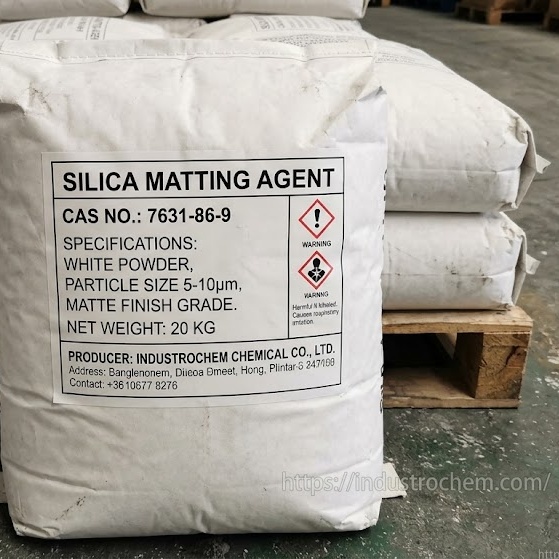
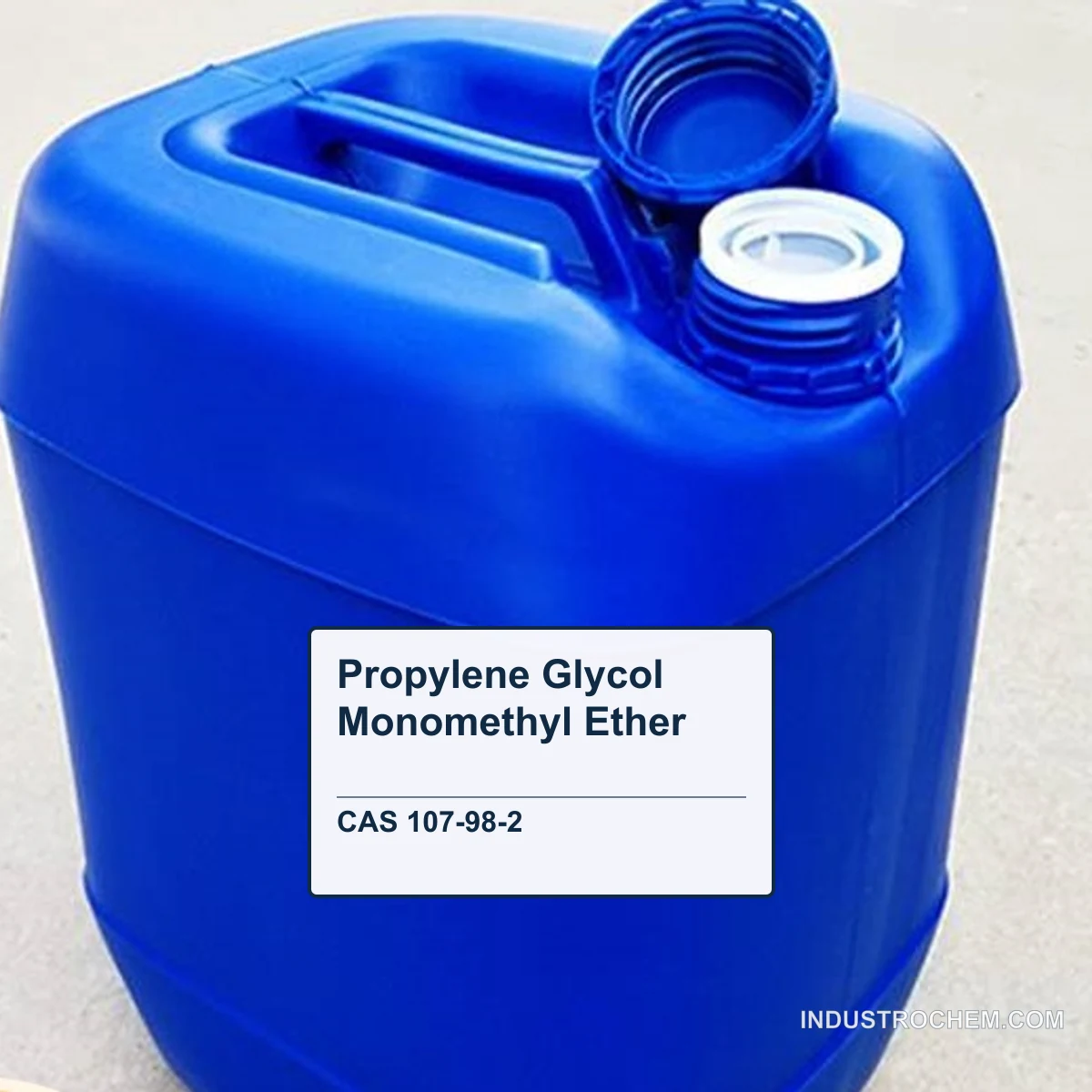
In solvent-based alkyd formulations, propylene glycol monomethyl ether (PGME) can serve as a resin solvent, while a compatible silica matting agent adjusts gloss in matte systems. These materials have different functions from MEKO; their combined effects on dispersion, settling and drying need to be evaluated in the complete formulation.
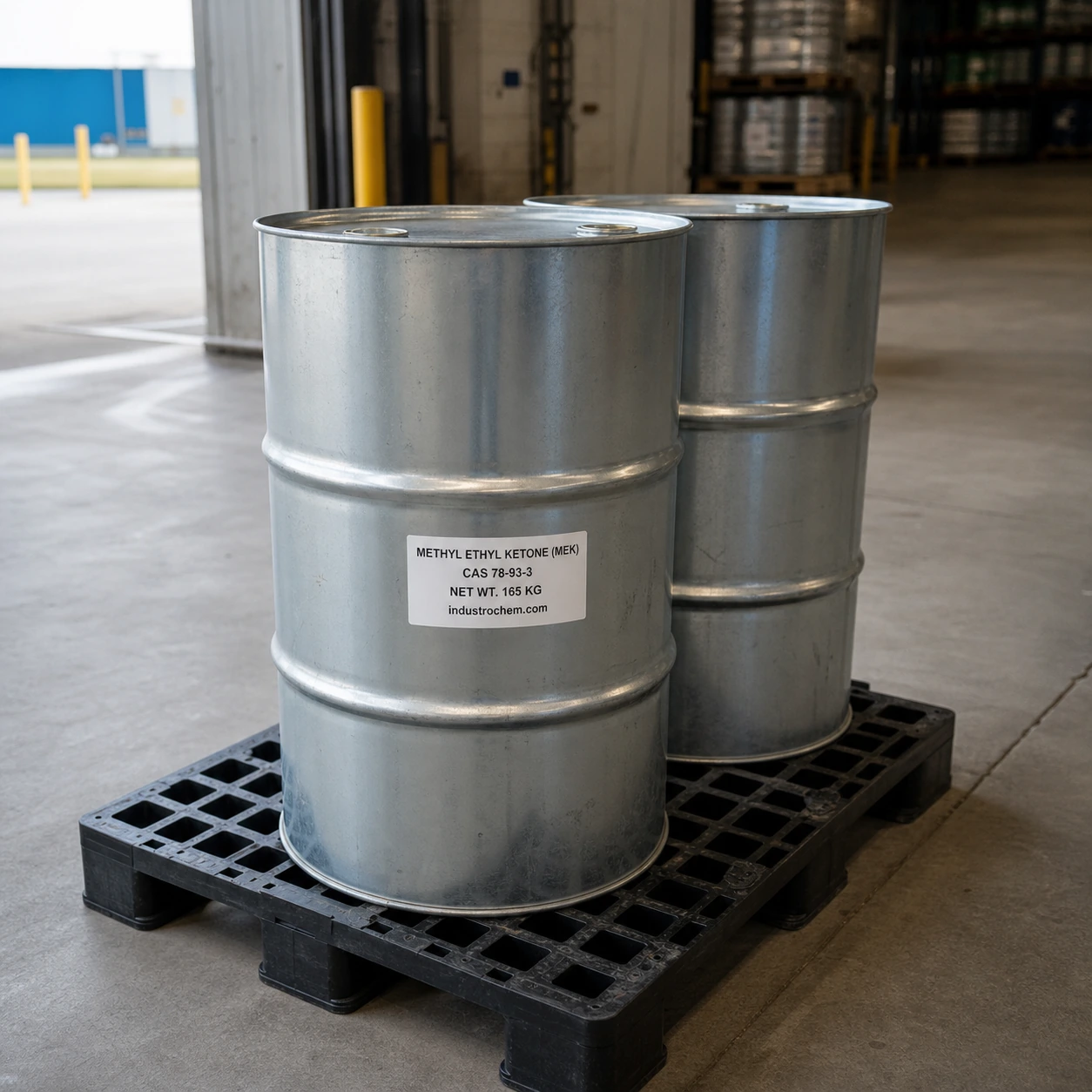
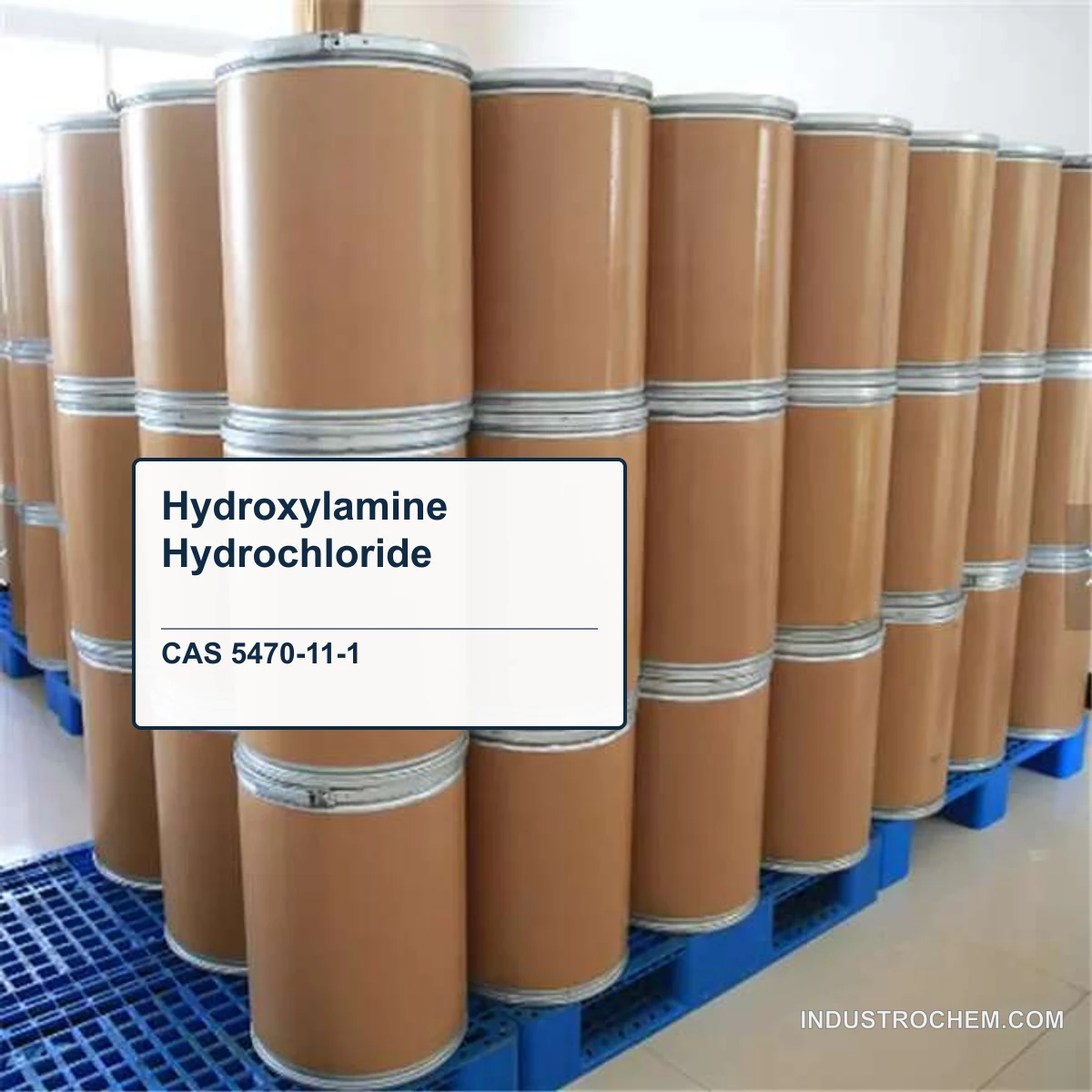
For oxime synthesis, methyl ethyl ketone (MEK) is the parent ketone and hydroxylamine hydrochloride is one possible hydroxylamine source. This is a synthesis relationship; neither material is a direct substitute for MEKO in an alkyd coating. MEKO is also an intermediate for oxime-functional silicone chemistry.
Industrial procurement specifications can include MEKO purity by gas chromatography (GC), water content, colour, acidity and residual MEK. The test method and reporting basis matter: GC area percentage is not automatically a mass percentage. We can provide a certificate of analysis (COA), technical data sheet (TDS), safety data sheet (SDS) and GC chromatograms for purity assessment. The quotation and agreed specification define the supplied grade; reference physical properties are not batch acceptance limits.
MEKO is a clear, colourless liquid with a reference melting point near −29.5 °C. Handling and delivery arrangements must follow the current SDS and the requirements for the destination and intended use. For a quotation, send the required MEKO specification, quantity and destination; packaging can be discussed with the offer.
FAQ - Technical & Supply Chain
-
Q:
Are Butanone Oxime, Methyl Ethyl Ketoxime and MEKO the same substance?
A: Yes. These names refer to 2-butanone oxime, CAS 96-29-7. MEKO is distinct from methyl ethyl ketone (MEK, CAS 78-93-3), the parent ketone solvent, and from methyl isobutyl ketoxime. The full product name and CAS number avoid confusion in purchase documents. -
Q:
How is the MEKO addition level selected for alkyd coatings?
A: There is no single addition level for every alkyd coating. Selection depends on the resin, metal-drier package, storage conditions and required drying performance. Evaluate both in-can skinning and drying after application in the intended formulation; more MEKO is not automatically better. -
Q:
Which quality indicators matter for industrial MEKO?
A: MEKO purity by GC, water content, colour, acidity and residual MEK are relevant purchasing indicators. Agree the analytical method, reporting basis and limits for the intended use. A GC area percentage should not be treated as a mass percentage without an appropriate method basis.
Ordering & Documentation
Key information for document requests, quotations, and supply planning.
Documents
Tell us which documents your procurement team needs. Before an order, we will check whether the quoted source can provide them for the offered lot.
Quotation
Send the CAS number, grade, quantity, packing preference and destination.
Sample & Supply
Ask whether samples, trial quantities or repeat orders are possible. We will check each request against the sourced product and current offer.
Storage & Shipping
Product-specific conditions are confirmed before order.