









Chemical products
  • Methoxy Polyethylene Glycol 350 (MPEG-350) CAS 9004-74-4

Methoxy Polyethylene Glycol 350 (MPEG-350) CAS 9004-74-4

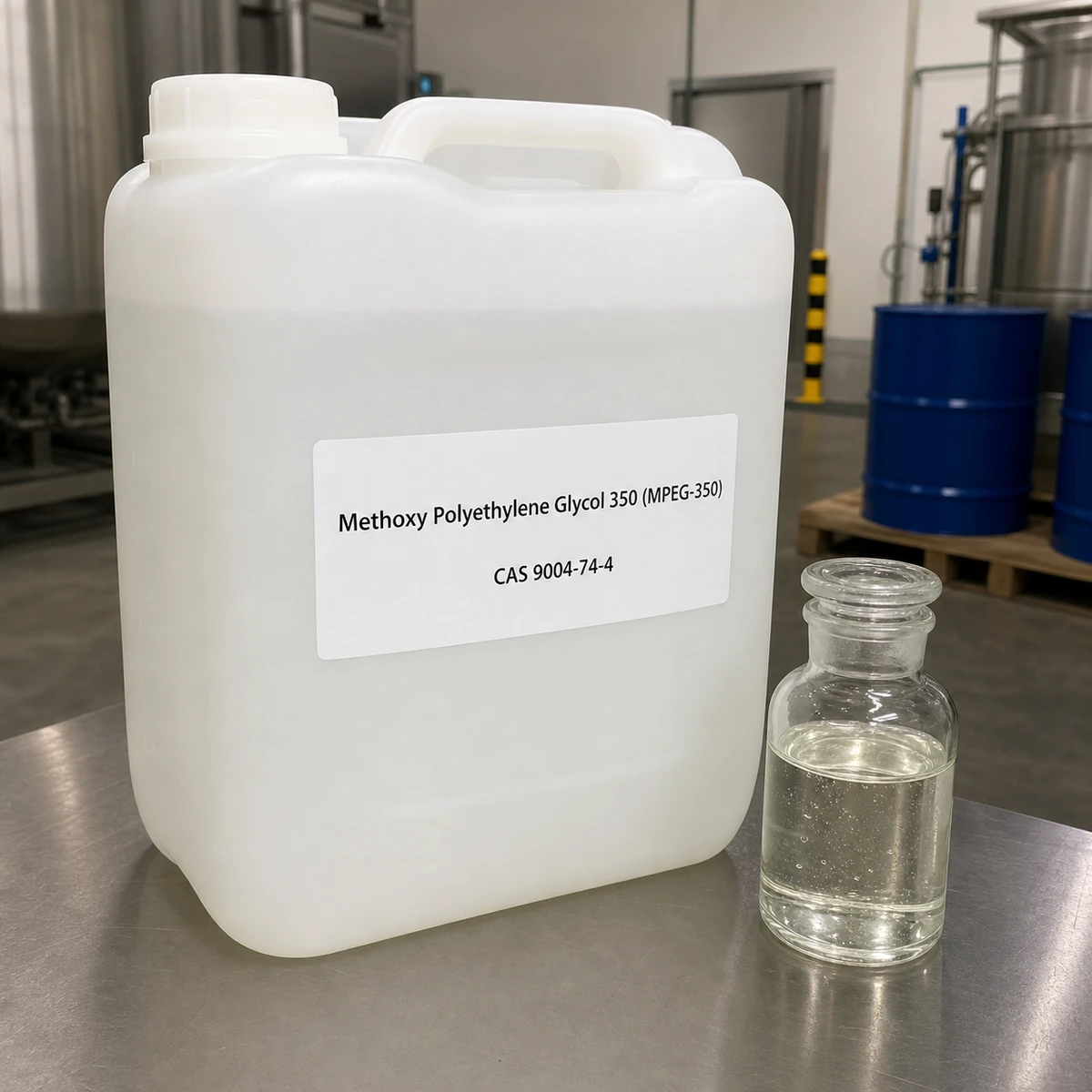
Methoxy Polyethylene Glycol 350 (MPEG-350) is a monomethyl-ether polyethylene glycol distribution with a nominal average molecular weight near 350. It is identified by CAS No. 9004-74-4 and EC No. 618-394-3 . MPEG-350 has one terminal hydroxyl group per chain on a nominal basis and is evaluated as a chemical intermediate, solvent or formulation component. Buyers should control average molecular weight, hydroxyl value, water, color and viscosity through the exact grade specification and COA.

  • CAS: 9004-74-4
  • Synonyms: Poly(ethylene glycol) methyl ether, mPEG 350, Methoxy PEG, Polyethylene Glycol Monomethyl Ether, Methyl Polyglycol, Methoxypolyethylene Glycol Ether
  • Einecs: 618-394-3
  • Molecular Formula: CH₃O(CH₂CH₂O)ₙH (average Mn ≈ 350)
  • Grade: Confirm the commercial grade code, average molecular mass or composition distribution, hydroxyl or viscosity data, water and physical form against the current TDS and COA.
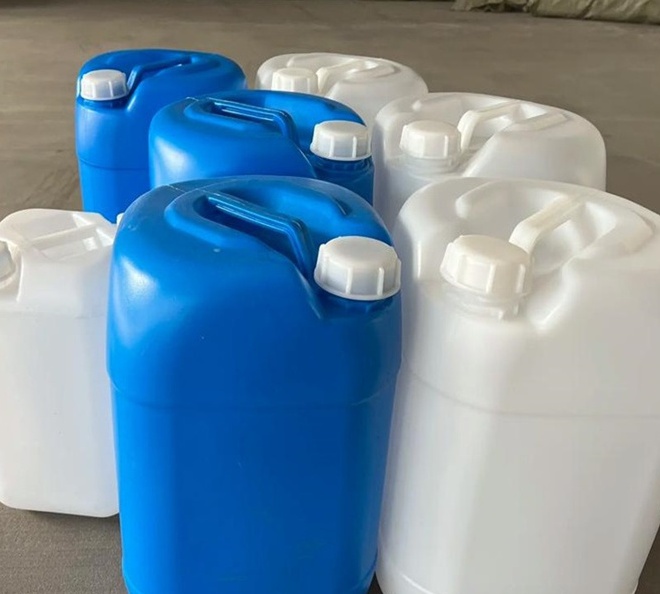
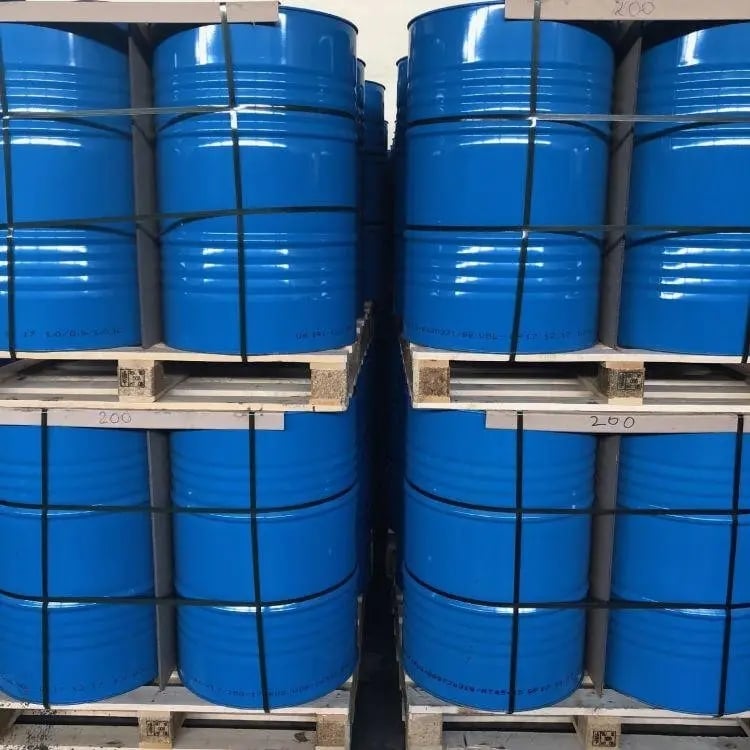
  • Package: State required quantity, physical form and destination; confirm the current bag or container, liner, net weight, temperature handling and transport requirements before quotation.
Request a quote
Share:

Product Description

Identity and physicochemical profile

ItemTechnical guidance
Product identityMethoxy Polyethylene Glycol 350 (MPEG-350); polyethylene glycol monomethyl ether
CAS / EC9004-74-4 / 618-394-3
Nominal formulaCH₃O(CH₂CH₂O)ₙH, with a molecular-weight distribution centered near average Mn 350
FunctionalityNominally monofunctional with one terminal hydroxyl group; residual or distribution-related components depend on the supplied grade
Key quality controlsAverage molecular weight, hydroxyl value, water, viscosity at a stated temperature, color, acidity or pH and appearance

Applications and grade selection

MPEG-350 is evaluated as a reactive intermediate for esters and other derivatives, and as a polar solvent, carrier, humectant or lubricity component in technical formulations. It should not be represented as a specific superplasticizer macromonomer without matching the required reactive functionality and molecular-weight grade.

  • For synthesis, use hydroxyl value and water to calculate charge and monitor reaction conversion; nominal molecular weight alone is insufficient.
  • Do not substitute PEG-400 directly: PEG is nominally difunctional, whereas MPEG has a methyl end cap and one terminal hydroxyl group.
  • Compare viscosity, water, color and downstream reaction or formulation performance before approving a new source.

Storage and handling

MPEG-350 is moisture-sensitive in many applications. Keep packages tightly closed, limit humid-air exposure and follow the current TDS and SDS for storage temperature, transfer and any blanketing requirement. Do not publish a universal shelf life without supplier documentation.

Safety, documentation and procurement

Use the exact SDS for PPE, spill control, transport and disposal. A purchase specification should state average molecular weight or hydroxyl range, water, viscosity method and temperature, color, application, package, quantity, destination and required COA, TDS and SDS.

FAQ - Technical & Supply Chain

  • Q:

    Which specifications define an MPEG-350 grade?

    A: MPEG-350 has a nominal average molecular weight rather than one exact molecular mass. Hydroxyl value, calculated molecular-weight range, water, viscosity at a stated temperature, pH or acidity, color and appearance are more useful purchase controls.
  • Q:

    Can PEG-400 replace MPEG-350 in a synthesis?

    A: Usually not without reformulation. MPEG-350 is methyl-capped and nominally monofunctional, while PEG-400 is a diol. Their hydroxyl functionality changes reaction stoichiometry, chain architecture and the composition of the downstream product.
  • Q:

    How should MPEG-350 be qualified as a reaction intermediate?

    A: Review a recent COA and then run the intended reaction at representative scale. Check conversion, color, residuals, by-products and final-product performance; moisture and any residual diol requirement should be agreed before the trial.
  • Q:

    What should an MPEG-350 sourcing request contain?

    A: Provide the hydroxyl or molecular-weight range, water and viscosity limits with test conditions, application, reference COA, trial and annual quantity, package and destination. State any reaction-specific impurity limit before the sample is prepared.
Documents

Documents and Product Support

For product review and sourcing evaluation, supporting documents can be coordinated according to the product type, inquiry stage, and order requirements.

  • COA for batch-based quality reference
  • TDS for key physical and chemical information
  • SDS / MSDS for handling, storage, and safety reference
  • Packing information for sample, trial, and bulk orders
  • Technical communication based on application and specification requirements
Quotation

Information to Confirm Before Quotation

Clear sourcing information helps reduce specification mismatch and allows a more accurate quotation before sample or bulk order discussion.

  • Product name and CAS number
  • Application or intended end use
  • Required purity, grade, or specification
  • Sample quantity, trial order, or bulk demand
  • Preferred packing form or net weight
  • Destination country or port
  • Required documents or compliance expectations
Storage & Handling

Packaging, Storage, and Handling Notes

Packaging form, storage conditions, shelf life, and shipment arrangements should be confirmed according to the product characteristics, package size, and destination requirements.

Before order confirmation, buyers are advised to review the corresponding product documents and confirm whether any special storage, labeling, or handling requirements apply.

Supply Support

Sample, Bulk Order and Repeat Supply Support

Support can be arranged for sample discussion, bulk supply planning, packaging confirmation, and routine sourcing communication based on the actual product and order requirements.

For repeat-use formulations or long-term procurement plans, buyers may discuss specification consistency, packaging preferences, delivery expectations, and document coordination in advance.

Contact Form

Use our contact form to send us your questions, suggestions or comments. We will respond as soon as possible.