








Chemical products
  • Silica Matting Agent CAS 7631-86-9

Silica Matting Agent CAS 7631-86-9

Silica Matting Agent is a high-performance coating additive composed of micronized synthetic amorphous silica. Functioning as a highly efficient gloss control agent, it works by scattering light at the micro-surface of cured films to produce a consistent, uniform matte finish. In the B2B chemical supply chain, this additive is essential for manufacturers of wood coatings, industrial metal finishes, architectural paints, and printing inks. It is engineered to provide excellent transparency, film clarity, and smooth surface feel without compromising the physical properties of the coating. We supply this material as a free-flowing fine white powder—available in both wax-treated and untreated grades—supported by standard moisture-resistant packaging and comprehensive technical documentation for commercial formulation trials.

  • CAS: 7631-86-9
  • Synonyms: Silicon Dioxide Matting Agent, Flatting Agent, Gloss Reducing Agent, Silica Gel Powder
  • Einecs: 231-545-4
  • Molecular Formula: SiO2
  • Grade: Industrial Grade / Coating Grade
  • Package: Available in standard moisture-proof multi-wall paper bags
Request a quote
Share:

Product Description

Physicochemical Properties

Property Typical Value
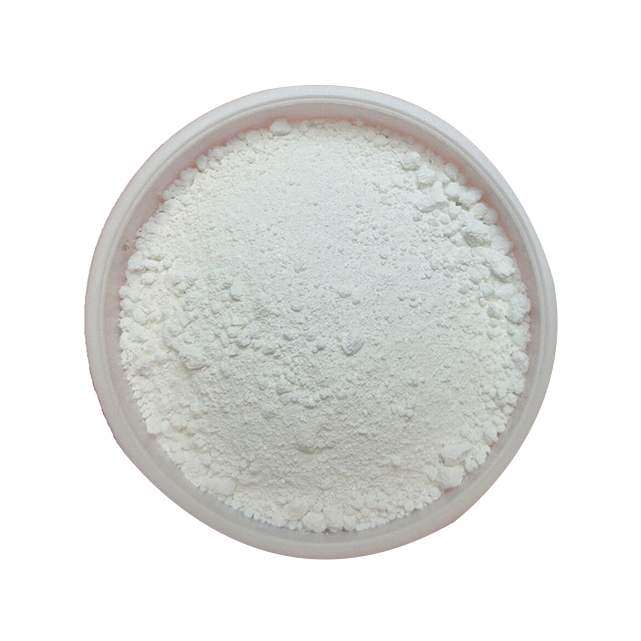
Appearance Fine white micronized powder
Surface Treatment Untreated / Wax-treated (Dependent on specific grade)
Average Particle Size (D50) ~ 3.0 – 10.0 µm (Commercial range varies by grade)
Pore Volume ~ 1.0 – 2.0 ml/g
pH (5% aqueous suspension) 6.0 – 8.0
Loss on Drying (at 105°C) < 5.0%
SiO2 Content (dry basis) > 98.0%

Typical Applications

  • Wood & Furniture Coatings: Provides excellent transparency and a smooth, natural surface feel. It is widely used in clear wood finishes where maintaining the visibility of the wood grain without hazing is critical.
  • Industrial Finishes & Coil Coatings: Offers high matting efficiency and improves the scratch and mar resistance of industrial metal coatings and baking enamels.
  • Architectural Paints: Incorporated into interior and exterior decorative paints to reliably control gloss levels, achieving consistent matte, eggshell, or satin finishes.
  • Printing Inks & Leather Finishes: Controls surface reflection while maintaining film flexibility, color vibrancy, and adhesion in flexible substrates.

Packaging

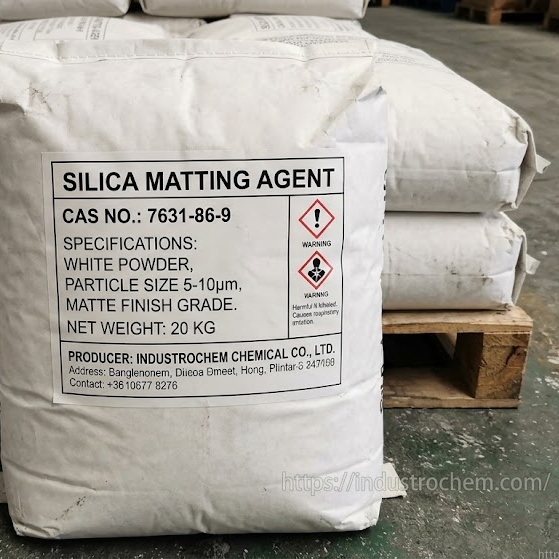
As a highly porous micronized powder, this product is standardly packaged in 10kg or 15kg multi-wall paper bags equipped with an inner polyethylene liner. This packaging is specifically designed to prevent moisture ingress and external contamination. The bags are palletized, stretch-wrapped, and prepared for secure bulk transport. Packaging configurations can be aligned with specific warehouse handling capacities and order volumes.

Storage

Store in a cool, dry, and well-ventilated indoor warehouse. Synthetic amorphous silica is inherently hygroscopic; therefore, pallets must be kept off the floor and strictly protected from high-humidity environments and direct water contact. Bags must be tightly sealed immediately after partial use to prevent moisture absorption, which can negatively impact dispersion efficiency and matting performance.

For related inorganic pigment and filler pages used in coatings or plastics, compare Titanium Dioxide and Talc.

FAQ - Technical & Supply Chain

  • Q:

    What is Silica Matting Agent CAS 7631-86-9 used for?

    A: It is a micronized synthetic amorphous silica that controls gloss in coatings, printing inks, and leather finishes. When cured, the particles create controlled micro-roughness on the film surface and scatter light to produce a uniform matte, eggshell, or satin finish.
  • Q:

    What is the difference between untreated and wax-treated silica matting agent?

    A: Untreated grades generally disperse quickly and give high optical clarity, making them well suited to many solvent-borne systems. Wax-treated grades improve anti-settling, suspension stability, and compatibility in waterborne or UV-curable systems, and may also improve slip and scratch resistance.
  • Q:

    Which coating systems are compatible with this matting agent?

    A: Grade selection is the key factor: suitable grades can be used in waterborne, solvent-borne, and 100% solid UV-curable systems. Surface-treated grades are usually preferred for aqueous systems to avoid viscosity rise, poor gloss control, or a rough feel.
  • Q:

    How should Silica Matting Agent be incorporated during coating production?

    A: It is normally added during the let-down stage using standard high-speed dispersion equipment. Grinding is usually unnecessary and can over-shear the particles, so the powder should be dispersed until uniform without excessive shear.
  • Q:

    Which specifications matter most when selecting a matting agent grade?

    A: Particle size distribution, pore volume, silica purity, surface treatment, and pH are the main factors. Finer, narrowly distributed particles tend to give a smoother finish and better transparency, while higher pore volume typically improves matting efficiency.

Ordering & Documentation

Key information for document requests, quotations, and supply planning.

Documents

COA, TDS, SDS/MSDS and packing details are available on request.

Quotation

Send the CAS number, grade, quantity, packing preference and destination.

Sample & Supply

Support is available for samples, trial orders, bulk and repeat supply.

Storage & Shipping

Product-specific conditions are confirmed before order.

Contact Form

Use our contact form to send us your questions, suggestions or comments. We will respond as soon as possible.