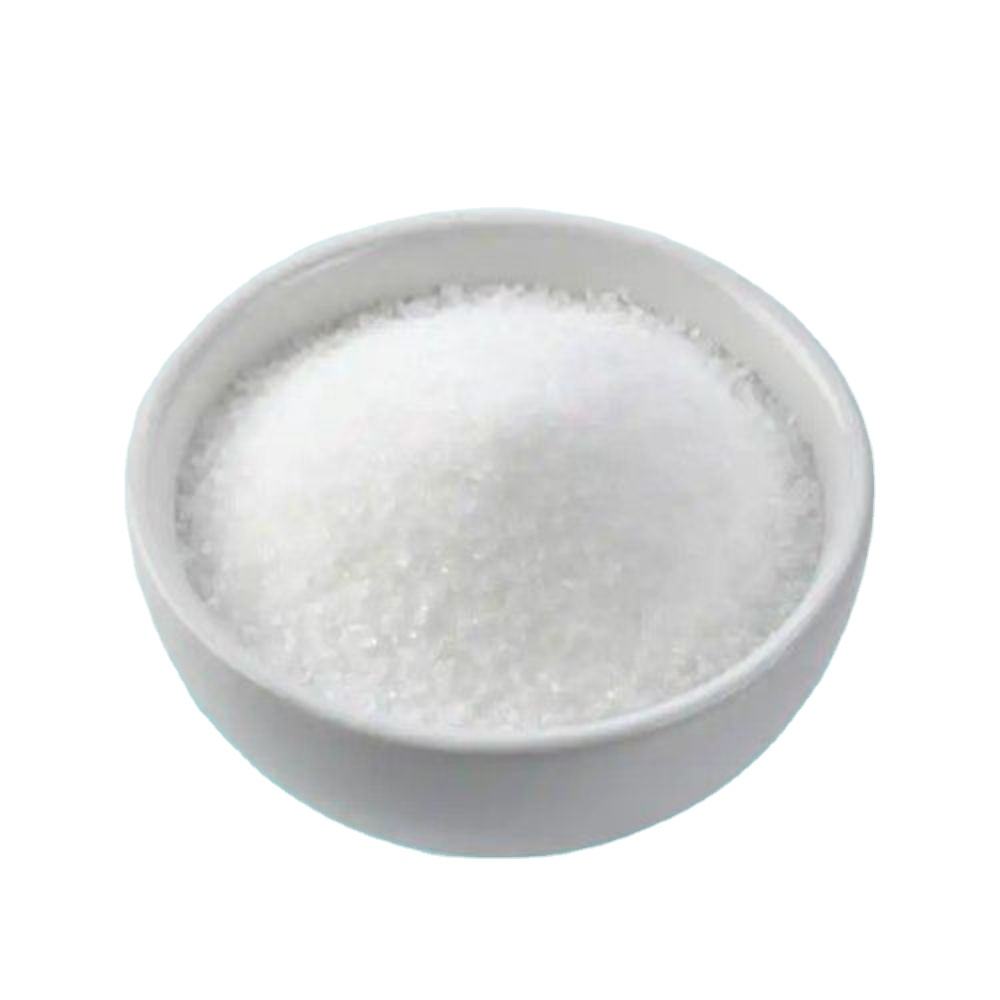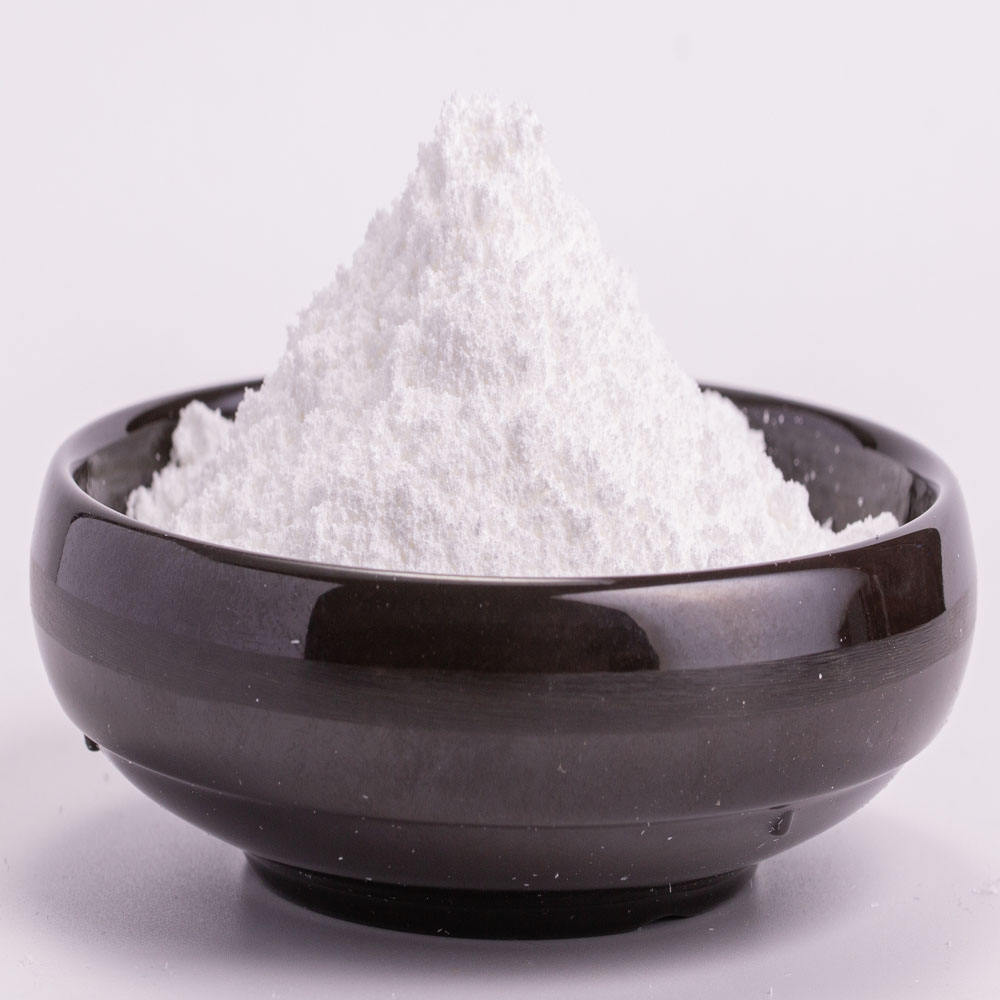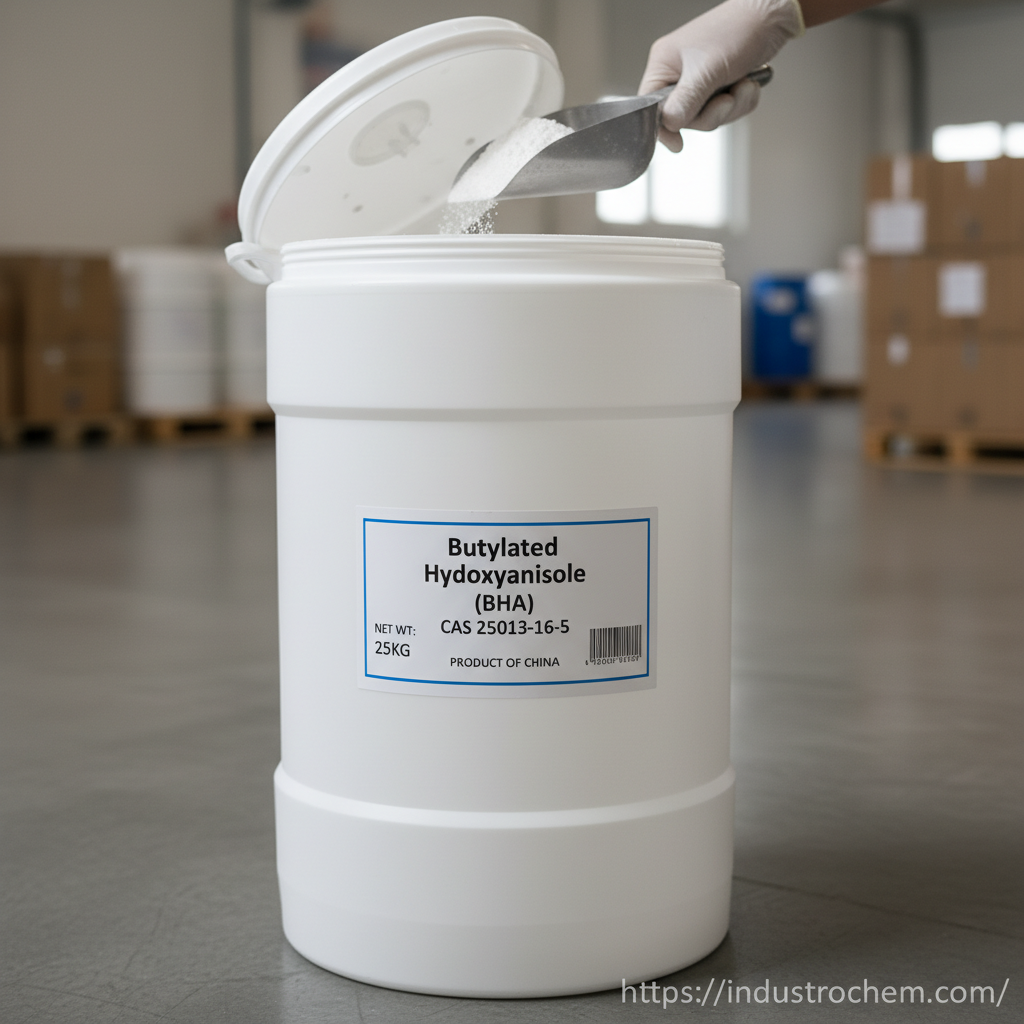
Butylated Hydroxyanisole (BHA) CAS 25013-16-5 is a synthetic phenolic antioxidant chemically defined as a mixture of 2-tert-butyl-4-hydroxyanisole and 3-tert-butyl-4-hydroxyanisole , functioning primarily as a potent free radical scavenger in fat-containing food products and cosmetic formulations. Also known as E320 or BOA, this waxy white to slightly yellow solid is utilized to prevent the rancidity of oils and animal fats (carry-through effect) during high-temperature processing and serves as a stabilizer in rubber and petroleum products. We provide professional access to this material with competitive factory pricing and the ability to meet customized specifications for various manufacturing requirements. Our commitment to technical transparency ensures that every shipment is accompanied by comprehensive MSDS, TDS, COA documentation to support your quality assurance protocols, and we maintain capacity for consistent bulk supply to facilitate large-scale industrial operations.
Butylated Hydroxyanisole BHA CAS 25013-16-5
- CAS: 25013-16-5
- Synonyms: BHA, tert-butyl-4-hydroxyanisole, (1,1-dimethylethyl)-4-methoxyphenol, E320, 2(3)-tert-Butyl-4-methoxyphenol, Antioxidant BHA
- Einecs: 246-563-8
- Molecular Formula: C11H16O2
- Grade: Food/Pharma Grade
- Package: 25kg/bag (Plastic woven bag with PE liner) or 500kg/1000kg Jumbo Bag.
Product Description
What Makes BHA Special?
BHA is a potent synthetic antioxidant. Unlike some natural alternatives that can be finicky or unstable under heat, BHA is robust.
Its “superpower” is something chemists call the “Carry-Through Effect.” This means BHA remains active and effective even after being subjected to high temperatures (like baking or frying). It doesn’t just disappear during processing; it stays to protect the final product.
Physical & Chemical Properties
When sourcing BHA, you need to ensure the material fits your production line requirements. Here is the technical snapshot of the high-purity material we supply:
| Property | Specification |
|---|---|
| Product Name | Butylated Hydroxyanisole (BHA) |
| CAS Number | 25013-16-5 |
| Appearance | White or pale yellowish waxy solid / flakes |
| Odor | Slight, characteristic aromatic odor |
| Assay (Purity) | ≥ 98.5% |
| Melting Point | 48°C – 63°C |
| Solubility | Insoluble in water; Soluble in alcohol, propylene glycol, and fats/oils |
| Boiling Point | 264°C (approx.) |
| Stability | Stable under ordinary conditions; light-sensitive |
Where is BHA Used? (Application Fields)
Because it effectively inhibits the oxidation of fats and oils, BHA is versatile. It is often used in combination with BHT (Butylated Hydroxytoluene) for a synergistic effect.
1. Food Industry
- Bakery Products: Thanks to the “carry-through” effect, it protects the fats in biscuits, cookies, and cakes even after baking.
- Snacks & Confectionery: Prevents nuts and fried snacks from going rancid.
- Fats & Oils: Extends the shelf life of lard, shortening, and vegetable oils.
2. Animal Nutrition (Feed)
- High-quality feed contains essential fats and vitamins. BHA prevents these nutrients from degrading, ensuring livestock and pets get the full nutritional value.
3. Cosmetics & Personal Care
- Used in lipsticks, moisturizers, and makeup containing oils. It prevents the formulation from changing color or developing an unpleasant odor over time.
4. Industrial Applications
- Rubber & Plastics: Acts as an antioxidant stabilizer.
- Food Packaging: Incorporated into packaging materials to keep the contained food fresh.
Safety & Handling Precautions
BHA is a waxy solid, which generally makes it easier to handle than fine, dusty powders, but safety protocols are still essential for your workforce.
- Avoid Direct Contact: It can be slightly irritating to the skin and eyes. Operators should wear protective gloves, safety goggles, and long sleeves.
- Ventilation: Use in a well-ventilated area. If you are heating the product during formulation, ensure appropriate extraction systems are in place to handle vapors.
- Fire Safety: As a waxy organic compound, it is combustible. Keep away from open flames and strong oxidizing agents.
For another food-processing antioxidant option, see Sodium Erythorbate.
Storage Conditions
To get the most out of your BHA stock, proper storage is non-negotiable. Improper storage can lead to discoloration or loss of efficacy.
- Light Protection: BHA is sensitive to light. Long-term exposure can cause the white wax to turn yellow or pinkish. Always store in light-resistant containers.
- Temperature: Store in a cool, dry place (below 25°C is ideal). Because of its relatively low melting point (approx. 48°C), storing it in a hot warehouse can cause the flakes to clump together into a solid block, making it difficult to use.
- Sealing: Keep containers tightly closed when not in use to prevent contamination.
Why Sourcing Matters
You might find BHA listed on many websites, but the difference often lies in the details—particle size consistency, color purity, and reliable lead times.
We understand that you aren’t just buying a chemical; you are buying the stability of your production schedule. We offer:
- consistent Purity: Strictly adhering to FCC/USP/BP standards.
- Fresh Batches: We manage our inventory to ensure you receive material with maximum remaining shelf life.
- Global Logistics: Professional packaging that ensures the product doesn’t melt or degrade during transit.
FAQ - Technical & Supply Chain
-
Q:
What is Butylated Hydroxyanisole BHA CAS 25013-16-5?
A: Butylated Hydroxyanisole, or BHA, CAS 25013-16-5 is a synthetic phenolic antioxidant with molecular formula C11H16O2, molecular weight about 180.24 g/mol, and EINECS 246-563-8. It is supplied as a white to pale yellowish waxy solid or flakes and is also known as E320. -
Q:
What is the carry-through effect of BHA?
A: BHA remains active after high-temperature processing such as baking or frying, so it can continue protecting fats and oils in the finished product. This carry-through property makes it useful in fried snacks, baked goods, and other heat-processed foods. -
Q:
How do BHA and BHT work together?
A: BHT is highly heat-stable during frying, while BHA is better at carrying antioxidant protection through into the final food. They are often combined because their complementary mechanisms provide broader protection against lipid oxidation than either antioxidant alone. -
Q:
What are the key specifications for BHA food/pharma grade?
A: Typical specifications include a white or pale yellowish waxy solid or flakes, assay of at least 98.5%, melting point of 48-63 C, and boiling point around 264 C. BHA is practically insoluble in water but soluble in alcohol, propylene glycol, fats, and oils. -
Q:
How should BHA be incorporated into oil-based or water-based formulations?
A: BHA is lipophilic and should be dissolved or dispersed in the oil phase, alcohol, propylene glycol, or fat component. For water-based systems, it is usually predissolved in a compatible solvent or incorporated through the emulsion oil phase. -
Q:
What food and cosmetic applications use BHA?
A: In food, BHA is used to stabilize fats and oils in snacks, bakery products, cereals, and fried foods. In cosmetics and personal care, it can protect unsaturated oils and lipid ingredients in creams, balms, and other oil-containing formulations.
Ordering & Documentation
Key information for document requests, quotations, and supply planning.
Documents
COA, TDS, SDS/MSDS and packing details are available on request.
Quotation
Send the CAS number, grade, quantity, packing preference and destination.
Sample & Supply
Support is available for samples, trial orders, bulk and repeat supply.
Storage & Shipping
Product-specific conditions are confirmed before order.