








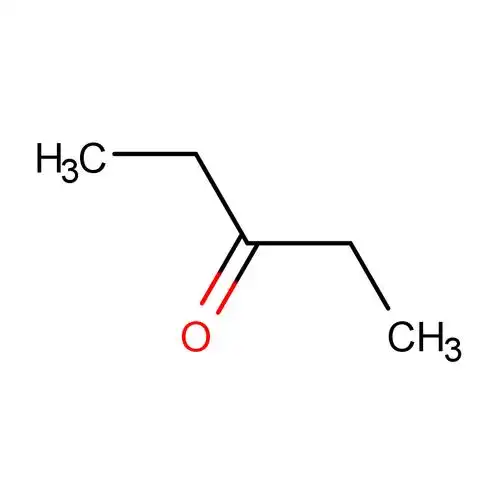
3-Pentanone (CAS 96-22-0) is a symmetrical dialkyl ketone, widely recognized in industrial applications as Diethyl ketone, utilized primarily as a process solvent in synthetic resin formulations and chemical synthesis. This colorless DEK fluid functions as a high-boiling medium for dissolving nitrocellulose and vinyl resins, providing superior leveling properties compared to acetone in specialized coating systems. As a stable Propione grade material, it also serves as a critical intermediate in the manufacturing of herbicides and pharmaceutical precursors, chemically distinct from its asymmetrical isomer Metacetone. We provide this solvent material with competitive factory pricing to support continuous downstream manufacturing and ensure bulk supply availability for industrial solvent operations. Our logistics capabilities accommodate customized specifications for purity and moisture control, while every shipment is fully documented with MSDS, TDS, COA to meet safety and regulatory standards.
3-Pentanone CAS 96-22-0
- CAS: 96-22-0
- Synonyms: Diethyl ketone, DEK, Propione, Pentan-3-one, Metacetone
- Einecs: 202-490-3
- Molecular Formula: C₅H₁₀O
- Grade: 99%
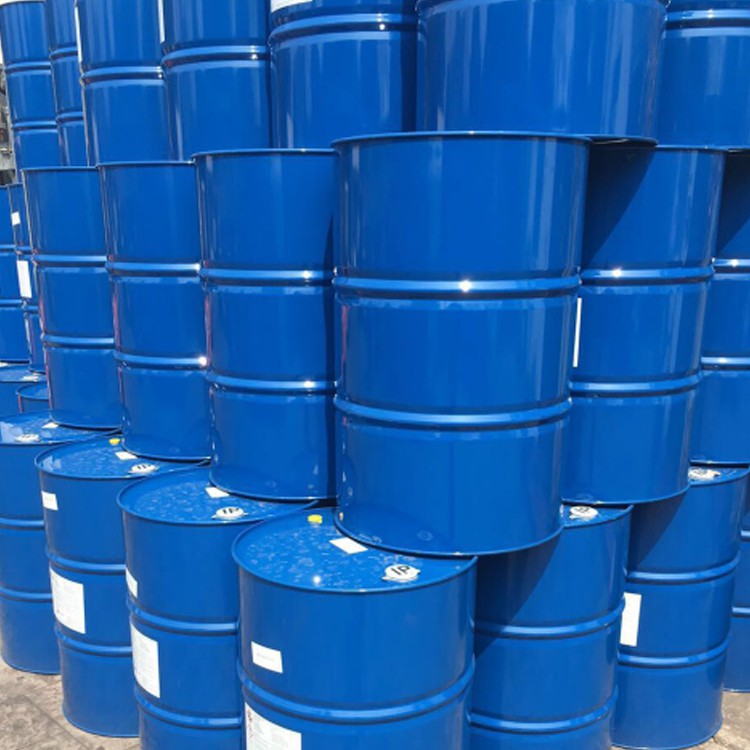
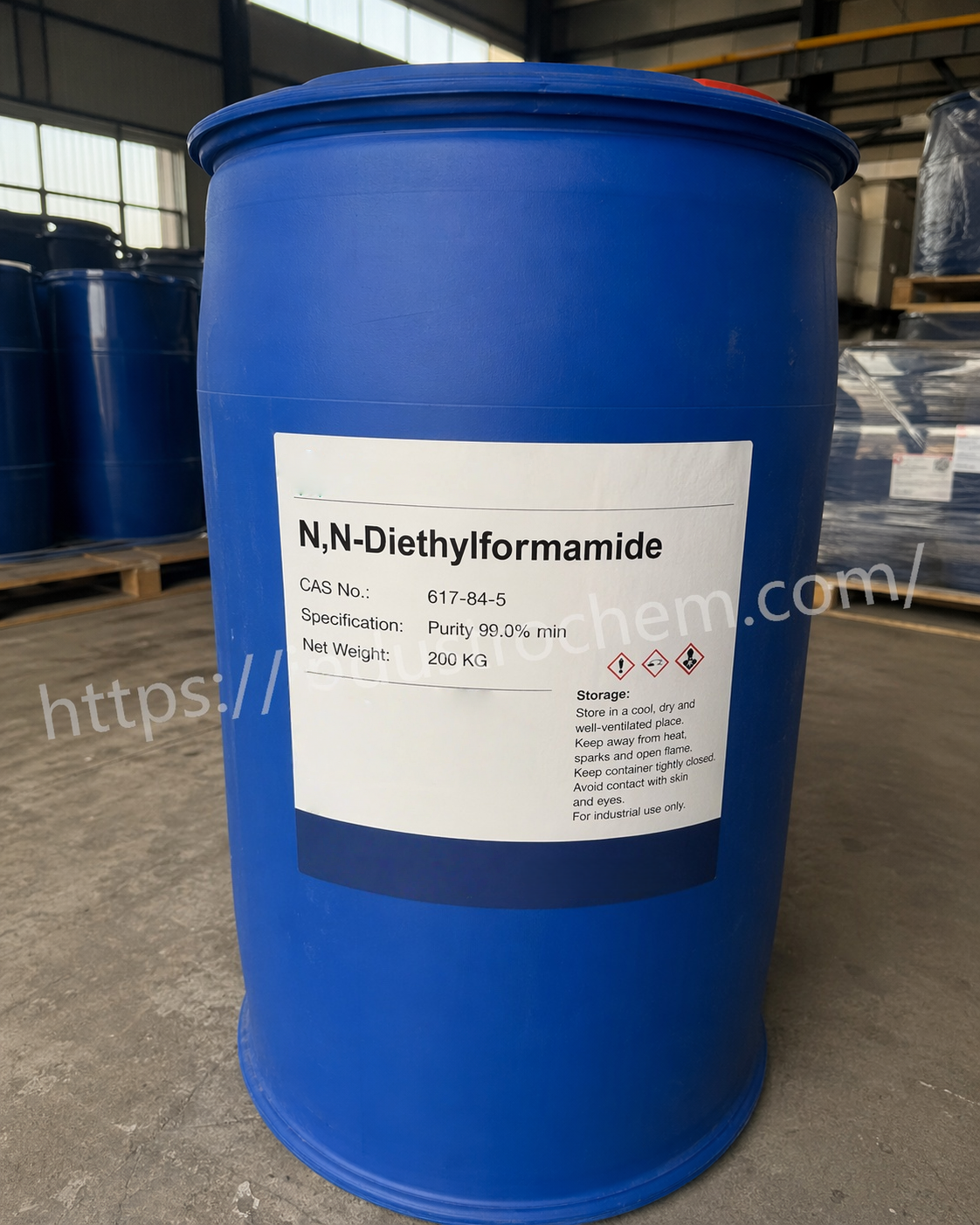
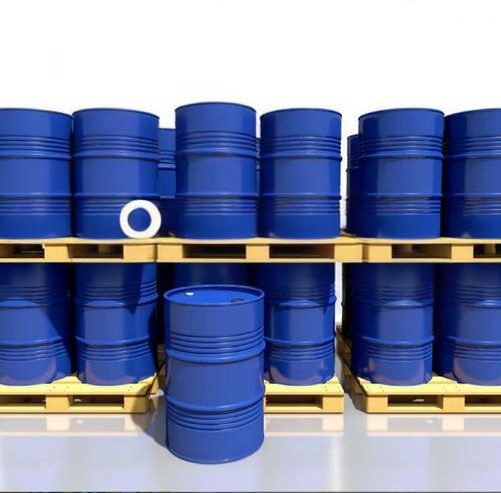
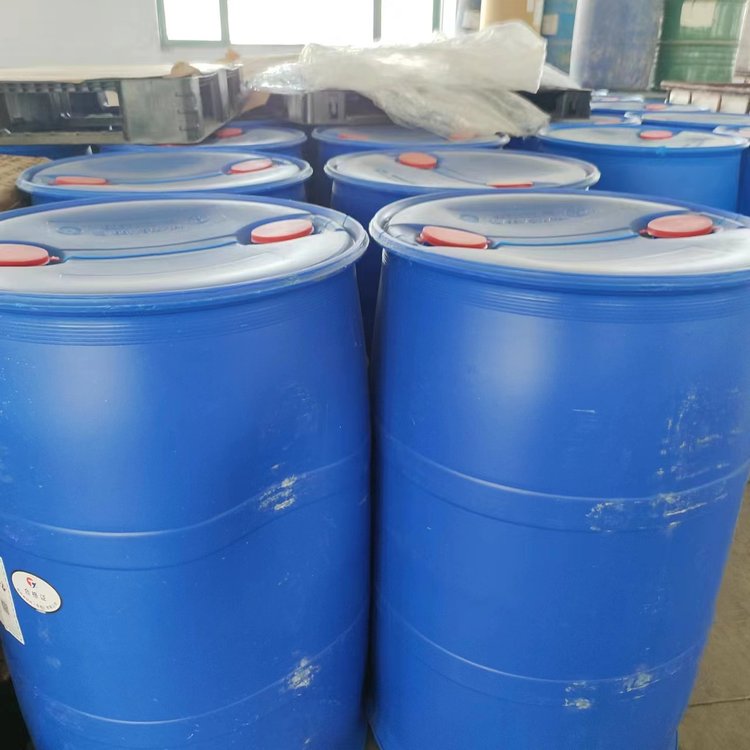
- Package: 160kg/drum, or as required
Product Description
Product Information
| Item | Details |
|---|---|
| English Name | 3-Pentanone |
| CAS No. | 96-22-0 |
| EINECS No. | 202-490-3 |
| Molecular Formula | C₅H₁₀O |
| Molecular Weight | 86.13 |
| Synonyms | Diethyl ketone, Ethyl methyl ketone, Methyl propyl ketone |
| Price | ¥ 25 / ton |
| Package | 1 ton |
| Minimum Order Quantity (MOQ) | 1 ton |
| Origin | Shandong, China |
| Update Date | 2025-08-04 |
| Purity | 98% (Industrial Grade) |
| Category | Intermediates |
| Storage Condition | Store below +30 ° |
Toxicity and Ecological Information of 3-Pentanone
1. Skin/Eye Irritation
- Open irritation test (rabbit, skin): 410 mg → mild reaction.
- Draize test (rabbit, skin): 500 mg/24h → mild irritation.
- Draize test (rabbit, eyes): 50 mg → moderate irritation.
- Draize test (rabbit, eyes): 100 mg/24h → moderate irritation.
2. Acute Toxicity
- Rat, oral LD₅₀: 2140 mg/kg
- Rat, inhalation LCLo: 8000 ppm / 4 h
- Rat, intraperitoneal LDLo: 1250 mg/kg
- Mouse, oral LD₅₀: 3100 mg/kg
- Mouse, intravenous LD₅₀: 513 mg/kg
- Rabbit, dermal LD₅₀: 20 mL/kg
- Acute Toxicity Reference: Oral LD₅₀ (rat) = 2140 mg/kg; Dermal LD₅₀ (rabbit) = 20,000 mg/kg
3. Mutagenicity
- Yeast gene conversion and mitotic recombination test: 14,800 ppm
- Yeast sex chromosome loss and nondisjunction test: 14,800 ppm
4. Exposure Limits
- Odor threshold concentration: 33 mg/m³
- Maximum permissible workplace concentration (U.S.): 705 mg/m³
5. Subacute and Chronic Toxicity
Rats administered 250 mg or 454 mg/(kg·day) via drinking water for 13 months showed only slight body weight reduction, with no other abnormal effects observed.
Chemical Properties
- Highly flammable, vapor forms explosive mixtures with air.
- Reacts violently with oxidizing agents.
- Vapor is heavier than air and may accumulate in low areas.
Applications
- Used as an organic solvent (in paints, inks, coatings).
- Intermediate for pharmaceutical synthesis.
- Raw material in organic synthesis.
- Used in fragrance and flavor manufacturing.
Safety & Handling
Storage:
- Store in a cool, well-ventilated place.
- Keep container tightly closed.
- Keep away from heat, sparks, flames, and oxidizing agents.
- Explosion-proof equipment required.
- Emergency handling materials must be available in the storage area.
Transportation:
- Transport according to regulations.
- Vehicles must be equipped with fire-fighting and emergency equipment.
- Recommended transport during early morning or evening in summer.
- Protect against static electricity, sunlight, and rain.
- Follow designated transport routes.
Operation:
- Use only in well-ventilated areas with closed systems.
- Trained personnel only.
- Full protective equipment required.
- Prevent fire, static discharge, and leaks.
- Handle with care, avoid impact.
Protective Measures:
- Respiratory, eye, body, and hand protection required.
- Avoid prolonged or repeated exposure.
First Aid:
- Skin contact: Wash with soap and water.
- Eye contact: Rinse with plenty of water, seek medical advice.
- Inhalation: Move to fresh air, give oxygen if needed, seek medical help.
- Ingestion: Rinse mouth, do not induce vomiting, seek immediate medical attention.
Firefighting Measures:
- Remove containers from fire area if safe.
- Cool containers with water spray.
- Use alcohol-resistant foam, dry chemical, or CO₂ for firefighting.
Spill Response:
- Evacuate personnel, isolate area.
- For small spills: absorb with activated carbon or inert absorbents.
- For large spills: build dikes, collect for recycling or safe disposal
3-Pentanone (CAS: 96-22-0) Preparation Methods
1. Oxidation of 3-pentanol
- 3-Pentanone can be obtained by oxidation of 3-pentanol.
- The oxidation reaction is carried out at 90 °C.
- After the reaction, the mixture is filtered and then fractionally distilled.
- The fraction collected at 101–104 °C is the final product.
2. Oxidation using sodium dichromate
- Another common preparation method involves oxidizing 3-pentanol with sodium dichromate in the presence of sulfuric acid at 90 °C.
- Upon completion of the reaction, the product is obtained by distillation.
Purification Methods:
- Dry with barium oxide or calcium sulfate, followed by distillation.
- Alternatively, reflux with calcium chloride for 2 hours, then add fresh CaCl₂, leave overnight, filter, and distill.
- For high-purity 3-pentanone:
- Use a distillation column with 100 theoretical plates under 93.33 kPa and a reflux ratio of 100:1.
- The distillate is subjected to fractional crystallization, followed by redistillation with calcium hydroxide.
- Purity can reach 99.95% ± 0.01%.
3. Preparation with manganese carbonate–pumice catalyst
- Catalyst preparation:
- Dissolve 70 g (0.35 mol) MnCl₂·4H₂O in 100 mL water.
- Under stirring, slowly add a solution of 38 g (0.35 mol) anhydrous Na₂CO₃ in 120 mL water.
- Filter the resulting manganese carbonate precipitate and wash thoroughly.
- Transfer the solid to a large evaporating dish, add water to form a paste, and mix with pumice (4–8 mesh) so that most of the paste adheres to the pumice.
- Catalyst activation:
- Under nitrogen protection, heat the catalyst in a tube furnace at 360–400 °C for 8 hours, converting MnCO₃ into MnO.
- Reaction:
- At 350–400 °C, add 740 g (10 mL) of redistilled propionic acid dropwise to the catalyst using a dropping funnel (rate: ~30 drops/min).
- Addition takes about 48–72 hours.
- The distillate separates into two layers: organic and aqueous.
- The aqueous layer is saturated with solid K₂CO₃, then the organic layer is separated and combined.
- Treat with solid K₂CO₃ to remove residual acid and water, filter, and distill.
- Collect the fraction at 101–103 °C, yielding 250 g of 3-pentanone (29% yield).
FAQ - Technical & Supply Chain
-
Q:
How is the molecular structure of CAS 96-22-0 differentiated from other pentanone isomers?
A: The identifier CAS 96-22-0 is assigned exclusively to the symmetrical molecule C5H10O (Diethyl Ketone), distinct from Methyl Propyl Ketone which possesses an asymmetrical carbon chain layout despite sharing the same atomic count. -
Q:
Why is this solvent preferred over lower-boiling ketones in lacquer formulations?
A: It is typically intended for coating systems requiring a slower evaporation rate to prevent moisture blushing and ensure uniform film leveling, which fast-evaporating solvents cannot achieve.
Documents and Product Support
For product review and sourcing evaluation, supporting documents can be coordinated according to the product type, inquiry stage, and order requirements.
- COA for batch-based quality reference
- TDS for key physical and chemical information
- SDS / MSDS for handling, storage, and safety reference
- Packing information for sample, trial, and bulk orders
- Technical communication based on application and specification requirements
Information to Confirm Before Quotation
Clear sourcing information helps reduce specification mismatch and allows a more accurate quotation before sample or bulk order discussion.
- Product name and CAS number
- Application or intended end use
- Required purity, grade, or specification
- Sample quantity, trial order, or bulk demand
- Preferred packing form or net weight
- Destination country or port
- Required documents or compliance expectations
Packaging, Storage, and Handling Notes
Packaging form, storage conditions, shelf life, and shipment arrangements should be confirmed according to the product characteristics, package size, and destination requirements.
Before order confirmation, buyers are advised to review the corresponding product documents and confirm whether any special storage, labeling, or handling requirements apply.
Sample, Bulk Order and Repeat Supply Support
Support can be arranged for sample discussion, bulk supply planning, packaging confirmation, and routine sourcing communication based on the actual product and order requirements.
For repeat-use formulations or long-term procurement plans, buyers may discuss specification consistency, packaging preferences, delivery expectations, and document coordination in advance.