









Cyclopentane (CAS 287-92-3), chemically classified as a alicyclic hydrocarbon or Pentamethylene, is a colorless, flammable liquid used extensively as a blowing agent in the polymer industry. Distinct from linear pentane isomers, this cycloalkane serves as a critical replacement for HCFCs in the production of rigid polyurethane insulation foams for refrigeration units and construction panels. It is also utilized as a specialized process solvent in the extraction and synthesis of resins and synthetic rubber. We provide this industrial material with competitive factory pricing to support continuous manufacturing operations, alongside options for customized specifications. Essential technical documentation, including MSDS, TDS, COA, is readily available for all bulk supply orders.
Cyclopentane CAS 287-92-3
- CAS: 287-92-3
- Synonyms: Pentamethylene, C-pentane, Cycloalkane
- Einecs: 206-016-6
- Molecular Formula: C5H10
- Grade: Industrial grade 99%
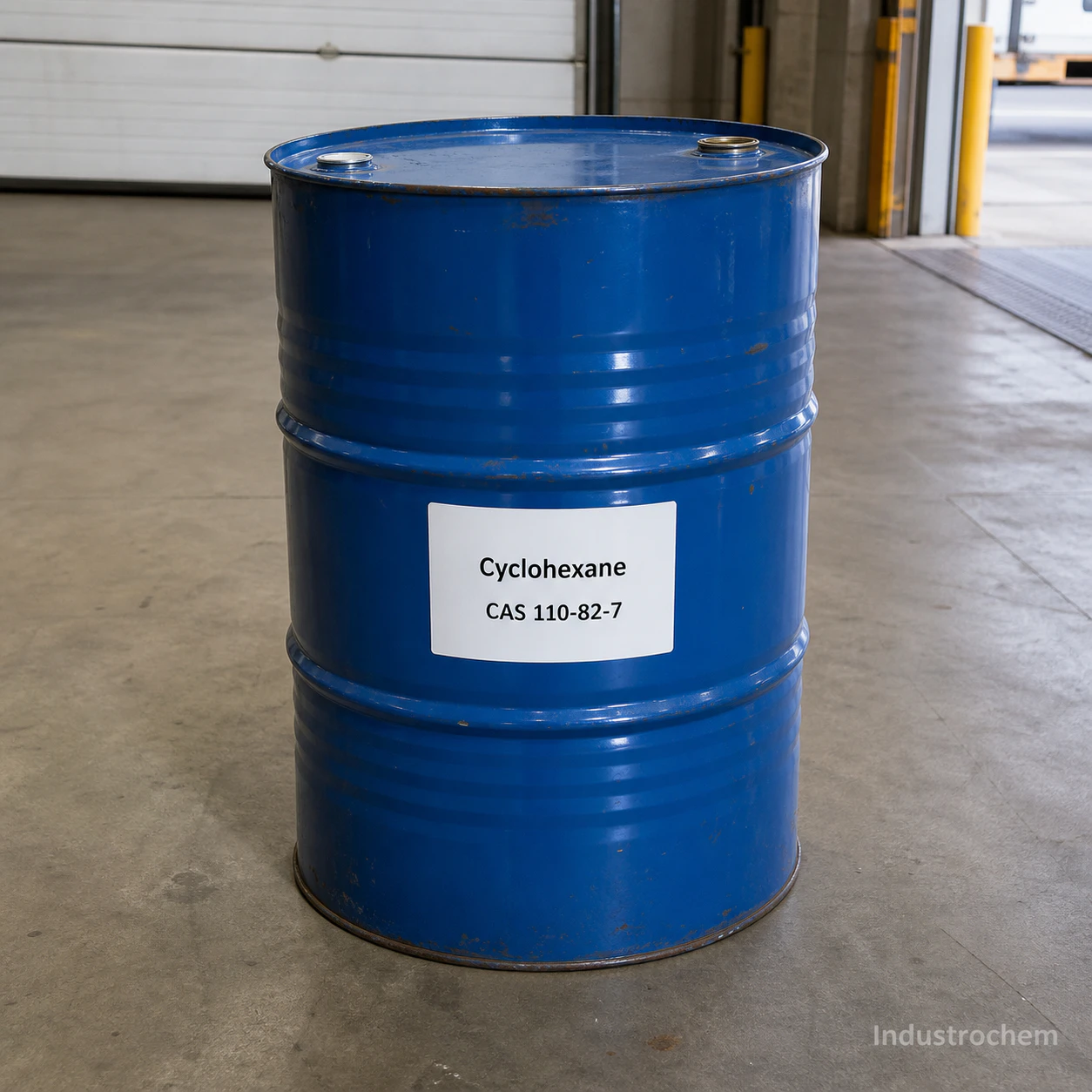
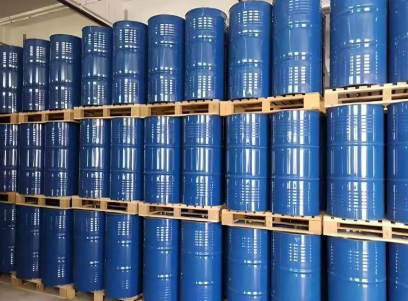
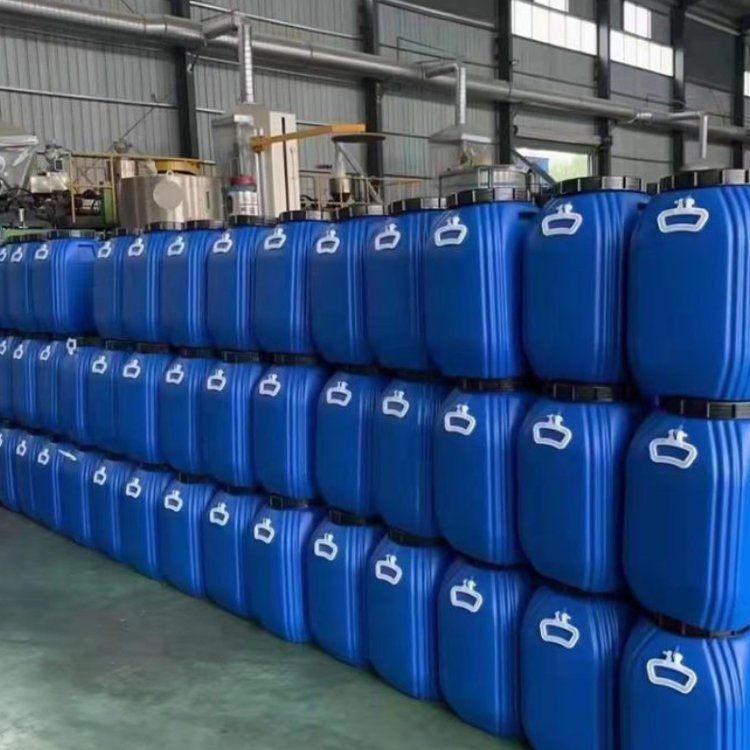
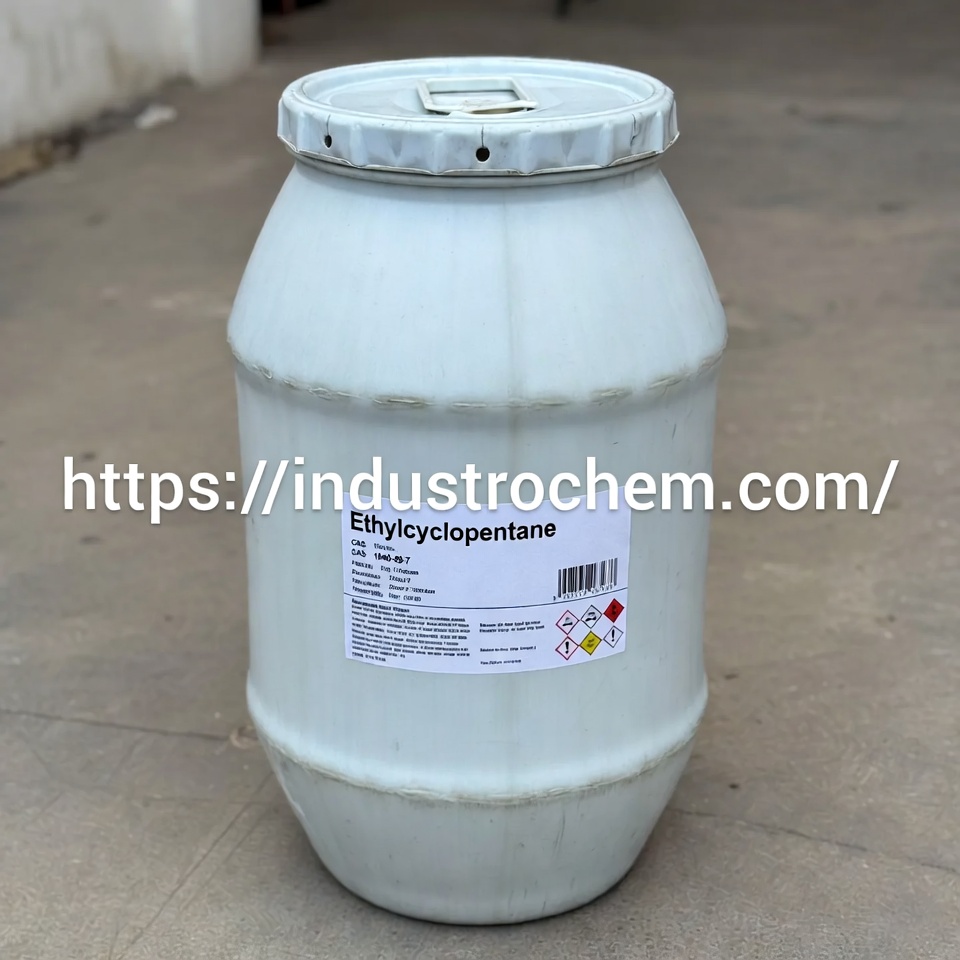
- Package: 200kg iron drum or 50kg plastic drum packing
Product Description
cyclopentane is a colorless, flowable flammable liquid with a benzene-like odor; insoluble in water, soluble in alcohol, ether, benzene, carbon tetrachloride and other organic solvents; Relative density (water=1) 0.75; The relative density (air=1) was 2.42, and the properties were stable. It is mainly used as a reference material for solvent and chromatographic analysis.
Cyclopentane Physical Properties:
CAS accession number: 287-92-3
Melting point: -94.14°C
Boiling point: 49.3°C
Flash point: -37°C
Vapor pressure: 45 (20°C).
Relative density (water=1): 0.75
Solubility: insoluble in water, soluble in most organic solvents such as ethanol and benzene
Critical temperature: 238.6
Critical pressure: 4.52
Cyclopentane use: used to replace Freon’s insulation materials for refrigerators, freezers and other hard PU foaming agents; It is used as a solvent for the polymerization of solutions such as polyisoprene rubber and cellulose ether, and as a foaming agent for Freon used in refrigerators, freezers and other hard PU foams, and chromatographic analysis reference materials. Replace Freon as a foaming agent for refrigerators, freezers and other hard PU foams.
FAQ - Technical & Supply Chain
-
Q:
Is CAS 287-92-3 the definitive registry number for Cyclopentane?
A: Yes, CAS 287-92-3 uniquely identifies the cyclic C5 hydrocarbon Cyclopentane, distinguishing it from linear n-pentane or isopentane isomers. -
Q:
Is this grade intended for use as a rigid foam blowing agent?
A: Yes, this material is typically applied as a physical blowing agent in the foaming process of rigid polyurethane for thermal insulation applications.
Documents and Product Support
For product review and sourcing evaluation, supporting documents can be coordinated according to the product type, inquiry stage, and order requirements.
- COA for batch-based quality reference
- TDS for key physical and chemical information
- SDS / MSDS for handling, storage, and safety reference
- Packing information for sample, trial, and bulk orders
- Technical communication based on application and specification requirements
Information to Confirm Before Quotation
Clear sourcing information helps reduce specification mismatch and allows a more accurate quotation before sample or bulk order discussion.
- Product name and CAS number
- Application or intended end use
- Required purity, grade, or specification
- Sample quantity, trial order, or bulk demand
- Preferred packing form or net weight
- Destination country or port
- Required documents or compliance expectations
Packaging, Storage, and Handling Notes
Packaging form, storage conditions, shelf life, and shipment arrangements should be confirmed according to the product characteristics, package size, and destination requirements.
Before order confirmation, buyers are advised to review the corresponding product documents and confirm whether any special storage, labeling, or handling requirements apply.
Sample, Bulk Order and Repeat Supply Support
Support can be arranged for sample discussion, bulk supply planning, packaging confirmation, and routine sourcing communication based on the actual product and order requirements.
For repeat-use formulations or long-term procurement plans, buyers may discuss specification consistency, packaging preferences, delivery expectations, and document coordination in advance.