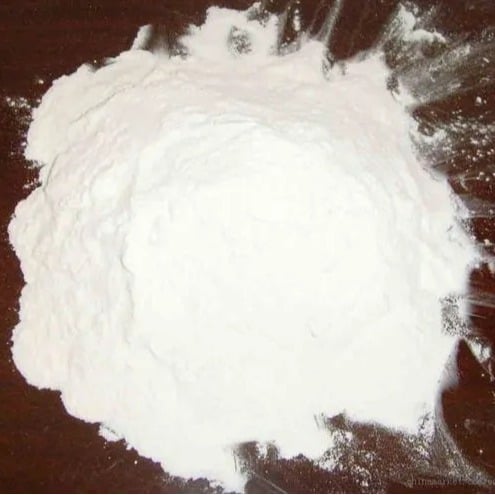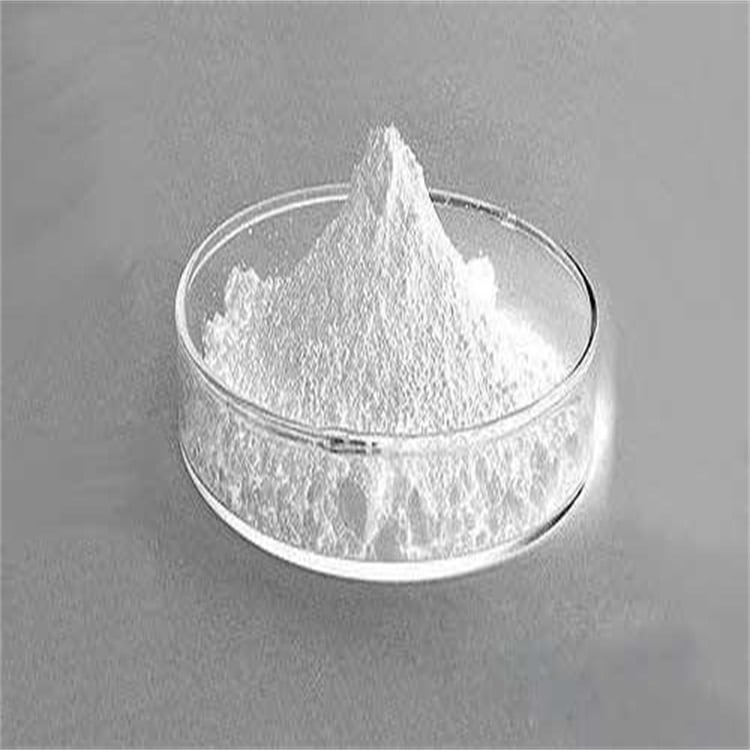










Glyceryl Oleate XPO-4, chemically identified under CAS No. 111-03-5 (Glyceryl Monooleate), is a versatile non-ionic surfactant and co-emulsifier derived from natural vegetable oils. The XPO-4 designation typically refers to a specialized industrial or cosmetic grade characterized by high purity and optimized performance characteristics. As a lipophilic agent with a low Hydrophilic-Lipophilic Balance (HLB ~3.5), it excels as a Water-in-Oil (W/O) emulsifier and pigment dispersant. In personal care, Glyceryl Oleate restores the skin's lipid barrier, providing a soft, conditioned feel in body washes and creams. In industrial applications, it serves as an excellent biodegradable friction modifier and lubricity additive for lubricants and metalworking fluids. We supply Glyceryl Oleate XPO-4 in bulk quantities, ensuring consistent quality with low acid values and excellent oxidative stability, supported by full TDS, MSDS, and COA documentation.
Glyceryl Oleate XPO-4 CAS 111-03-5
- CAS: 111-03-5
- Synonyms: Glyceryl Monooleate (GMO), Monoolein, Glycerol Monooleate, 2,3-dihydroxypropyl oleate, Oleic acid monoglyceride, Glyceryl ester of oleic acid.
- Einecs: 203-827-7
- Grade: Industrial grade 99%
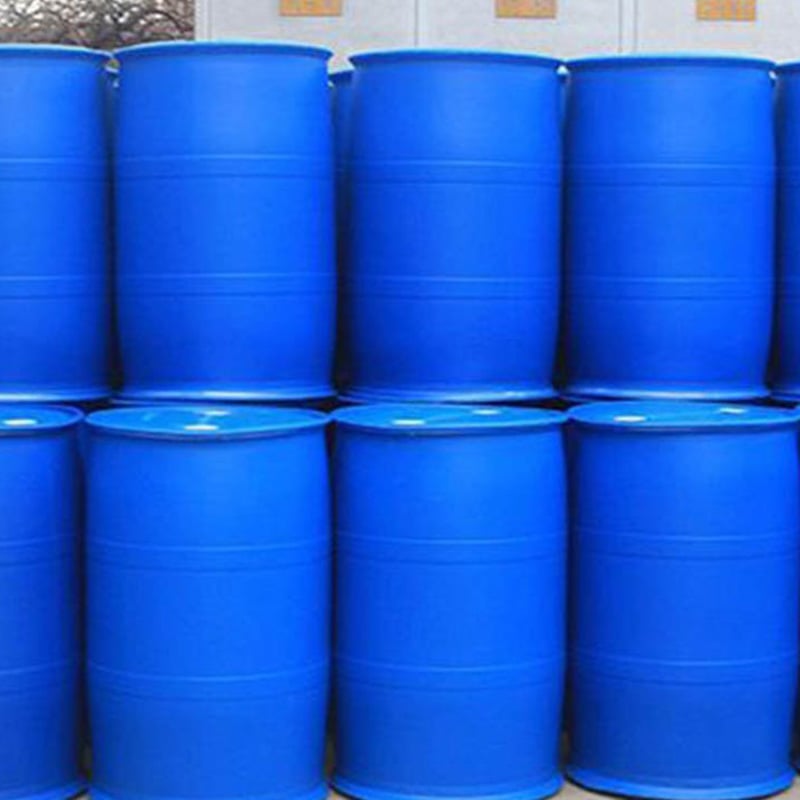
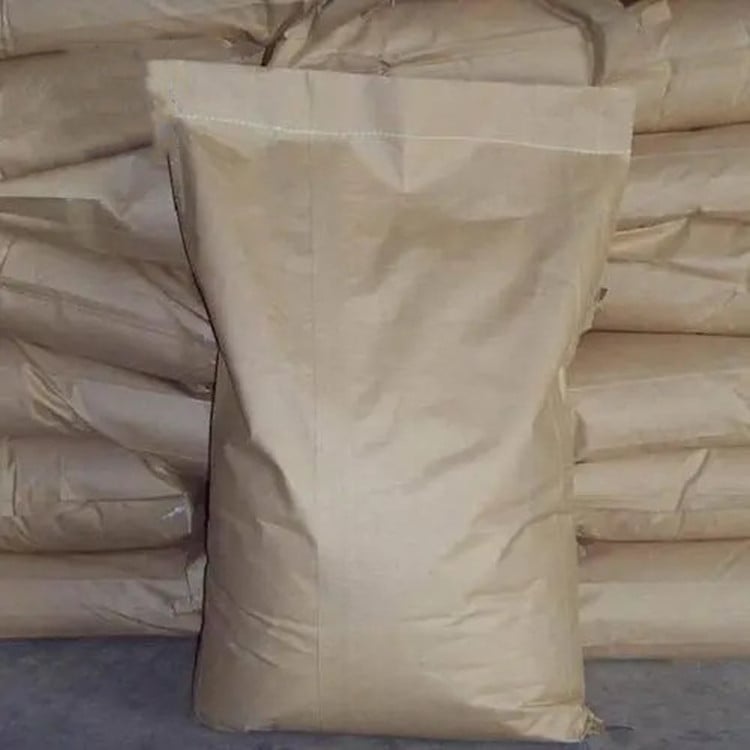
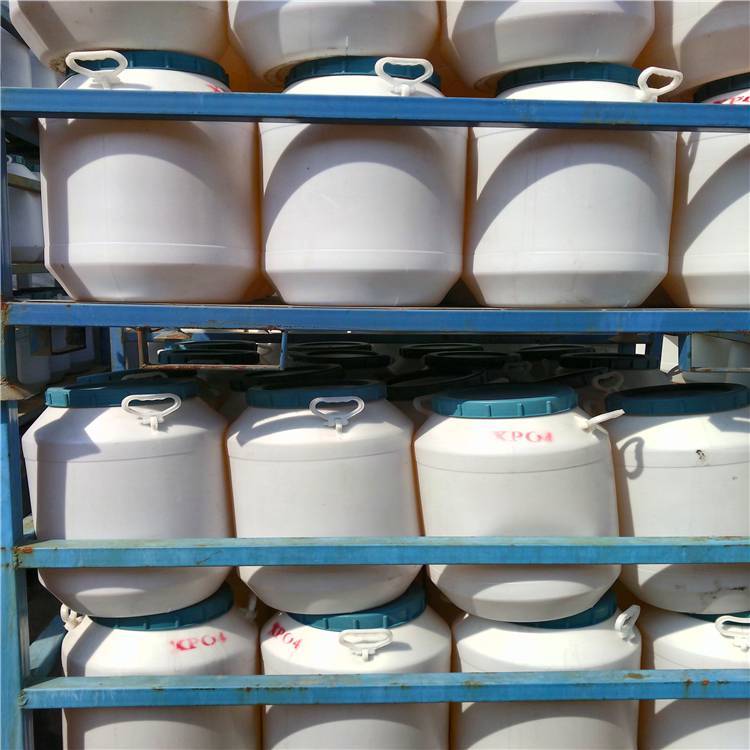
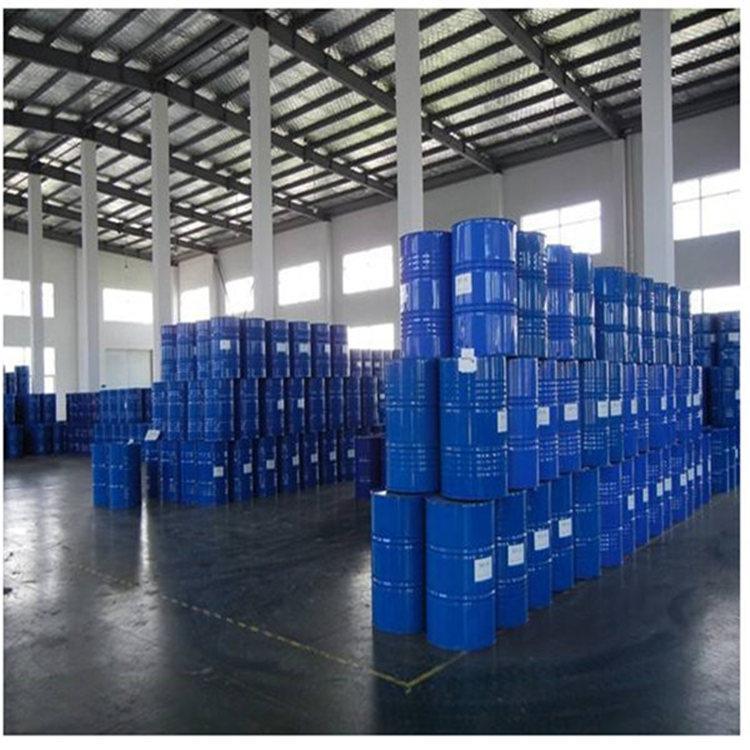
- Package: 200kg iron drum or 50kg plastic drum packaging
Product Description
Physicochemical properties
| Property | Description |
|---|---|
| English Name | Glycerol Ether Oleate XPO-4 (or Ethoxylated Glycerol Trioleate, depending on structure) |
| Chemical Composition | Glycerol esterified with oleic acid, possibly ethoxylated for enhanced water solubility |
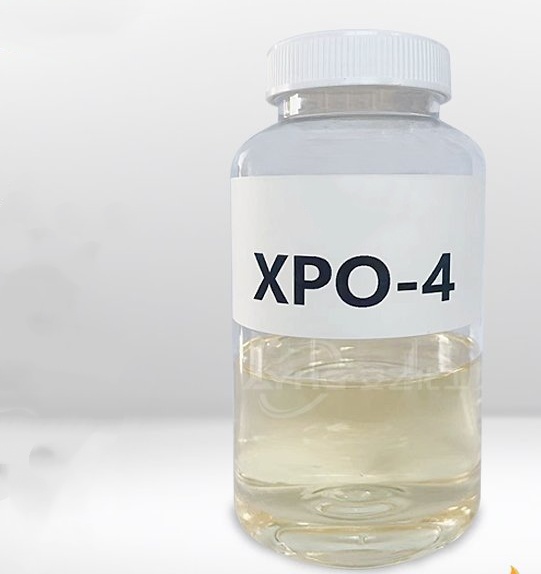
| Appearance (25°C) | Light yellow to brownish yellow oily liquid |
| Solubility | Easily dispersible in water; soluble in most organic solvents (e.g., ethanol, isopropanol) |
| Acid Value (mgKOH/g) | ≤10 |
| Saponification Value (mgKOH/g) | 90–105 |
| Thermal Stability | Resistant to high temperatures (suitable for high-temperature dyeing processes) |
| Chemical Stability | Stable under acidic conditions; resistant to hydrolysis |
| pH Adaptability | Compatible with a wide pH range (adaptable to different dyeing environments) |
Application Areas
- Textile dyeing (natural and synthetic fibers, especially high-temperature dyeing of polyester).
- Industrial cleaning (detergents, degreasers).
- Coatings/inks (pigment dispersant).
Storage conditions
Temperature: It is recommended to store in a cool, dry, and well ventilated environment, with a temperature controlled between 5-30 ° C to avoid high temperatures or freezing.
Container: Use sealed, corrosion-resistant containers (such as polyethylene or metal drums lined with anti-corrosion coatings) to prevent moisture absorption or oxidation.
Avoid direct sunlight: It is recommended to store in opaque containers or dark storage.
Isolation: Keep away from strong oxidants (such as peroxides, nitrates), strong acids, strong bases, and flammable substances.
Shelf life: usually 12-24 months (subject to manufacturer’s instructions). After prolonged storage, check for delamination, discoloration, or odor before use.
Safety precautions
Personal protection:
Eye/skin contact: Wear chemical goggles and chemical resistant gloves (such as nitrile rubber gloves).
Inhalation protection: In enclosed spaces or dusty environments, it is recommended to use dust masks (such as N95).
Operating environment: Ensure local ventilation and avoid long-term exposure.
Leakage handling:
Cover the leaked material with inert adsorbent materials (such as sand and diatomaceous earth), collect and dispose of it as chemical waste.
Do not rinse directly with water to prevent it from flowing into the sewer.
FAQ - Technical & Supply Chain
-
Q:
What is the main function of Glyceryl Oleate XPO-4 in cosmetics?
A: In cosmetics, it acts as a re-fatting agent (lipid layer enhancer) and emollient. It helps to soften the skin and hair, reduces the harshness of anionic surfactants in shampoos and shower gels, and stabilizes emulsions. -
Q:
Is CAS 111-03-5 suitable for industrial lubrication?
A: Yes, Glyceryl Oleate is a highly effective friction modifier. It adsorbs onto metal surfaces to form a lubricating film, reducing wear and friction. It is widely used in environmentally friendly hydraulic fluids and metalworking oils due to its biodegradability. -
Q:
What is the HLB value of Glyceryl Oleate XPO-4?
A: It typically has a low HLB value of approximately 3 to 4. This makes it oil-soluble and ideal for use as a Water-in-Oil (W/O) emulsifier or as a co-emulsifier in Oil-in-Water (O/W) systems to improve stability.
Documents and Product Support
For product review and sourcing evaluation, supporting documents can be coordinated according to the product type, inquiry stage, and order requirements.
- COA for batch-based quality reference
- TDS for key physical and chemical information
- SDS / MSDS for handling, storage, and safety reference
- Packing information for sample, trial, and bulk orders
- Technical communication based on application and specification requirements
Information to Confirm Before Quotation
Clear sourcing information helps reduce specification mismatch and allows a more accurate quotation before sample or bulk order discussion.
- Product name and CAS number
- Application or intended end use
- Required purity, grade, or specification
- Sample quantity, trial order, or bulk demand
- Preferred packing form or net weight
- Destination country or port
- Required documents or compliance expectations
Packaging, Storage, and Handling Notes
Packaging form, storage conditions, shelf life, and shipment arrangements should be confirmed according to the product characteristics, package size, and destination requirements.
Before order confirmation, buyers are advised to review the corresponding product documents and confirm whether any special storage, labeling, or handling requirements apply.
Sample, Bulk Order and Repeat Supply Support
Support can be arranged for sample discussion, bulk supply planning, packaging confirmation, and routine sourcing communication based on the actual product and order requirements.
For repeat-use formulations or long-term procurement plans, buyers may discuss specification consistency, packaging preferences, delivery expectations, and document coordination in advance.