









• Chloromethyl Pivalate CAS 18997-19-8
  • Chloromethyl Pivalate CAS 18997-19-8
  • Chloromethyl Pivalate CAS 18997-19-8

Chloromethyl Pivalate CAS 18997-19-8

Chloromethyl Pivalate, also known as pivaloyloxymethyl chloride or POM-Cl, is a high-purity organic ester utilized extensively as a functional pharmaceutical intermediate for prodrug synthesis. This colorless liquid chemical functions as a specialized acyloxyalkylating agent, facilitating the modification of active pharmaceutical ingredients to improve their oral bioavailability and metabolic stability through the formation of pivaloyloxymethyl esters. In the industrial manufacture of beta-lactam antibiotics and various antiviral therapeutic agents, it serves as a critical reagent for the protection of carboxylic acid groups or the functionalization of amine moieties within complex molecular frameworks. We provide this material with competitive factory pricing, supporting requirements for customized specifications regarding moisture content and acid value to meet stringent pharma-grade standards. All shipments are accompanied by comprehensive MSDS, TDS, COA documentation to ensure full regulatory traceability and are available for bulk supply via moisture-controlled logistics systems to support continuous large-scale pharmaceutical production.

  • CAS: 18997-19-8
  • Synonyms: Pivaloyloxymethyl chloride, POM-Cl, Chloromethyl 2,2-dimethylpropanoate, Pivalic acid chloromethyl ester, Chloromethyl trimethylacetate
  • Einecs: 242-735-1
  • Molecular Formula: C6H11ClO2
  • Grade: Industrial grade 99%
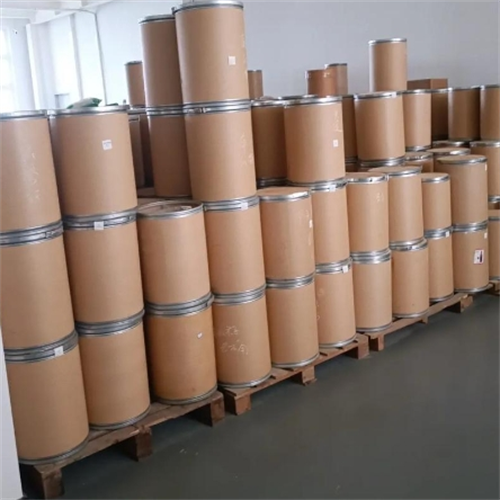
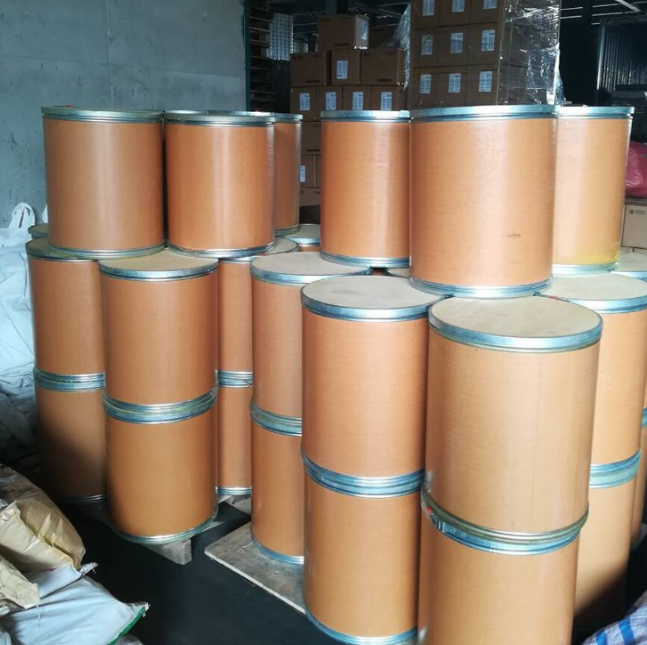
  • Package: 200kg iron drum or 50kg plastic drum packing
Request a quote
Share:

Product Description

Chloromethyl pivalate, also known as methyl chlorovale neovalerate and methyl tertvalerate, English aliases include Pivaloyloxymethyl chloride, POM-Cl, etc, is an organic compound with the chemical formula C6H11ClO2, CAS number 18997-19-8. This substance is mainly used as a pharmaceutical intermediate in the preparation of second-generation oral cephalosporin antibiotics (such as ceftazoesters and cefteteryls).

The compound is a colorless transparent liquid with a density of 1.045g/mL (25°C), a boiling point of 146-148°C, and the molecule contains chloromethyl and neovalerate groups. Its hazard code is Xn, which is irritating to the eyes, respiratory system and skin, and requires wearing protective gear and keeping away from fire. The purity of the product is usually ≥ 98.0% and the shipping classification is UN3272 dangerous goods

CAS Number: 18997-19-8

Molecular formula: C6H11ClO2

Linear molecular formula: (CH3)3CCOOCH2Cl

Molecular Weight: 150.60

Purity: ≥98.0%

MDL number: MFCD00000884

Beilstein: 1560838

EC number: 242-735-1

use:It is used as a pharmaceutical intermediate and is the second generation of oral administration Cephalosporin antibiotics Raw materials for cefta-esters and cefte-esters

Security terminology

S16Keep away from sources of ignition.

Keep away from fires.

S36/37/39Wear suitable protective clothing, gloves and eye/face protection.

Wear appropriate protective clothing, gloves, and goggles or masks.

S41In case of fire and / or explosion do not breathe fumes.

In the event of a fire or explosion, do not inhale smoke.

FAQ - Technical & Supply Chain

  • Q:

    How is the technical purity of Chloromethyl Pivalate ensured for pharmaceutical-grade synthesis?

    A: The material identity is strictly verified under CAS 18997-19-0, and the quality is monitored via gas chromatography to ensure low residual acidity and high assay values, which are essential for minimizing side reactions in sensitive drug coupling processes.
  • Q:

    Is Chloromethyl Pivalate suitable for use in the production of prodrug derivatives?

    A: Yes, this material is typically applied as a pivaloyloxymethyl (POM) donor in the chemical modification of phosphate or carboxylic acid groups, intended for professional industrial pharmaceutical manufacturing rather than general laboratory research.
Documents

Documents and Product Support

For product review and sourcing evaluation, supporting documents can be coordinated according to the product type, inquiry stage, and order requirements.

  • COA for batch-based quality reference
  • TDS for key physical and chemical information
  • SDS / MSDS for handling, storage, and safety reference
  • Packing information for sample, trial, and bulk orders
  • Technical communication based on application and specification requirements
Quotation

Information to Confirm Before Quotation

Clear sourcing information helps reduce specification mismatch and allows a more accurate quotation before sample or bulk order discussion.

  • Product name and CAS number
  • Application or intended end use
  • Required purity, grade, or specification
  • Sample quantity, trial order, or bulk demand
  • Preferred packing form or net weight
  • Destination country or port
  • Required documents or compliance expectations
Storage & Handling

Packaging, Storage, and Handling Notes

Packaging form, storage conditions, shelf life, and shipment arrangements should be confirmed according to the product characteristics, package size, and destination requirements.

Before order confirmation, buyers are advised to review the corresponding product documents and confirm whether any special storage, labeling, or handling requirements apply.

Supply Support

Sample, Bulk Order and Repeat Supply Support

Support can be arranged for sample discussion, bulk supply planning, packaging confirmation, and routine sourcing communication based on the actual product and order requirements.

For repeat-use formulations or long-term procurement plans, buyers may discuss specification consistency, packaging preferences, delivery expectations, and document coordination in advance.

Contact Form

Use our contact form to send us your questions, suggestions or comments. We will respond as soon as possible.