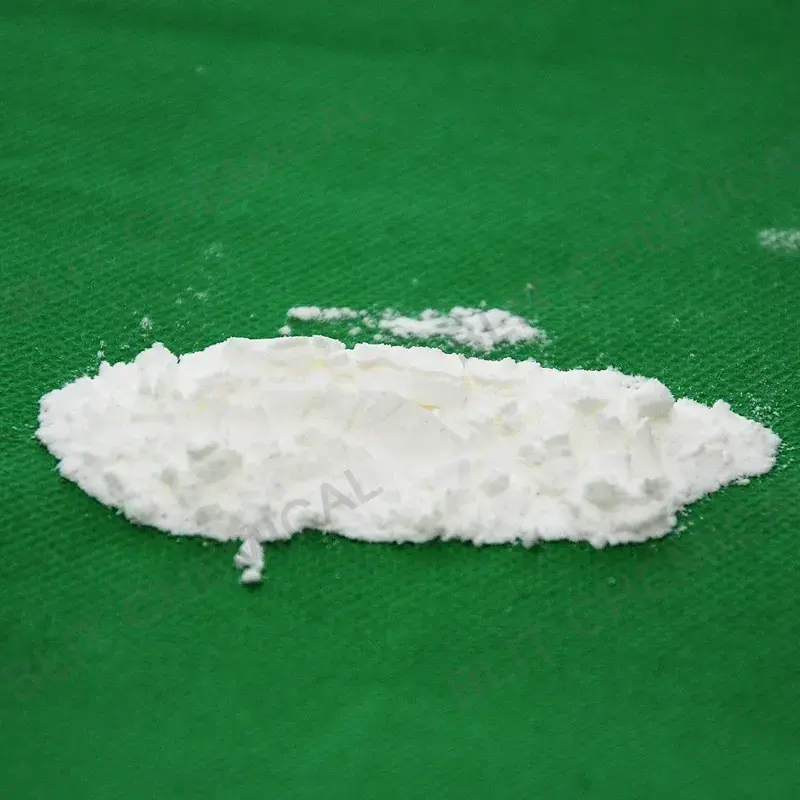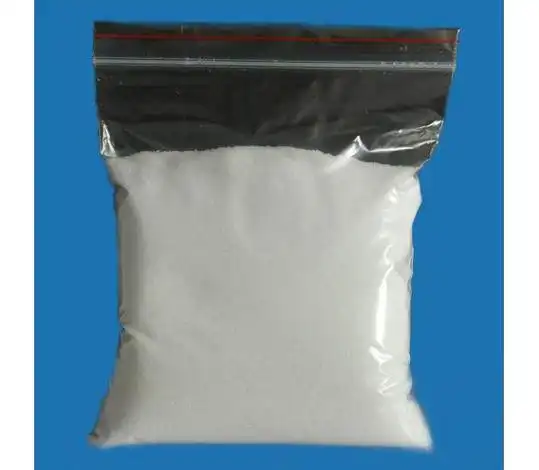










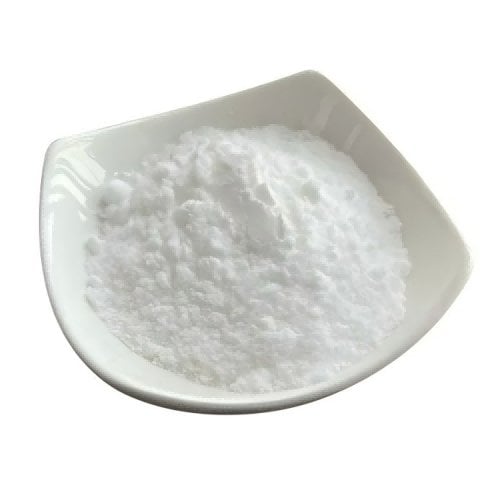
3-Chlorocyclopentene is a chlorinated cyclic olefin used as an organic intermediate in chemical synthesis. It is characterized by a cyclopentene ring bearing a chloro substituent, enabling participation in substitution, addition, or further functionalization reactions where controlled olefin and halogen reactivity is required. 3-Chlorocyclopentene (CAS 96-40-2) is typically applied in organic synthesis intermediate production, serving as a structural building block within multi-step industrial chemical processes.
For industrial manufacturing requirements, this material is provided with competitive factory pricing, customized specifications, complete technical documentation including MSDS, TDS, COA, and support for bulk supply operations.
3-Chlorocyclopentene CAS 96-40-2
- CAS: 96-40-2
- Synonyms: 3-Chlorocyclopentene, Cyclopent-2-enyl chloride, Chlorocyclopentene
- Einecs: 887-179-6
- Molecular Formula: C₅H₇Cl
- Grade: Industrial grade 99%
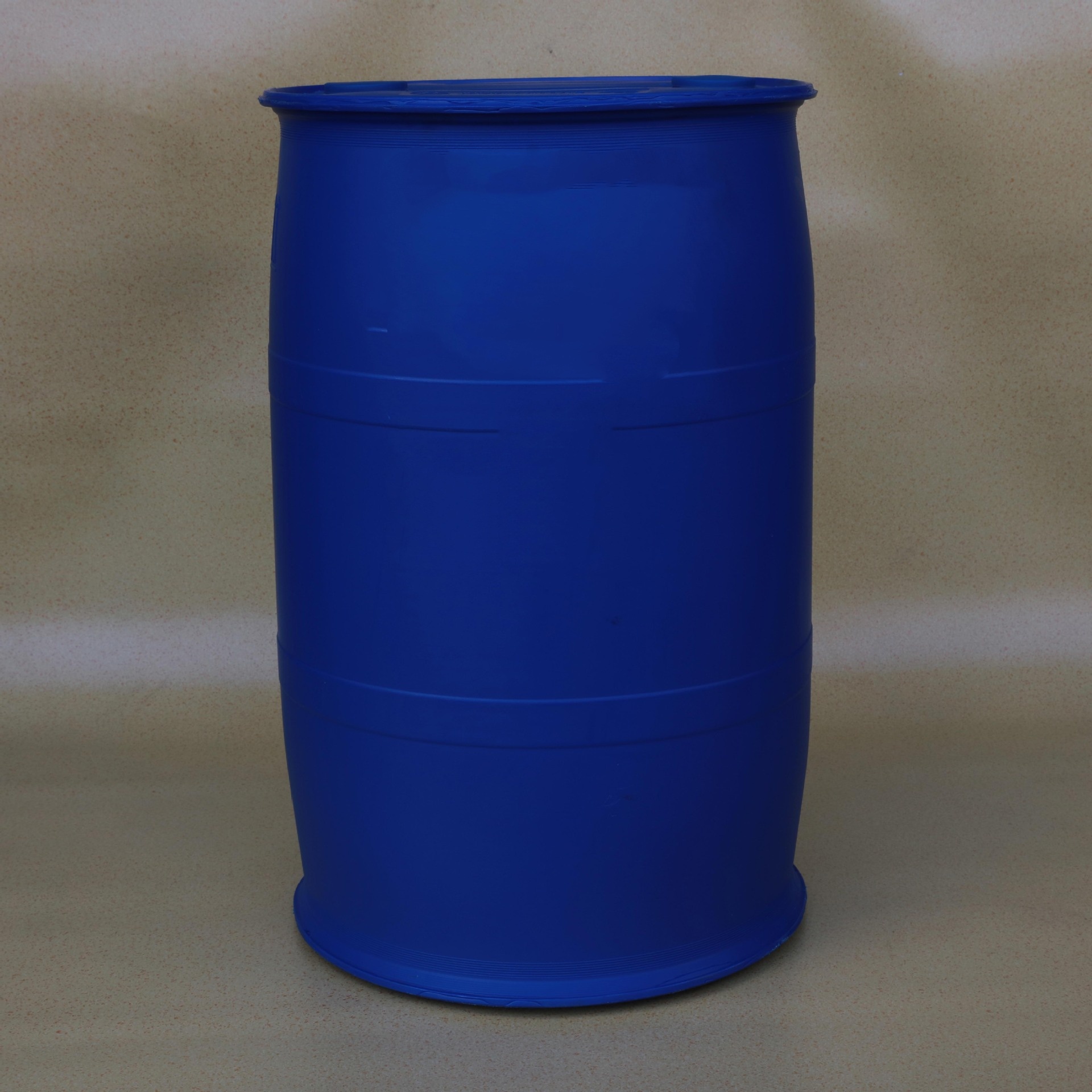
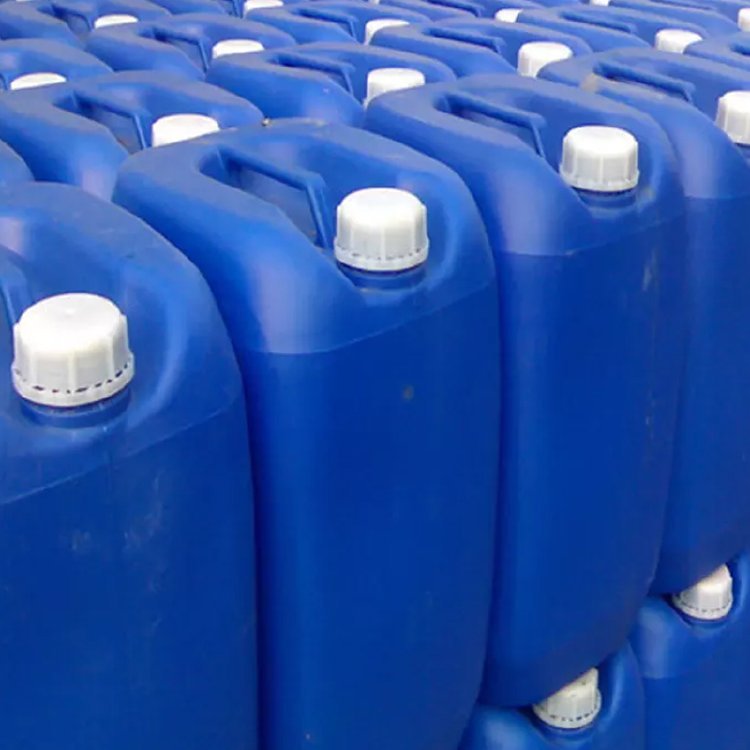
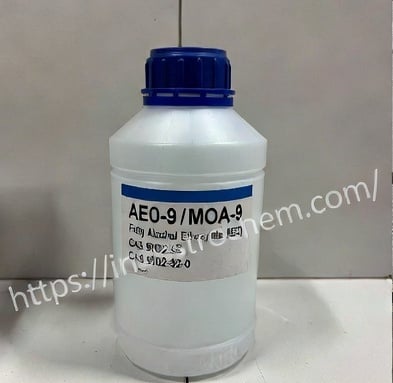
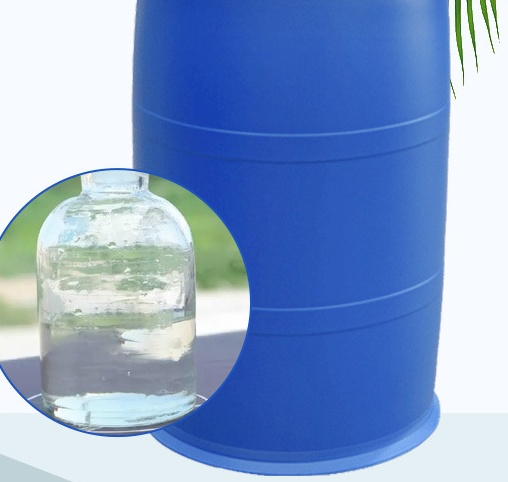
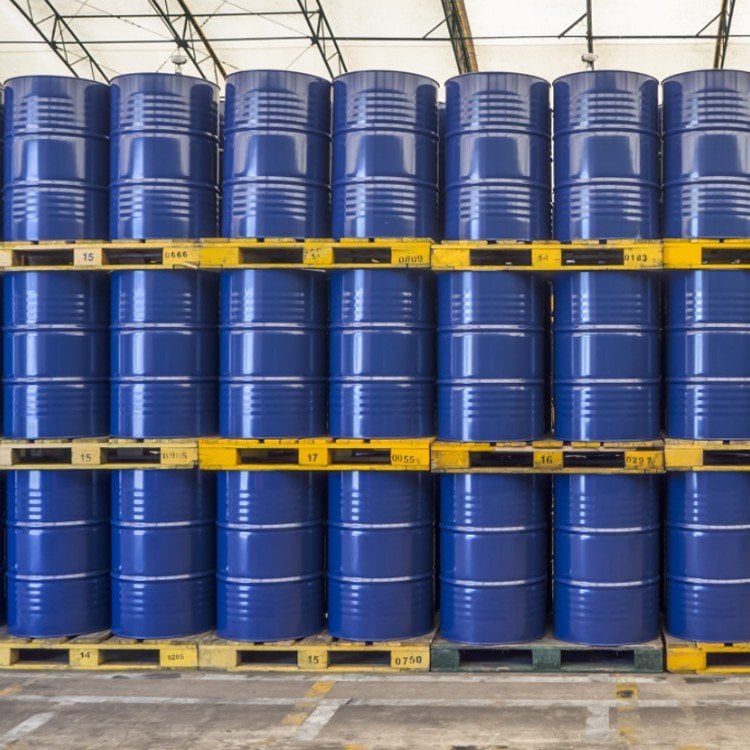
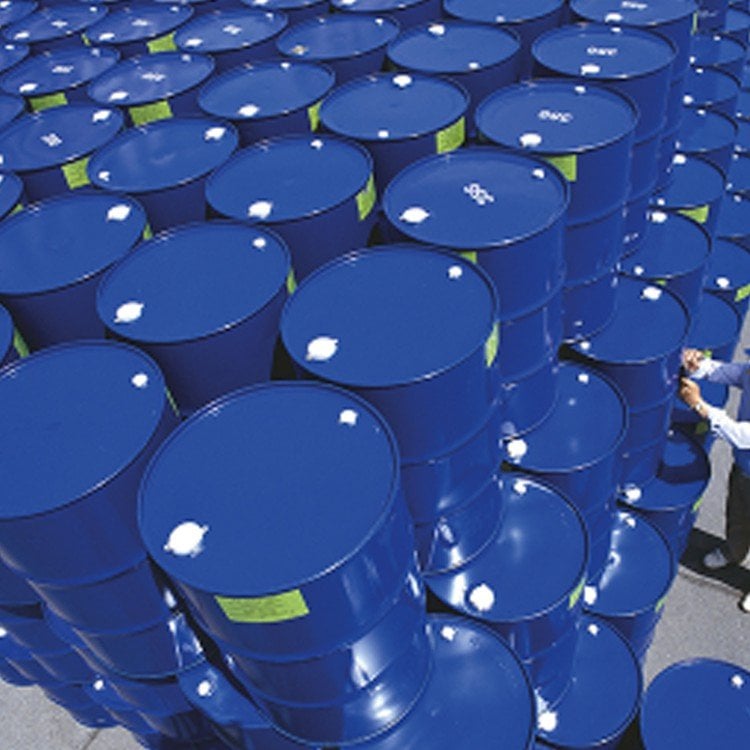
- Package: 200kg iron drum or 50kg plastic drum packaging
Product Description
Physicochemical properties
| Property | Value |
|---|---|
| IUPAC Name | Cyclopentene, 3-chloro- |
| Other Names | 3-Chlorocyclopentene; 3-Chloro-1-cyclopentene; 2-Cyclopentenyl chloride |
| CAS Number | 96-40-2 |
| EINECS Number | 2903890090 |
| Molecular Formula | C₅H₇Cl |
| Molecular Weight | 102.56 g/mol |
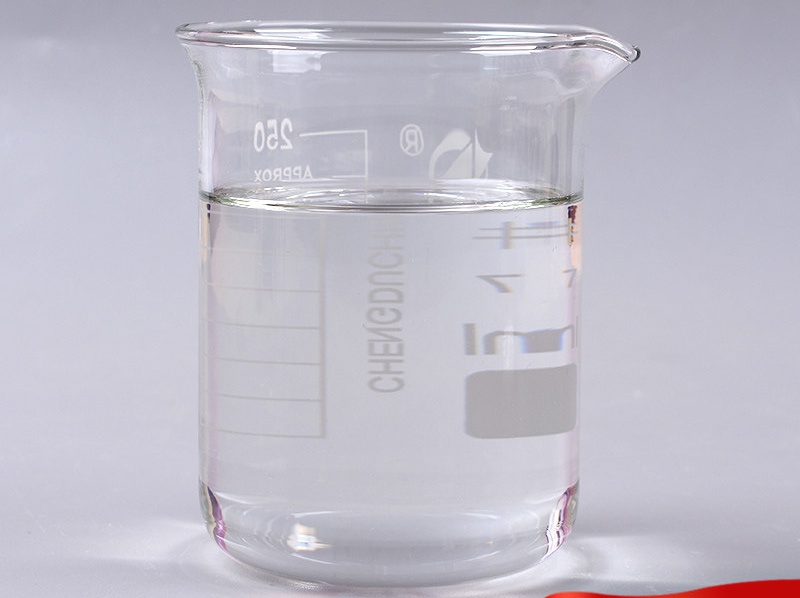
| Appearance | Colorless liquid |
| Density | 1.05 g/cm³ at 25 °C |
| Boiling Point | 120.7 °C at 760 mmHg |
| Melting Point | Not precisely reported (expected to be low, typical of chlorocyclopentenes) |
| Refractive Index | 1.483 (at 20 °C) |
| Flash Point | 8.7 °C |
| Solubility | Insoluble in water; soluble in organic solvents (e.g., ethanol, ether) |
| Vapor Pressure | Not specifically reported |
| Viscosity | Not specifically reported (expected to be low for a liquid) |
| Chemical Stability | Stable under normal conditions; incompatible with strong oxidizers and acids |
| Reactivity | The double bond can undergo electrophilic addition reactions; the chlorine atom is reactive and can participate in nucleophilic substitution reactions (e.g., ammonolysis to form 3-aminocyclopent-1-ene) |
| Safety Hazards | Flammable liquid (R10); Causes skin and eye irritation (R36/37/38); Harmful if swallowed (R22) |
Application Areas
Organic synthesis intermediates: mainly used for synthesizing organic compounds containing cyclopentene structures, such as drugs, pesticides, and fine chemicals.
Chemical research: used as a laboratory reagent to study the reaction mechanism of cyclic compounds
Storage conditions
Environment and packaging: Store in a cool, ventilated warehouse, keep the container sealed, and keep away from sources of fire and oxidants. It is recommended to use explosion-proof storage facilities to avoid static electricity accumulation.
Temperature control: Low temperature and dry environment, avoid high temperature or light exposure
Safety precautions
Health hazards:
Toxicity: May release toxic chloride smoke, which is irritating to the respiratory tract.
Explosion risk: Unstable at room temperature, may decompose and explode.
Protective measures:
Respiratory protection: Wear self-contained breathing apparatus in high concentration environments.
Skin/Eye Protection: Wear chemical resistant gloves, goggles, and protective clothing.
Leakage handling:
Minor leakage: Use inert materials to adsorb and avoid entering the sewer.
Large amount of leakage: dispose according to the specifications for hazardous chemicals, and use foam to cover to inhibit the vapor diffusion.
Fire extinguishing method:
Use water, carbon dioxide or foam to extinguish the fire and avoid direct impact on the leakage
FAQ - Technical & Supply Chain
-
Q:
Do the listed synonyms correspond to the same CAS number for 3-Chlorocyclopentene?
A: Yes. The listed names represent alternative nomenclature forms used to describe the same chemical substance corresponding to CAS 96-40-2. -
Q:
Is 3-Chlorocyclopentene intended for industrial intermediate use rather than end-use formulations?
A: It is commonly used as an intermediate in organic synthesis processes, where it participates in controlled reaction pathways within industrial production systems.
Documents and Product Support
For product review and sourcing evaluation, supporting documents can be coordinated according to the product type, inquiry stage, and order requirements.
- COA for batch-based quality reference
- TDS for key physical and chemical information
- SDS / MSDS for handling, storage, and safety reference
- Packing information for sample, trial, and bulk orders
- Technical communication based on application and specification requirements
Information to Confirm Before Quotation
Clear sourcing information helps reduce specification mismatch and allows a more accurate quotation before sample or bulk order discussion.
- Product name and CAS number
- Application or intended end use
- Required purity, grade, or specification
- Sample quantity, trial order, or bulk demand
- Preferred packing form or net weight
- Destination country or port
- Required documents or compliance expectations
Packaging, Storage, and Handling Notes
Packaging form, storage conditions, shelf life, and shipment arrangements should be confirmed according to the product characteristics, package size, and destination requirements.
Before order confirmation, buyers are advised to review the corresponding product documents and confirm whether any special storage, labeling, or handling requirements apply.
Sample, Bulk Order and Repeat Supply Support
Support can be arranged for sample discussion, bulk supply planning, packaging confirmation, and routine sourcing communication based on the actual product and order requirements.
For repeat-use formulations or long-term procurement plans, buyers may discuss specification consistency, packaging preferences, delivery expectations, and document coordination in advance.