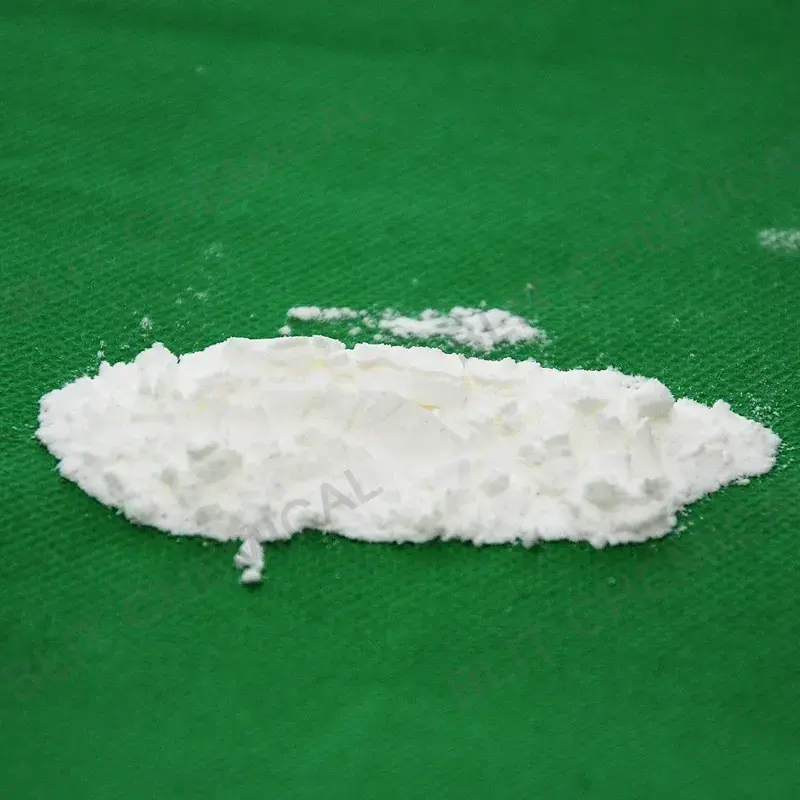










1,2-Dichlorobenzene (CAS 95-50-1), chemically identified as Orthodichlorobenzene or ODCB, is a chlorinated aromatic hydrocarbon characterized by its high solvent power and low flammability. Functioning as a high-boiling solvent and reaction medium, this colorless liquid is extensively employed in the dissolution of resins, waxes, and tars, and serves as a precursor in the synthesis of agrochemicals and dye intermediates. It is also utilized in heavy-duty degreasing formulations and industrial odor control systems. We provide this industrial material with competitive factory pricing to support continuous manufacturing operations, alongside options for customized specifications. Essential technical documentation, including MSDS, TDS, COA, is readily available for all bulk supply orders.
1,2-Dichlorobenzene CAS 95-50-1
- CAS: 95-50-1
- Synonyms: Orthodichlorobenzene, ODCB, o-Dichlorobenzene, 1,2-Dichlorobenzol, o-Phenylene dichloride
- Einecs: 202-425-9
- Molecular Formula: C6H4Cl2
- Grade: Industrial grade 99%
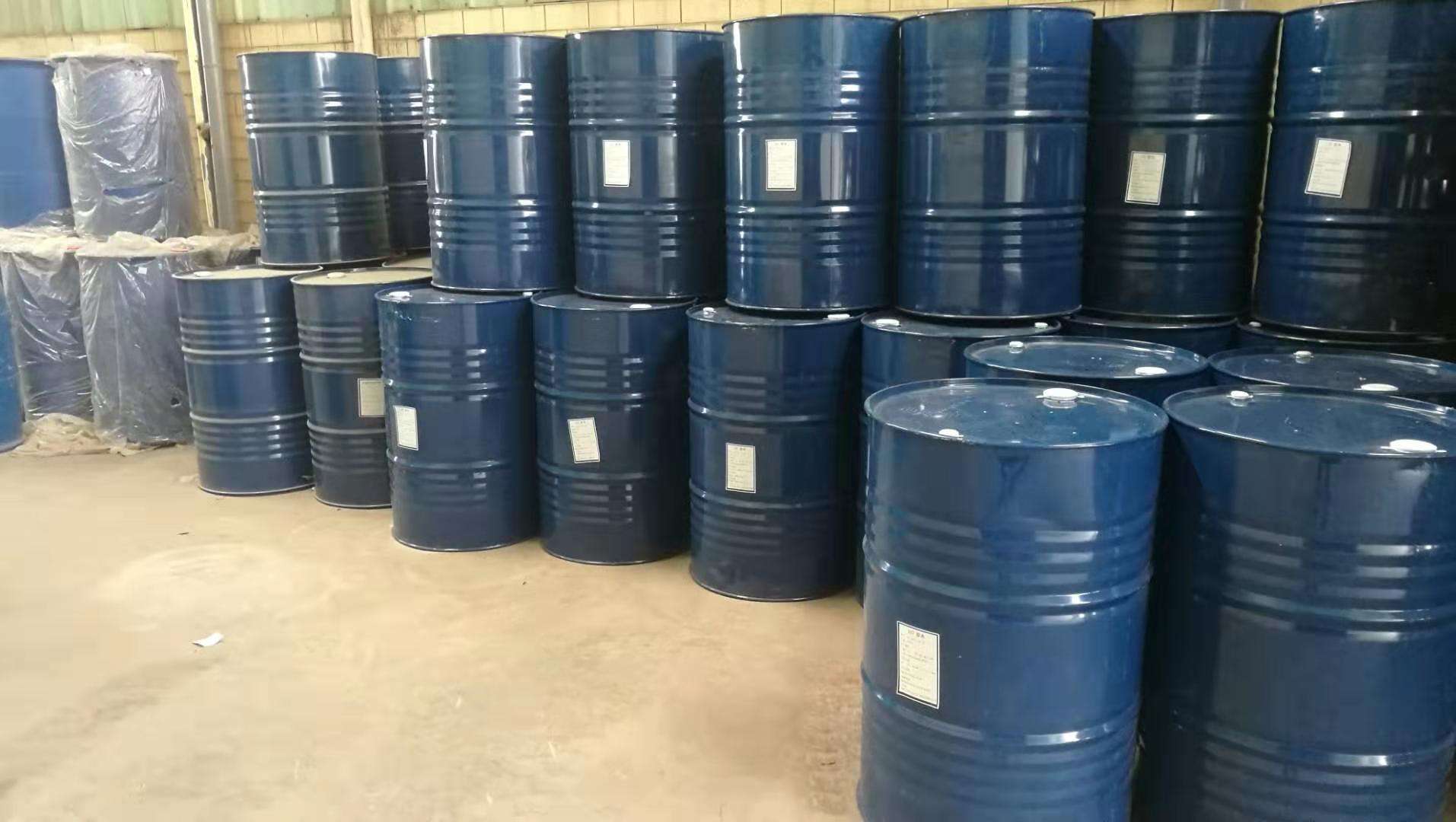
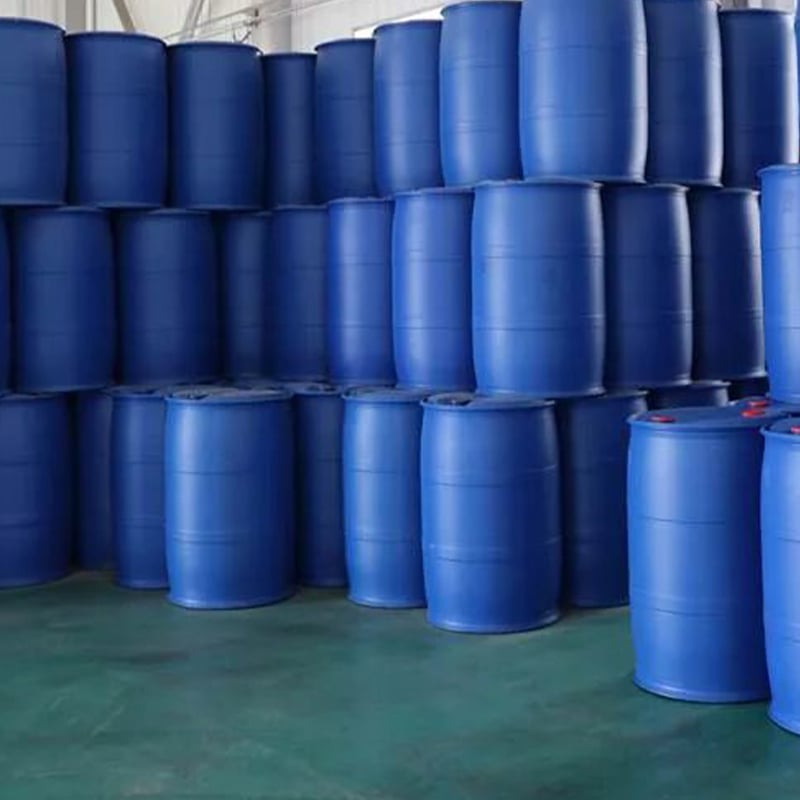
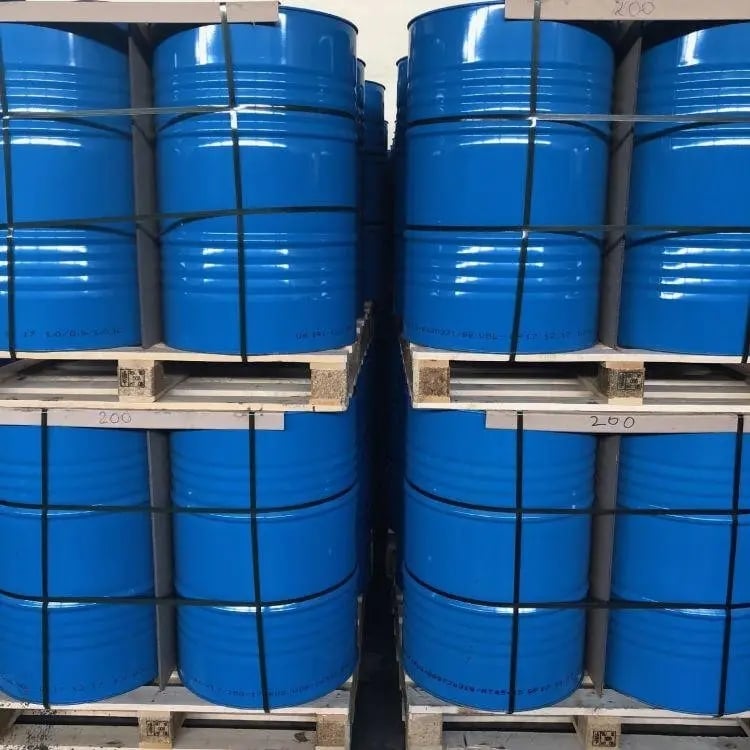
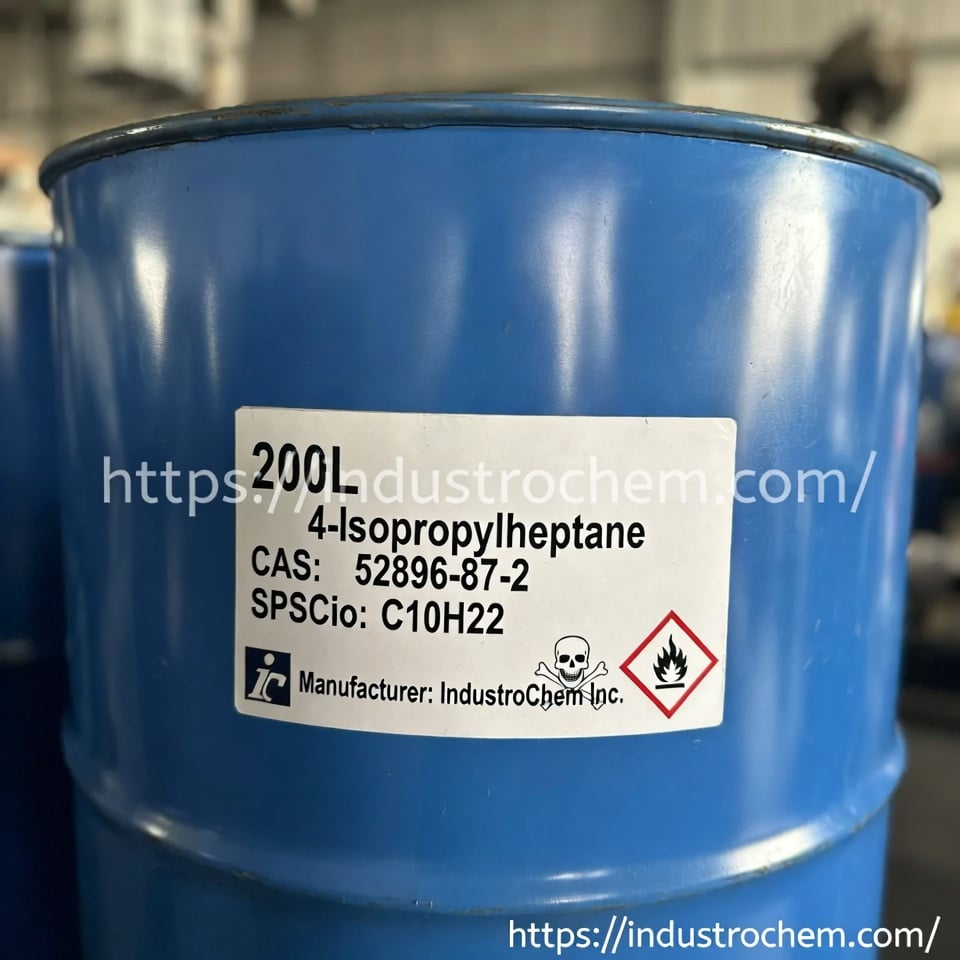
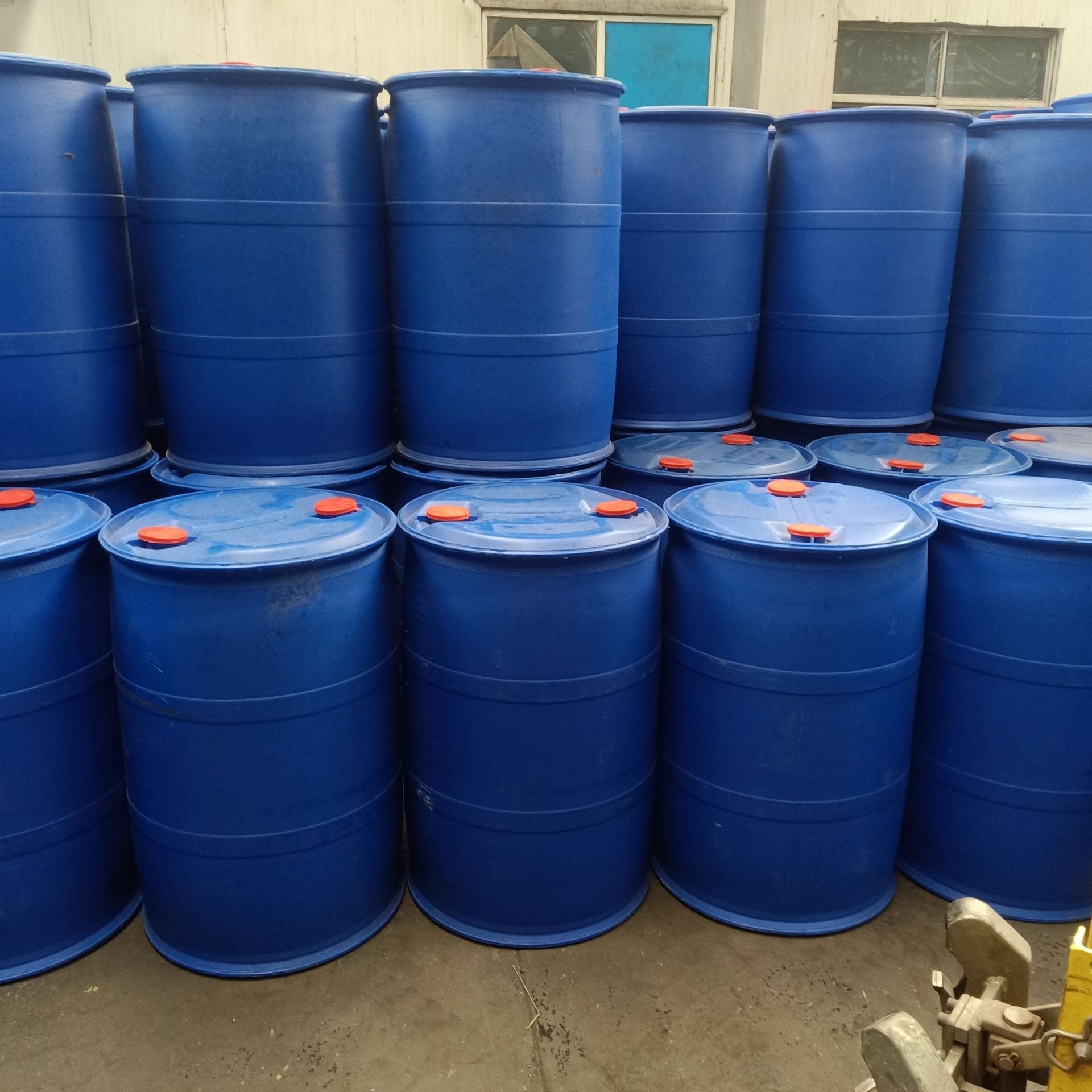
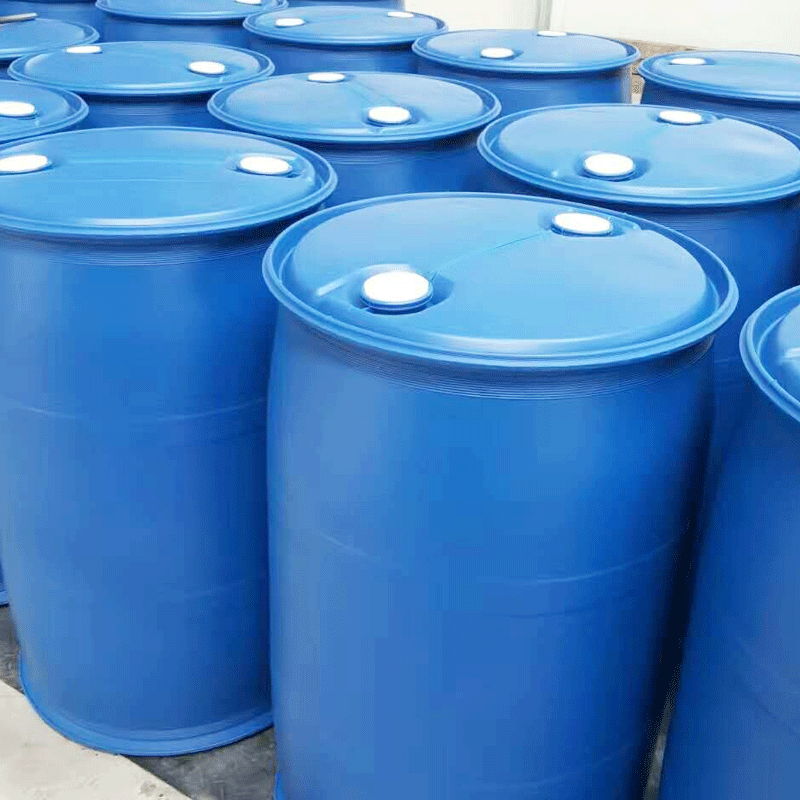
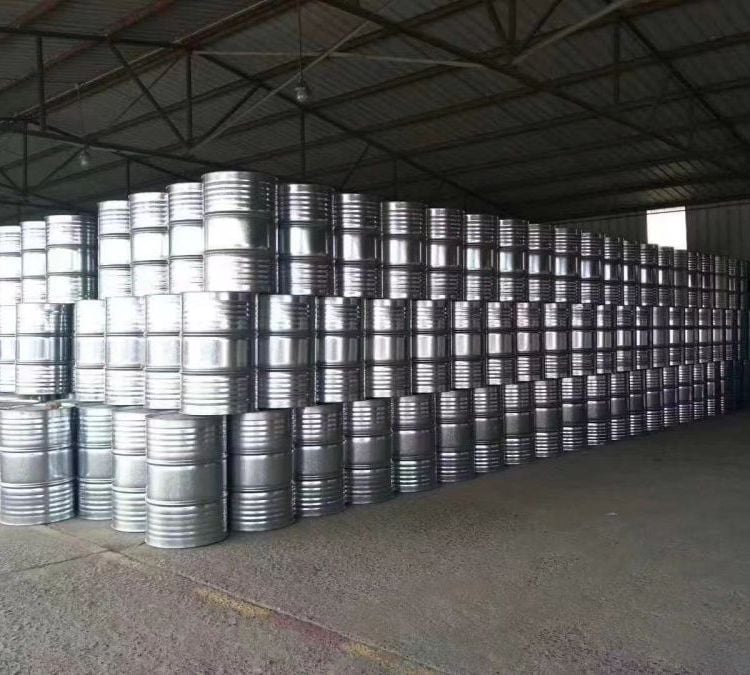
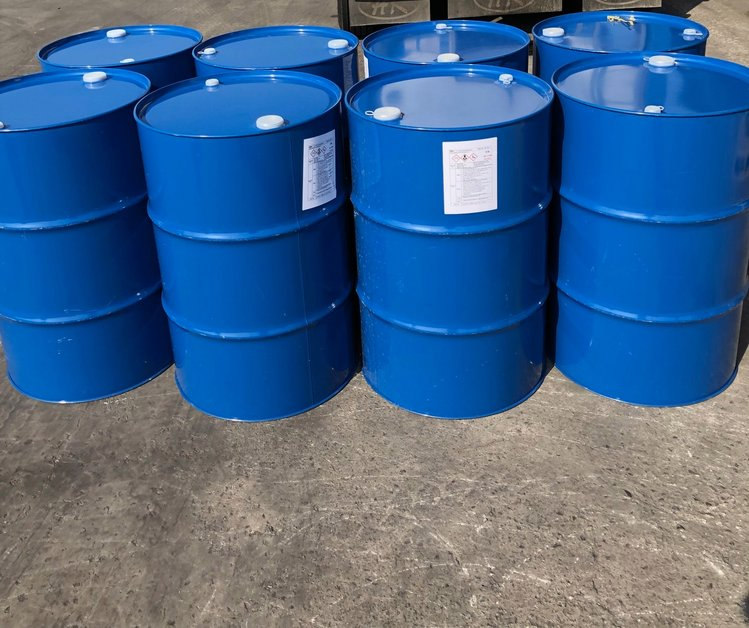
- Package: 200kg iron drum or 50kg plastic drum packing
Product Description
Synonyms: o-dichlorobenzene
Molecular formula: C6H4Cl2
Relative molecular weight: 147.00
Chemical category: organic matter – halogenated hydrocarbons
Regulation Type: Unregulated
Storage: Seal tightly
Melting point: -17.5°C
Relative density: 1.30
Flash point: 66°C
CAS Number: 95-50-1
Boiling point: 180.4°C
Appearance and properties: colorless volatile liquid, aromatic smell
O-dichlorobenzene uses:
1. It can be used as a solvent for wax, gum, resin, tar, rubber, oil and asphalt, etc., and the solvent o-dichlorobenzene is used in the production of dyes Shilin black and Shilin yellow palm, high-grade pigments, chlorhexidine, polyurethane raw material TDI.
2. This product can be used as an insecticide for termites, locusts, and perforators, for the production of trichloroinsect esters, throsteryl, and neoyanling, and can also be used for the synthesis of hydroquinone, fluorochloroaniline, 3,4-dichloroaniline and o-phenylenediamine.
3. As a rust inhibitor and degreaser, it can remove carbon and lead from engine parts, remove the coating on metal surfaces without corroding metal, and remove sulfur from lighting gas.
2. It can be used as a material component for metal polishing agents; It is also used in the dye industry to manufacture reduced blue CLB and reduced blue CLG. Polymer wet spinning solvent to reduce fiber heat shrinkage; epoxy diluents, coolants, heat exchange media; pharmaceutical long-acting sulfonamide, etc.
3. It has strong solubility, good permeability, and slow evaporation speed, so it is used as an additive for nitro spray paint, varnish and solvent for wax and tar. It is also used as a degreaser in the metal, leather, automobile, aircraft industries. A mixture with a small amount of high-grade alcohol is used as a rust inhibitor. Others are also used as intermediates and organic heat carriers in the manufacture of refrigerants, fumigants, preservatives, dyes, medicines, etc.
4. Used in organic synthesis, dye manufacturing, cleaning agents, solvents. It is also used in the formulation of pesticides, cleaning agents and solvents.
FAQ - Technical & Supply Chain
-
Q:
Is the chemical name Orthodichlorobenzene synonymous with CAS 95-50-1?
A: Yes, Orthodichlorobenzene (ODCB) is the common trade name for 1,2-Dichlorobenzene (CAS 95-50-1), referring to the ortho-isomer of the dichlorobenzene family. -
Q:
Is this solvent effective for removing heavy carbon deposits or resin buildup?
A: Yes, due to its aggressive solvency and high boiling point, it is typically intended for use in industrial decarbonizing formulations and resin stripping applications.
Documents and Product Support
For product review and sourcing evaluation, supporting documents can be coordinated according to the product type, inquiry stage, and order requirements.
- COA for batch-based quality reference
- TDS for key physical and chemical information
- SDS / MSDS for handling, storage, and safety reference
- Packing information for sample, trial, and bulk orders
- Technical communication based on application and specification requirements
Information to Confirm Before Quotation
Clear sourcing information helps reduce specification mismatch and allows a more accurate quotation before sample or bulk order discussion.
- Product name and CAS number
- Application or intended end use
- Required purity, grade, or specification
- Sample quantity, trial order, or bulk demand
- Preferred packing form or net weight
- Destination country or port
- Required documents or compliance expectations
Packaging, Storage, and Handling Notes
Packaging form, storage conditions, shelf life, and shipment arrangements should be confirmed according to the product characteristics, package size, and destination requirements.
Before order confirmation, buyers are advised to review the corresponding product documents and confirm whether any special storage, labeling, or handling requirements apply.
Sample, Bulk Order and Repeat Supply Support
Support can be arranged for sample discussion, bulk supply planning, packaging confirmation, and routine sourcing communication based on the actual product and order requirements.
For repeat-use formulations or long-term procurement plans, buyers may discuss specification consistency, packaging preferences, delivery expectations, and document coordination in advance.