









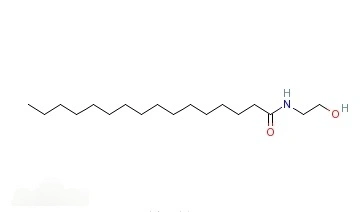
Palmitoylethanolamide CAS 544-31-0 is a saturated endogenous fatty acid amide categorized as a lipid signaling molecule and N-palmitoylethanolamine, functioning primarily as a stabilizing agent in specialized chemical matrices and a physiological lipid intermediate within industrial bioactive formulations. This compound, also recognized as Palmidrol or Hydroxyethylpalmitamide, is utilized in controlled chemical synthesis and the production of advanced lipid-based systems to modulate formulation consistency and structural integrity. We provide professional access to this material with competitive factory pricing and the ability to meet customized specifications for various manufacturing requirements. Our commitment to technical transparency ensures that every shipment is accompanied by comprehensive MSDS, TDS, COA documentation to support your quality assurance protocols, and we maintain capacity for consistent bulk supply to facilitate large-scale industrial operations.
Palmitoylethanolamide CAS 544-31-0
- CAS: 544-31-0
- Synonyms: Palmidrol, N-Palmitoylethanolamine, N-(2-Hydroxyethyl)palmitamide, Hydroxyethylpalmitamide, Palmitoyl Monoethanolamide
- Einecs: 208-867-9
- Molecular Formula: C18H37NO2
- Grade: Dietary Supplement Grade / Pharmaceutical Intermediate / Food Grade
- Package: 1kg/Alu-bag, 25kg/Fiber Drum.
Product Description
Palmitoylethanolamide (PEA) is a lipid mediator that belongs to the N-acylethanolamine family. It acts primarily by binding to the peroxisome proliferator-activated receptor alpha (PPAR-α) in the cell nucleus, which plays a key role in regulating pain and inflammation.
Why is our PEA popular?
- Natural Mechanism: It mimics the body’s own defense mechanism against inflammation. It is naturally found in foods like egg yolks, peanuts, and soy lecithin, but only in trace amounts, making supplementation necessary.
- Micronization Technology: Since PEA is a lipid and naturally hard to absorb, we offer micronized options (particle size D90 < 10-20μm) to drastically improve dissolution and absorption rates in the human body.
- Safety Profile: It is often marketed as a safe, non-addictive alternative to CBD or NSAIDs for chronic pain relief.
Physicochemical Properties
The table below represents the typical Certificate of Analysis (COA) for our Export Grade PEA (99%+).
| Parameter | Specification (Standard) |
|---|---|
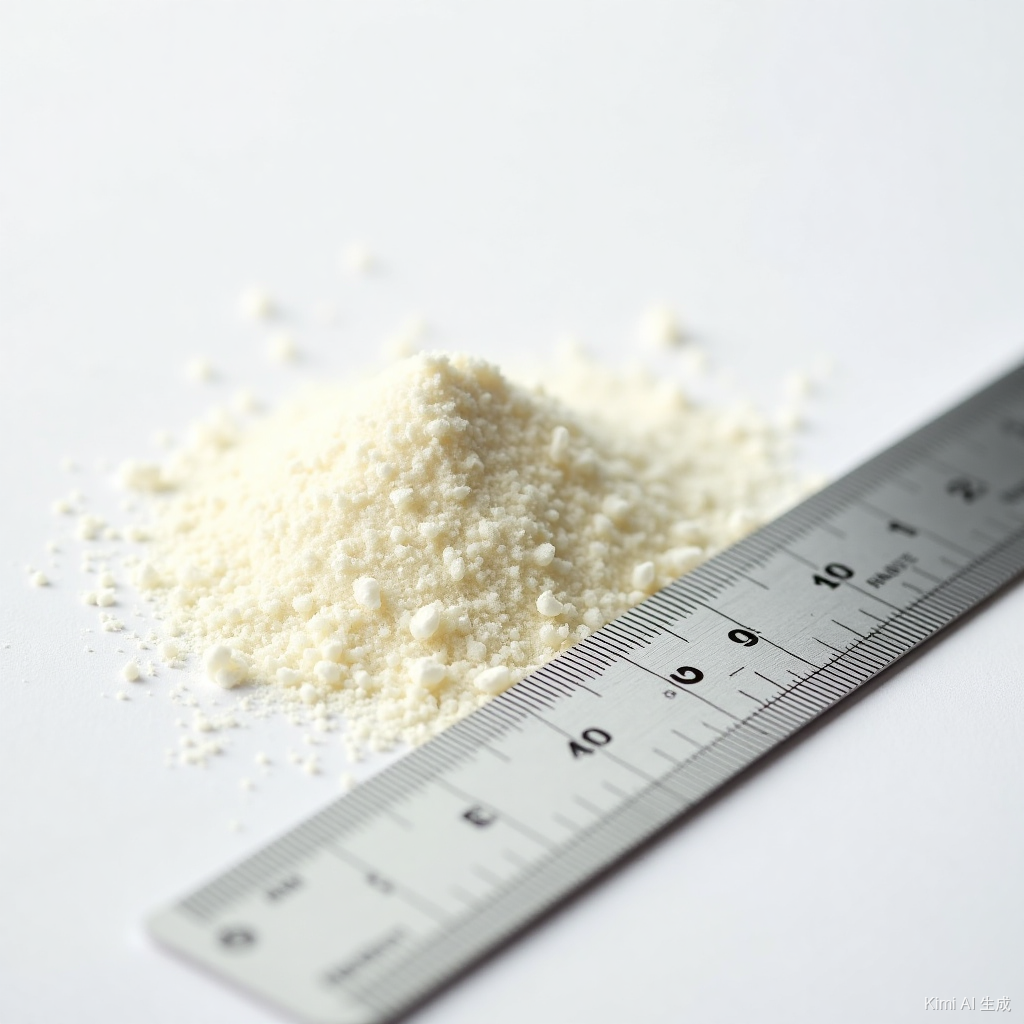
| Appearance | White to off-white crystalline powder/flakes |
| Identification | Consistent with IR / HPLC |
| Assay (on dried basis) | ≥ 99.0% |
| Melting Point | 97.0°C – 99.0°C |
| Loss on Drying | ≤ 1.0% (Typically <0.5%) |
| Residue on Ignition | ≤ 0.1% |
| Particle Size | 100% pass 80 mesh (Standard) OR D90 ≤ 20μm (Micronized) |
| Heavy Metals | ≤ 10 ppm |
| Lead (Pb) | ≤ 3.0 ppm |
| Arsenic (As) | ≤ 1.0 ppm |
| Solvent Residue (Ethanol) | ≤ 5000 ppm (Complies with USP) |
| Microbiological | Total Plate Count < 1000 cfu/g |
Applications
- Dietary Supplements (Human Health):
- Pain Management: Used in formulations for chronic pain, sciatic pain, and neuropathic pain.
- Joint Health: Often combined with Glucosamine or Chondroitin for arthritis support.
- Immune Support: PEA has been shown to have anti-inflammatory properties that support immune health (often used during flu season).
- Animal Nutrition (Pet Health):
- Extremely popular in the pet industry for dogs and cats suffering from atopic dermatitis (skin allergies) and osteoarthritis.
- Sports Nutrition:
- Used for post-workout recovery to reduce muscle inflammation.
Storage Conditions
- Temperature: Store in a cool place, preferably below 25°C. Avoid high temperatures as it is a fatty acid derivative and can melt or degrade.
- Environment: Keep container tightly closed in a dry and well-ventilated place.
- Light: Protect from direct sunlight.
- Shelf Life: 24 months (2 years) when stored properly in original unopened packaging.
Safety Precautions
- General: PEA is considered a safe dietary ingredient with a very low toxicity profile. It is non-psychoactive.
- Handling: As with any fine chemical powder, wear a dust mask and protective gloves during handling to avoid dust inhalation or skin contact.
- Dust Hazard: Fine powder can form explosive dust-air mixtures. Prevent dust accumulation and keep away from open flames or sparks.
- First Aid:
- Eye Contact: Rinse with plenty of water.
- Skin: Wash with soap and water.
FAQ - Technical & Supply Chain
-
Q:
How is Palmitoylethanolamide (CAS 544-31-0) identified within industrial supply chains to ensure material consistency?
A: Palmitoylethanolamide is identified as an N-acylethanolamine derived from palmitic acid. In industrial procurement, it is verified through its specific CAS 544-31-0 registry and a C18 chain structure, distinguishing it from shorter-chain ethanolamides or ester-linked fatty acid derivatives used in unrelated surfactant applications. -
Q:
What is the primary role of Palmitoylethanolamide when incorporated into industrial lipid formulations?
A: In technical formulations, this material is typically applied as a structural lipid component. It is intended for use in specialized chemical systems where it acts as a bioactive intermediate or a stabilizing fatty acid amide, contributing to the overall chemical profile and phase stability of the final industrial preparation.
Documents and Product Support
For product review and sourcing evaluation, supporting documents can be coordinated according to the product type, inquiry stage, and order requirements.
- COA for batch-based quality reference
- TDS for key physical and chemical information
- SDS / MSDS for handling, storage, and safety reference
- Packing information for sample, trial, and bulk orders
- Technical communication based on application and specification requirements
Information to Confirm Before Quotation
Clear sourcing information helps reduce specification mismatch and allows a more accurate quotation before sample or bulk order discussion.
- Product name and CAS number
- Application or intended end use
- Required purity, grade, or specification
- Sample quantity, trial order, or bulk demand
- Preferred packing form or net weight
- Destination country or port
- Required documents or compliance expectations
Packaging, Storage, and Handling Notes
Packaging form, storage conditions, shelf life, and shipment arrangements should be confirmed according to the product characteristics, package size, and destination requirements.
Before order confirmation, buyers are advised to review the corresponding product documents and confirm whether any special storage, labeling, or handling requirements apply.
Sample, Bulk Order and Repeat Supply Support
Support can be arranged for sample discussion, bulk supply planning, packaging confirmation, and routine sourcing communication based on the actual product and order requirements.
For repeat-use formulations or long-term procurement plans, buyers may discuss specification consistency, packaging preferences, delivery expectations, and document coordination in advance.