









Chemical products
  • N-acylsphingosine CAS 179186-46-0

N-acylsphingosine CAS 179186-46-0

N-acylsphingosine, identified by CAS 179186-46-0, is a foundational sphingolipid consisting of a long-chain amino alcohol backbone acylated with a fatty acid, functioning as a primary structural component of the intercellular lipid lamellae in various Cosmetic Raw Materials applications. In industrial synthesis and chemical processing, this Ceramide EOP serves as a critical lipid-replenishing agent, utilizing its molecular polarity and hydrophobicity to facilitate the organization of liquid crystalline structures within complex emulsion systems. As a refined Ceramide EOP, it acts through an interfacial mechanism to modulate viscosity and phase stability in non-aqueous and surfactant-based industrial matrices. This N-acyl-D-erythro-sphingosine is available with competitive factory pricing and customized specifications to meet diverse manufacturing requirements. We provide comprehensive technical documentation including MSDS, TDS, COA for every batch to ensure regulatory compliance and facilitate bulk supply for large-scale production.

  • CAS: 179186-46-0
  • Synonyms: Ceramide 1, Ceramide EOP, Ceramide I, N-acyl-D-erythro-sphingosine, Skin-identical lipid
  • Einecs: 605-857-4
  • Molecular Formula: C63H125NO6
  • Grade: Cosmetic / Industrial Grade
  • Package: 1kg / aluminum foil bag, 25kg / drum
Request a quote
Share:

Product Description

Technical Data

PropertySpecification
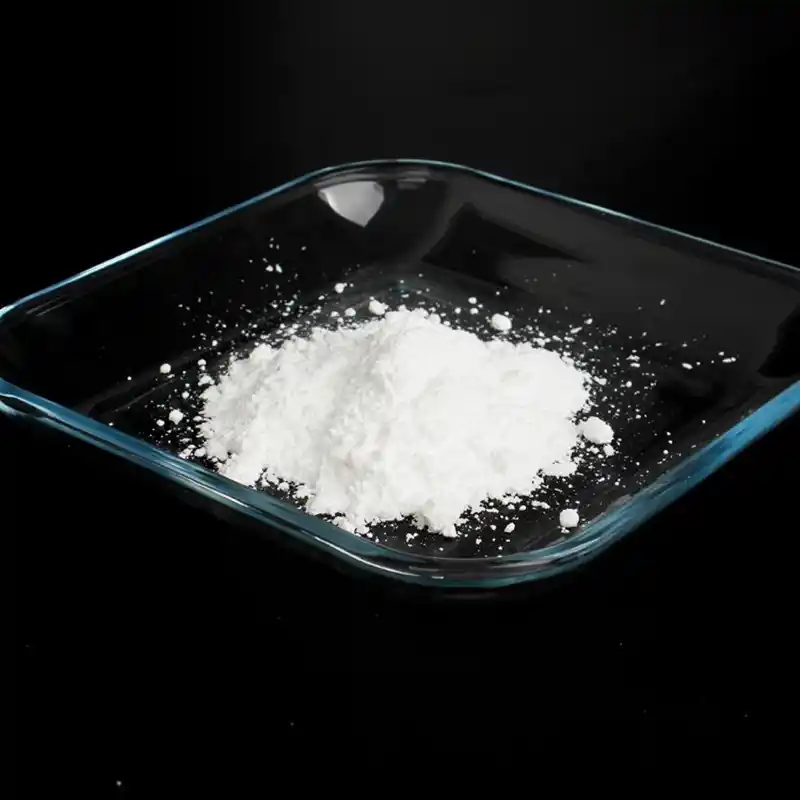
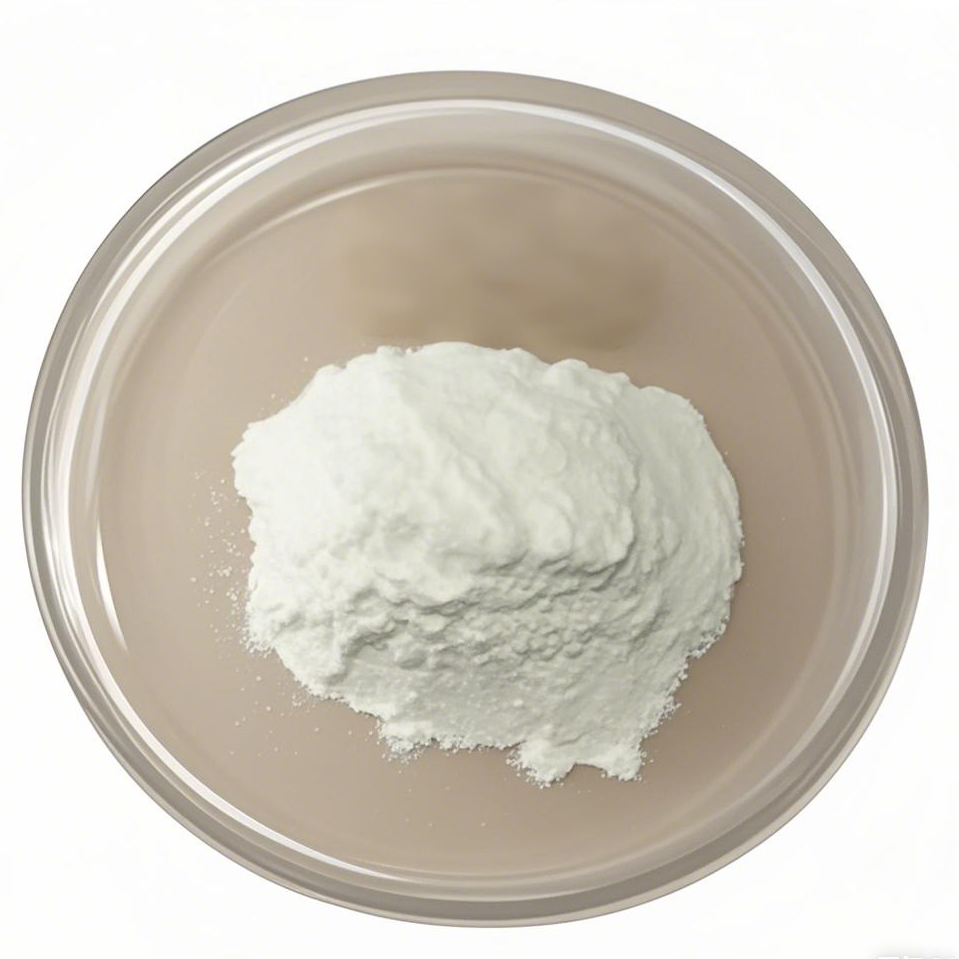
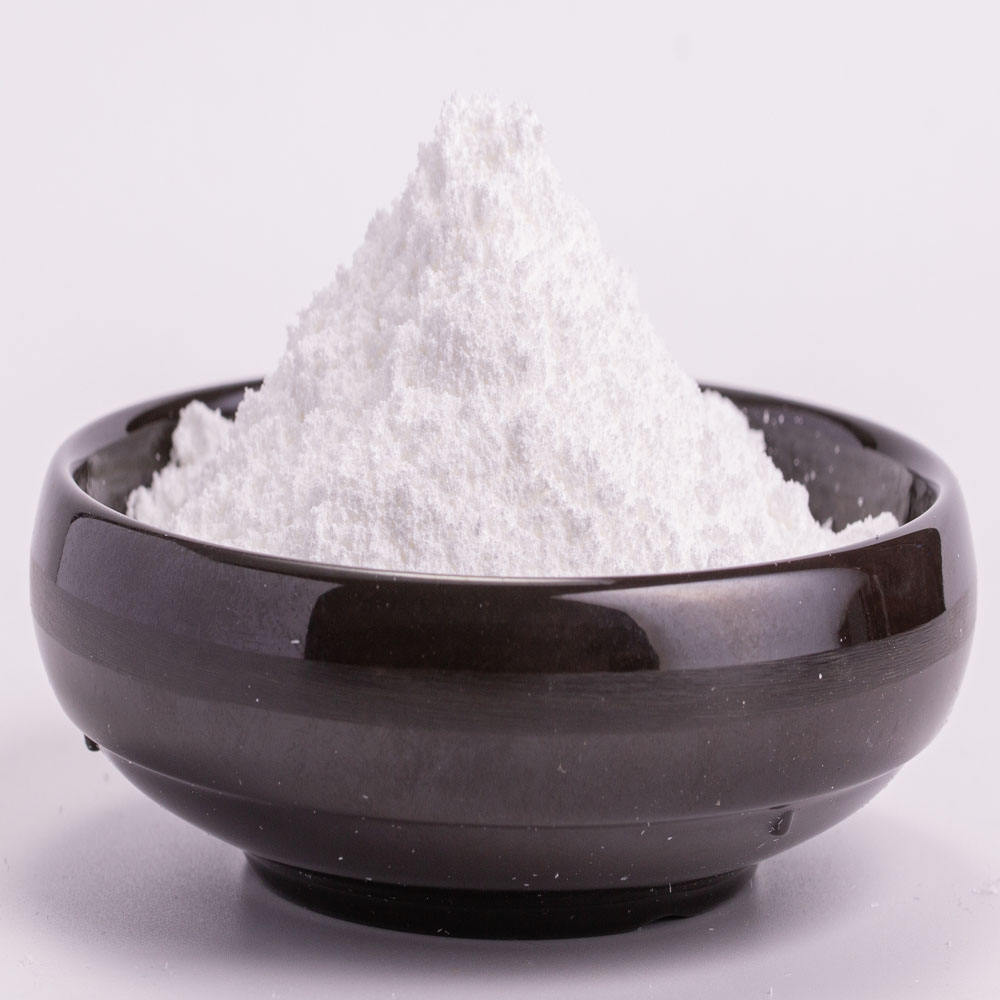
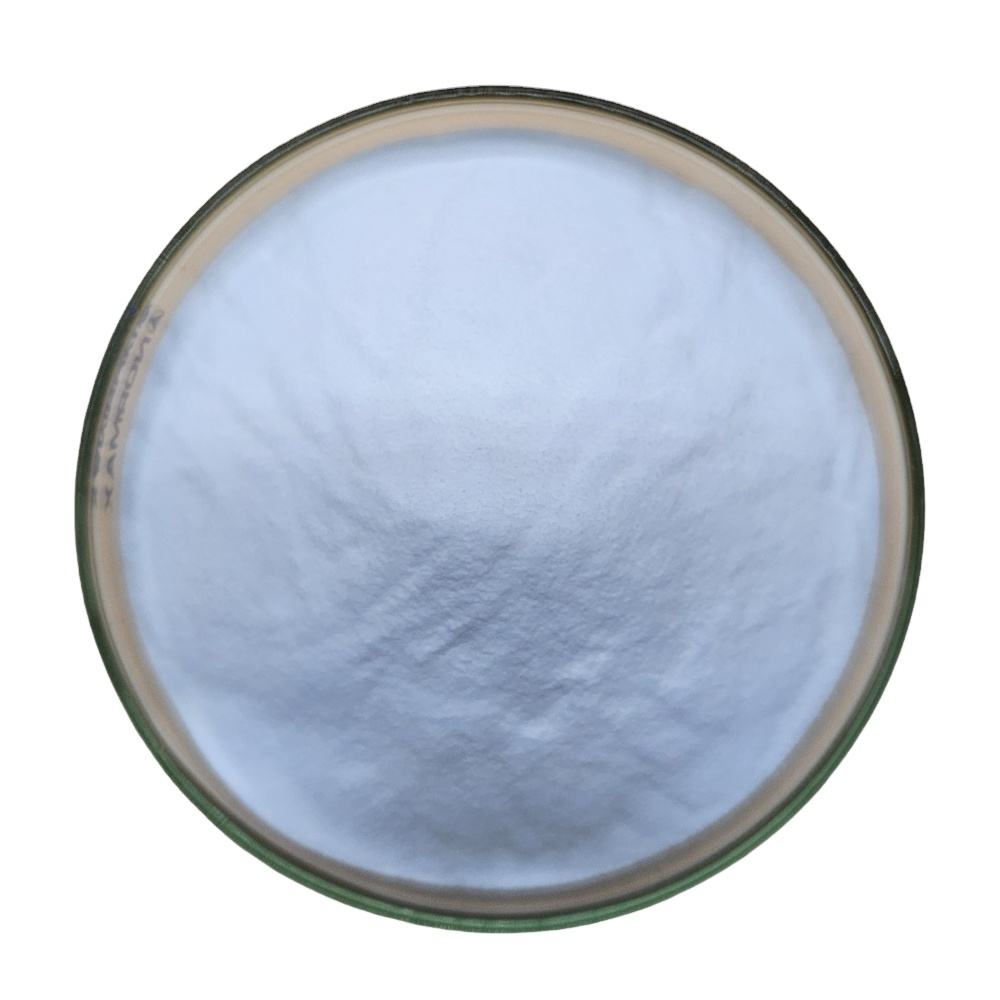
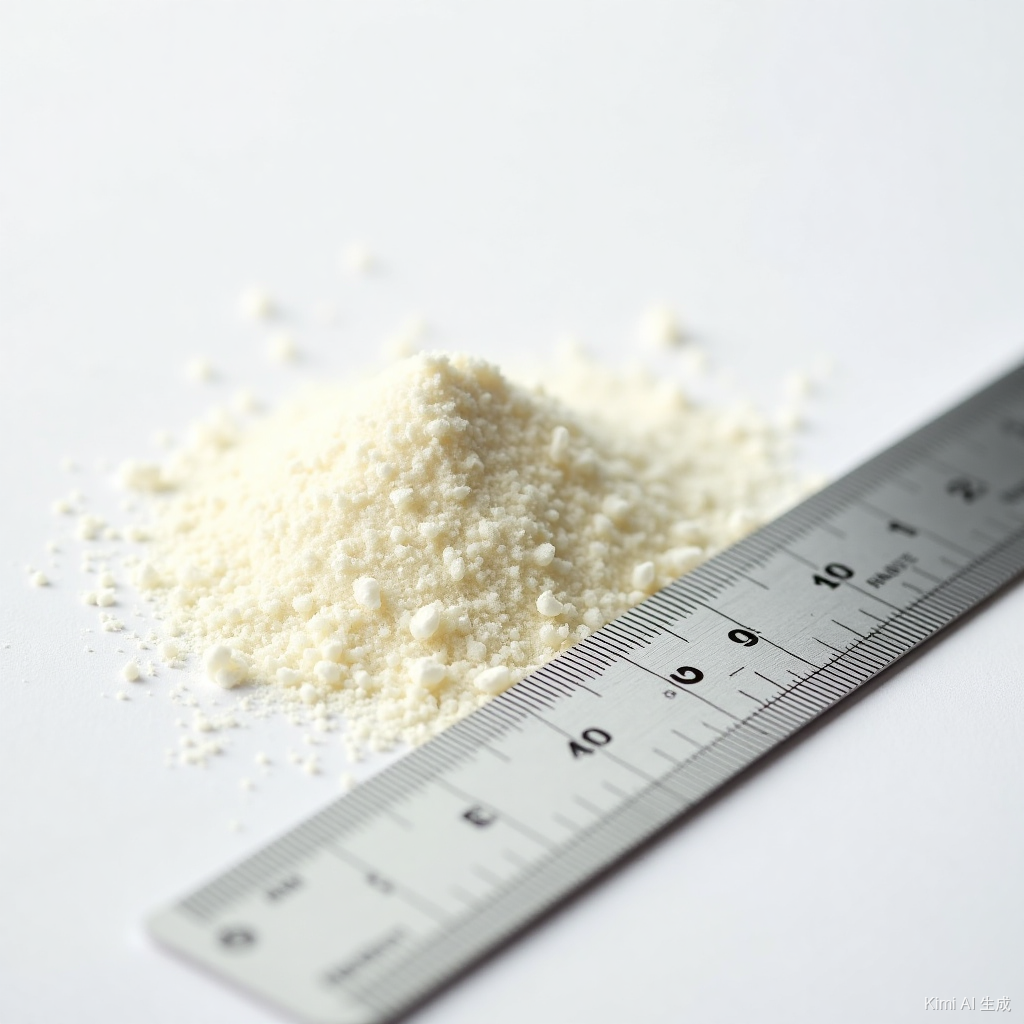
AppearanceWhite to off-white crystalline powder
Purity (HPLC)>= 98.0%
Melting Point88.0°C – 95.0°C
Loss on Drying<= 1.0%
Heavy Metals<= 10 ppm
SolubilitySoluble in hot ethanol and oils; insoluble in water

Applications

  • Cosmetic Raw Materials: Primarily used as a key ingredient in skin-barrier repair formulations and hair care conditioning agents.
  • Pharmaceutical Intermediates: Utilized in the synthesis of specialized lipid delivery systems and liposomal research.
  • Industrial Chemicals: Employed in the production of bio-mimetic coatings and surface treatment agents requiring lipid-phase stability.

Storage & Safety

  • Storage: Store in a cool, dry, and well-ventilated warehouse. Keep container tightly sealed, preferably under 5°C for long-term stability. Protect from direct light and moisture.
  • Safety Operations: Handle with standard industrial hygiene practices. Use Personal Protective Equipment (PPE) including chemical-resistant gloves and safety goggles. Avoid dust inhalation and direct contact with skin or eyes.

Quality Assurance

Our production facility adheres to rigorous quality control protocols. Each batch of N-acylsphingosine undergoes high-resolution HPLC for purity verification and NMR spectroscopy to confirm molecular structure. Our manufacturing environment follows standardized industrial management systems to ensure consistency, traceability, and high-purity output for sensitive industrial applications.

FAQ - Technical & Supply Chain

  • Q:

    What is N-acylsphingosine CAS 179186-46-0?

    A: CAS 179186-46-0 identifies Ceramide 1, also called Ceramide EOP or Ceramide I. It is an ultra-long-chain omega-hydroxy ceramide with the molecular formula C63H125NO6 and a molecular weight near 992.67 g/mol, supplied mainly as a white to off-white cosmetic powder.
  • Q:

    Why is Ceramide EOP used in skin barrier repair?

    A: Ceramide EOP contributes to the long-periodicity lamellar structure of the stratum corneum, helping organize intercellular lipids that reduce transepidermal water loss. This makes it useful in restorative creams, lotions, and barrier-supporting personal care formulations.
  • Q:

    How does Ceramide EOP differ from Ceramide 2 or Ceramide NG?

    A: Ceramide EOP contains an ester-linked omega-hydroxy fatty acid and a phytosphingosine backbone, while Ceramide 2 or Ceramide NG is a simpler ceramide with the formula C36H73NO3. They are different sphingolipids with different CAS numbers, functions, and lipid-structuring behavior.
  • Q:

    How is Ceramide EOP typically handled in cosmetic formulations?

    A: It is lipophilic and is usually incorporated through a heated oil phase, with a suitable solvent-assisted or pre-dispersed system for uniform distribution. Storage should be in closed containers in a cool, dry environment to protect the waxy powder from heat and moisture.

Ordering & Documentation

Key information for document requests, quotations, and supply planning.

Documents

COA, TDS, SDS/MSDS and packing details are available on request.

Quotation

Send the CAS number, grade, quantity, packing preference and destination.

Sample & Supply

Support is available for samples, trial orders, bulk and repeat supply.

Storage & Shipping

Product-specific conditions are confirmed before order.

Contact Form

Use our contact form to send us your questions, suggestions or comments. We will respond as soon as possible.