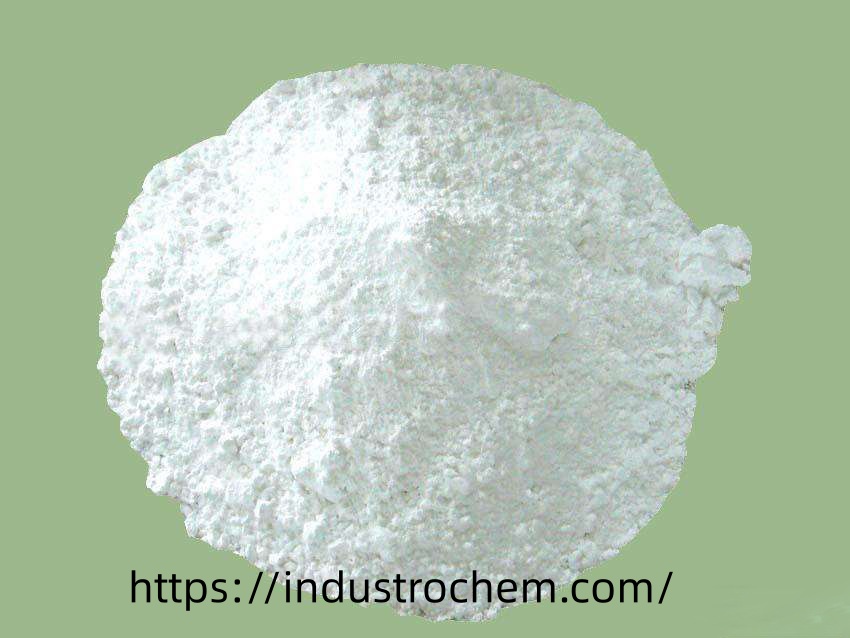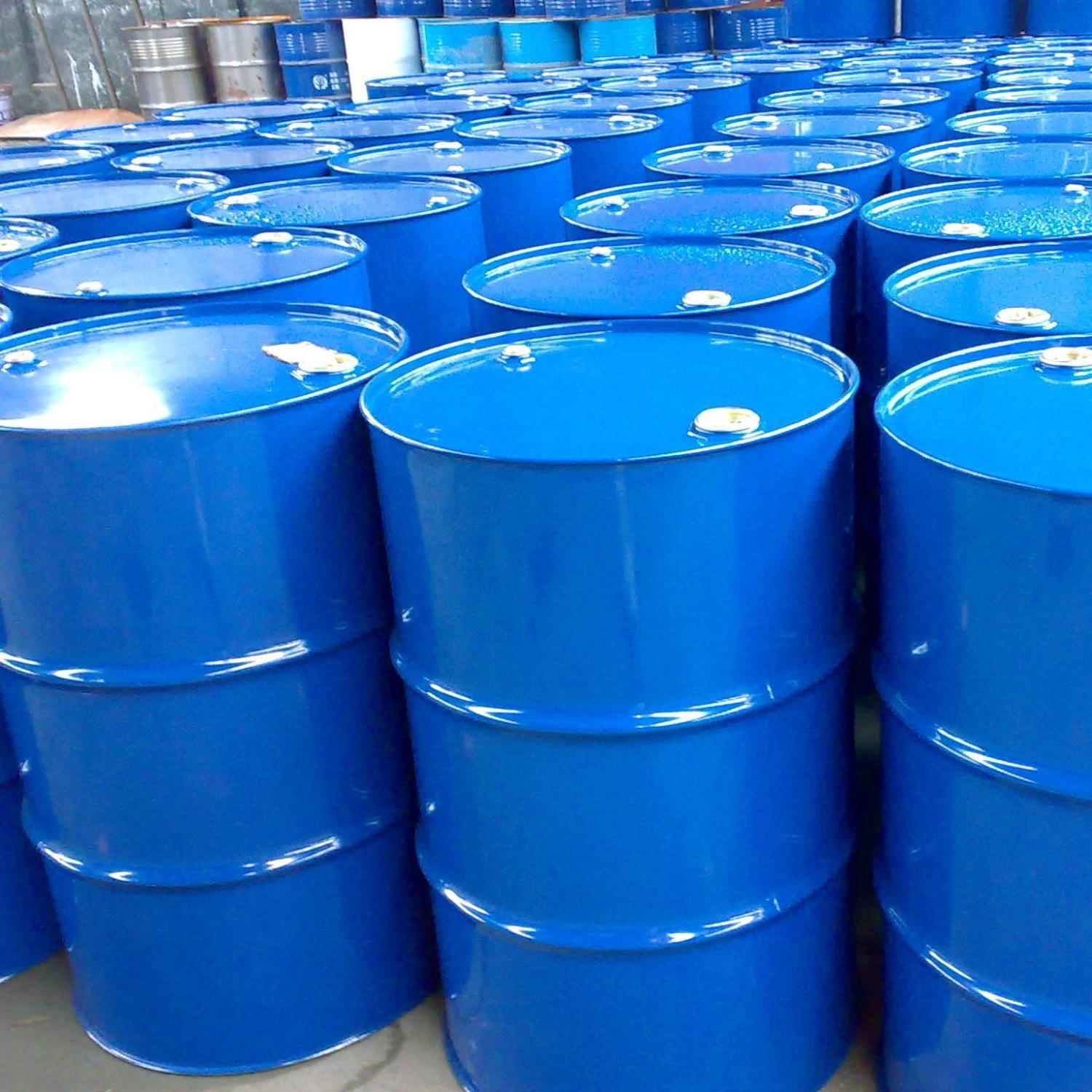
Tetrahydrolinalool is a clear, colorless liquid and a saturated linalool tetrahydride derivative, functioning as a highly stable 3,7-dimethyloctan-3-ol ingredient in complex fragrance compositions. This specialized tetrahydrolinalool alcohol, often utilized in technical formulations as tetrahydro-linalool, offers a woody-floral odor profile with significantly higher oxidative stability than its unsaturated counterparts. As a versatile THL fragrance component, it is typically applied in the formulation of soaps, detergents, and household cleaners where resistance to alkaline environments and long-term scent retention are required. We provide this aromatic intermediate with competitive factory pricing to facilitate cost-effective fragrance production, offering customized specifications regarding optical rotation and olfactory purity to meet global perfumery standards. Every shipment is strictly verified for quality and accompanied by essential documentation, including MSDS, TDS, COA, and is prepared for bulk supply to support international distribution chains.
Tetrahydrolinalool CAS 78-69-3
- CAS: 78-69-3
- Synonyms: 3,7-Dimethyloctan-3-ol, Tetrahydro Linalool, Linalool tetrahydride, THL, 3,7-Dimethyl-3-octanol.
- Einecs: 201-133-9
- Molecular Formula: C10H22O
- Grade: Fragrance Grade / Industrial Grade
- Package: 170kg/drum or ISO tank
Product Description
Technical Data
| Property | Specification (Industrial Standard) |
| Appearance | Clear, colorless liquid |
| Purity (GC) | ≥ 99.0% |
| Relative Density (25/25°C) | 0.823 – 0.829 |
| Refractive Index (20°C) | 1.431 – 1.435 |
| Acid Value (mg KOH/g) | ≤ 1.0 |
| Flash Point | 77.0 ℃ |
| Solubility | Soluble in 3 volumes of 60% alcohol |
Applications
- Functional Perfumery: Used as a floral-citrus scent base in laundry detergents, fabric softeners, and hard surface cleaners where chemical stability is paramount.
- Personal Care Products: Incorporated into shampoos, soaps, and deodorants for its clean, linalool-like aroma without the risk of oxidation-induced sensitization.
- Chemical Intermediates: Acts as a building block in the synthesis of complex esters and specialized industrial surfactants.
- Cosmetic Raw Materials: Employed as a masking agent and fragrance enhancer in high-stability cosmetic formulations.
Storage & Safety
- Storage: Store in a cool, dry, well-ventilated area away from heat and open flames. Tetrahydrolinalool should be kept in original airtight containers, preferably lined with epoxy or stainless steel, to maintain its olfactory purity and prevent contamination.
- Safety & PPE: While less sensitizing than linalool, Tetrahydrolinalool can cause skin and eye irritation. Industrial personnel should wear safety goggles, chemical-resistant gloves (Nitrile), and protective clothing. Ensure adequate ventilation in processing areas. This material is combustible; avoid contact with strong oxidizing agents.+1
Quality Assurance
Our quality control system utilizes advanced Gas Chromatography (GC) with flame ionization detection to ensure that the hydrogenation process is 100% complete, eliminating any residual unsaturated linalool. Every batch is subjected to rigorous Olfactory Evaluation by trained chemists to ensure the scent profile remains consistent with industrial standards. Additionally, Refractive Index and Specific Gravity measurements are recorded for every COA to guarantee physical-chemical identity.
FAQ - Technical & Supply Chain
-
Q:
How is the identity of Tetrahydrolinalool CAS 78-69-3 verified for fragrance stability?
A: The substance identity of CAS 78-69-3 is confirmed through its refractive index (1.431–1.435) and purity analysis via gas chromatography (GC). For industrial stability, we specifically monitor the absence of unsaturated precursors, as the saturated nature of tetrahydrolinalool is what provides its intended resistance to oxidation and discoloration in alkaline soap bases. -
Q:
Is this product suitable for use in high-pH detergent formulations?
A: Yes, Tetrahydrolinalool is an intended choice for high-pH environments like laundry detergents and bleach-containing cleaners. Unlike linalool, its chemical structure is fully saturated, preventing it from reacting or degrading in harsh chemical systems. It is commonly used as a raw material for building stable floral notes that must survive aggressive processing conditions.
Documents and Product Support
For product review and sourcing evaluation, supporting documents can be coordinated according to the product type, inquiry stage, and order requirements.
- COA for batch-based quality reference
- TDS for key physical and chemical information
- SDS / MSDS for handling, storage, and safety reference
- Packing information for sample, trial, and bulk orders
- Technical communication based on application and specification requirements
Information to Confirm Before Quotation
Clear sourcing information helps reduce specification mismatch and allows a more accurate quotation before sample or bulk order discussion.
- Product name and CAS number
- Application or intended end use
- Required purity, grade, or specification
- Sample quantity, trial order, or bulk demand
- Preferred packing form or net weight
- Destination country or port
- Required documents or compliance expectations
Packaging, Storage, and Handling Notes
Packaging form, storage conditions, shelf life, and shipment arrangements should be confirmed according to the product characteristics, package size, and destination requirements.
Before order confirmation, buyers are advised to review the corresponding product documents and confirm whether any special storage, labeling, or handling requirements apply.
Sample, Bulk Order and Repeat Supply Support
Support can be arranged for sample discussion, bulk supply planning, packaging confirmation, and routine sourcing communication based on the actual product and order requirements.
For repeat-use formulations or long-term procurement plans, buyers may discuss specification consistency, packaging preferences, delivery expectations, and document coordination in advance.
Contact Form
Use our contact form to send us your questions, suggestions or comments. We will respond as soon as possible.
Product Categories
Related Products
-
Polyquaternium-10 (PQ-10) CAS 68610-92-4 -
Docosalkyltrimethyl Ammonium Chloride (CAS 17301-53-0) -
Aluminum Chlorohydrate (ACH) (CAS 12042-91-0) -
Polyquaternium-10 (PQ-10) CAS 68610-92-4 -
Kojic Acid CAS 501-30-4 -
Hydroxypinacolone Retinoate (HPR) (CAS 893412-73-2) -
Guar Hydroxypropyltrimonium Chloride (CAS 65497-29-2) -
Niacinamide CAS 98-92-0