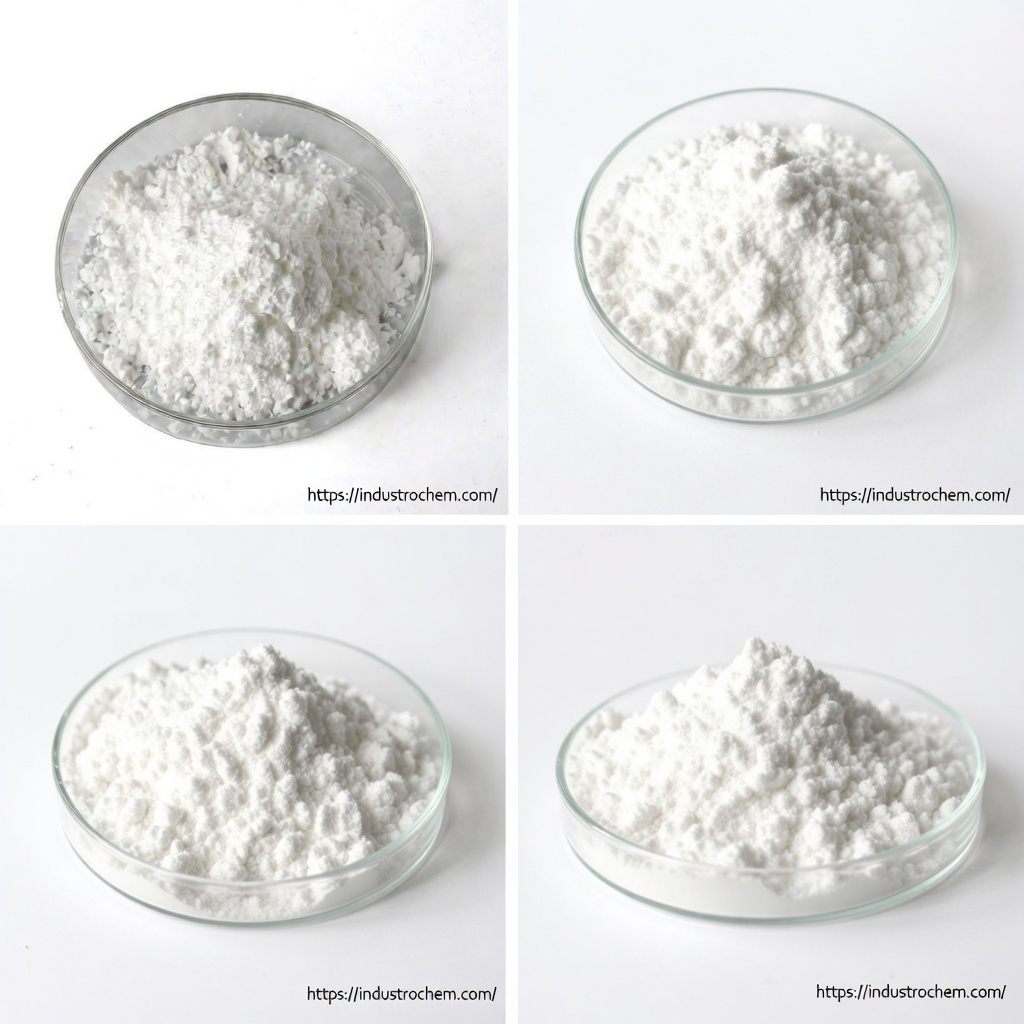
Microcrystalline Cellulose (CAS 9004-34-6), commonly abbreviated as MCC, is a purified, partially depolymerized cellulose derived from fibrous plant material. Functioning as a non-reactive binder, diluent, and disintegration aid, this white, free-flowing powder is the gold standard excipient in the formulation of solid dosage forms. It is extensively utilized in pharmaceutical direct compression tableting, capsule filling, and as an anti-caking agent in industrial food processing. We provide this industrial material with competitive factory pricing to support continuous manufacturing operations, alongside options for customized specifications (such as particle size and bulk density). Essential technical documentation, including MSDS, TDS, COA, is readily available for all bulk supply orders.
Microcrystalline Cellulose CAS 9004-34-6
- CAS: 9004-34-6
- Synonyms: MCC, Cellulose microcrystalline, Purified cellulose, Hydrolyzed cellulose, Cellulose powder
- Einecs: 232-674-9
- Molecular Formula: (C6H10O5)n
- Grade: Pharmaceutical Grade
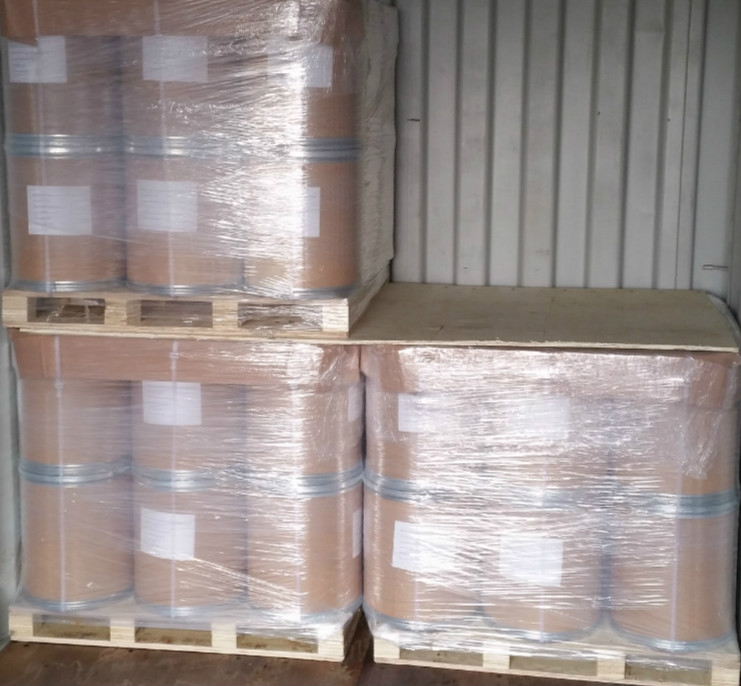
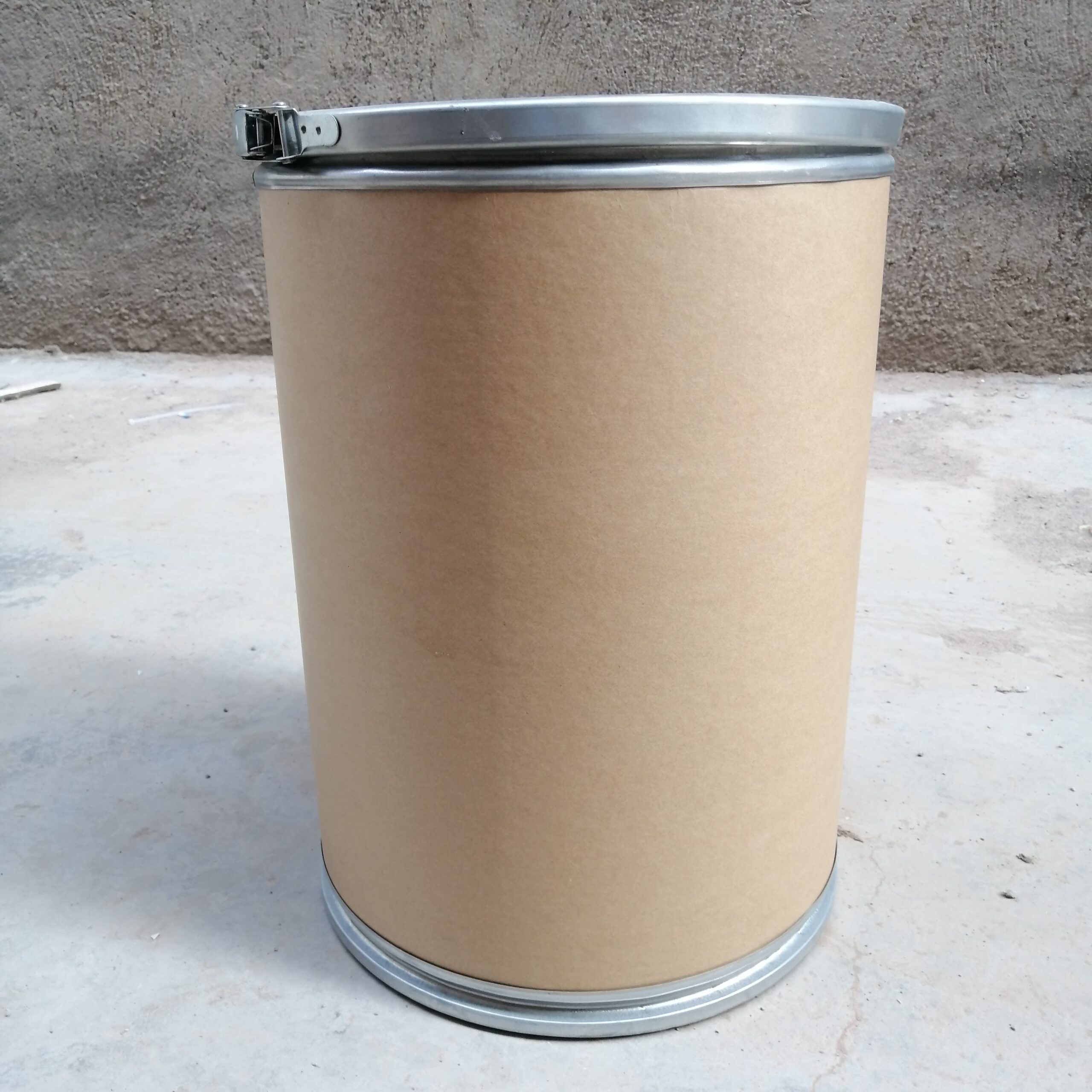
- Package: 25 kg/drum
Product Description
Microcrystalline Cellulose (CAS 9004-34-6) is a purified, partially depolymerized cellulose used as a binder, filler, and stabilizer in the pharmaceutical, food, and cosmetic industries. It is widely used in tablet formulation due to its excellent compressibility, flowability, and stability, making it a key excipient in various drug products.
For more information or to place an order, please contact us at 📧 info@industrochem.com.
Physicochemical Properties:
| Property | Value |
|---|---|
| Appearance | White, free-flowing, odorless powder |
| Bulk Density | 0.4–0.6 g/cm³ |
| Solubility | Insoluble in water and most organic solvents |
| pH (1% suspension) | 4.0–6.0 |
| Particle Size | 80% passes through a 100 mesh sieve |
| Moisture Content | ≤5% |
| Loss on Drying | ≤5% |
| Purity | ≥99% |
Applications:
- Used as a binder and filler in tablet formulations
- Commonly employed as a stabilizer in food and cosmetic products
- Serves as an excipient for controlled release drug formulations
- Frequently utilized in powdered foods, dietary supplements, and cosmetics
Storage Conditions:
- Store in a cool, dry place away from direct sunlight and moisture
- Keep container tightly closed when not in use
- Ideal storage temperature: 15°C to 30°C
Safety Precautions:
- Handling: Wear appropriate personal protective equipment (PPE), including gloves, safety goggles, and a dust mask when handling the product to prevent inhalation and skin contact.
- Storage: Store in a sealed, moisture-proof container to avoid contamination and maintain product integrity.
- First Aid: In case of eye contact, rinse with plenty of water for 15 minutes. If irritation persists, seek medical attention. If inhaled, move to an area with fresh air. If ingestion occurs, seek immediate medical advice.
FAQ - Technical & Supply Chain
-
Q:
What distinguishes Microcrystalline Cellulose under CAS 9004-34-6 from standard fibrous cellulose?
A: While CAS 9004-34-6 applies to cellulose generally, Microcrystalline Cellulose distinguishes itself as a depolymerized, acid-hydrolyzed grade with removed amorphous regions, specifically processed for compressibility rather than fibrous reinforcement. -
Q:
Is this grade suitable for direct compression tableting?
A: Yes, this material is typically characterized by excellent compressibility and flow properties, making it intended for use as a primary binder in direct compression manufacturing.
Documents and Product Support
For product review and sourcing evaluation, supporting documents can be coordinated according to the product type, inquiry stage, and order requirements.
- COA for batch-based quality reference
- TDS for key physical and chemical information
- SDS / MSDS for handling, storage, and safety reference
- Packing information for sample, trial, and bulk orders
- Technical communication based on application and specification requirements
Information to Confirm Before Quotation
Clear sourcing information helps reduce specification mismatch and allows a more accurate quotation before sample or bulk order discussion.
- Product name and CAS number
- Application or intended end use
- Required purity, grade, or specification
- Sample quantity, trial order, or bulk demand
- Preferred packing form or net weight
- Destination country or port
- Required documents or compliance expectations
Packaging, Storage, and Handling Notes
Packaging form, storage conditions, shelf life, and shipment arrangements should be confirmed according to the product characteristics, package size, and destination requirements.
Before order confirmation, buyers are advised to review the corresponding product documents and confirm whether any special storage, labeling, or handling requirements apply.
Sample, Bulk Order and Repeat Supply Support
Support can be arranged for sample discussion, bulk supply planning, packaging confirmation, and routine sourcing communication based on the actual product and order requirements.
For repeat-use formulations or long-term procurement plans, buyers may discuss specification consistency, packaging preferences, delivery expectations, and document coordination in advance.