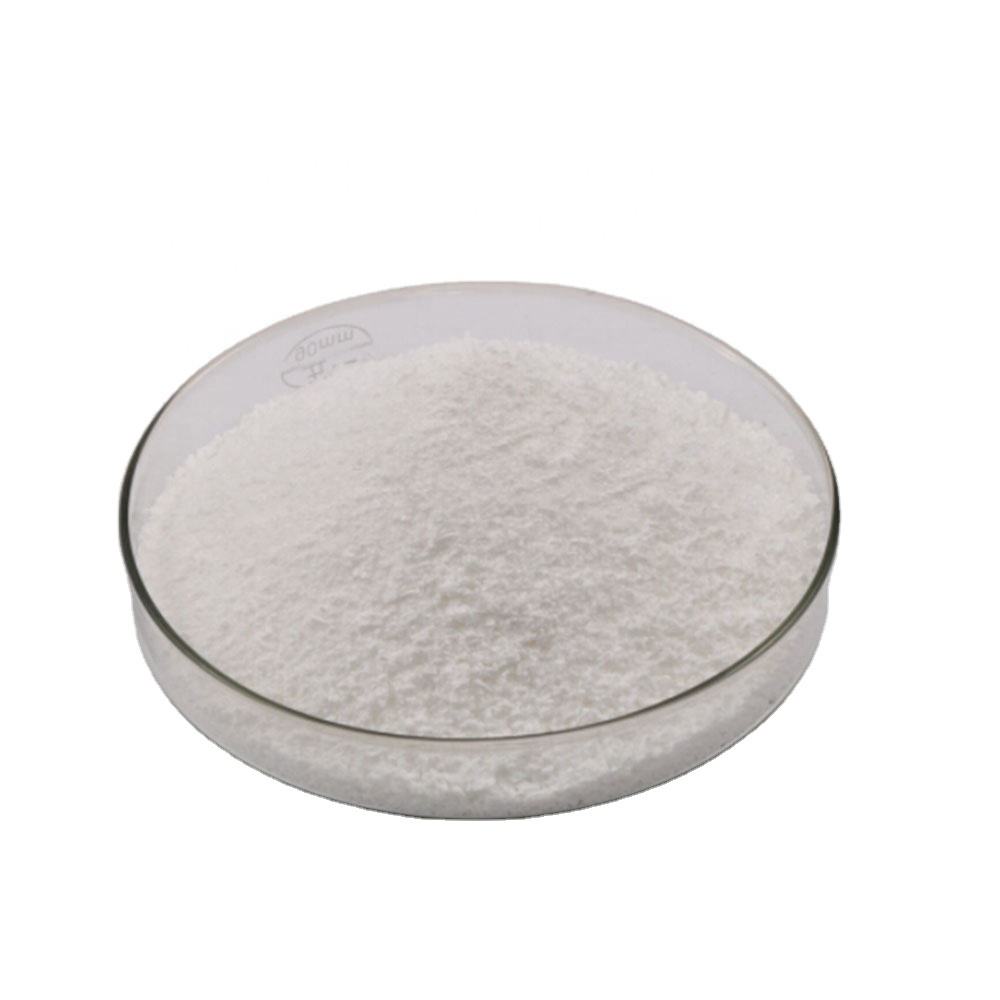










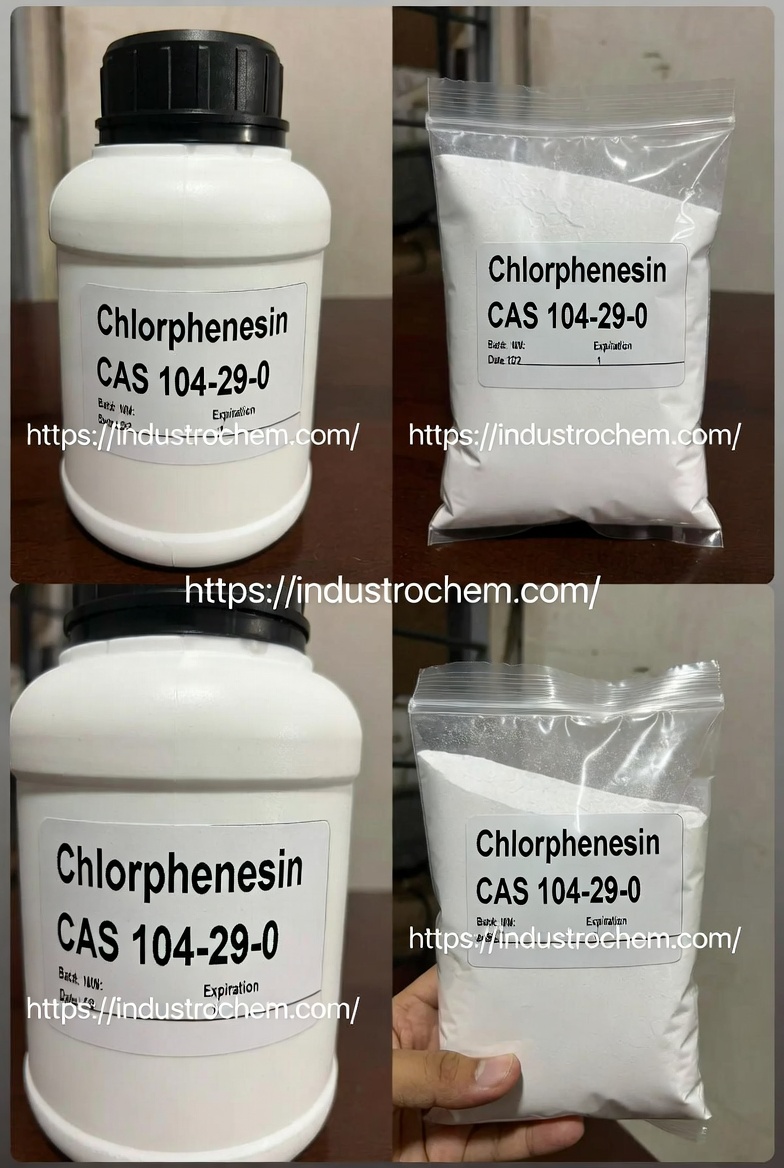
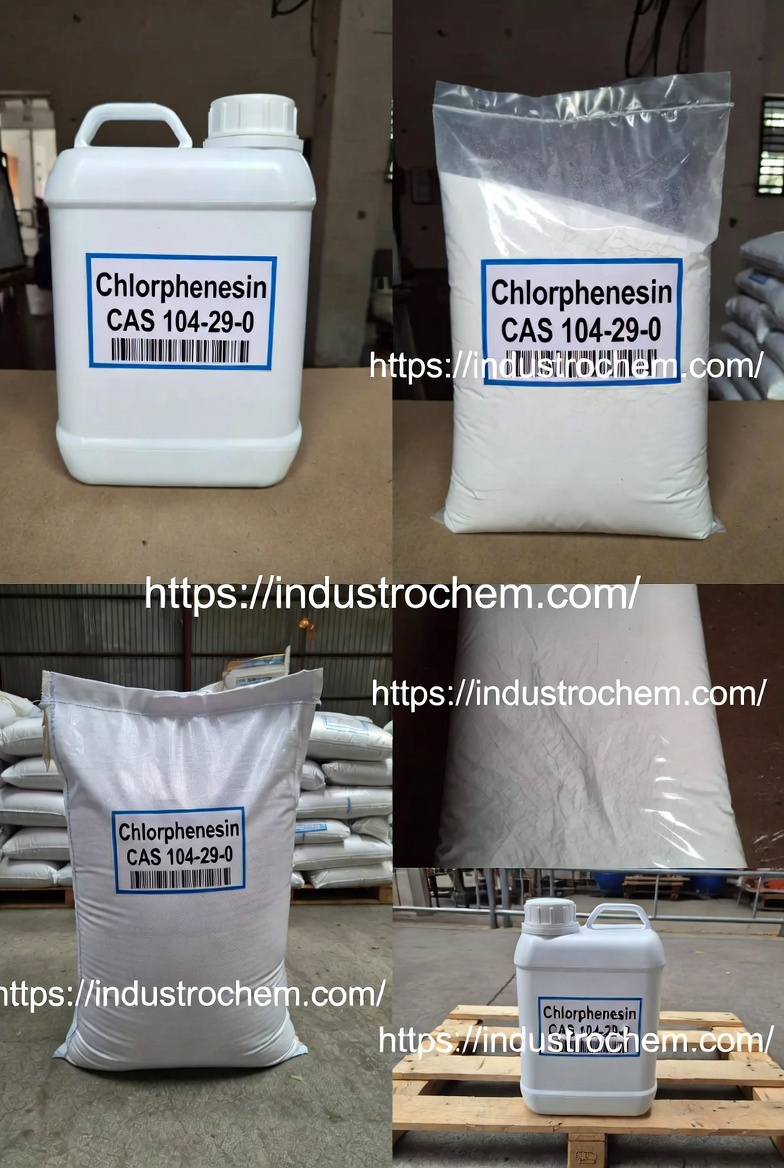
Chlorphenesin CAS 104-29-0 is a glycerol ether derivative chemically defined as 3-(4-chlorophenoxy)-1,2-propanediol , functioning primarily as a broad-spectrum antimicrobial preservative in cosmetic formulations and a fungistatic agent in personal care systems. Also known as p-Chlorophenyl glyceryl ether, this white crystalline powder is utilized to inhibit the growth of bacteria and fungi in leave-on and rinse-off products, often working synergistically with phenoxyethanol to optimize the preservation system of emulsions and serums. We provide professional access to this material with competitive factory pricing and the ability to meet customized specifications for various manufacturing requirements. Our commitment to technical transparency ensures that every shipment is accompanied by comprehensive MSDS, TDS, COA documentation to support your quality assurance protocols, and we maintain capacity for consistent bulk supply to facilitate large-scale industrial operations.
Chlorphenesin CAS 104-29-0
- CAS: 104-29-0
- Synonyms: 3-(4-Chlorophenoxy)-1,2-propanediol, p-Chlorophenyl glyceryl ether, Chlorphenesin alcohol, Glycerol alpha-p-chlorophenyl ether, CPC
- Einecs: 203-192-6
- Molecular Formula: C9H11ClO3
- Grade: Industrial Detergent Material
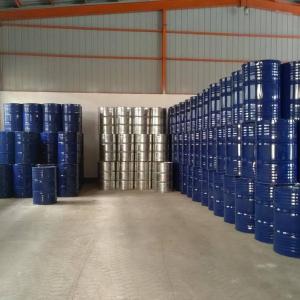
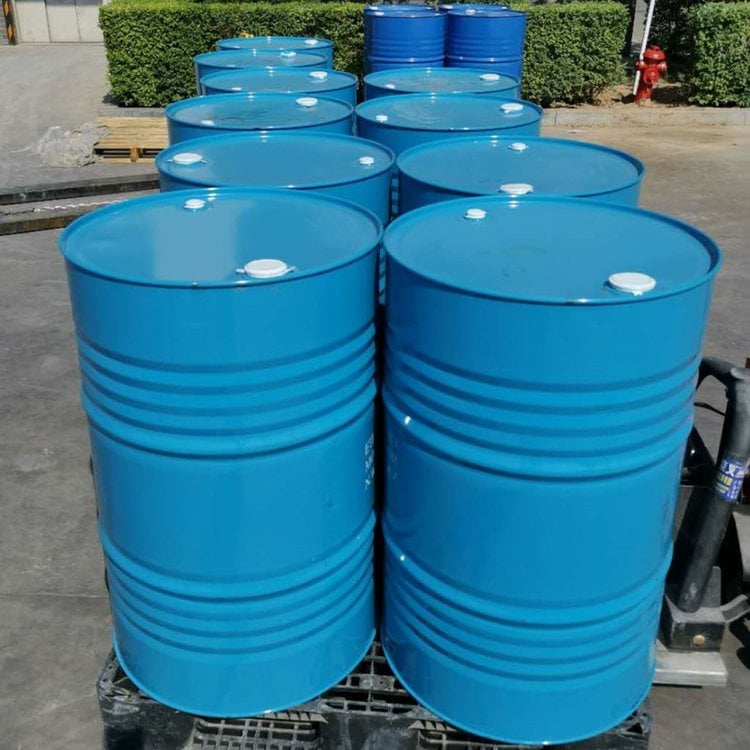
- Package: 25kg/bag (Plastic woven bag with PE liner) or 500kg/1000kg Jumbo Bag.
Product Description
1. Physical and Chemical Properties
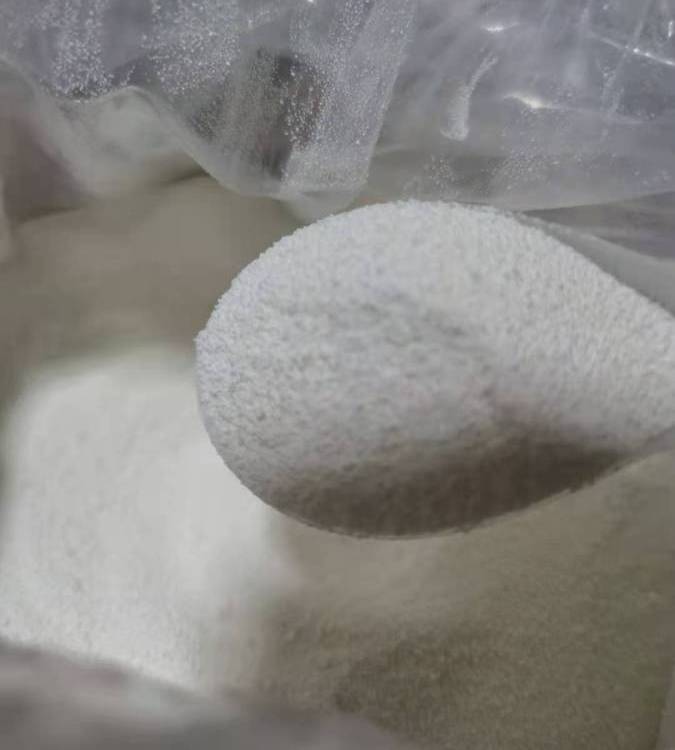
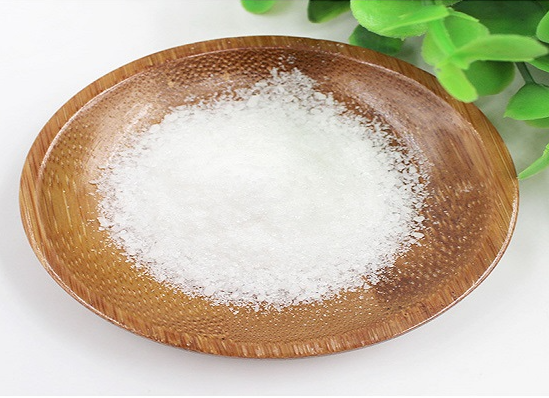
Chlorphenesin appears as a white crystalline powder. For a formulator, understanding its solubility profile is key to using it successfully.
| Property | Specification / Description |
|---|---|
| CAS Number | 104-29-0 |
| Chemical Name | 3-(4-Chlorophenoxy)-1,2-propanediol |
| Appearance | White to off-white crystalline powder |
| Odor | Characteristic, faint (High purity is odorless) |
| Melting Point | 77.0°C – 81.0°C |
| Solubility (Water) | Low (< 1% at room temperature) |
| Solubility (Solvents) | Soluble in alcohol, propylene glycol, and glycerol |
| Stability | Stable in wide pH ranges; heat stable up to 80°C |
2. Applications: The “Booster” Effect
Chlorphenesin is rarely a solo act. Its strength lies in its ability to boost the efficacy of other preservatives.
- Skincare (Creams, Lotions, Serums): It is a favorite in facial moisturizers because it is non-irritating and provides excellent protection against fungi and yeast, which are common spoilers in water-heavy formulas.
- Color Cosmetics: Widely used in mascara and liquid foundations where preventing mold growth is critical.
- Facial Masks: In wet sheet masks, where the water activity is very high, Chlorphenesin is often paired with Phenoxyethanol to ensure broad-spectrum protection without stinging the user’s face.
- Deodorants: Due to its antimicrobial properties, it helps control odor-causing bacteria.
3. A Formulator’s Guide: Overcoming Solubility
If there is one complaint about Chlorphenesin, it is that it can be “finicky” to dissolve. Here is how seasoned chemists handle it:
- Heat is your friend: While it has low solubility in cold water, it dissolves readily in water heated to 50°C – 60°C.
- Pre-mix in Glycols: The best practice is to pre-dissolve Chlorphenesin in a solvent like Butylene Glycol or Propylene Glycol before adding it to the water phase. This ensures a crystal-clear solution and prevents the powder from precipitating out later.
- The “Synergy” Blend: It works exceptionally well when combined with Ethylhexylglycerin or Phenoxyethanol. This combination allows you to lower the total preservative load while maintaining a “Class A” preservation challenge test result.
4. Regulatory & Safety Profile
Chlorphenesin is valued because it has a long history of safe use.
- Global Compliance: It is approved for use in the USA, EU, China, and Japan.
- Concentration Limits:
- EU & China: Maximum authorized concentration is 0.3%.
- Japan: Maximum authorized concentration is 0.3%.
- Safety: It is considered non-sensitizing and non-toxic at approved levels. It does not contain formaldehyde and is not a paraben.
5. Safety Precautions for Handling
While safe in the finished cream, the raw powder requires standard chemical hygiene:
- Dust Hazard: The fine powder can irritate the respiratory tract. Workers should wear N95 dust masks during weighing and mixing.
- Eye Contact: Can cause irritation. Safety goggles are mandatory.
- Ingestion: Harmful if swallowed in large quantities (due to its muscle relaxant history).
6. Storage Conditions
Proper storage is essential to prevent caking and maintain flowability.
- Moisture Control: Chlorphenesin is stable, but high humidity can cause the powder to clump. Keep containers tightly sealed.
- Packaging: typically shipped in 25kg fiber drums with double PE inner liners.
- Temperature: Store in a cool, dry place away from direct sunlight and strong oxidizing agents.
FAQ - Technical & Supply Chain
-
Q:
Is Chlorphenesin (CAS 104-29-0) chemically identical to the pharmaceutical muscle relaxant Chlorphenesin Carbamate?
A: No. While they share a similar core structure, CAS 104-29-0 refers specifically to the alcohol form (Chlorphenesin) used primarily as a cosmetic preservative and biocide. It is distinct from Chlorphenesin Carbamate (CAS 886-74-8), which is the carbamate ester derivative used as a centrally acting skeletal muscle relaxant API. -
Q:
Does this preservative dissolve readily in water-based cosmetic bases at room temperature?
A: No. Chlorphenesin has limited solubility in cold water (less than 1%). In industrial formulation processes, it is typically pre-dissolved in a solvent carrier (such as butylene glycol or phenoxyethanol) or added to the water phase at elevated temperatures (approx. 50-60°C) to ensure complete dissolution and prevent recrystallization in the final product.
Documents and Product Support
For product review and sourcing evaluation, supporting documents can be coordinated according to the product type, inquiry stage, and order requirements.
- COA for batch-based quality reference
- TDS for key physical and chemical information
- SDS / MSDS for handling, storage, and safety reference
- Packing information for sample, trial, and bulk orders
- Technical communication based on application and specification requirements
Information to Confirm Before Quotation
Clear sourcing information helps reduce specification mismatch and allows a more accurate quotation before sample or bulk order discussion.
- Product name and CAS number
- Application or intended end use
- Required purity, grade, or specification
- Sample quantity, trial order, or bulk demand
- Preferred packing form or net weight
- Destination country or port
- Required documents or compliance expectations
Packaging, Storage, and Handling Notes
Packaging form, storage conditions, shelf life, and shipment arrangements should be confirmed according to the product characteristics, package size, and destination requirements.
Before order confirmation, buyers are advised to review the corresponding product documents and confirm whether any special storage, labeling, or handling requirements apply.
Sample, Bulk Order and Repeat Supply Support
Support can be arranged for sample discussion, bulk supply planning, packaging confirmation, and routine sourcing communication based on the actual product and order requirements.
For repeat-use formulations or long-term procurement plans, buyers may discuss specification consistency, packaging preferences, delivery expectations, and document coordination in advance.