• Homosalate CAS 118-56-9
  • Homosalate CAS 118-56-9

Homosalate CAS 118-56-9

Homosalate CAS 118-56-9 is an oil-soluble organic ester chemically defined as 3,3,5-trimethylcyclohexyl 2-hydroxybenzoate , functioning primarily as a UV-B absorber in sunscreen formulations and a solubilizer for solid UV filters. Also known as Homomenthyl salicylate or HMS, this clear, colorless to pale yellow liquid is utilized to protect skin from solar erythema in personal care products and serves as a solvent carrier to stabilize crystalline photo-protectors like Avobenzone in complex emulsions. We provide professional access to this material with competitive factory pricing and the ability to meet customized specifications for various manufacturing requirements. Our commitment to technical transparency ensures that every shipment is accompanied by comprehensive MSDS, TDS, COA documentation to support your quality assurance protocols, and we maintain capacity for consistent bulk supply to facilitate large-scale industrial operations.

  • CAS: 118-56-9
  • Synonyms: Homomenthyl salicylate, HMS, 3,3,5-Trimethylcyclohexyl salicylate, m-Homomenthyl salicylate, Benzoic acid 2-hydroxy- 3,3,5-trimethylcyclohexyl ester
  • Einecs: 204-260-8
  • Molecular Formula: C16H22O3
  • Grade: Industrial Detergent Material
  • Package: 200 kg drum / 1000 kg IBC (customizable)
Request a quote
Share:

Product Description

1. Physical and Chemical Properties

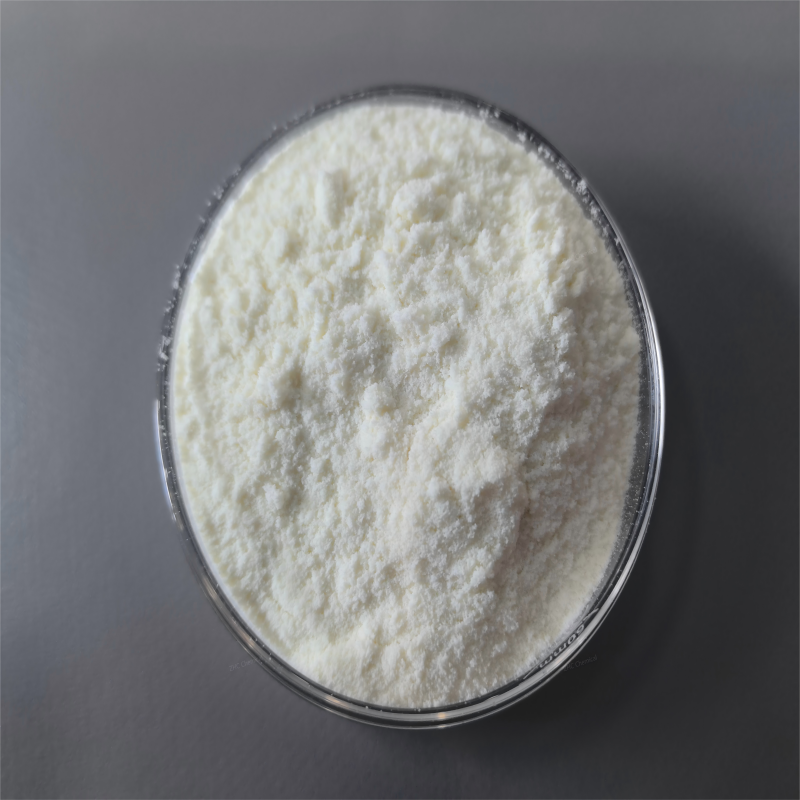
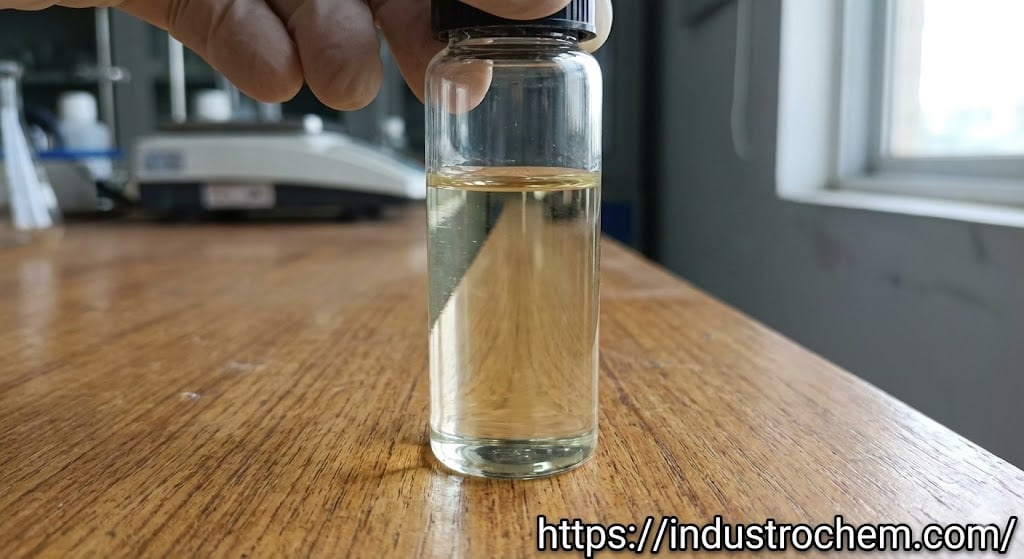
Homosalate is an organic ester formed from salicylic acid and 3,3,5-trimethylcyclohexanol. Unlike many UV filters that come as chalky powders, HMS is a liquid, which is a massive advantage for processing.

PropertySpecification / Description
CAS Number118-56-9
INCI NameHomosalate
AppearanceClear, colorless to pale yellow liquid
OdorMild, characteristic minty/aromatic scent
SolubilityInsoluble in water; Miscible with paraffin, vegetable oils, and alcohols
Boiling PointApprox. 161-165°C (at reduced pressure)
Specific Gravity1.049 – 1.053 g/cm³
UV SpectrumPrimarily UVB (295–315 nm protection)

Formulator’s Note: Its oily nature gives it excellent spreadability, but it can feel “greasy” if used at maximum loads without lighter esters to balance the skin feel.


2. Applications: More Than Just UVB Protection

While categorized as a UVB filter, Homosalate is rarely used alone. Its applications are strategic:

  • The Solubilizer: This is its primary superpower. Solid crystalline UV filters (like Avobenzone or Bemotrizinol) are notoriously hard to keep dissolved. If they recrystallize, the SPF drops. Homosalate acts as an effective solvent to keep these solids in solution, ensuring the product remains stable on the shelf.
  • Broad Spectrum Sunscreens: It is almost always paired with UVA filters to create broad-spectrum protection.
  • Water-Resistant Formulations: Because it is hydrophobic (water-repelling), it helps formulations resist washing off during swimming or sweating.
  • Hair Care & Color Cosmetics: Used in sprays and foundations to provide incidental UV protection to hair and skin.

3. Safety and Regulatory Awareness

Homosalate is safe when used correctly, but it is currently under the regulatory microscope, which buyers must be aware of.

  • Handling: As a raw material, it is an irritant. Workers should wear protective eyewear and gloves. Avoid inhalation of mists if the product is being sprayed during manufacturing.
  • Regulatory Limits:
    • USA (FDA): Approved up to 15%.
    • EU: Recent updates have tightened restrictions due to potential endocrine concerns. Always check the latest EU Cosmetics Regulation amendments before formulating for the European market (current trends suggest lower maximum concentrations, often around 7.34% or 10% depending on the final product type).
  • Skin Sensitivity: It is generally well-tolerated, but like all salicylates, it should be used with caution in products designed for hyper-sensitive skin.

4. Storage and Logistics

One of the benefits of Homosalate is its stability compared to other UV filters. However, proper storage is vital to prevent oxidation.

  • Packaging: typically shipped in 200kg plastic drums or 1000kg IBC totes.
  • Environment: Store in a cool, dry, well-ventilated area. Keep away from direct sunlight.
  • Temperature: It does not freeze easily, but cold temperatures can increase viscosity, making pumping difficult. Room temperature (15°C – 25°C) is ideal.
  • Shelf Life: High-quality HMS typically has a shelf life of 24 months if the drum seals remain intact.

FAQ - Technical & Supply Chain

  • Q:

    Is Homosalate (CAS 118-56-9) capable of dissolving crystalline UV filters like Avobenzone in a formulation?

    A: Yes. Apart from its intrinsic UV-B filtering capabilities, Homosalate functions effectively as a solvent carrier. In industrial sunscreen manufacturing, it is frequently utilized to dissolve and stabilize solid, difficult-to-solubilize UV absorbers (such as Avobenzone or Bemotrizinol), preventing them from recrystallizing and ensuring uniform SPF performance across the product matrix.
  • Q:

    Does this material serve as a broad-spectrum UV filter on its own?

    A: No. Homosalate (CAS 118-56-9) specifically absorbs ultraviolet radiation in the UVB range (295–315 nm). For broad-spectrum protection industrial formulations, it is strictly intended to be combined with UVA absorbers (like Avobenzone or Zinc Oxide) to meet regulatory requirements for full-spectrum coverage.
Documents

Documents and Product Support

For product review and sourcing evaluation, supporting documents can be coordinated according to the product type, inquiry stage, and order requirements.

  • COA for batch-based quality reference
  • TDS for key physical and chemical information
  • SDS / MSDS for handling, storage, and safety reference
  • Packing information for sample, trial, and bulk orders
  • Technical communication based on application and specification requirements
Quotation

Information to Confirm Before Quotation

Clear sourcing information helps reduce specification mismatch and allows a more accurate quotation before sample or bulk order discussion.

  • Product name and CAS number
  • Application or intended end use
  • Required purity, grade, or specification
  • Sample quantity, trial order, or bulk demand
  • Preferred packing form or net weight
  • Destination country or port
  • Required documents or compliance expectations
Storage & Handling

Packaging, Storage, and Handling Notes

Packaging form, storage conditions, shelf life, and shipment arrangements should be confirmed according to the product characteristics, package size, and destination requirements.

Before order confirmation, buyers are advised to review the corresponding product documents and confirm whether any special storage, labeling, or handling requirements apply.

Supply Support

Sample, Bulk Order and Repeat Supply Support

Support can be arranged for sample discussion, bulk supply planning, packaging confirmation, and routine sourcing communication based on the actual product and order requirements.

For repeat-use formulations or long-term procurement plans, buyers may discuss specification consistency, packaging preferences, delivery expectations, and document coordination in advance.

Contact Form

Use our contact form to send us your questions, suggestions or comments. We will respond as soon as possible.