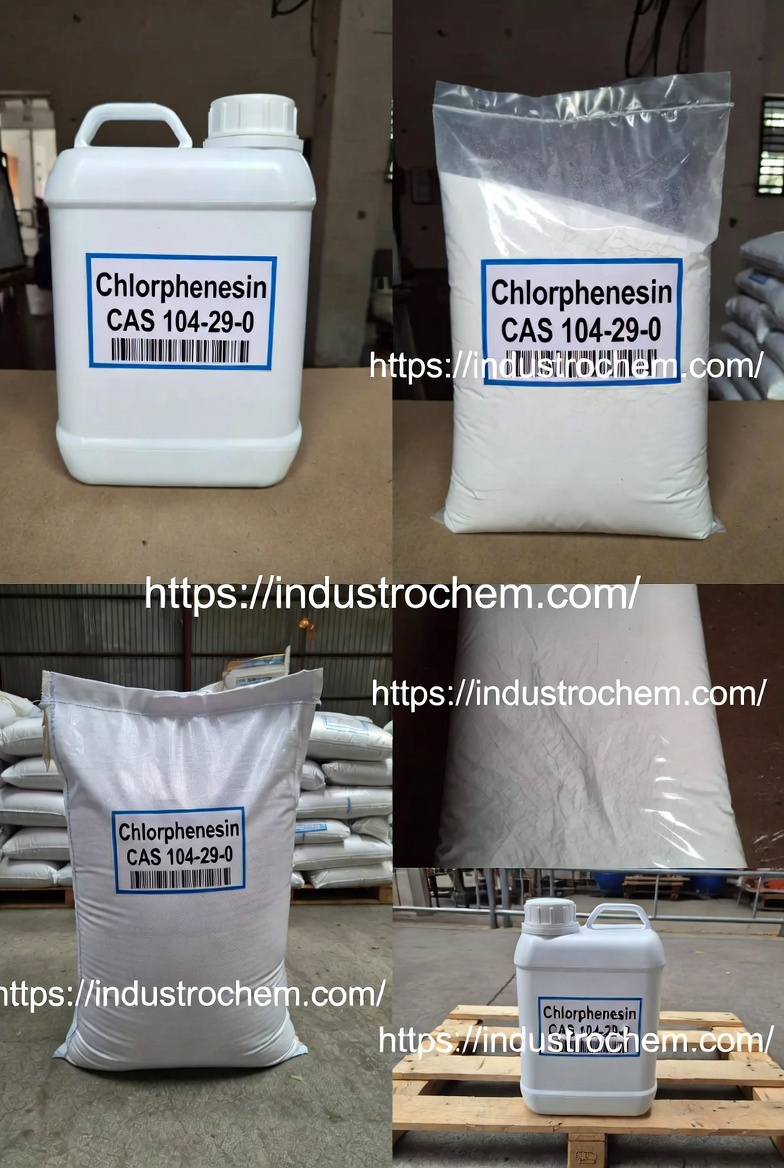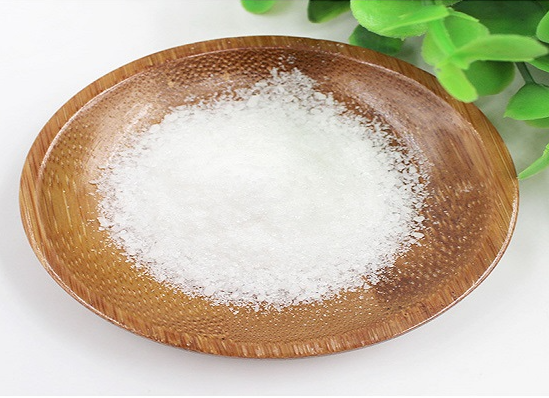










Caprylhydroxamic Acid is an organic hydroxamic acid and fungistatic agent extensively utilized as a preservative booster in cosmetic and personal care formulations. Commonly identified in the industry as CHA or Octanohydroxamic acid, this functional ingredient acts as a high-performance chelating agent, neutralizing metal ions to prevent mold growth and enhance the stability of creams, lotions, and shampoos. We offer this cosmetic-grade raw material with competitive factory pricing to support safe and effective product development. Our supply chain ensures consistent bulk supply availability and customized specifications, fully accompanied by MSDS, TDS, COA documentation for regulatory safety and compliance.
Caprylhydroxamic Acid CAS 7377-03-9
- CAS: 7377-03-9
- Synonyms: Octanohydroxamic acid, CHA, N-Hydroxyoctanamide, Caprylohydroxamic acid
- Molecular Formula: C8H17NO2
- Grade: Industrial grade 99%
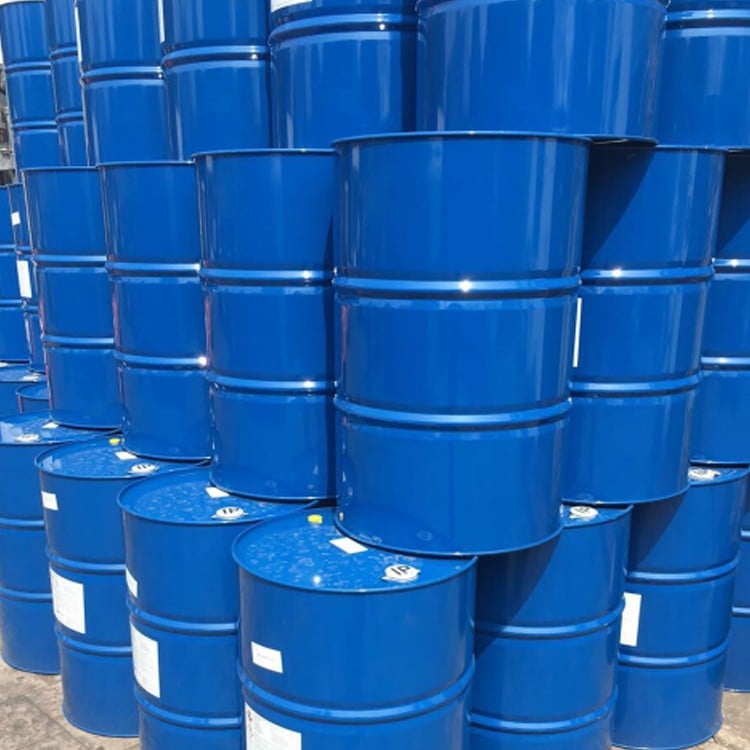
- Package: 200kg iron drum or 50kg plastic drum packing
Product Description
Caprylyl oxamic acid
CAS :7377-03-9
Formula: C8H17NO2
Solubility: easily soluble in propylene glycol, glycerin, surfactant
P H value: 2~8, with the increase of PH value, the activity gradually decreases.
Content:≥99.0 %
Appearance: White crystalline powder
Melting point: 78-81°C
Volatile: ≤0.5%
Hydroxyamine hydrochloride value: ≤0.2%
Recommended dosage: 0.05-0.15%
Packing: 25kg/cardboard drum
Storage: cool and dry place, closed, away from light
Caprylyl hydroxyamic acid is an ideal organic acid with excellent antibacterial and antibacterial properties at neutral pH, and can be used in chemical preservative-free formulation systems. Caprylyl hydroxyamic acid is an organic acid that remains in an unionized state from acidic to neutral.

FAQ - Technical & Supply Chain
-
Q:
Does Caprylhydroxamic Acid refer to the specific hydroxamic derivative or the standard fatty acid?
A: Caprylhydroxamic Acid is strictly verified under CAS 7377-03-9 as the hydroxamic acid derivative of octanoic acid, distinguishing it from standard Caprylic Acid to ensure the unique iron-chelating capability required for preservation systems. -
Q:
What is the primary functional advantage of Caprylhydroxamic Acid in cosmetic formulations?
A: Caprylhydroxamic Acid is typically applied as a chelating agent that remains active at neutral pH (unlike many organic acids), allowing it to effectively inhibit mold growth and boost the efficacy of preservative blends in mild skin care products.
Documents and Product Support
For product review and sourcing evaluation, supporting documents can be coordinated according to the product type, inquiry stage, and order requirements.
- COA for batch-based quality reference
- TDS for key physical and chemical information
- SDS / MSDS for handling, storage, and safety reference
- Packing information for sample, trial, and bulk orders
- Technical communication based on application and specification requirements
Information to Confirm Before Quotation
Clear sourcing information helps reduce specification mismatch and allows a more accurate quotation before sample or bulk order discussion.
- Product name and CAS number
- Application or intended end use
- Required purity, grade, or specification
- Sample quantity, trial order, or bulk demand
- Preferred packing form or net weight
- Destination country or port
- Required documents or compliance expectations
Packaging, Storage, and Handling Notes
Packaging form, storage conditions, shelf life, and shipment arrangements should be confirmed according to the product characteristics, package size, and destination requirements.
Before order confirmation, buyers are advised to review the corresponding product documents and confirm whether any special storage, labeling, or handling requirements apply.
Sample, Bulk Order and Repeat Supply Support
Support can be arranged for sample discussion, bulk supply planning, packaging confirmation, and routine sourcing communication based on the actual product and order requirements.
For repeat-use formulations or long-term procurement plans, buyers may discuss specification consistency, packaging preferences, delivery expectations, and document coordination in advance.