







PEG-6 Caprylic/Capric Glycerides is a hydrophilic emollient and non-ionic surfactant extensively utilized as a solubilizer and cleansing agent in micellar water and cleanser formulations. Commonly identified in the industry as Ethoxylated caprylic/capric glycerides, this water-soluble lipid derivative functions as a mild superfatting agent, enabling the effective removal of oils and impurities while maintaining skin moisture balance in leave-on or rinse-off products. We offer this cosmetic-grade raw material with competitive factory pricing to support personal care product development. Our supply chain ensures consistent bulk supply availability and customized specifications, fully accompanied by MSDS, TDS, COA documentation for regulatory safety and compliance.
PEG-6 Caprylic/Capric Glycerides CAS 127281-18-9
- CAS: 127281-18-9
- Synonyms: Glycerides C8-10 ethoxylated, Macrogol 6 glycerol caprylocaprate, PEG-6 CCG, Ethoxylated caprylic/capric glycerides
- Grade: Industrial grade 99%
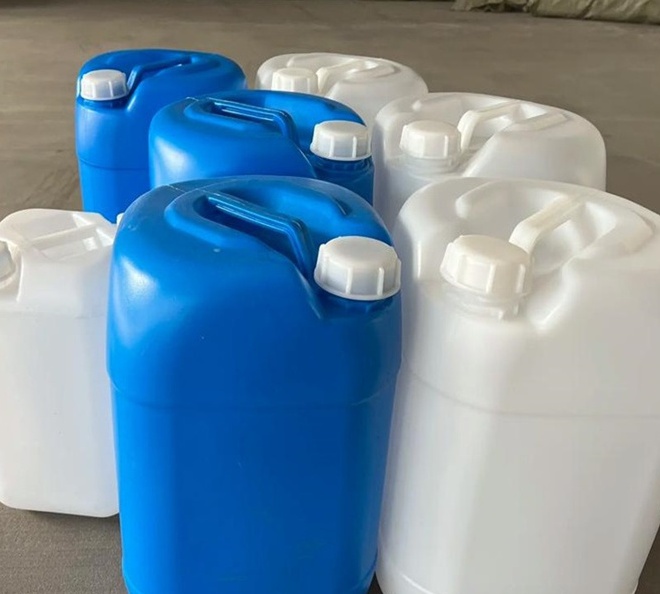
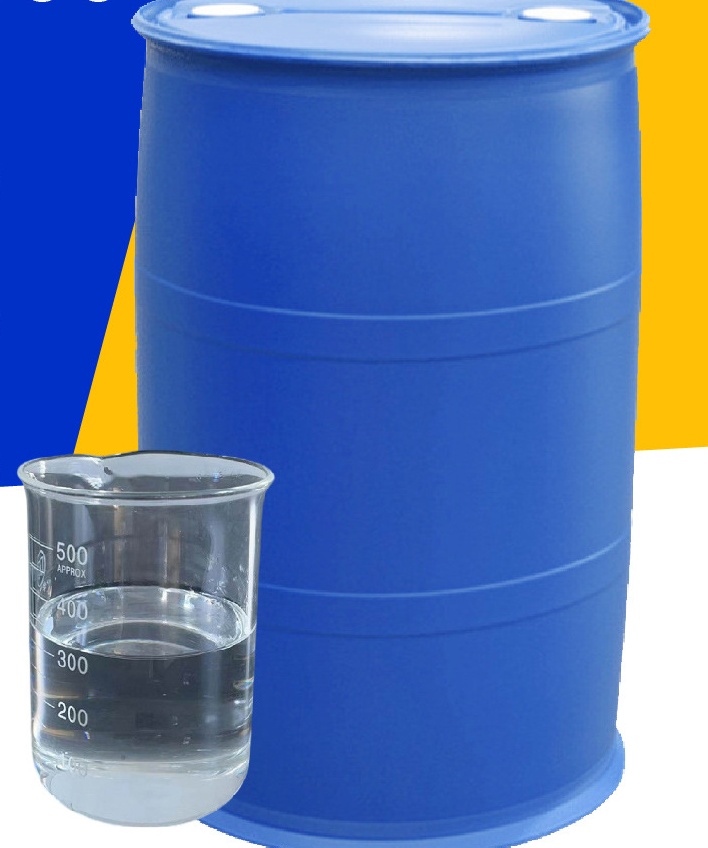
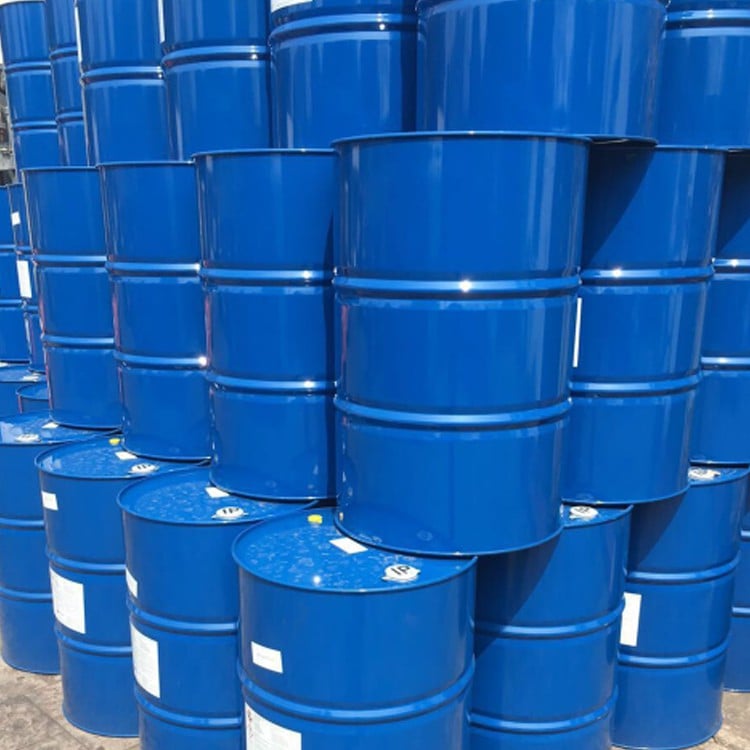
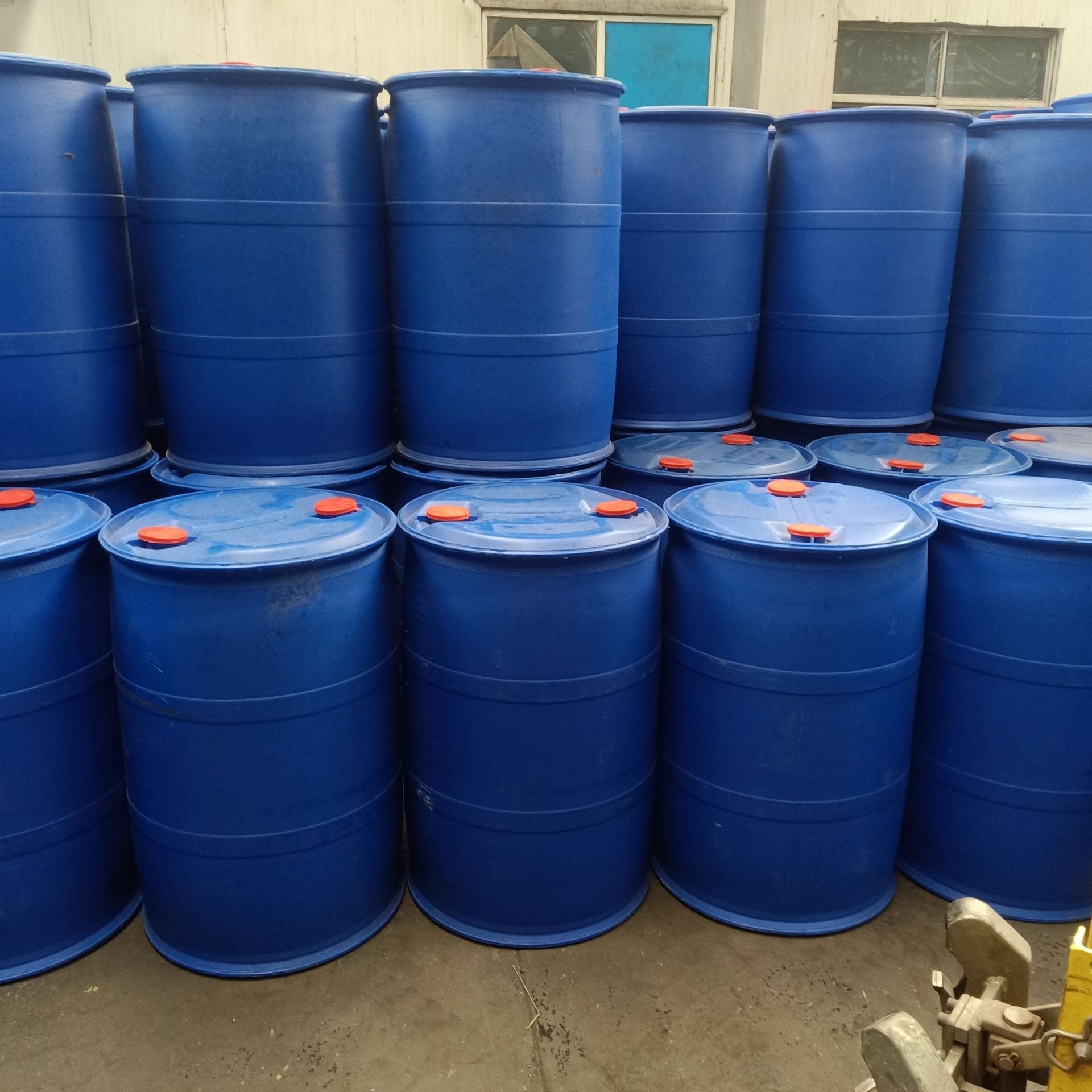
- Package: 200kg iron drum or 50kg plastic drum packing
Product Description
CAS Number 127281-18-9
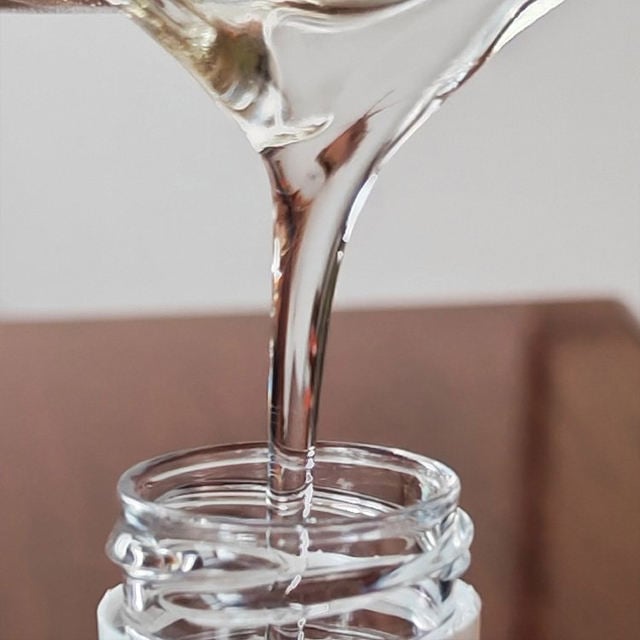
PEG-6 caprylic/capric glycerides are hydrophilic emollient esters used as skin conditioners, emulsifiers and surfactants in cosmetics. As a fattening, it can lock lipid components, improve skin softness, and improve the problem of skin degreasing after cleansing. In the water-alcohol formula, it can play a role in preventing skin shrinkage, and its HLB value is 19, which can increase the solubility of many oil-soluble components. Used in makeup remover as a surfactant, it can dissolve various oils and make makeup come off easily, so it is widely used.
Application of Cosmetics; Detergent; industry
Product function Tainolin PCCG is a water-soluble emollient ester, with superior lipid-adding properties, can reduce the irritation of interface activators, smooth skin feel after use, and provide good foam and stability, as a water-based emollient for daily cleaning products such as shower gel and shampoo and emulsifier for cosmetics, which can be used in water-soluble lotion formulations. It is also used as a solubilizer and co-emulsifier for base oils and fragrances in O/W emulsions and cream products.
Typical applications:
1. It is recommended to be used as a lipidizer in cosmetics and pharmaceutical products. It can lock in lipid components, improve skin softness, and especially improve the problem of skin being easily degreasing after cleansing.
2. In water-alcohol formulas, such as aftershave and medical gels, it can play a role in preventing skin shrinkage.
3. It can replace water-soluble lanolin in milk dew and cleansing products as a carrier and solubilizer for fragrances, essential oils, volatile crystalline substances and active ingredients.
4. In many formulations, especially in the formulation of surfactant dosage forms, it can effectively reduce the viscosity of the system, so it is widely used in liquid washing products.
5. It has good water solubility and is suitable for assisting skin peeling under hair.
6. Used in makeup remover, as a surfactant, it can dissolve all kinds of oil, can make makeup easily come off, and the makeup removal effect is good.
FAQ - Technical & Supply Chain
-
Q:
Does PEG-6 Caprylic/Capric Glycerides refer to the water-soluble surfactant or the standard oil-soluble triglyceride?
A: PEG-6 Caprylic/Capric Glycerides is verified under CAS 127281-18-9 as the specific ethoxylated derivative (approx. 6 moles EO), distinguishing it from the oil-soluble Caprylic/Capric Triglyceride (GTCC) to ensure complete water solubility for clear aqueous formulations. -
Q:
What makes PEG-6 Caprylic/Capric Glycerides ideal for micellar water applications?
A: PEG-6 Caprylic/Capric Glycerides is typically applied as the primary functional ingredient in micellar waters because it forms gentle micelles that effectively entrap makeup and sebum for removal without stripping the skin or requiring rinsing.
Documents and Product Support
For product review and sourcing evaluation, supporting documents can be coordinated according to the product type, inquiry stage, and order requirements.
- COA for batch-based quality reference
- TDS for key physical and chemical information
- SDS / MSDS for handling, storage, and safety reference
- Packing information for sample, trial, and bulk orders
- Technical communication based on application and specification requirements
Information to Confirm Before Quotation
Clear sourcing information helps reduce specification mismatch and allows a more accurate quotation before sample or bulk order discussion.
- Product name and CAS number
- Application or intended end use
- Required purity, grade, or specification
- Sample quantity, trial order, or bulk demand
- Preferred packing form or net weight
- Destination country or port
- Required documents or compliance expectations
Packaging, Storage, and Handling Notes
Packaging form, storage conditions, shelf life, and shipment arrangements should be confirmed according to the product characteristics, package size, and destination requirements.
Before order confirmation, buyers are advised to review the corresponding product documents and confirm whether any special storage, labeling, or handling requirements apply.
Sample, Bulk Order and Repeat Supply Support
Support can be arranged for sample discussion, bulk supply planning, packaging confirmation, and routine sourcing communication based on the actual product and order requirements.
For repeat-use formulations or long-term procurement plans, buyers may discuss specification consistency, packaging preferences, delivery expectations, and document coordination in advance.
Contact Form
Use our contact form to send us your questions, suggestions or comments. We will respond as soon as possible.
Product Categories
Related Products
-
C12-14 Alkyl Dimethyl Amine Oxide | CAS 84649-84-3 | Industrial Grade -
Polyquaternium-10 PQ-10 CAS 68610-92-4 -
Behentrimonium Chloride CAS 17301-53-0 -
Aluminum Chlorohydrate (ACH) (CAS 12042-91-0) -
Polyquaternium-10 PQ-10 CAS 68610-92-4 -
Kojic Acid CAS 501-30-4 -
Hydroxypinacolone Retinoate (HPR) (CAS 893412-73-2) -
Guar Hydroxypropyltrimonium Chloride (CAS 65497-29-2)