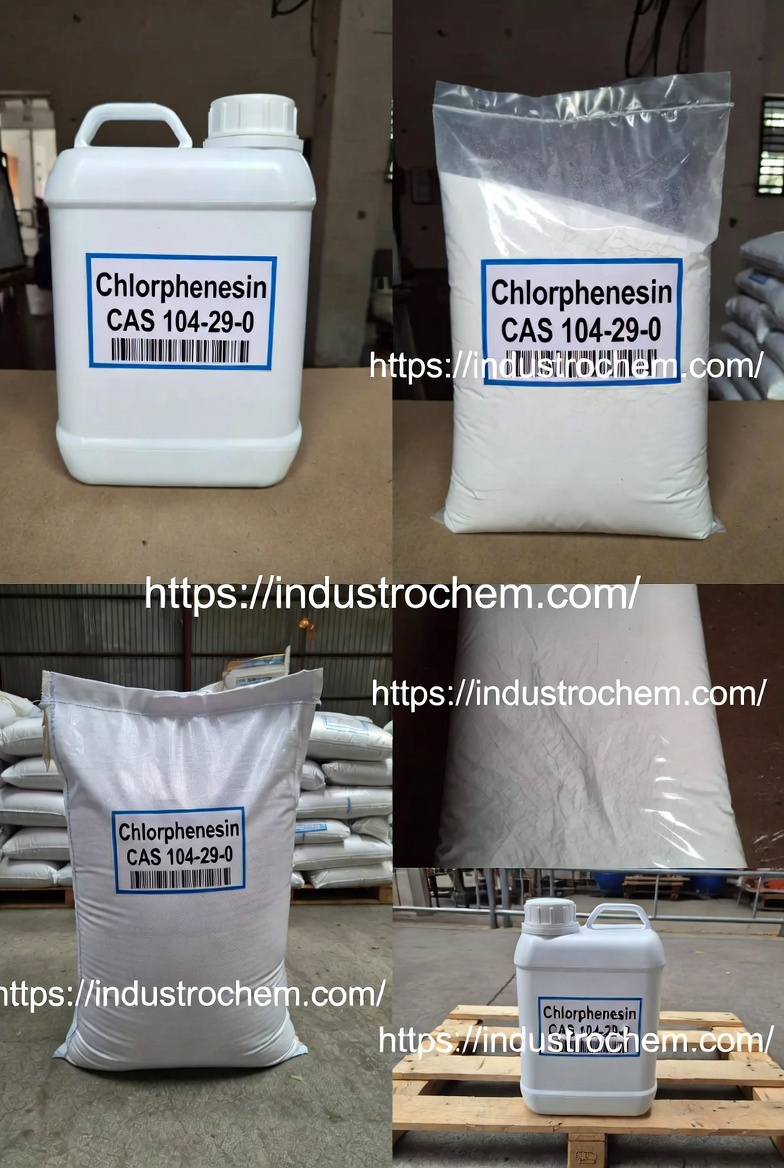
Caprylhydroxamic Acid (CHA), CAS 7377-03-9, is also known as octanohydroxamic acid. It is an organic chelating agent and fungistatic component used in preservation systems for personal-care and industrial emulsions. It chelates metal ions microorganisms need for growth and remains effective in neutral-pH environments, and is incorporated into creams, lotions and surfactant systems to support shelf life and formulation integrity. Confirm assay, water, colour, carrier composition and solubility requirements before ordering.
Caprylhydroxamic Acid CAS 7377-03-9
- CAS: 7377-03-9
- Synonyms: Caprylhydroxamic Acid; CHA; Octanohydroxamic Acid; Caprylohydroxamic Acid; N-Hydroxyoctanamide
- Einecs: 230-936-7
- Molecular Formula: C₈H₁₇NO₂
- Grade: Form-specific CHA grade; confirm HPLC assay, water, color and carrier composition where applicable.
- Package: Moisture-resistant lined carton or drum for powder, or compatible container for solution or blend; confirm net weight.
Product Description
Caprylhydroxamic Acid (CHA, CAS 7377-03-9) is an organic acid used as a chelating and antimicrobial-support ingredient in cosmetic and personal-care preservation systems. It remains unionized across the acidic-to-neutral pH range and chelates metal ions, especially iron, that microorganisms need for growth.
Specification (typical)
- CAS: 7377-03-9
- Formula: C₈H₁₇NO₂
- Assay: ≥99.0%
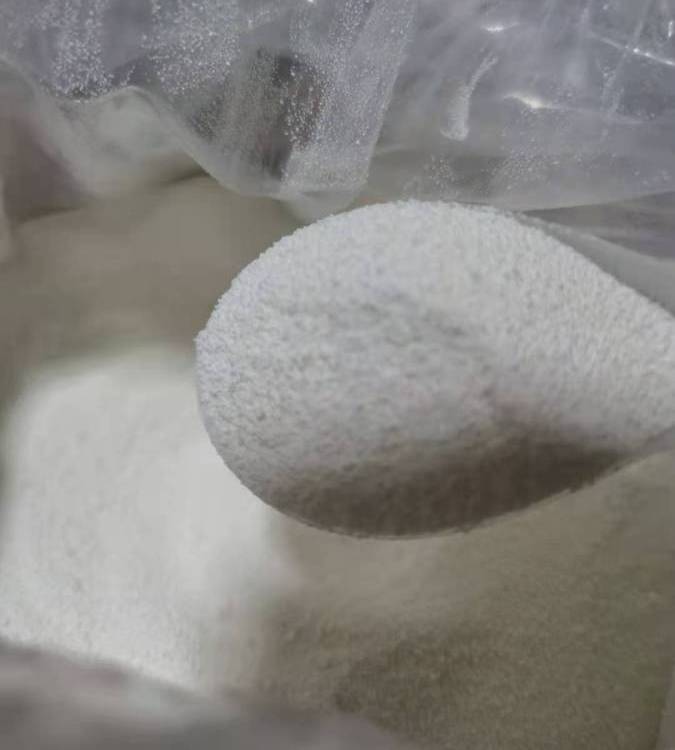
- Appearance: white crystalline powder
- Melting point: 78–81 °C
- Volatile matter: ≤0.5%
- Free hydroxylamine (as hydrochloride): ≤0.2%
- Solubility: readily soluble in propylene glycol, glycerin and surfactant systems
- Effective pH range: 2–8 (activity decreases as pH increases)
- Recommended use level: 0.05–0.15%
- Packing: 25 kg cardboard drum
- Storage: cool, dry, closed, protected from light
CHA supports preservative-free and preservative-boosting formulation strategies. Its activity depends on pH, solubility in the formula and the presence of other preservation aids, so the finished formulation should be challenge-tested.
FAQ - Technical & Supply Chain
-
Q:
Is Caprylhydroxamic Acid the same material as Caprylic Acid?
A: No. Caprylhydroxamic Acid, also called Octanohydroxamic Acid, is CAS 7377-03-9 and contains a hydroxamic-acid group. Caprylic Acid is octanoic acid with a different CAS number and function. Use the full name, CAS number and required active form in the order. -
Q:
What is Caprylhydroxamic Acid used for?
A: It is used as a chelant and antimicrobial-support ingredient in preservative-free or preservative-boosting cosmetic and personal-care systems. Its activity depends on pH, formulation solubility and the presence of other preservation aids, so the final formula should be challenge-tested rather than relying only on active concentration. -
Q:
Is the quotation for neat Caprylhydroxamic Acid or a preservative blend?
A: Confirm this explicitly. Marketed preservation systems may contain Caprylhydroxamic Acid with glycols, chelants or other antimicrobial-support ingredients, while neat CHA has its own assay and physical-form specification. State required active content and application pH. -
Q:
Which specifications should be agreed for Caprylhydroxamic Acid?
A: Agree HPLC assay, appearance and color, melting range, water or loss on drying, residual solvents and any specified metal or microbiological limits with the methods. For solutions or blends, also state solvent or carrier, active content, pH and preservative efficacy data. -
Q:
What packaging and storage should be confirmed for Caprylhydroxamic Acid?
A: Confirm powder, solution or blend form, moisture-resistant packaging, net weight and lot traceability. Store in a cool, dry, closed container away from light and high humidity.
Ordering & Documentation
Key information for document requests, quotations, and supply planning.
Documents
Tell us which documents your procurement team needs. Before an order, we will check whether the quoted source can provide them for the offered lot.
Quotation
Send the CAS number, grade, quantity, packing preference and destination.
Sample & Supply
Ask whether samples, trial quantities or repeat orders are possible. We will check each request against the sourced product and current offer.
Storage & Shipping
Product-specific conditions are confirmed before order.