
p-Hydroxybenzyl Alcohol, CAS 623-05-2, also called 4-hydroxybenzyl alcohol or 4-(hydroxymethyl)phenol, is an aromatic synthesis intermediate with phenolic hydroxyl and hydroxymethyl groups. The ≥98.0% HPLC grade is offered as an off-white to light-brown powder for organic synthesis and pharmaceutical intermediates.
p-Hydroxybenzyl Alcohol CAS 623-05-2
- CAS: 623-05-2
- Synonyms: p-Hydroxybenzyl Alcohol; 4-Hydroxybenzyl Alcohol; 4-(Hydroxymethyl)phenol
- Einecs: 210-768-0
- Molecular Formula: C₇H₈O₂
- Grade: Synthesis intermediate; ≥98.0% purity by HPLC
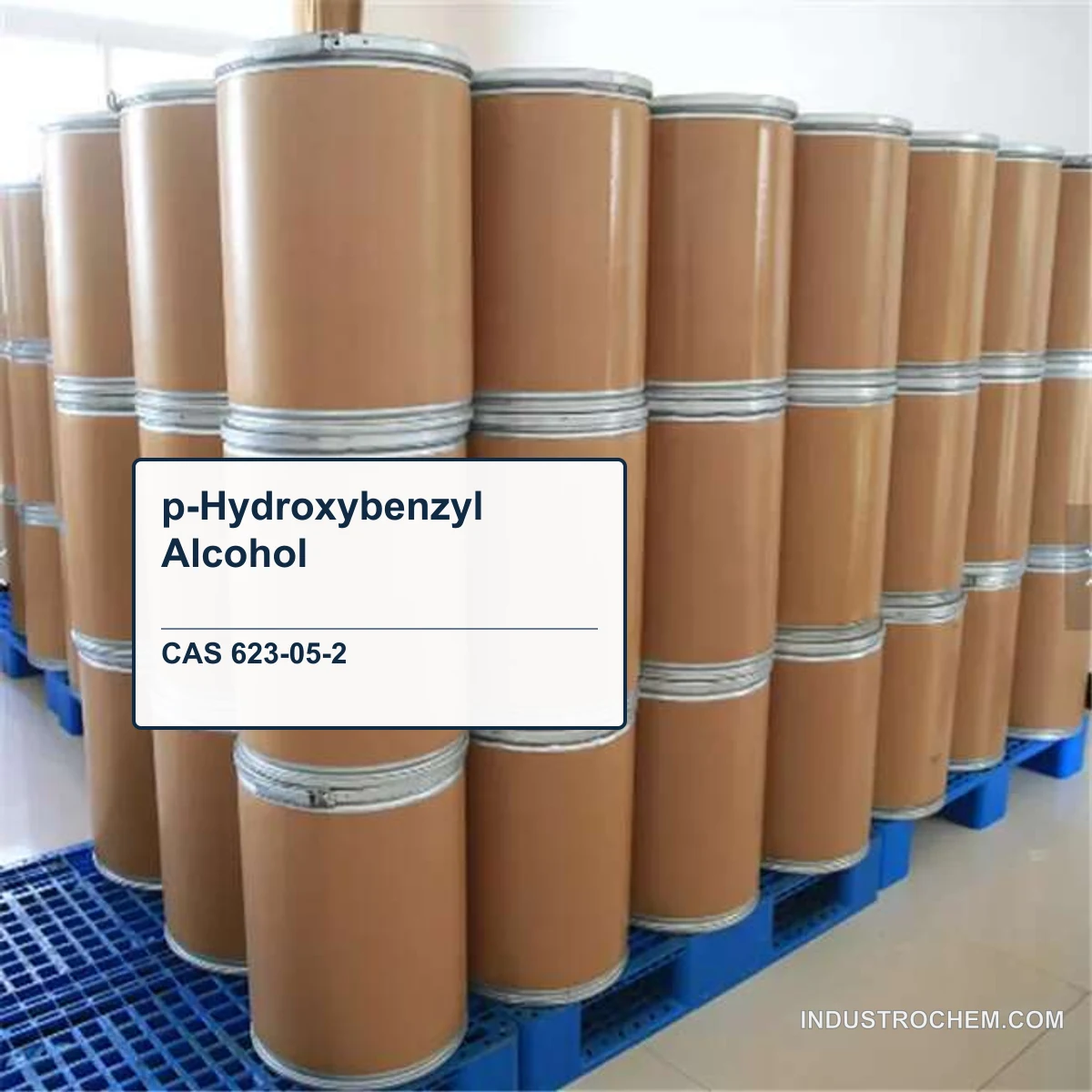
- Package: 25 kg fibre drums with sealed PE inner liners; other pack sizes by quotation
Product Description
4-Hydroxybenzyl alcohol synthesis grade
p-Hydroxybenzyl Alcohol and 4-Hydroxybenzyl Alcohol identify the same para-substituted compound. The following limits apply to the offered synthesis grade; supply quality is guaranteed against the specification agreed for the order.
- CAS: 623-05-2; EC: 210-768-0
- Molecular formula: C₇H₈O₂; molecular weight: 124.14 g/mol
- Appearance: off-white to light-brown powder
- Purity (HPLC): ≥98.0%
- Melting range: 118–125 °C
- Loss on drying: ≤2.0%
We can provide a Certificate of Analysis (COA), Technical Data Sheet (TDS), Safety Data Sheet (SDS) and HPLC test report or chromatogram for the quoted grade. The agreed specification states the HPLC method and reporting basis, and the drying conditions used for loss on drying. Loss on drying is not a water-specific result.
Applications and related raw materials
The phenolic hydroxyl and hydroxymethyl groups provide distinct sites for chemical conversion. Documented uses include intermediates for bisoprolol synthesis and the starting substrate in published enzymatic routes to gastrodin. Purity and related-substance requirements can be matched to the selected route.
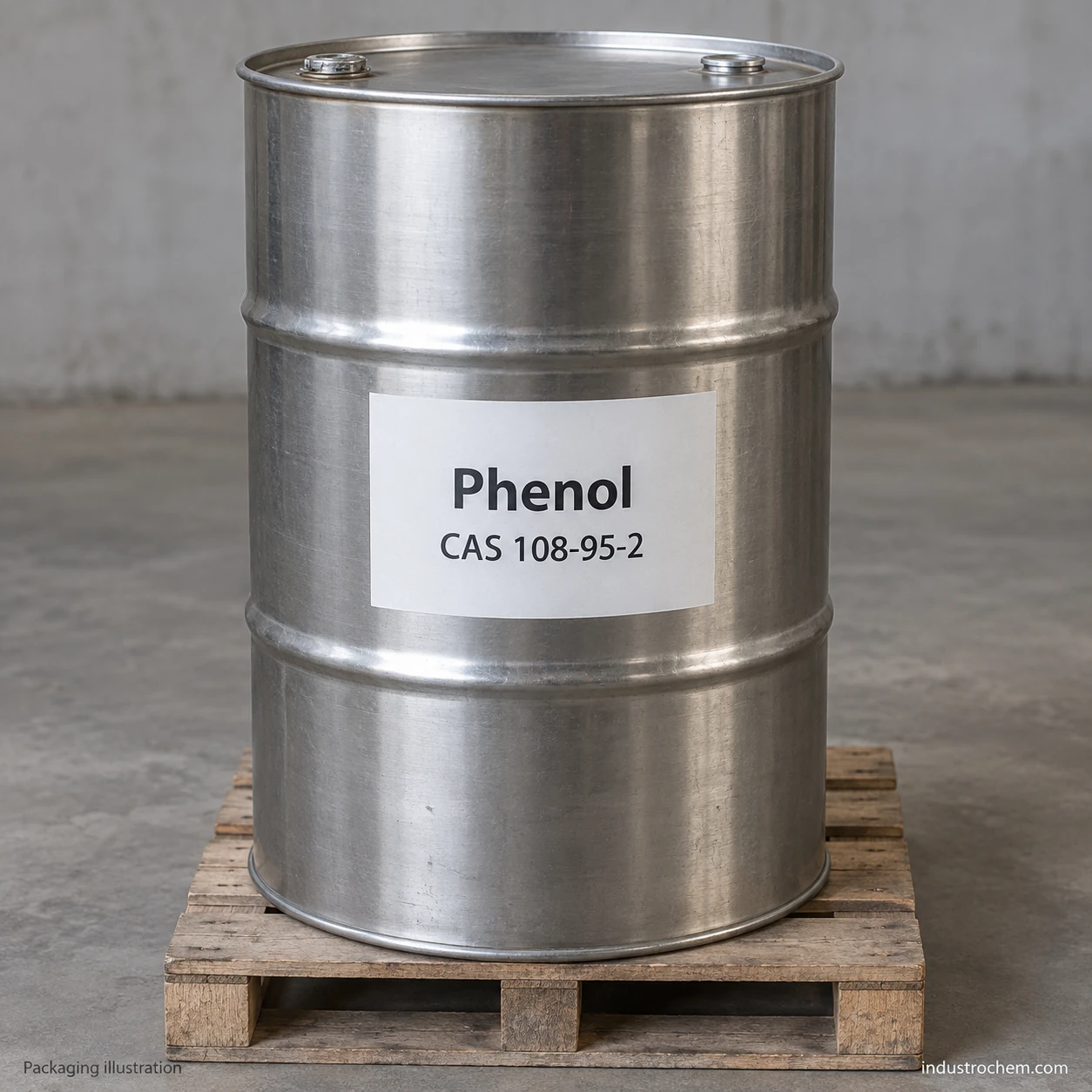
For phenolic-alcohol building blocks, Vanillyl Alcohol has an additional methoxy substituent and is a comparison option when selecting the required ring substitution pattern. Phenol is an upstream feedstock in documented routes to p-hydroxybenzyl alcohol; it is not a substitute for the isolated alcohol.
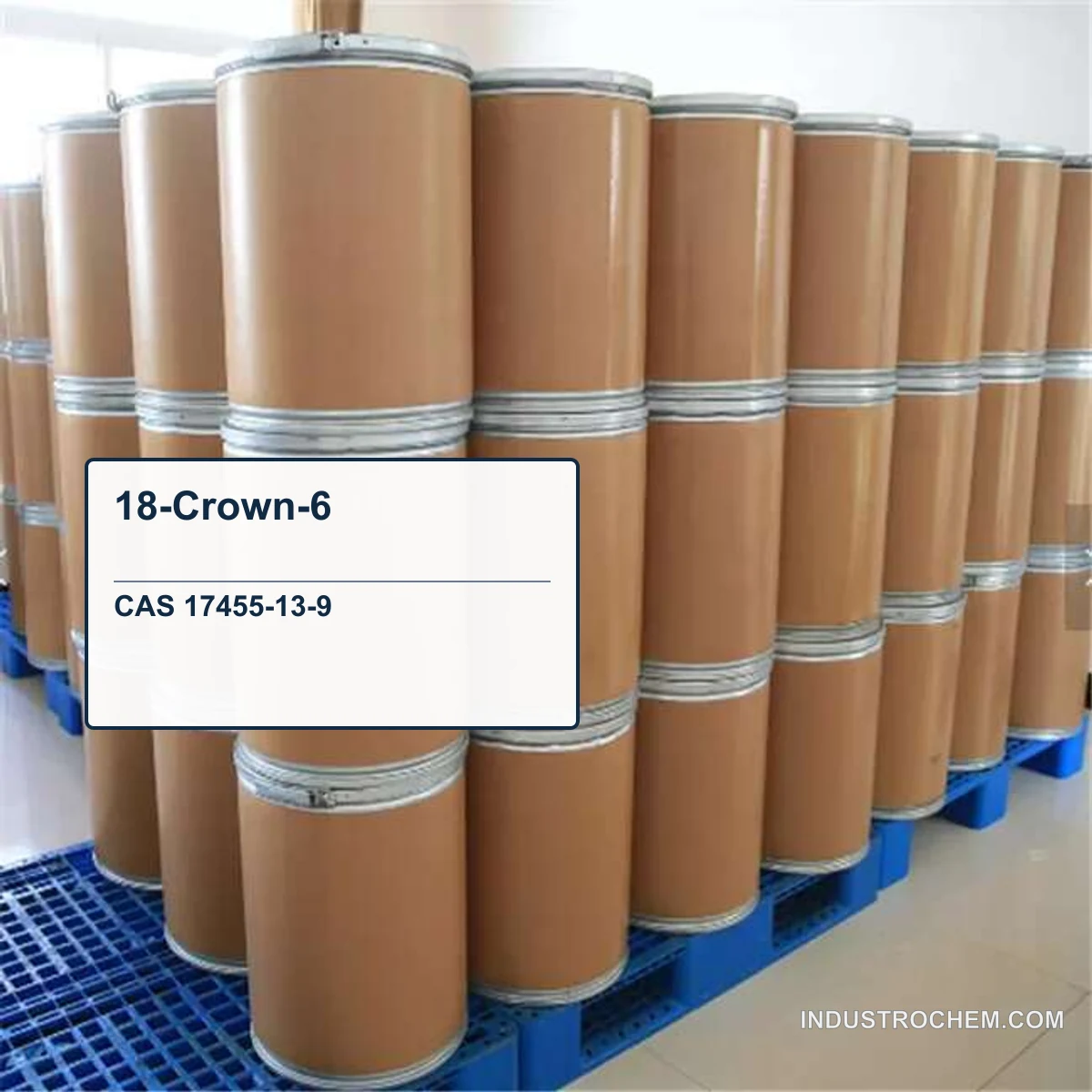
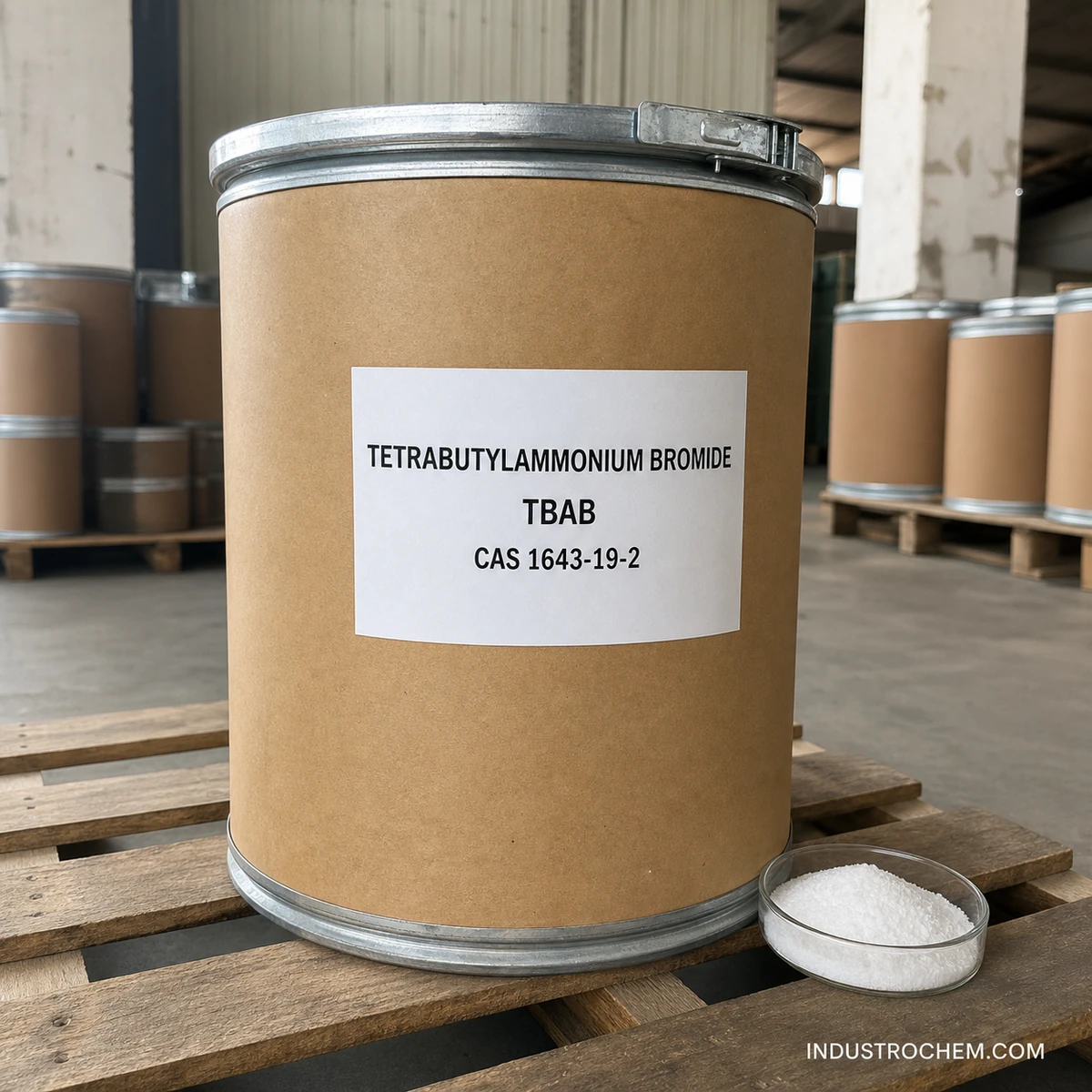
For route procurement, 18-Crown-6 is a complexing and selectivity auxiliary in a published phenol-to-p-hydroxybenzyl-alcohol process. Tetrabutylammonium Bromide (TBAB) is used in a reported downstream ether-linking route. These auxiliaries are relevant to those specific processes, not required for every application.
Bulk packing and quotations
25 kg fibre drums with sealed PE inner liners are offered; other pack sizes can be quoted. Keep containers tightly closed, protected from light, heat and strong oxidizing agents. The SDS and label for the supplied grade specify the storage temperature and any inert-gas requirement.
Send the required quantity, destination and any purity or process-specific limits for a quotation. COA/TDS/SDS and analytical data can be supplied to support your specification review.
FAQ - Technical & Supply Chain
-
Q:
Are p-hydroxybenzyl alcohol and 4-hydroxybenzyl alcohol the same substance?
A: Yes. Both names identify 4-(hydroxymethyl)phenol, CAS 623-05-2. It differs from tyrosol (CAS 501-94-0), 2-hydroxybenzyl alcohol (CAS 90-01-7) and 4-hydroxybenzaldehyde (CAS 123-08-0). -
Q:
What purity and analytical support are available?
A: The synthesis grade is offered at ≥98.0% purity by HPLC. Appearance, melting range and loss on drying are covered by the agreed specification. An HPLC report or chromatogram and COA/TDS/SDS can be provided for the quoted grade. -
Q:
What is p-hydroxybenzyl alcohol used for?
A: It is a building block for organic synthesis and pharmaceutical intermediates. Published routes use its phenolic hydroxyl and hydroxymethyl groups in further conversions, including a bisoprolol intermediate and enzymatic gastrodin synthesis. The required impurity profile depends on the selected process. -
Q:
How is the powder packed and stored?
A: The offered packing is 25 kg fibre drums with sealed PE inner liners; alternative pack sizes can be quoted. Protect closed containers from light, heat and strong oxidizing agents. Follow the supplied grade SDS and label for the storage temperature and any inert-gas requirement.
Ordering & Documentation
Key information for document requests, quotations, and supply planning.
Documents
Tell us which documents your procurement team needs. Before an order, we will check whether the quoted source can provide them for the offered lot.
Quotation
Send the CAS number, grade, quantity, packing preference and destination.
Sample & Supply
Ask whether samples, trial quantities or repeat orders are possible. We will check each request against the sourced product and current offer.
Storage & Shipping
Product-specific conditions are confirmed before order.