

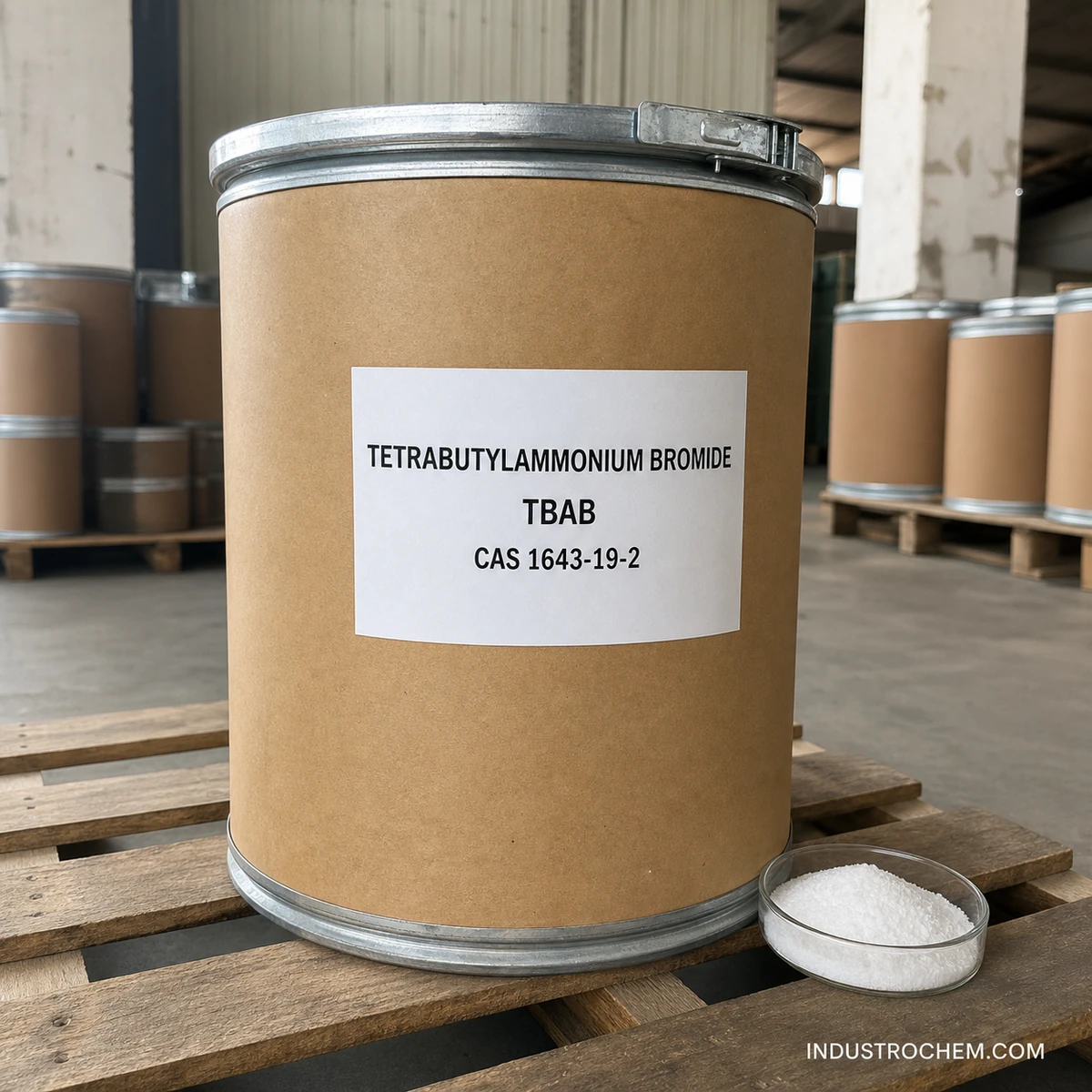


Tetrabutylammonium Bromide (TBAB), CAS 1643-19-2, is a quaternary ammonium salt used as a phase-transfer catalyst in organic synthesis and as an ion-pair reagent in chromatography. Assay method, water content and application-specific impurity limits distinguish grades.
Tetrabutylammonium Bromide (TBAB) CAS 1643-19-2
- CAS: 1643-19-2
- Synonyms: Tetrabutylammonium bromide; Tetra-n-butylammonium bromide; TBAB; Bu₄NBr
- Einecs: 216-699-2
- Molecular Formula: C₁₆H₃₆BrN
- Grade: TBAB: assay, water and impurity limits specified for the application
- Package: Moisture-resistant, tightly sealed packaging; pack size by quotation
Product Description
TBAB (C₁₆H₃₆BrN; 322.37 g/mol) is a hygroscopic crystalline salt. Crystalline TBAB and aqueous TBAB solutions require different concentration and water specifications. For HPLC ion-pair use, chromatography suitability and UV-background criteria are separate from the assay method.

We can provide COA (Certificate of Analysis), TDS (Technical Data Sheet), SDS (Safety Data Sheet), assay-method details and Karl Fischer water-test data for the quoted grade. Send us the application, quantity and destination for a quotation; include any assay or water limits required by the process.
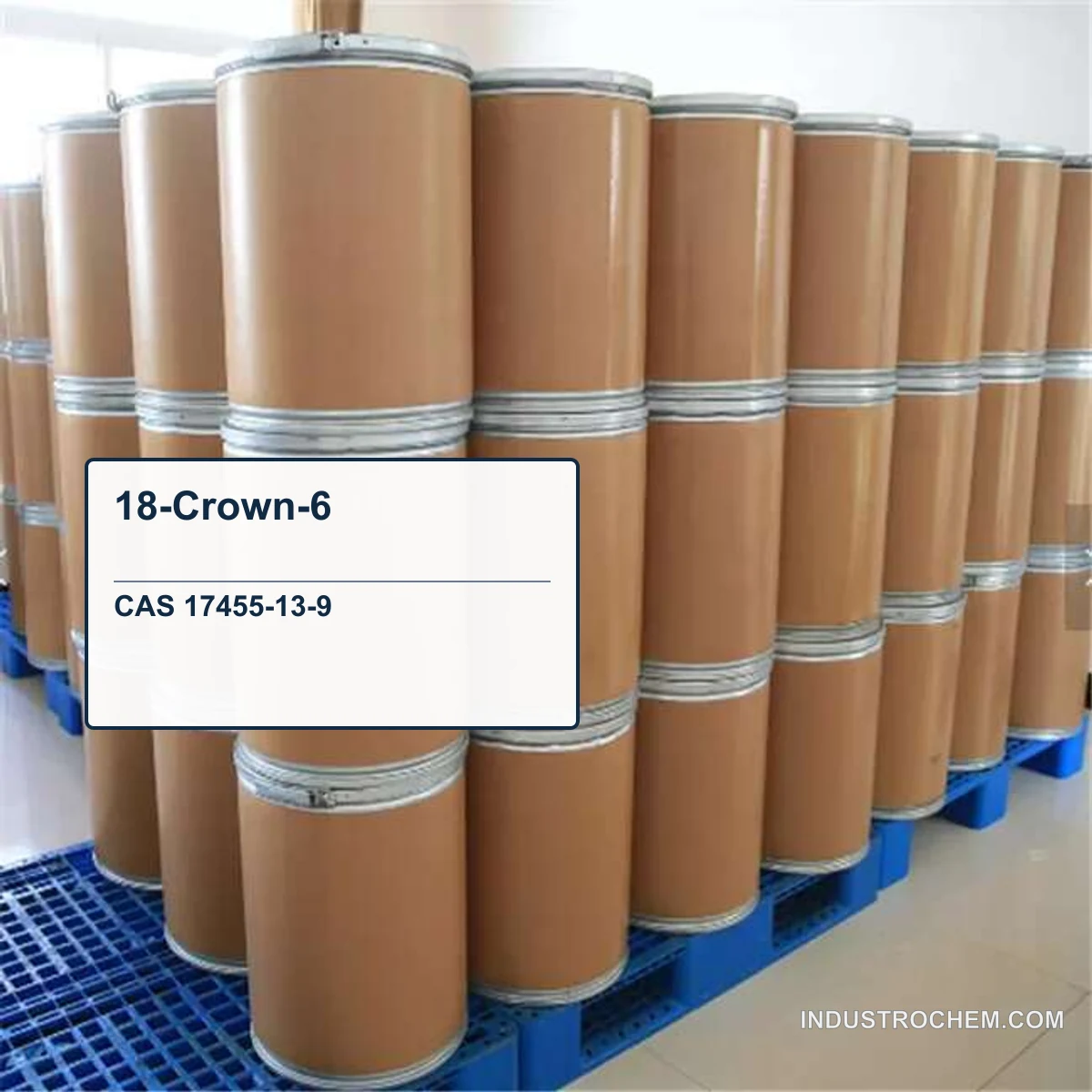
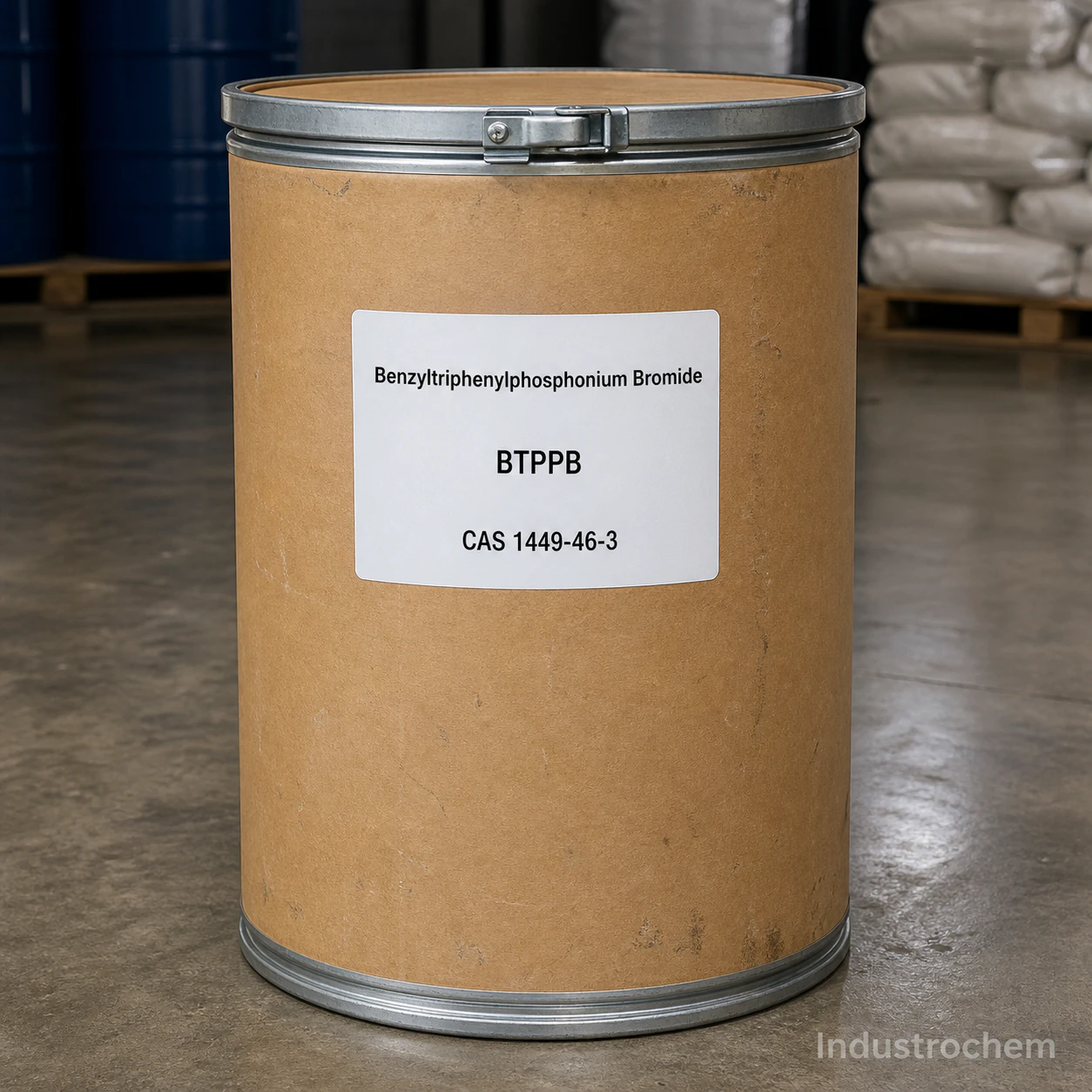
18-Crown-6 is another option for phase-transfer chemistry, using metal-ion complexation rather than the same salt structure as TBAB. Benzyltriphenylphosphonium Bromide (BTPPB) is a related synthesis reagent that can form a Wittig ylide under basic conditions. Neither is an automatic substitute for TBAB; select by the reaction system.
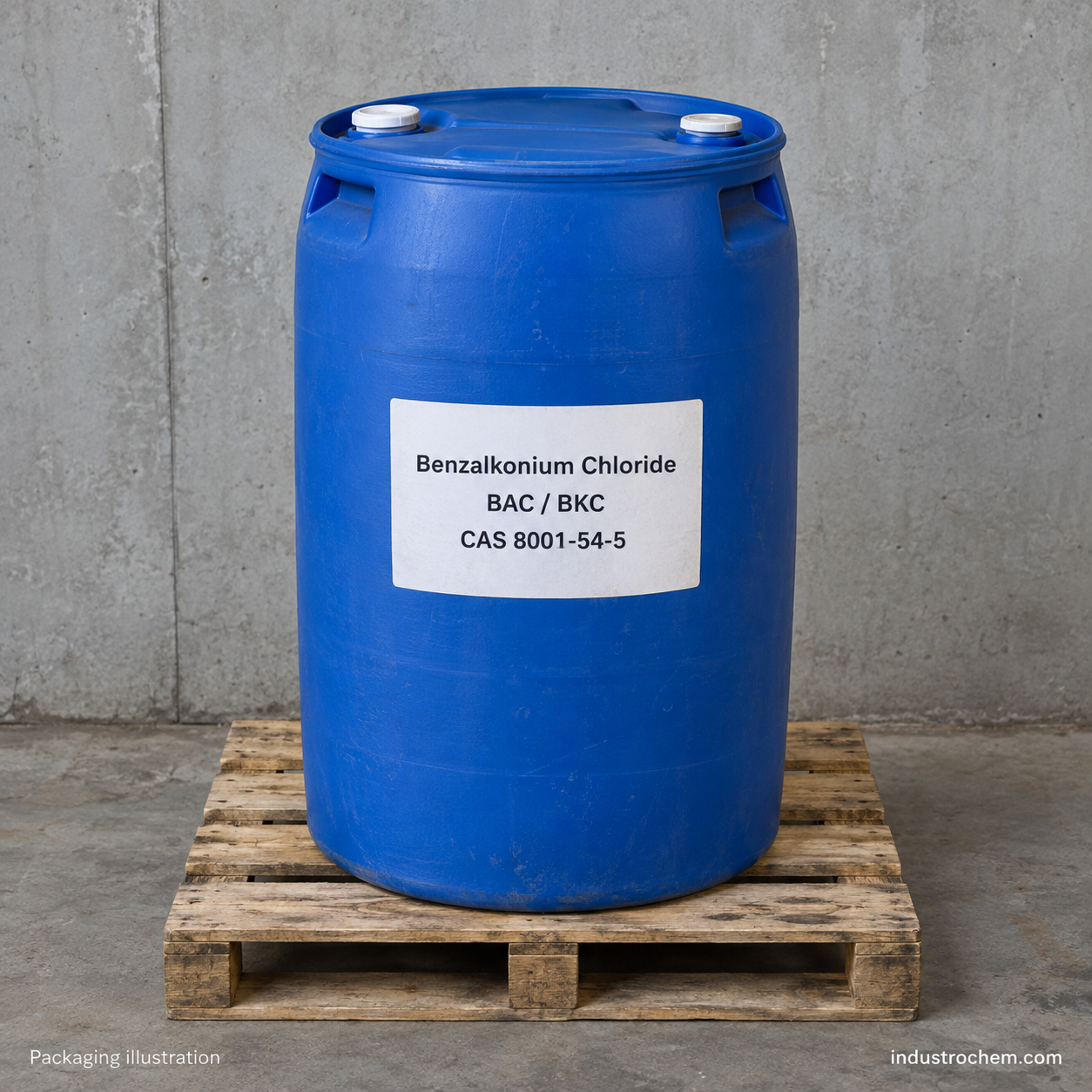
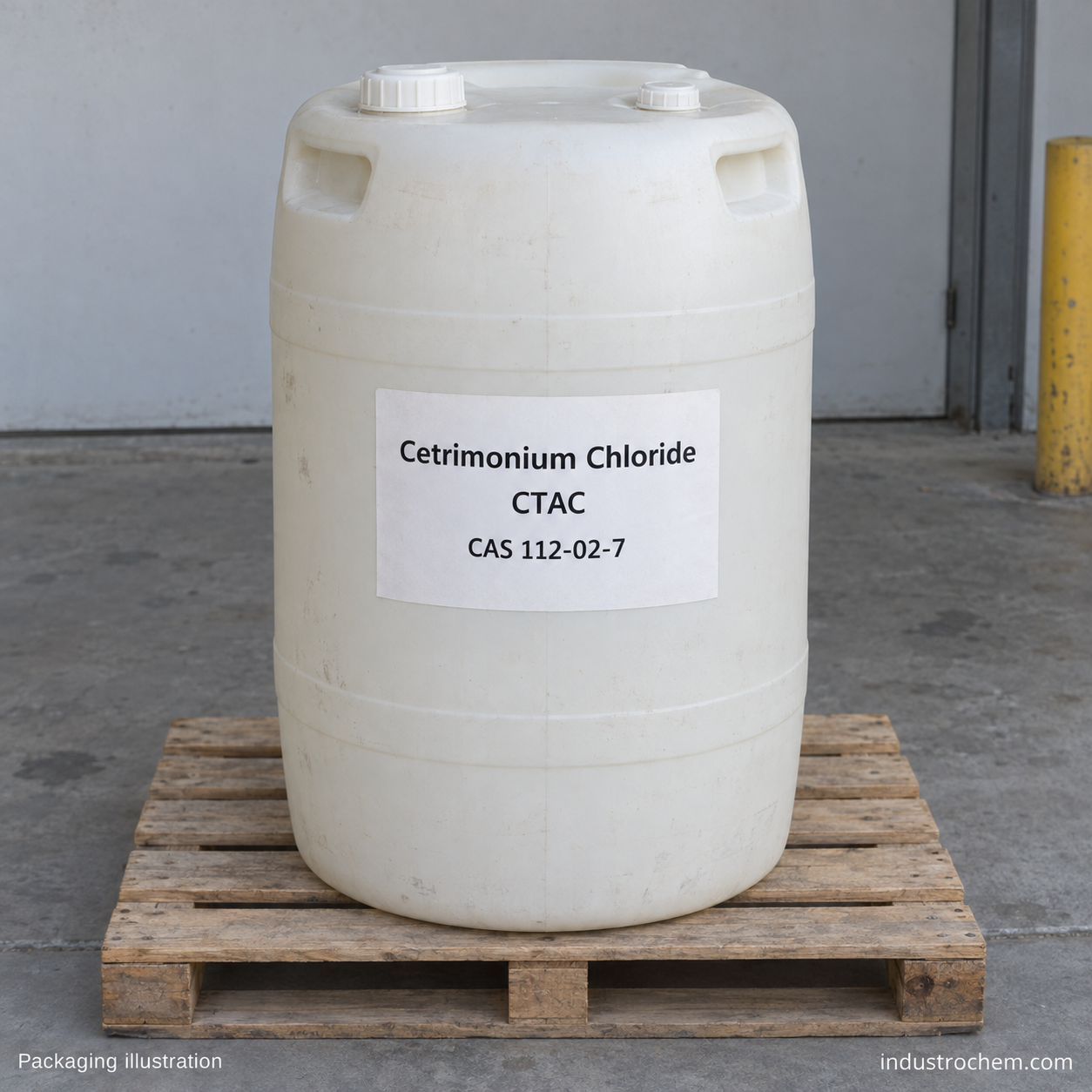
Benzalkonium Chloride (BAC/BKC) and Cetrimonium Chloride (CTAC) are long-chain quaternary ammonium materials with surfactant and phase-transfer uses. Their chain composition, active content, solvent and water content differ from TBAB. They are process-specific comparison materials, not equivalent grades of TBAB.
FAQ - Technical & Supply Chain
-
Q:
Are Tetrabutylammonium Bromide and TBAB the same substance?
A: Yes. TBAB is the common abbreviation for Tetrabutylammonium Bromide, CAS 1643-19-2, formula C₁₆H₃₆BrN. Tetrabutylammonium chloride, iodide and hydrogen sulfate are different salts. Their counterions change formula weight and process behavior, so the full salt identity matters when selecting a product. -
Q:
Which specifications should be agreed for Tetrabutylammonium Bromide?
A: Commercial TBAB grades may report assay by nonaqueous or bromide-based titration. The method and as-received or dry basis need to be stated. Karl Fischer water is a separate result; loss on drying can include other volatiles. Compare amine-related impurity limits where they affect the process. An HPLC ion-pair application does not mean that TBAB assay is measured by HPLC. -
Q:
How should bulk TBAB be packaged?
A: Solid TBAB is hygroscopic and needs moisture-resistant, tightly closed packaging. Pack size and delivery arrangements are agreed in the quotation. For an aqueous solution, specify the concentration separately. Keep the product protected from moisture and follow the supplied SDS for handling and storage.
Ordering & Documentation
Key information for document requests, quotations, and supply planning.
Documents
Tell us which documents your procurement team needs. Before an order, we will check whether the quoted source can provide them for the offered lot.
Quotation
Send the CAS number, grade, quantity, packing preference and destination.
Sample & Supply
Ask whether samples, trial quantities or repeat orders are possible. We will check each request against the sourced product and current offer.
Storage & Shipping
Product-specific conditions are confirmed before order.