



Dibutylamine (di-n-Butylamine), CAS 111-92-2, is a secondary aliphatic amine used in organic synthesis, including the production of intermediates for agrochemicals and rubber chemicals. Its two straight-chain n-butyl groups distinguish it from branched dibutylamine isomers. Assay, related-amine impurities and water content are key specification points.
Dibutylamine (di-n-Butylamine) CAS 111-92-2
- CAS: 111-92-2
- Synonyms: Dibutylamine; di-n-Butylamine; N-Butyl-1-butanamine; N,N-Dibutylamine
- Einecs: 203-921-8
- Molecular Formula: C₈H₁₉N
- Grade: Dibutylamine: assay, water and impurity limits by application
- Package: Tightly sealed, compatible packaging; pack size by quotation
Product Description
Dibutylamine (C₈H₁₉N; 129.25 g/mol; EC 203-921-8) is a secondary amine with two n-butyl groups and one N–H bond. The neat substance is a colorless to nearly colorless liquid at 20°C. Dibutylamine, di-n-butylamine and N-butyl-1-butanamine identify the same substance; branched dibutylamine isomers are different products.

We can provide COA (Certificate of Analysis), TDS (Technical Data Sheet), SDS (Safety Data Sheet), GC assay and related-amine impurity data, chromatograms and Karl Fischer water-test data for the quoted grade. GC peak-area percentage is not automatically a mass fraction or a water-content result. Send us the application, quantity and destination for a quotation; include any process-specific assay or impurity limits.
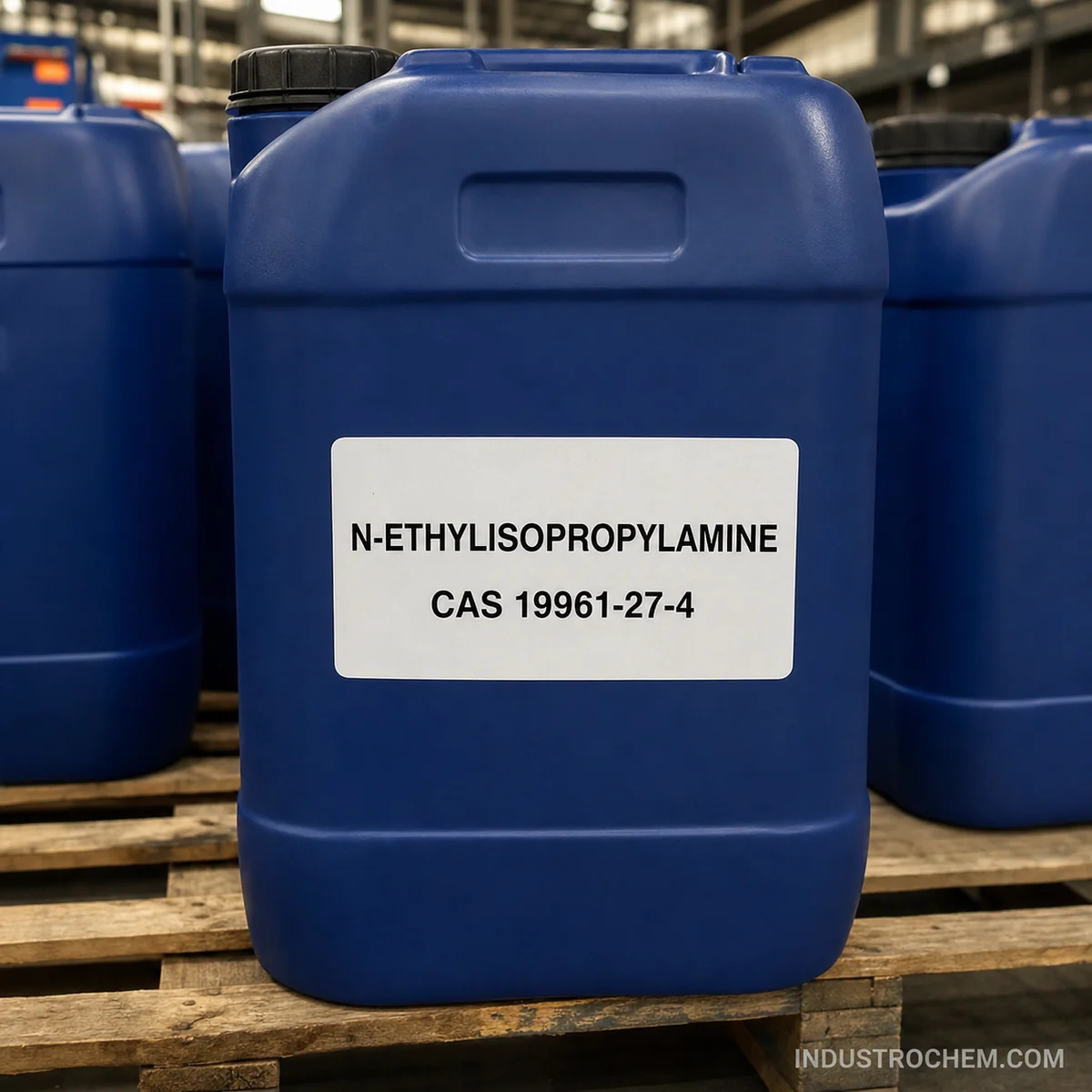
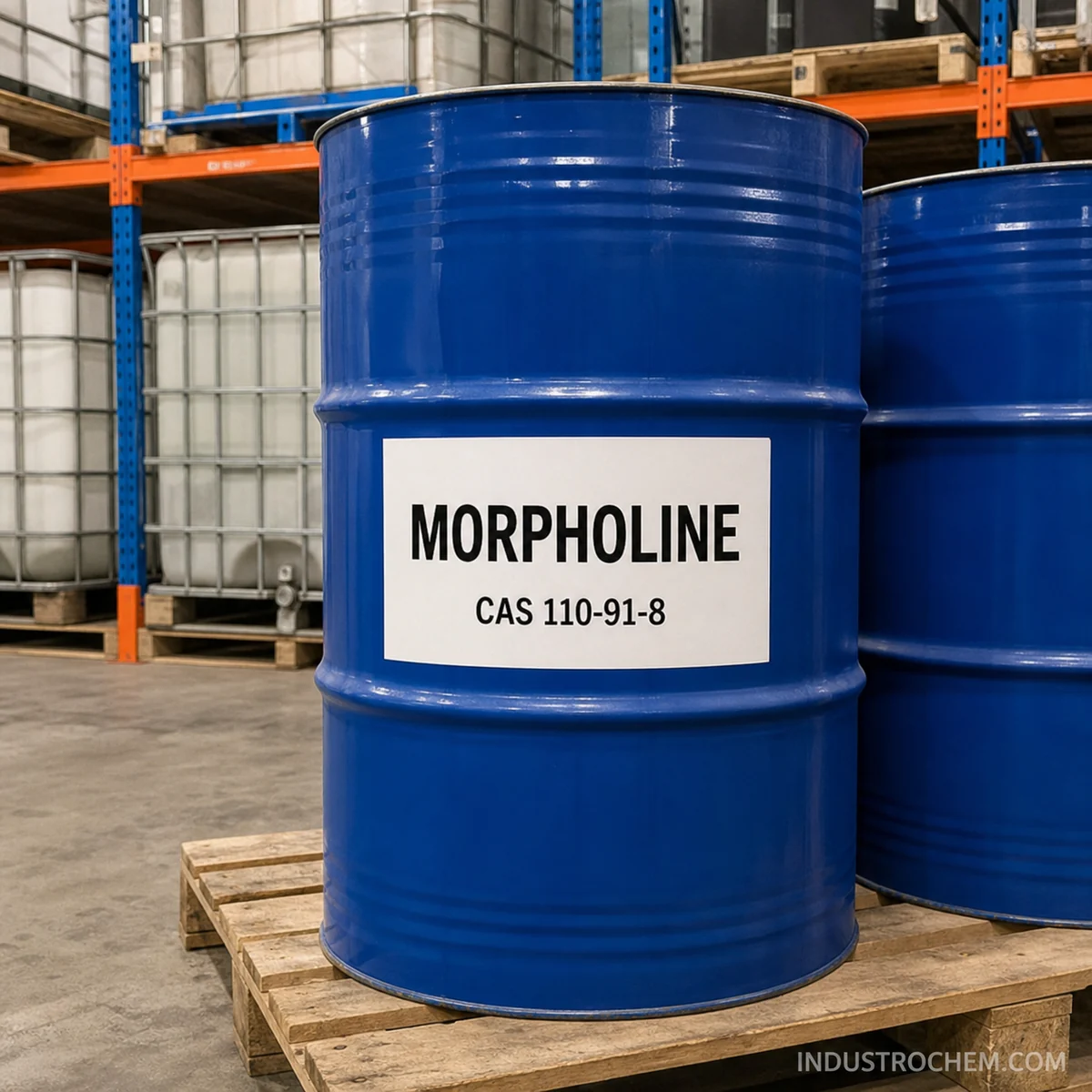
N-Ethylisopropylamine is another secondary amine with an N–H bond, but has an ethyl group and a branched isopropyl group rather than two n-butyl groups. Morpholine is a cyclic secondary amine containing an ether oxygen. Their structures change reaction behavior and product properties; they are synthesis-selection comparisons, not interchangeable grades of dibutylamine.
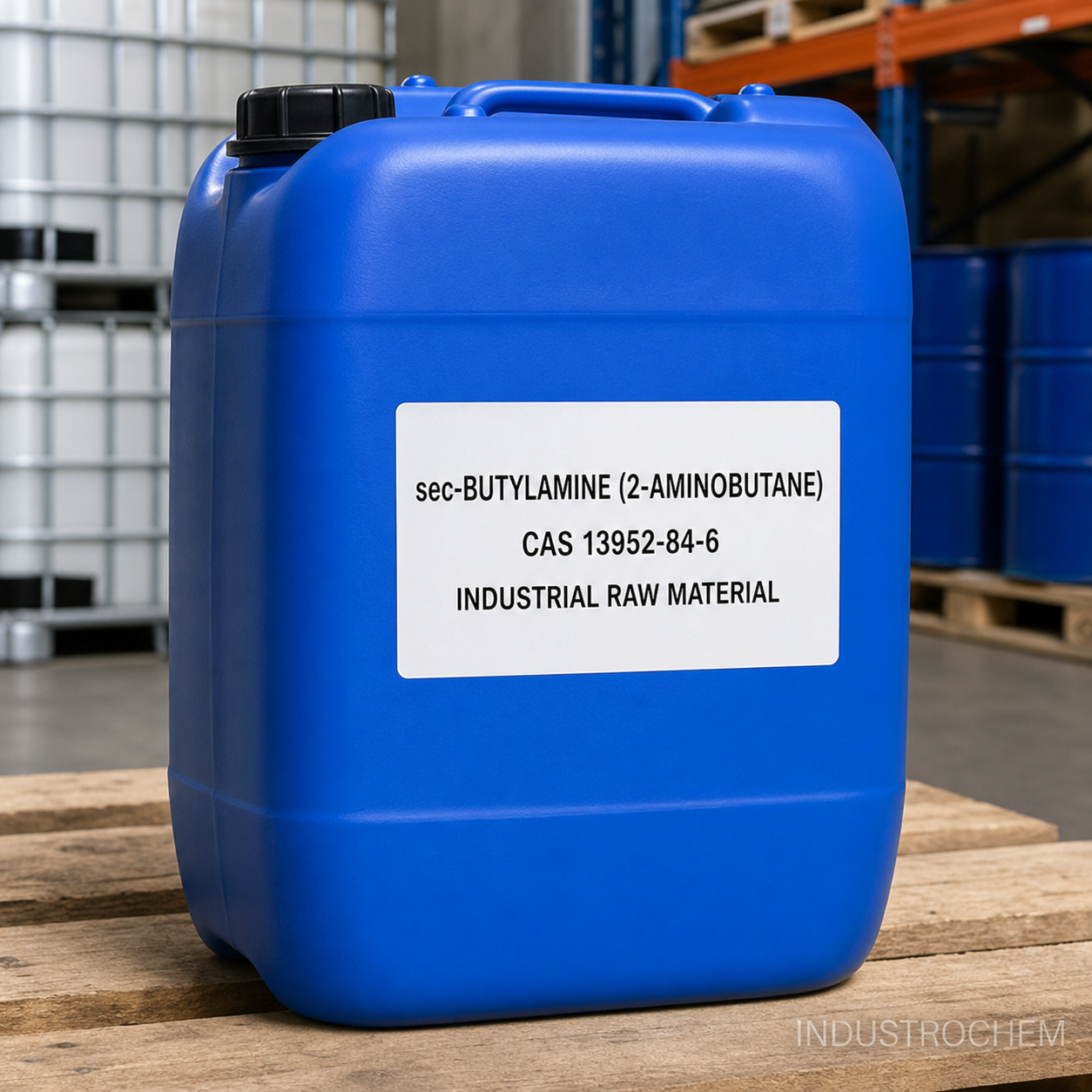
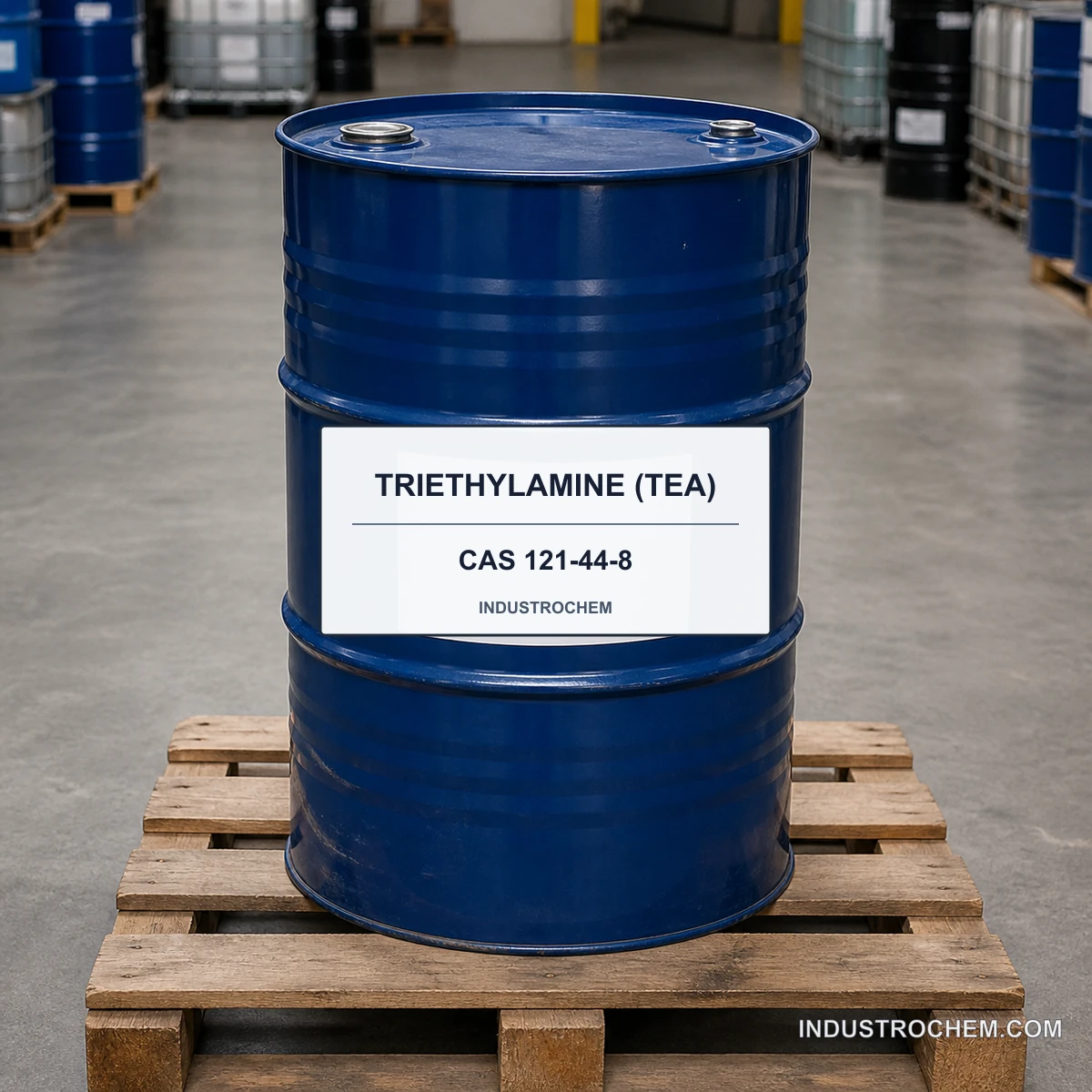
sec-Butylamine (2-Aminobutane) is a primary amine with an NH₂ group. Triethylamine (TEA) is a tertiary amine often used as an acid scavenger and has no N–H bond. These distinctions matter when choosing a reactive amine or a base for a synthesis; neither should be treated as a direct dibutylamine substitute.
FAQ - Technical & Supply Chain
-
Q:
Are Dibutylamine and di-n-Butylamine the same substance?
A: Yes. Both names identify CAS 111-92-2, formula C₈H₁₉N, with two straight-chain n-butyl groups on a secondary amine. N-butyl-1-butanamine is another name for the same substance. Diisobutylamine, di-sec-butylamine, n-butylamine and tributylamine are different substances, so the full name and CAS number matter. -
Q:
Which quality specifications matter for Dibutylamine?
A: Specify the GC assay method and reporting basis, related-amine impurity limits and water content for the intended synthesis. GC peak-area percentage is not automatically a mass fraction and does not replace a separate water result. Karl Fischer is an applicable water-test method. Color, density or boiling range can provide additional controls where relevant; their test conditions should be stated. -
Q:
How should bulk Dibutylamine be packaged?
A: Dibutylamine is flammable and corrosive. Packaging must be compatible and tightly closed, with handling and storage based on the supplied SDS. Pack size and delivery arrangements are specified in our quotation. For bulk unloading, agree the receiving connection and material compatibility before shipment.
Ordering & Documentation
Key information for document requests, quotations, and supply planning.
Documents
Tell us which documents your procurement team needs. Before an order, we will check whether the quoted source can provide them for the offered lot.
Quotation
Send the CAS number, grade, quantity, packing preference and destination.
Sample & Supply
Ask whether samples, trial quantities or repeat orders are possible. We will check each request against the sourced product and current offer.
Storage & Shipping
Product-specific conditions are confirmed before order.