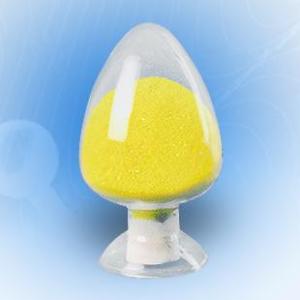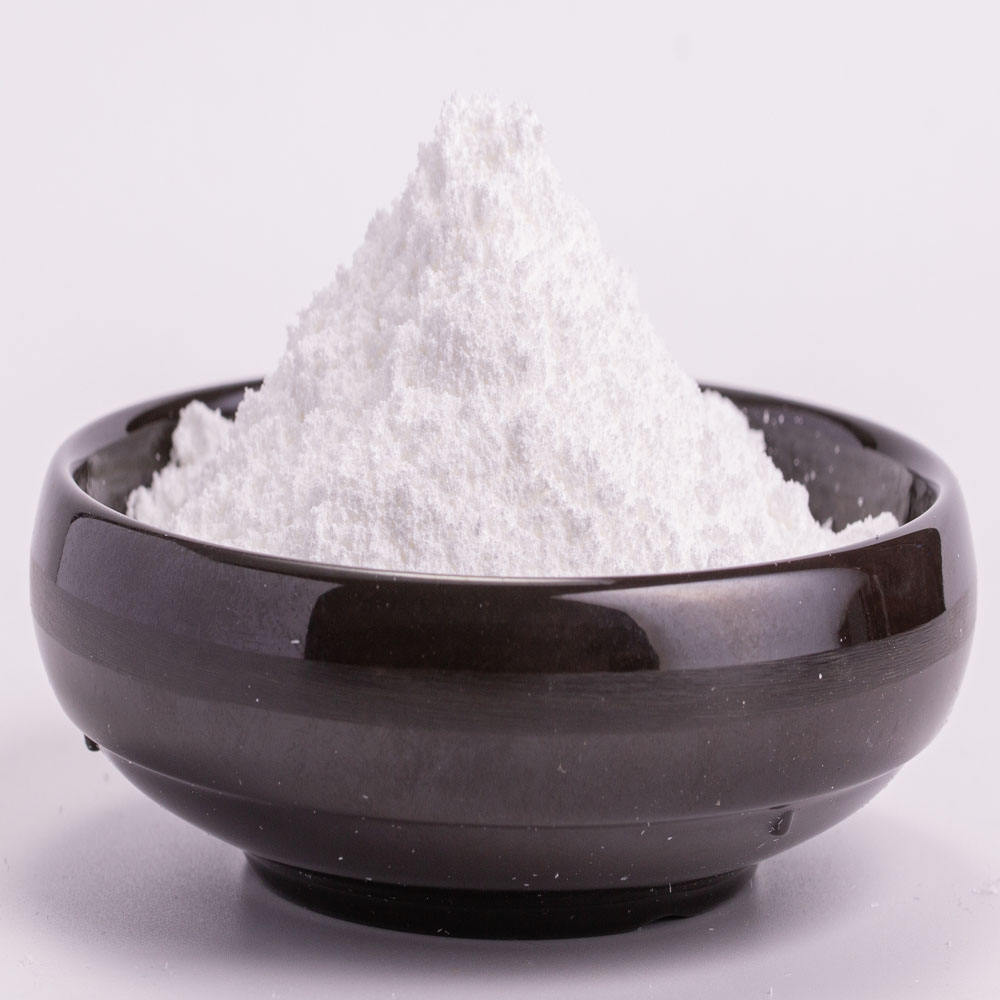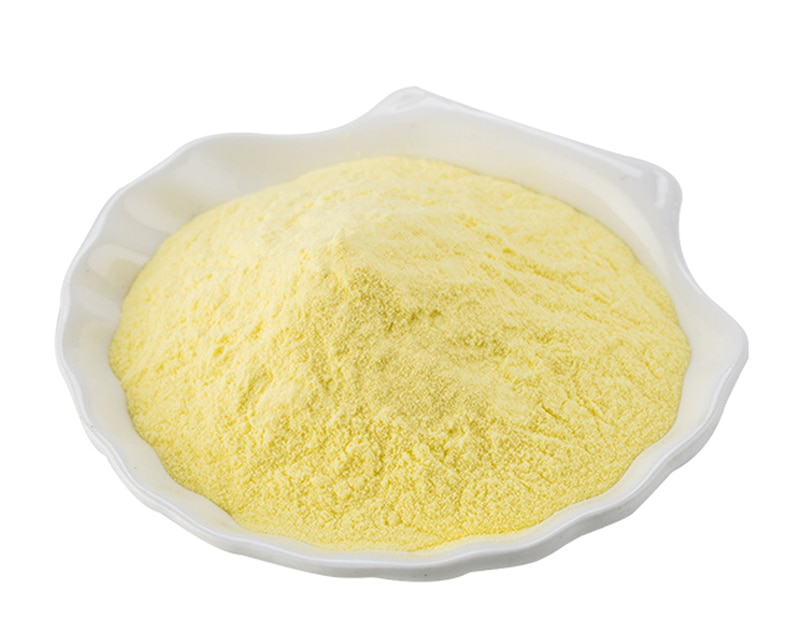
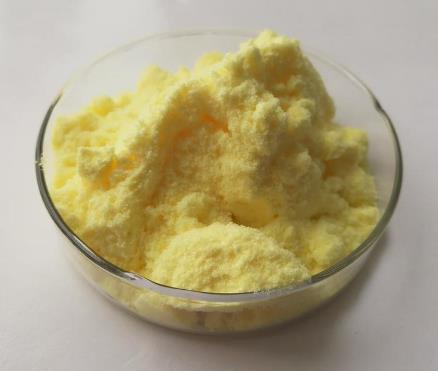

Alpha Lipoic Acid (CAS 1077-28-7), chemically identified as 1,2-dithiolane-3-pentanoic acid, is a sulfur-containing organic compound functioning as a versatile antioxidant and coenzyme in nutritional supplement compounding and cosmetic formulations. This yellow crystalline powder, also technically referred to as thioctic acid or 1,2-dithiolane-3-valeric acid, possesses unique solubility in both water and fat, making it a critical raw material for manufacturing dietary capsules and anti-aging topical products. We provide bulk supply of this high-purity ingredient with competitive factory pricing to facilitate efficient production for health and beauty brands. Our quality assurance protocols ensure consistent potency, making MSDS, TDS, COA available alongside customized specifications to meet diverse formulation standards.
Alpha Lipoic Acid CAS 1077-28-7
- CAS: 1077-28-7
- Synonyms: thioctic acid, 1,2-dithiolane-3-pentanoic acid, 1,2-dithiolane-3-valeric acid, 6,8-thioctic acid, dl-alpha-lipoic acid
- Einecs: 214-071-2
- Molecular Formula: C₈H₁₄O₂S₂
- Grade: Pharma / Nutraceutical grade
- Package: 25 kg fiber drum with double PE liner, or 1 kg aluminum foil bag inside carton (custom packaging available)
Product Description
Alpha Lipoic Acid (ALA) is a sulfur-containing antioxidant widely used in nutritional supplements, pharmaceuticals, and cosmetic formulations. It can function in both water- and fat-soluble environments, helping to scavenge free radicals and support energy metabolism.
📧 Email: info@industrochem.com – Contact us for COA, technical documents, and latest bulk prices.
Physicochemical Properties
| Item | Specification / Typical Data |
|---|---|
| CAS | 1077-28-7 |
| Molecular Formula | C₈H₁₄O₂S₂ |
| Molecular Weight | 206.33 g/mol |
| Appearance | Slightly yellow crystalline powder |
| Assay (HPLC, dried basis) | ≥ 99.0% (typical USP-type spec) |
| Melting Point | 60.0–62.0 °C |
| Boiling Point (literature) | ~160–165 °C (at reduced pressure) |
| Density (approx.) | 1.28 g/cm³ (rough estimate) |
| Solubility in Water | Low, ~0.9 g/L at 20 °C; practically insoluble |
| Solubility in Solvents | Soluble in ethanol, methanol, chloroform, diethyl ether |
| pKa (carboxyl group) | ~4.75 (predicted) |
| Specific Rotation | –1.0° to +1.0° (for DL-ALA) |
| Flash Point | Not highly flammable; some data ~>200 °C |
| Stability | Stable under recommended storage; sensitive to strong oxidizers and prolonged light/heat exposure |
| Heavy Metals | Typically NMT 10 ppm (Pb NMT 3 ppm, As NMT 1 ppm – typical spec) |
Applications
- Dietary Supplements & Nutraceuticals
- Used in capsules, tablets, and softgels as an antioxidant ingredient.
- Often combined with vitamins (e.g., B-group, vitamin C, vitamin E) for metabolic and immune support.
- Applied in formulations marketed for blood sugar management support, neuropathy support, and general wellness.
- Pharmaceutical & Clinical Nutrition
- Active ingredient or functional excipient in prescription or hospital nutrition products in some markets.
- Investigated for its role in managing diabetic complications, liver function support, and neuroprotective applications (depending on local regulations).
- Cosmetics & Personal Care
- Incorporated into anti-aging creams, serums, and dermal products as an antioxidant to help protect skin from oxidative stress.
- Can be used in combination with other actives (e.g., CoQ10, vitamin C, niacinamide) for premium skincare lines.
- Functional Foods & Beverages (where permitted)
- Added to fortified foods, drinks, or powder blends as a value-added antioxidant ingredient, subject to local food regulations.
Note: Actual application and dosage should follow local laws and regulations in the destination country.
Storage Conditions
- Store in a cool, dry, and well-ventilated warehouse.
- Recommended storage temperature: 2–8 °C for best stability.
- Keep container tightly closed, protected from moisture and direct sunlight.
- Avoid exposure to strong oxidizing agents and high temperatures.
- Use opened containers as soon as possible and reseal carefully after each use.
Safety Precautions
Based on safety data sheets and regulatory classifications, Alpha Lipoic Acid is generally considered of low acute toxicity, but industrial handling still requires standard chemical safety measures.
- Hazard Statements (typical EU/GHS classification):
- Harmful if swallowed.
- May cause irritation to eyes, skin, and respiratory tract at high dust levels.
- Personal Protective Equipment (PPE):
- Wear appropriate protective gloves, lab coat/overall, and safety glasses when handling bulk powder.
- Use dust mask or suitable respirator if dust formation is likely.
- Handling Advice:
- Avoid breathing dust; use local exhaust ventilation in production areas.
- Avoid contact with eyes, skin, and clothing.
- Do not eat, drink, or smoke when using this material; wash hands thoroughly after handling.
- First-Aid Measures:
- Inhalation: Move person to fresh air; seek medical attention if discomfort persists.
- Skin contact: Wash with soap and plenty of water; remove contaminated clothing.
- Eye contact: Rinse cautiously with water for several minutes; seek medical attention if irritation continues.
- Ingestion: Rinse mouth; do not induce vomiting; seek medical advice immediately.
- Spill & Disposal:
- Avoid creating dust; sweep up and place into suitable labelled containers for recovery or disposal.
- Dispose of in accordance with local, regional, and national regulations.
FAQ - Technical & Supply Chain
-
Q:
How is Alpha Lipoic Acid (CAS 1077-28-7) chemically characterized for industrial verification?
A: Alpha Lipoic Acid is characterized as a heterocyclic compound containing a disulfide group within a 1,2-dithiolane ring, structurally distinguished by its dual solubility profile in both aqueous and lipid environments. -
Q:
Is this Alpha Lipoic Acid intended for use in solid dosage forms or liquid formulations?
A: This material is suitable for industrial processing into both solid dosage forms (such as capsules and tablets) and liquid cosmetic emulsions due to its amphipathic chemical nature.
Documents and Product Support
For product review and sourcing evaluation, supporting documents can be coordinated according to the product type, inquiry stage, and order requirements.
- COA for batch-based quality reference
- TDS for key physical and chemical information
- SDS / MSDS for handling, storage, and safety reference
- Packing information for sample, trial, and bulk orders
- Technical communication based on application and specification requirements
Information to Confirm Before Quotation
Clear sourcing information helps reduce specification mismatch and allows a more accurate quotation before sample or bulk order discussion.
- Product name and CAS number
- Application or intended end use
- Required purity, grade, or specification
- Sample quantity, trial order, or bulk demand
- Preferred packing form or net weight
- Destination country or port
- Required documents or compliance expectations
Packaging, Storage, and Handling Notes
Packaging form, storage conditions, shelf life, and shipment arrangements should be confirmed according to the product characteristics, package size, and destination requirements.
Before order confirmation, buyers are advised to review the corresponding product documents and confirm whether any special storage, labeling, or handling requirements apply.
Sample, Bulk Order and Repeat Supply Support
Support can be arranged for sample discussion, bulk supply planning, packaging confirmation, and routine sourcing communication based on the actual product and order requirements.
For repeat-use formulations or long-term procurement plans, buyers may discuss specification consistency, packaging preferences, delivery expectations, and document coordination in advance.