









• 2-Naphthoxyacetic Acid CAS 120-23-0

2-Naphthoxyacetic Acid CAS 120-23-0

2-Naphthoxyacetic Acid (CAS 120-23-0), chemically identified as (2-naphthalenyloxy)acetic acid, is a synthetic auxin functioning as a potent active ingredient in plant growth regulator formulation. This technical grade material, also extensively known in the agrochemical industry as BNOA or beta-naphthoxyacetic acid, is utilized to stimulate fruit set and prevent premature fruit drop in the commercial cultivation of tomatoes, strawberries, and blackberries. We provide bulk supply of this agricultural raw material with competitive factory pricing to support global agrochemical manufacturers. Our production quality control ensures high purity suitable for formulating SL or WP end-products, making MSDS, TDS, COA available alongside customized specifications to meet regional registration requirements.

  • CAS: 120-23-0
  • Synonyms: BNOA, (2-naphthalenyloxy)acetic acid, beta-naphthoxyacetic acid, O-2-naphthylglycolic acid, 2-naphthalen-2-yloxyacetic acid
  • Einecs: 204-380-0
  • Molecular Formula: C₁₂H₁₀O₃
  • Package: 25 kg fiber drum or 1 kg aluminum foil bag, inner PE liner; other packing on request
Request a quote
Share:

Product Description

2-Naphthoxyacetic Acid (2-NOA, BNOA) is an auxin-type plant growth regulator widely used on tomatoes, grapes and other fruit crops to improve fruit set, reduce premature fruit drop and optimize fruit size and color. With a technical grade of 98% TC and stable physical properties, it is suitable for formulation and agricultural R&D use.
📧 Email: info@industrochem.com for quotations, COA and custom packaging details.

Physicochemical Properties

ItemSpecification / Data
Chemical name2-Naphthoxyacetic Acid
Synonyms(2-Naphthyloxy)acetic acid; 2-NOA; BNOA
CAS No.120-23-0
Einecs / EC No.204-380-0
Molecular formulaC₁₂H₁₀O₃
Molecular weight202.21 g/mol
Grade98% TC (Technical grade)
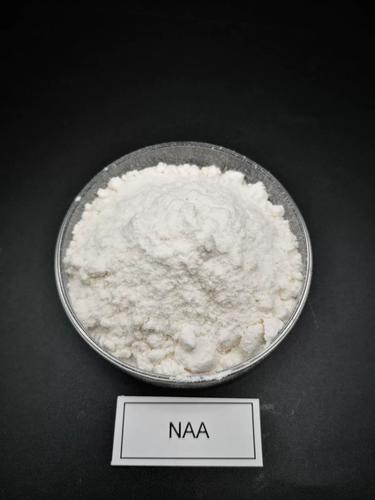
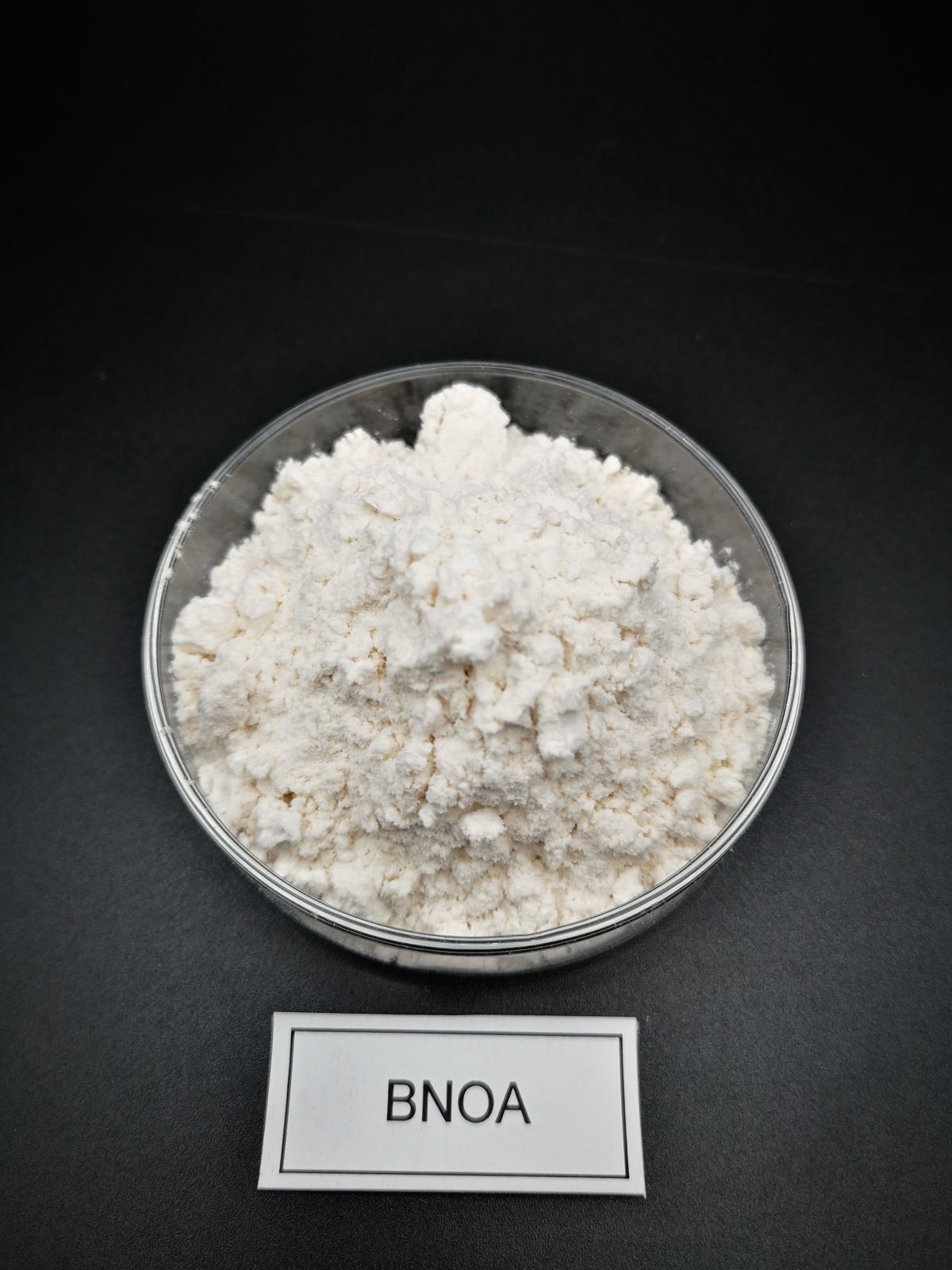
AppearanceGray to off-white crystalline powder
Assay≥ 98.0% (HPLC/GC, typical for 98% TC)
Melting pointApprox. 151–157 °C
Boiling point~300 °C (estimated)
Density~1.19 g/cm³ (20 °C, estimated)
Log Pow (25 °C)~2.5 (octanol/water partition coefficient)
pKa (25 °C)~3.2–3.6, weak organic acid
SolubilitySlightly soluble in water; soluble in alcohols, ether, acetic acid, DMSO
Vapor pressure (20 °C)~2.9 × 10⁻³ mPa (very low volatility)
FormCrystalline solid
Storage temperatureStore below 30 °C in a cool, dry place


Applications

Typical application fields (for further formulation or R&D use only):

  • Fruit and vegetable crops
    • Tomatoes, peppers and eggplants: promote flowering and fruit set, reduce flower and young fruit drop, improve early yield.
    • Grapes, apples, pears and other fruit trees: enhance fruit setting rate and improve fruit size and color uniformity.
  • Berry and specialty crops
    • Strawberries and small fruits: support fruit enlargement and improve commercial appearance.
  • Plant tissue culture / research
    • Used as an auxin-type component in plant tissue culture media and growth-regulation research.

Storage Conditions

To maintain product stability and activity, store 2-Naphthoxyacetic Acid under the following conditions:

  • Keep in tightly closed original containers.
  • Store in a cool, dry, well-ventilated warehouse, away from direct sunlight.
  • Recommended storage temperature: below 30 °C.
  • Protect from moisture, strong oxidizing agents and strong bases.
  • Avoid prolonged exposure to high temperature or strong light.

Safety Precautions

According to available safety data, 2-Naphthoxyacetic Acid is classified as harmful if swallowed and may cause skin and eye irritation and respiratory irritation.

Handling

  • Avoid formation and inhalation of dust.
  • Do not eat, drink or smoke while handling the material.
  • Use only in well-ventilated areas or with local exhaust.

Personal protection

  • Wear appropriate chemical-resistant gloves, long-sleeved protective clothing and safety shoes.
  • Use safety goggles or face shield to prevent eye contact.
  • In dusty conditions or inadequate ventilation, wear an appropriate dust/mist respirator.

First aid measures (general guidance)

  • Inhalation: Move the person to fresh air. Keep at rest and seek medical attention if symptoms persist.
  • Skin contact: Remove contaminated clothing, wash skin with plenty of soap and water. Get medical advice if irritation develops.
  • Eye contact: Rinse cautiously with clean water for several minutes. Remove contact lenses if easy to do. Seek medical attention if irritation continues.
  • Ingestion: Rinse mouth with water. Do not induce vomiting. Seek medical attention immediately.

Users should always refer to the latest SDS of their specific batch and follow local regulations for handling, transport and disposal.

FAQ - Technical & Supply Chain

  • Q:

    How is 2-Naphthoxyacetic Acid (CAS 120-23-0) chemically characterized for agricultural use?

    A: 2-Naphthoxyacetic Acid is characterized as a naphthalene derivative with an acetic acid side chain at the 2-position, structurally mimicking natural auxins to induce physiological responses in plant tissues.
  • Q:

    What is the primary industrial application of BNOA in agrochemicals?

    A: BNOA is primarily intended for use as the active ingredient in manufacturing plant growth regulators specifically designed to enhance fruit setting and prevent fruit drop in horticultural crops.
Documents

Documents and Product Support

For product review and sourcing evaluation, supporting documents can be coordinated according to the product type, inquiry stage, and order requirements.

  • COA for batch-based quality reference
  • TDS for key physical and chemical information
  • SDS / MSDS for handling, storage, and safety reference
  • Packing information for sample, trial, and bulk orders
  • Technical communication based on application and specification requirements
Quotation

Information to Confirm Before Quotation

Clear sourcing information helps reduce specification mismatch and allows a more accurate quotation before sample or bulk order discussion.

  • Product name and CAS number
  • Application or intended end use
  • Required purity, grade, or specification
  • Sample quantity, trial order, or bulk demand
  • Preferred packing form or net weight
  • Destination country or port
  • Required documents or compliance expectations
Storage & Handling

Packaging, Storage, and Handling Notes

Packaging form, storage conditions, shelf life, and shipment arrangements should be confirmed according to the product characteristics, package size, and destination requirements.

Before order confirmation, buyers are advised to review the corresponding product documents and confirm whether any special storage, labeling, or handling requirements apply.

Supply Support

Sample, Bulk Order and Repeat Supply Support

Support can be arranged for sample discussion, bulk supply planning, packaging confirmation, and routine sourcing communication based on the actual product and order requirements.

For repeat-use formulations or long-term procurement plans, buyers may discuss specification consistency, packaging preferences, delivery expectations, and document coordination in advance.

Contact Form

Use our contact form to send us your questions, suggestions or comments. We will respond as soon as possible.