










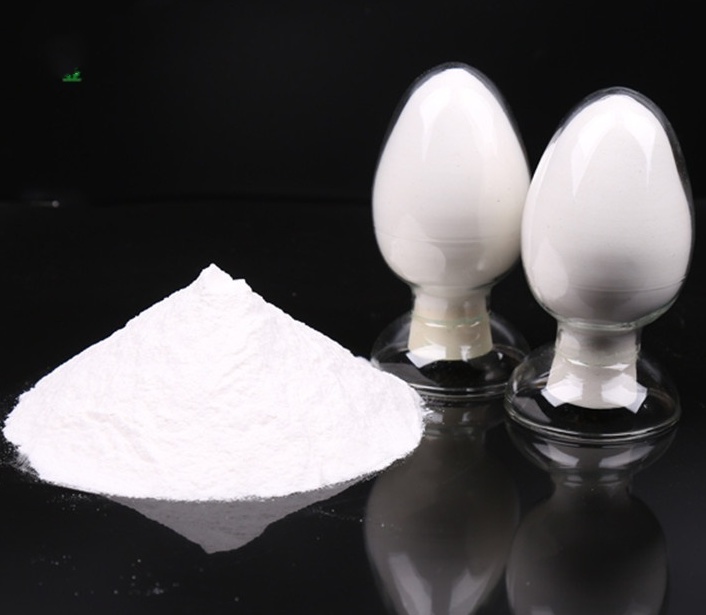
Gibberellic Acid (CAS 77-06-5) is a pentacyclic diterpene acid functioning as a highly active plant growth regulator in agricultural crop management and the malting industry. Chemically identified as Gibberellin A3 or GA3, this white to pale yellow crystalline powder acts to stimulate rapid cell elongation, break seed dormancy, and induce flowering. As a potent Gibberellin hormone derivative, it is widely utilized in grape viticulture to increase berry size and in breweries to accelerate barley germination. We ensure bulk supply capabilities for this material, providing access to competitive factory pricing and customized specifications to meet specific purity requirements (e.g., 90% TC). Full technical documentation, including MSDS, TDS, COA, is available to support compliance and safety protocols.
Gibberellic Acid CAS 77-06-5
- CAS: 77-06-5
- Einecs: 201-001-0
- Molecular Formula: C19H22O6
- Package: 1kg Aluminum Foil Bag, 25kg Fiber Drum, or Customized Tablets (5g/10g)
Product Description
Gibberellic Acid (GA3) is a natural phytohormone that plays a crucial role in regulating plant development. It is extracted through the fermentation of the fungus Gibberella fujikuroi. As a broad-spectrum plant growth regulator, it effectively promotes cell division and elongation.
Our GA3 is widely used in agriculture to stimulate rapid stem and root growth, induce flowering, increase fruit size, and produce seedless fruits (especially in grapes). It is also essential for breaking dormancy in seeds and tubers, ensuring uniform germination rates. The product is suitable for a wide variety of crops including rice, cotton, fruits, vegetables, and flowers.
Physicochemical Properties
| Parameter | Specification (90% Technical Grade) |
|---|---|
| Appearance | White to pale yellow crystalline powder |
| Active Ingredient (GA3) | ≥ 90.0% |
| Melting Point | 223°C – 225°C |
| Loss on Drying | ≤ 0.5% |
| pH Value | 2.0 – 4.0 (Acidic) |
| Residue on Ignition | ≤ 0.1% |
| Specific Optical Rotation | +80° to +90° |
| Solubility | Soluble in ethanol, methanol, acetone; Slightly soluble in water (Formulations like SP/TB are water-soluble) |
| Stability | Stable in dry state and acidic solution; Unstable in alkaline solution |
Applications
- Fruit Enhancement: Used on grapes, citrus, and pears to induce seedless fruit setting, increase fruit size, and prevent fruit drop.
- Rice Production: Promotes heading and flowering in hybrid rice seed production, significantly increasing yield.
- Dormancy Breaking: Applied to seed potatoes and other seeds to break dormancy and promote early and uniform sprouting.
- Vegetable Growth: Promotes stem elongation in celery, spinach, and other leafy vegetables to increase biomass and harvest quality.
- Floral Industry: Used to induce flowering in long-day plants and accelerate growth in ornamental plants.
- Malting: Accelerates the germination of barley in the brewing industry.
Storage Conditions
- Temperature: Store in a cool, dry place. Avoid high temperatures as heat can degrade potency.
- Light: Keep away from direct sunlight. The product is light-sensitive.
- Container: Keep the original packaging tightly sealed until ready for use.
- Shelf Life: 2 years under proper storage conditions.
Safety Precautions
- Toxicity: GA3 is a low-toxicity plant growth regulator, generally safe for humans and animals when used as directed.
- Handling: Avoid contact with skin and eyes. Do not inhale dust/mist. Wear protective gloves and a mask during application.
- Hygiene: Wash hands and exposed skin thoroughly with soap and water after handling.
- Restrictions: Do not mix with alkaline pesticides or fertilizers, as GA3 decomposes rapidly in alkaline conditions.
FAQ - Technical & Supply Chain
-
Q:
Technically, what defines Gibberellic Acid CAS 77-06-5 as an agrochemical standard?
A: Gibberellic Acid (CAS 77-06-5) is chemically characterized as a diterpenoid lactone, specifically known as Gibberellin A3, and is supplied as a high-purity crystalline substance for modulating plant physiological development. -
Q:
Is this growth regulator suitable for increasing fruit yield in horticulture?
A: Yes, this material is typically applied in horticultural practices, such as viticulture and citrus farming, to enhance fruit setting, increase size, and improve overall crop uniformity.
Documents and Product Support
For product review and sourcing evaluation, supporting documents can be coordinated according to the product type, inquiry stage, and order requirements.
- COA for batch-based quality reference
- TDS for key physical and chemical information
- SDS / MSDS for handling, storage, and safety reference
- Packing information for sample, trial, and bulk orders
- Technical communication based on application and specification requirements
Information to Confirm Before Quotation
Clear sourcing information helps reduce specification mismatch and allows a more accurate quotation before sample or bulk order discussion.
- Product name and CAS number
- Application or intended end use
- Required purity, grade, or specification
- Sample quantity, trial order, or bulk demand
- Preferred packing form or net weight
- Destination country or port
- Required documents or compliance expectations
Packaging, Storage, and Handling Notes
Packaging form, storage conditions, shelf life, and shipment arrangements should be confirmed according to the product characteristics, package size, and destination requirements.
Before order confirmation, buyers are advised to review the corresponding product documents and confirm whether any special storage, labeling, or handling requirements apply.
Sample, Bulk Order and Repeat Supply Support
Support can be arranged for sample discussion, bulk supply planning, packaging confirmation, and routine sourcing communication based on the actual product and order requirements.
For repeat-use formulations or long-term procurement plans, buyers may discuss specification consistency, packaging preferences, delivery expectations, and document coordination in advance.


