










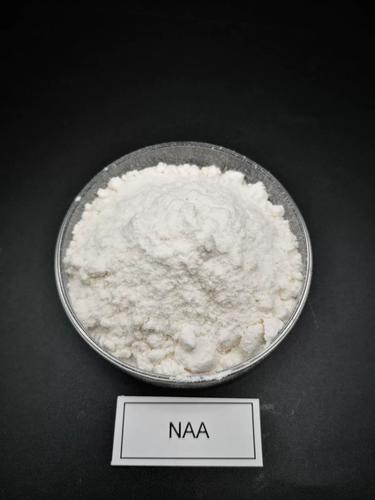
• Naphthalene Acetic Acid CAS 86-87-3

Naphthalene Acetic Acid CAS 86-87-3

Naphthalene Acetic Acid (CAS 86-87-3) is a synthetic plant hormone belonging to the auxin family, functioning as a potent regulator for root induction and fruit setting in agricultural crops. Chemically designated as 1-Naphthaleneacetic acid or NAA, this white crystalline powder acts to stimulate cell elongation and prevent pre-harvest fruit drop in horticultural management. As a vital Alpha-naphthylacetic acid active ingredient, it is widely formulated into rooting powders and soluble concentrates to enhance vegetative propagation and yield stability. We ensure bulk supply capabilities for this material, providing access to competitive factory pricing and customized specifications to meet specific purity levels. Full technical documentation, including MSDS, TDS, COA, is available to support compliance and safety protocols.

  • CAS: 86-87-3
  • Synonyms: 1-Naphthaleneacetic acid, Alpha-naphthylacetic acid, NAA, 1-Naphthylacetic acid
  • Einecs: 201-705-8
  • Molecular Formula: C₁₂H₁₀O₂
  • Grade: Technical Grade (98% TC)
  • Package: 1kg Aluminum Foil Bag / 25kg Fiber Drum
Request a quote
Share:

Product Description

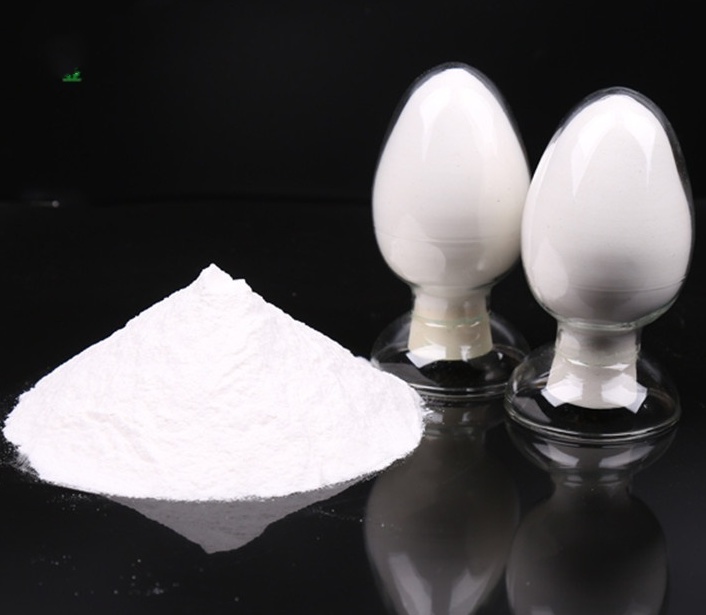
Naphthalene Acetic Acid (NAA) is a white, crystalline powder that acts similarly to the naturally occurring auxin, Indole Acetic Acid (IAA), but with greater stability and effectiveness.

Key Characteristics:

  • Mechanism: It enters the plant through leaves, tender skin, and seeds. It is transported to active growing sites where it stimulates cell division and tissue differentiation.
  • Solubility Note: The pure acid form (CAS 86-87-3) is not directly soluble in cold water. It must be dissolved in a small amount of alcohol, acetone, or alkaline solution (like Sodium Hydroxide) before being diluted with water for application.
  • Synergy: It is often formulated with Indole-3-Butyric Acid (IBA) to create powerful rooting compounds for difficult-to-root plant species.

Physicochemical Properties

The following specifications are based on the standard 98% Technical Concentrate (TC) export grade.

ParameterSpecification
AppearanceWhite to off-white crystalline powder
Assay (Purity)≥ 98.0%
Melting Point129.0°C – 132.0°C
Loss on Drying≤ 0.5%
Residue on Ignition≤ 0.1%
Water SolubilityInsoluble in cold water
Solvent SolubilitySoluble in Ethanol, Acetone, Ether, Chloroform
Free Acid≤ 0.2%

Applications

  1. Rooting Promotion:
    • Applied to the base of cuttings (dipping or soaking) to induce rapid root formation in tea, grapes, roses, and timber trees.
  2. Fruit Thinning & Anti-Drop:
    • Apples & Pears: Used for thinning excess fruit early in the season to improve fruit size.
    • Pre-Harvest: Sprayed weeks before harvest to prevent premature fruit drop, significantly increasing marketable yield.
  3. Flowering Control:
    • Used in pineapples to induce uniform flowering, allowing for synchronized harvest.
  4. Yield Enhancement:
    • Prevents hollow seeds in vegetables and increases the weight of grains in crops like wheat and rice.

Storage Conditions

  • Environment: Store in a cool, dry, and well-ventilated warehouse.
  • Light: Sensitive to light. Store in light-resistant (opaque) containers.
  • Temperature: Keep separate from fire and heat sources. Recommended storage temperature is below 30°C.
  • Isolation: Do not store or transport with food, beverages, grains, or animal feed.

Safety Precautions

  • Handling: NAA is an organic acid and can cause irritation. Avoid direct contact with skin and eyes.
  • Inhalation: Do not breathe dust. Use local exhaust ventilation.
  • PPE: Wear protective gloves, safety goggles, and a dust mask (N95 or equivalent) during handling.
  • First Aid:
    • Eyes: Rinse immediately with plenty of water for at least 15 minutes.
    • Skin: Wash off with soap and water.
  • Toxicity: Low toxicity to humans but highly active on plants. Follow dosage instructions carefully to avoid phytotoxicity (burning of crops).

FAQ - Technical & Supply Chain

  • Q:

    How is the chemical structure of Naphthalene Acetic Acid CAS 86-87-3 characterized in the agrochemical industry?

    A: Naphthalene Acetic Acid (CAS 86-87-3) is a synthetic auxin chemically identified as 1-Naphthaleneacetic acid, supplied as a high-purity crystalline solid for use in regulating plant physiological processes.
  • Q:

    Is this active ingredient suitable for rooting formulations?

    A: Yes, this material is typically applied in the production of rooting compounds and fertilizers to stimulate adventitious root formation in cuttings and transplants.
Documents

Documents and Product Support

For product review and sourcing evaluation, supporting documents can be coordinated according to the product type, inquiry stage, and order requirements.

  • COA for batch-based quality reference
  • TDS for key physical and chemical information
  • SDS / MSDS for handling, storage, and safety reference
  • Packing information for sample, trial, and bulk orders
  • Technical communication based on application and specification requirements
Quotation

Information to Confirm Before Quotation

Clear sourcing information helps reduce specification mismatch and allows a more accurate quotation before sample or bulk order discussion.

  • Product name and CAS number
  • Application or intended end use
  • Required purity, grade, or specification
  • Sample quantity, trial order, or bulk demand
  • Preferred packing form or net weight
  • Destination country or port
  • Required documents or compliance expectations
Storage & Handling

Packaging, Storage, and Handling Notes

Packaging form, storage conditions, shelf life, and shipment arrangements should be confirmed according to the product characteristics, package size, and destination requirements.

Before order confirmation, buyers are advised to review the corresponding product documents and confirm whether any special storage, labeling, or handling requirements apply.

Supply Support

Sample, Bulk Order and Repeat Supply Support

Support can be arranged for sample discussion, bulk supply planning, packaging confirmation, and routine sourcing communication based on the actual product and order requirements.

For repeat-use formulations or long-term procurement plans, buyers may discuss specification consistency, packaging preferences, delivery expectations, and document coordination in advance.

Contact Form

Use our contact form to send us your questions, suggestions or comments. We will respond as soon as possible.