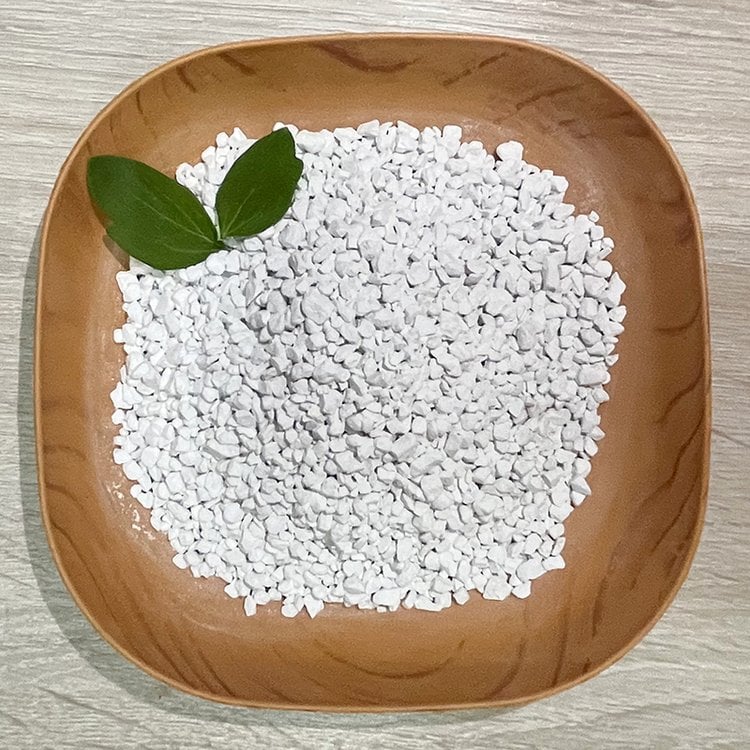










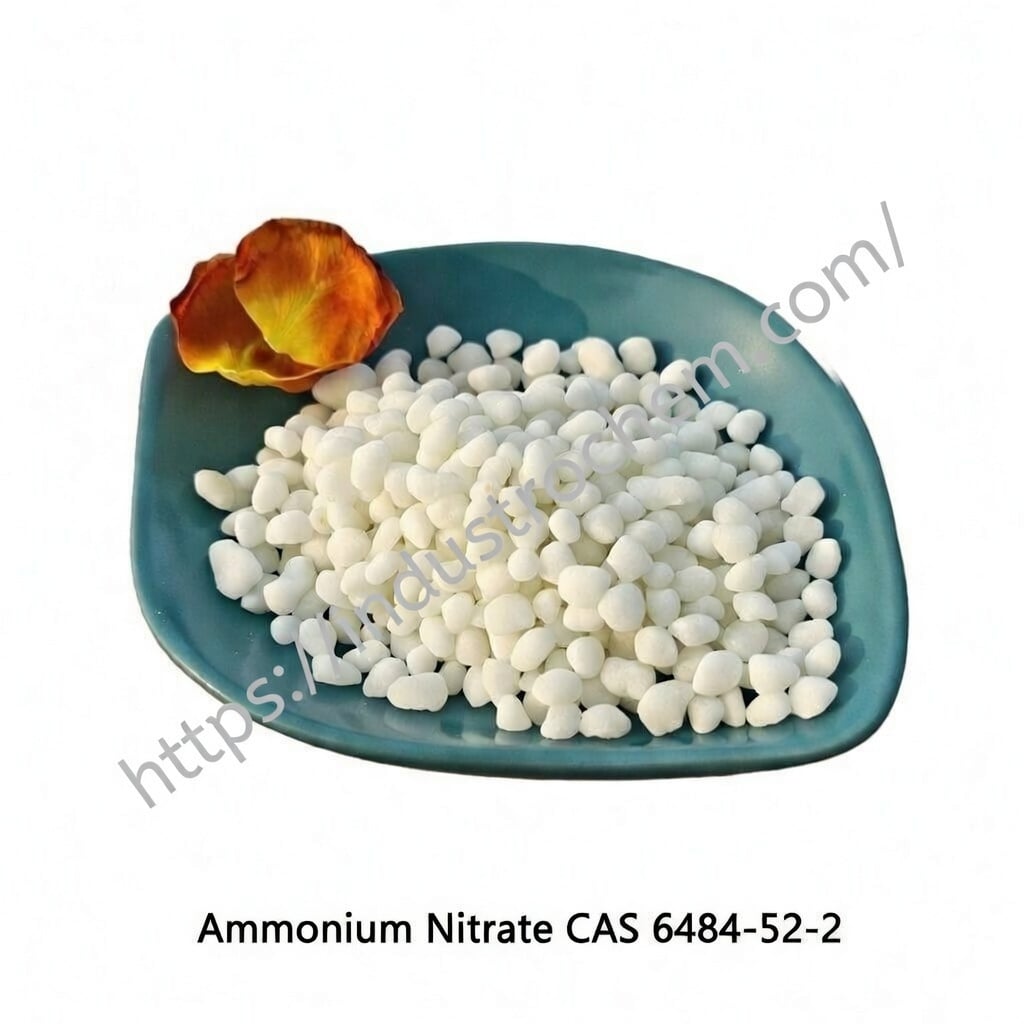
Ammonium Nitrate is a crystalline white solid widely utilized within the Energy & Agriculture sector as a dual-source nitrogen fertilizer for large-scale crop cultivation. This inorganic salt functions by delivering nitrogen in two distinct forms: the nitrate ion, which is immediately available for plant uptake, and the ammonium ion, which undergoes gradual nitrification to provide sustained nourishment throughout the growing cycle. In industrial agricultural processes, it is typically applied in prilled or granular form to ensure uniform distribution and optimal solubility in irrigation systems. The chemical stability and nutrient density of this compound make it a preferred choice for high-yield farming of cereals, oilseeds, and forage crops. We provide this essential agricultural raw material with competitive factory pricing to meet global bulk demands, offering customized specifications regarding coating agents and particle size distributions to prevent caking. All shipments are managed under strict regulatory compliance and are accompanied by MSDS, TDS, COA to ensure safe handling and verification of nitrogen content, supporting reliable bulk supply for international distributors and farming cooperatives.
Ammonium Nitrate CAS 6484-52-2
- CAS: 6484-52-2
- Synonyms: Nitric Acid Ammonium Salt, Ammonium(I) Nitrate, Nitrogenous Fertilizer Compound, Prilled Ammonium Nitrate, High-Nitrogen Agricultural Nutrient
- Einecs: 229-347-8
- Molecular Formula: NH4NO3
- Grade: Agricultural / Industrial Grade
- Package: 25kg/50kg PP/PE bags or 1000kg Big Bags
Product Description
Technical Data
| Physicochemical Properties | Specification (Typical Data) |
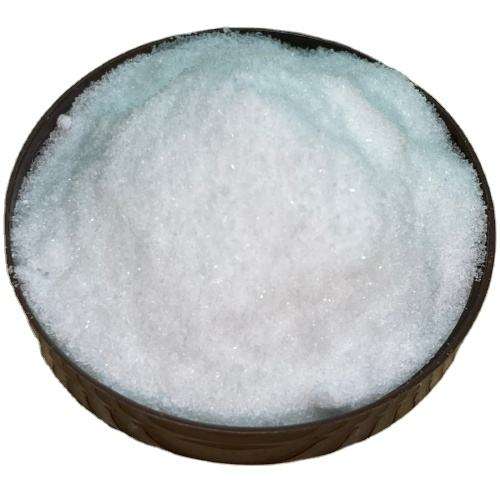
| Appearance | White prills or granules |
| Total Nitrogen Content | ≥ 34.0% – 34.8% |
| Ammoniacal Nitrogen | ≥ 17.0% |
| Nitrate Nitrogen | ≥ 17.0% |
| Moisture (H2O) | ≤ 0.5% |
| pH (10% aqueous solution) | 4.5 – 6.0 |
| Water Insolubles | ≤ 0.05% |
| Particle Size (1.0mm – 4.0mm) | ≥ 95% |
Applications
- Direct Soil Application: Used as a top-dressing fertilizer for wheat, corn, and cotton to promote rapid vegetative growth.
- Fertigation Systems: Highly soluble form used in specialized irrigation and liquid fertilizer blending.
- Compound Fertilizer Production: Serves as a base nitrogen component in the manufacturing of NPK (Nitrogen-Phosphorus-Potassium) blends.
- Industrial Fermentation: Utilized in some industrial processes as a nitrogen source for microbial growth.
Storage & Safety
- Storage: Store in a dedicated, cool, dry, and well-ventilated facility. Keep strictly isolated from organic materials, reducing agents, powdered metals, and heat sources. Ensure the storage area is protected from moisture to prevent clumping.
- Safety (PPE): Wear standard protective gear, including dust masks, safety goggles, and gloves during handling. Ammonium Nitrate is an oxidizing agent; follow all local and international maritime (IMDG) regulations for the transport and storage of hazardous chemicals.
Quality Assurance
Our production of Ammonium Nitrate follows rigorous safety and quality protocols. We employ specialized anti-caking treatments to ensure the free-flowing property of the prills during long-term storage and transport. Each batch is tested for nitrogen purity and moisture levels to guarantee consistent field performance. We adhere to all international security and safety standards required for the handling of nitrate-based compounds.
FAQ - Technical & Supply Chain
-
Q:
How is the identity of CAS 6484-52-2 confirmed in technical documentation?
A: The identity is verified through the CAS registry number 6484-52-2 and the specific nitrogen distribution ratio of 1:1 between ammoniacal and nitrate nitrogen. This is explicitly detailed in the COA to distinguish it from other nitrogenous salts like Ammonium Sulfate or Urea. -
Q:
Is this product suitable for use in high-moisture tropical agricultural environments?
A: Yes, while Ammonium Nitrate is hygroscopic, our industrial supply is typically treated with a specialized surface coating (anti-caking agent). This treatment is intended to minimize moisture absorption and maintain the structural integrity of the prills, ensuring they remain suitable for mechanical broadcasting in various climatic conditions.
Documents and Product Support
For product review and sourcing evaluation, supporting documents can be coordinated according to the product type, inquiry stage, and order requirements.
- COA for batch-based quality reference
- TDS for key physical and chemical information
- SDS / MSDS for handling, storage, and safety reference
- Packing information for sample, trial, and bulk orders
- Technical communication based on application and specification requirements
Information to Confirm Before Quotation
Clear sourcing information helps reduce specification mismatch and allows a more accurate quotation before sample or bulk order discussion.
- Product name and CAS number
- Application or intended end use
- Required purity, grade, or specification
- Sample quantity, trial order, or bulk demand
- Preferred packing form or net weight
- Destination country or port
- Required documents or compliance expectations
Packaging, Storage, and Handling Notes
Packaging form, storage conditions, shelf life, and shipment arrangements should be confirmed according to the product characteristics, package size, and destination requirements.
Before order confirmation, buyers are advised to review the corresponding product documents and confirm whether any special storage, labeling, or handling requirements apply.
Sample, Bulk Order and Repeat Supply Support
Support can be arranged for sample discussion, bulk supply planning, packaging confirmation, and routine sourcing communication based on the actual product and order requirements.
For repeat-use formulations or long-term procurement plans, buyers may discuss specification consistency, packaging preferences, delivery expectations, and document coordination in advance.