









Flazasulfuron is a sulfonylurea herbicide active identified by CAS 104040-78-0. Confirm the intended market, legal use pattern, technical-material requirements, and current product-specific data before a formulation decision.
Flazasulfuron CAS 104040-78-0
- CAS: 104040-78-0
- Synonyms: Flazasulfuron; SL-160; OK-1166
- Einecs: 600-514-0
- Molecular Formula: C₁₃H₁₂F₃N₅O₅S
- Grade: Confirm the current product-specific specification.
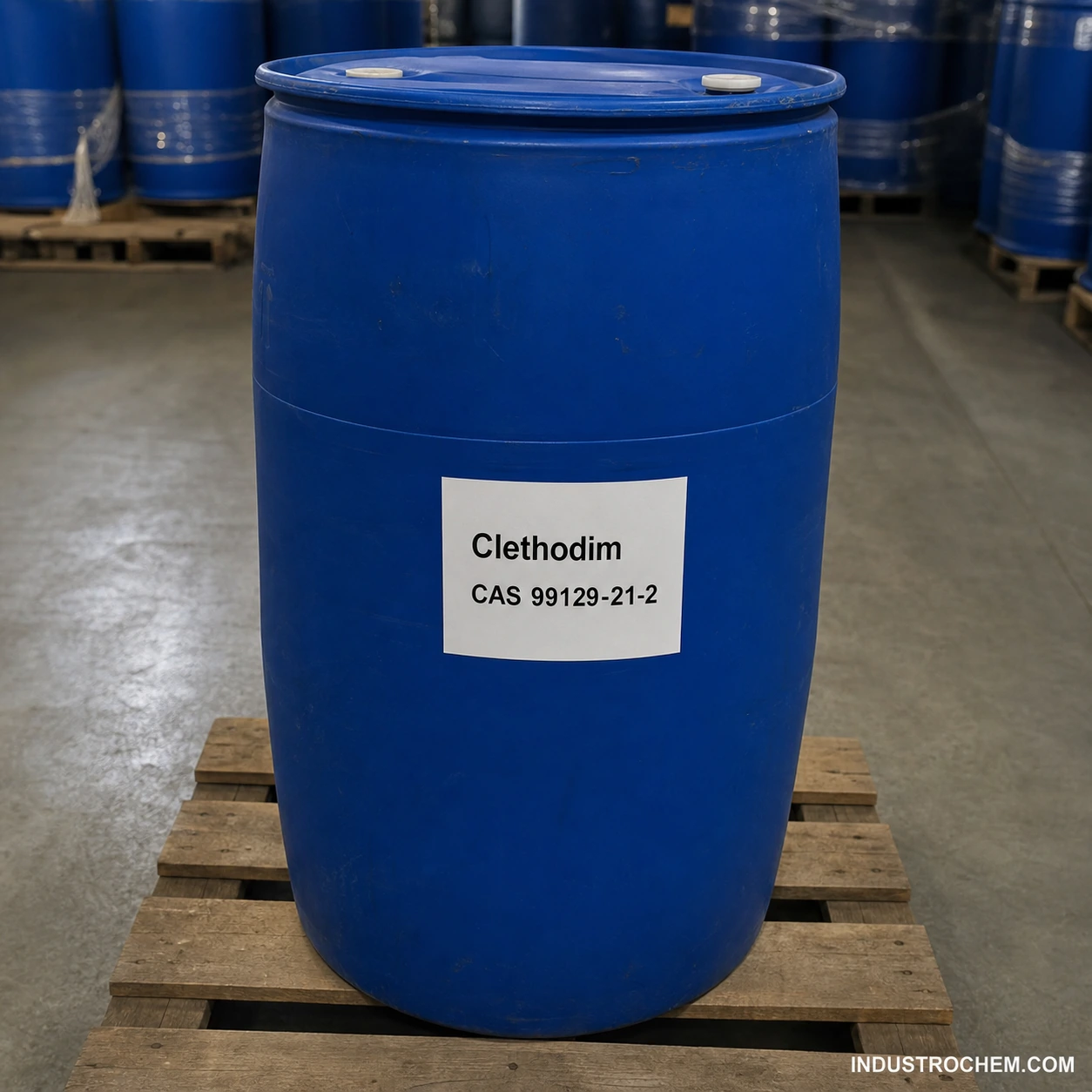
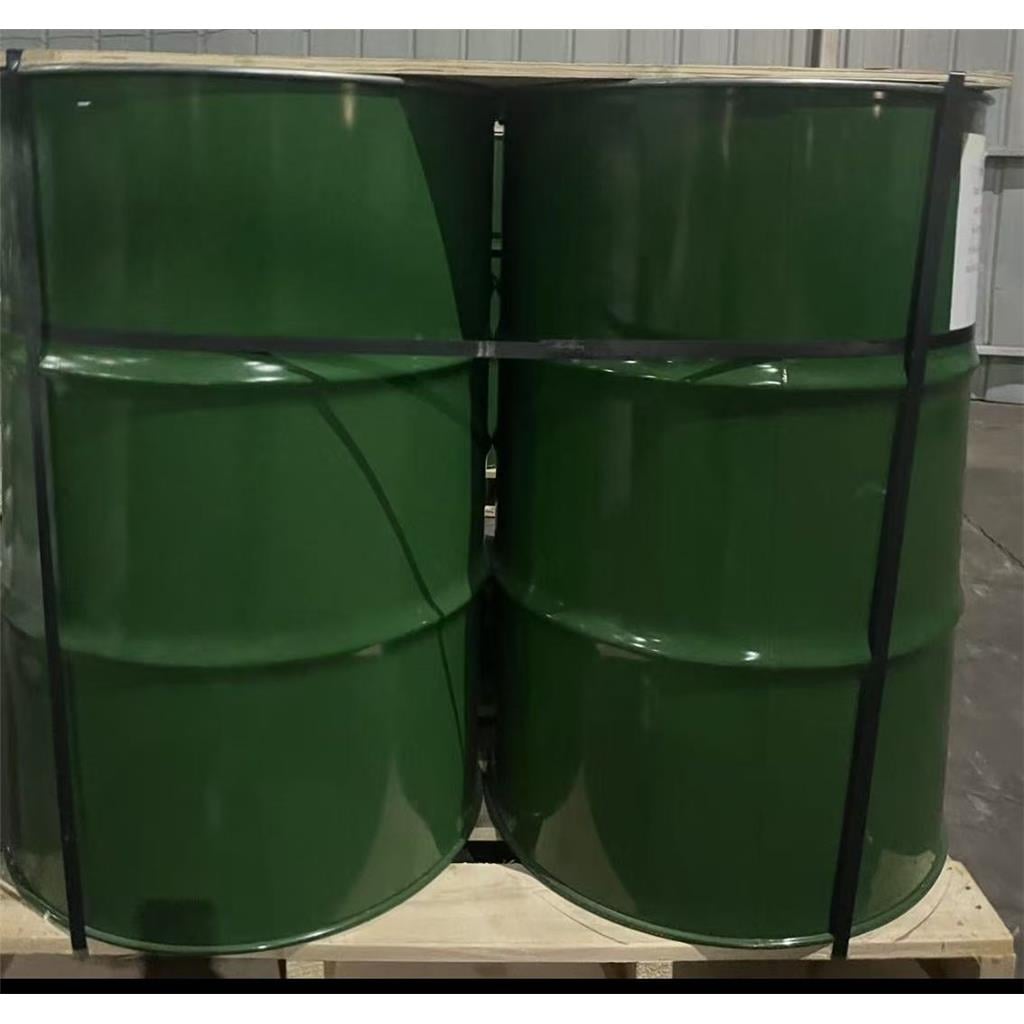
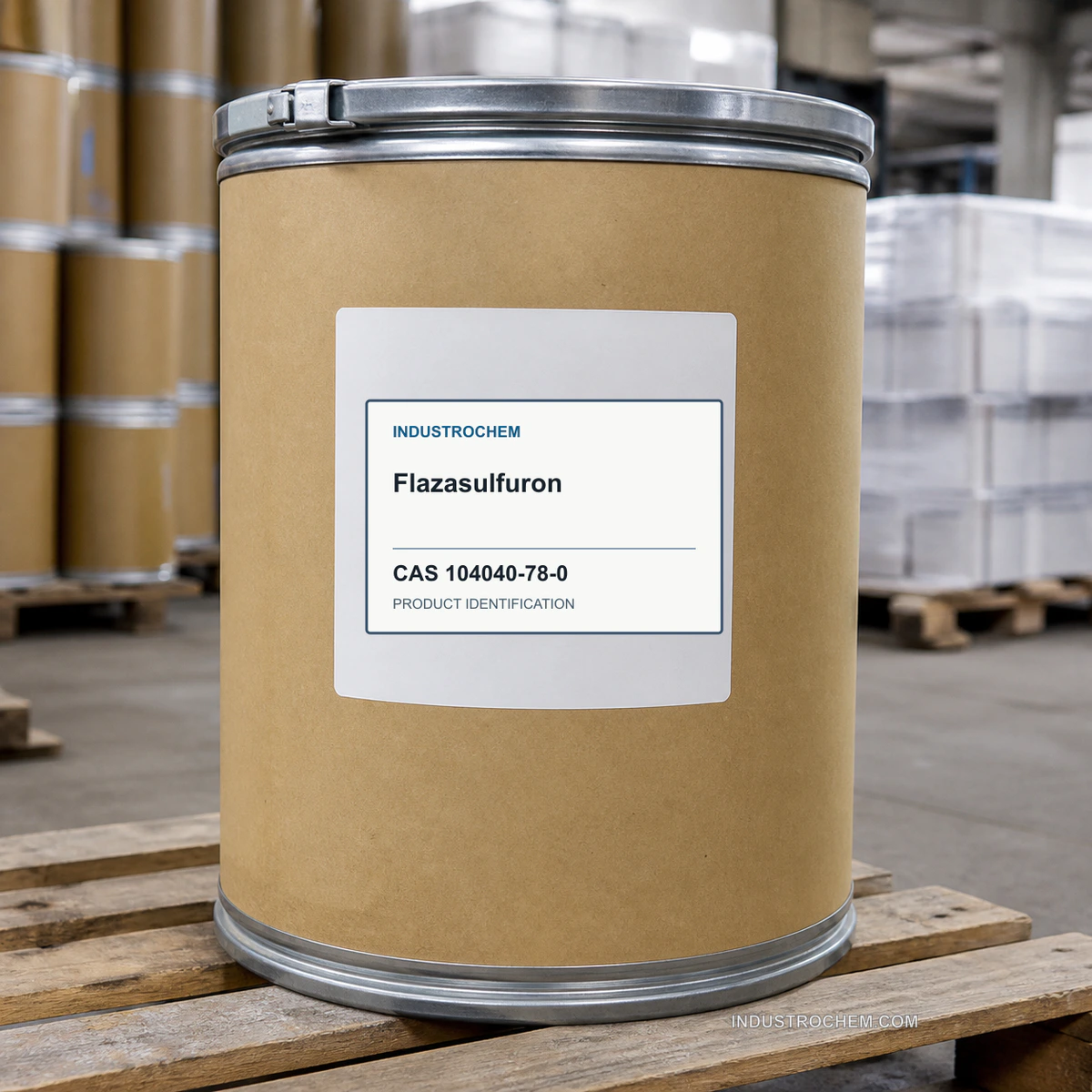
- Package: Confirm packaging with the requested quantity and destination requirements.
Product Description
Flazasulfuron, CAS 104040-78-0, is the international common name for a sulfonylurea herbicide active ingredient.
Synonyms: Flazasulfuron; SL-160; OK-1166.
CAS: 104040-78-0.
Molecular formula: C₁₃H₁₂F₃N₅O₅S.
Molecular weight: 407.33 g/mol.
EC number: 600-514-0.
Mode of action: Flazasulfuron inhibits acetolactate synthase (ALS); assess use with the applicable local label and registration requirements.
Confirm the current product-specific specification, including technical-material or formulation strength (for example about 95% TC technical or 25% WG/WDG formulations).
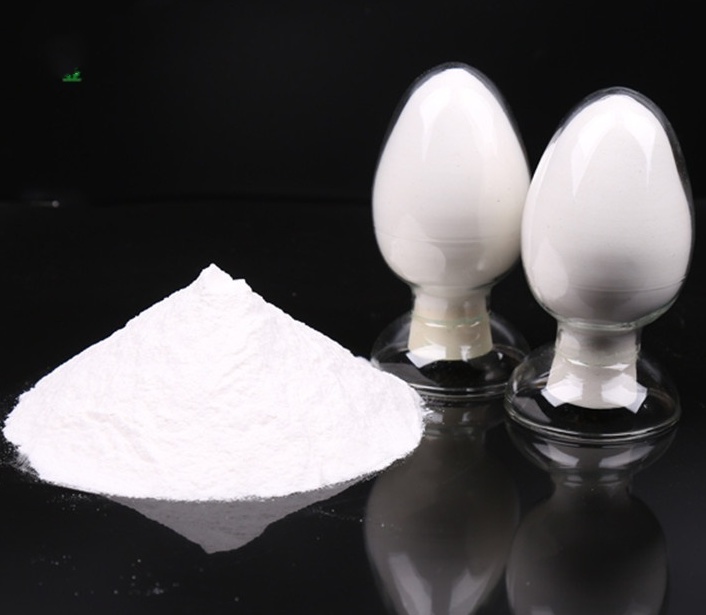
Confirm the current product-specific technical data such as melting point, vapor pressure, appearance, and solubility before evaluation.
Confirm packaging with the requested quantity and destination requirements.
Document requirements should be confirmed from the current specification, SDS, COA, or other product-specific files.
Regulated-use suitability must be confirmed separately with current product-specific documentation.
The page is an RFQ entry point and does not state stock, price, MOQ, or fixed lead time.
For an RFQ, state the intended application, quantity, specification, packaging, destination, and required documents.
FAQ - Technical & Supply Chain
-
Q:
What is Flazasulfuron CAS 104040-78-0?
A: Flazasulfuron is a systemic sulfonylurea herbicide active identified by CAS 104040-78-0. It is also known by the development codes SL-160 and OK-1166 and trade names such as Shibagen and Katana. The active ingredient inhibits acetolactate synthase, also called ALS, which disrupts branched-chain amino acid production in susceptible weeds. -
Q:
Which weeds and crops is Flazasulfuron used for?
A: Flazasulfuron is used for selective pre-emergence and post-emergence control of grasses, broadleaf weeds, and sedges. It is especially active against Cyperus species such as purple nutsedge. Common use areas include warm-season turf, vines, sugarcane, citrus, olives, and non-crop or industrial sites where local registration allows. -
Q:
What technical and formulation grades are commonly available?
A: Technical Flazasulfuron is commonly supplied around 95% TC, while formulated products are often 25% WG or WDG. Typical properties include a white crystalline solid or powder, molecular formula C₁₃H₁₂F₃N₅O₅S, low vapor pressure, and pH-dependent water solubility. Confirm the exact specification needed for the intended formulation and destination market. -
Q:
How should Flazasulfuron be stored and handled?
A: Keep Flazasulfuron in tightly closed, secure containers in a cool, dry, ventilated storage area away from food, feed, heat, and incompatible materials. Avoid dust generation and use appropriate personal protective equipment. Because it is a pesticide active, follow destination-specific pesticide and dangerous-goods transport, disposal, and handling requirements.
Ordering & Documentation
Key information for document requests, quotations, and supply planning.
Documents
Tell us which documents your procurement team needs. Before an order, we will check whether the quoted source can provide them for the offered lot.
Quotation
Send the CAS number, grade, quantity, packing preference and destination.
Sample & Supply
Ask whether samples, trial quantities or repeat orders are possible. We will check each request against the sourced product and current offer.
Storage & Shipping
Product-specific conditions are confirmed before order.