









• Sodium Di(2-ethylhexyl) Sulfosuccinate OT-75 CAS 577-11-7
  • Sodium Di(2-ethylhexyl) Sulfosuccinate OT-75 CAS 577-11-7
  • Sodium Di(2-ethylhexyl) Sulfosuccinate OT-75 CAS 577-11-7

Sodium Di(2-ethylhexyl) Sulfosuccinate OT-75 CAS 577-11-7

Sodium Di(2-ethylhexyl) Sulfosuccinate (OT-75) is an anionic sulfosuccinate surfactant used as an industrial ingredient in chemical formulation systems. Identified by CAS No. 577-11-7, this material functions through sulfonate-driven surface activity, enabling rapid wetting, interfacial tension reduction, and dispersion within liquid-based systems. It is commonly applied in surfactant formulations where controlled wetting and emulsification behavior are required in industrial processing. Supply is provided with competitive factory pricing, supports customized specifications, and includes MSDS, TDS, COA documentation for bulk supply.

  • CAS: 577-11-7
  • Synonyms: Sodium Di(2-ethylhexyl) Sulfosuccinate, Dioctyl Sulfosuccinate Sodium Salt, AOT, OT-75
  • Einecs: 209-406-4
  • Molecular Formula: C₂₀H₃₇NaO₇S
  • Grade: 99%
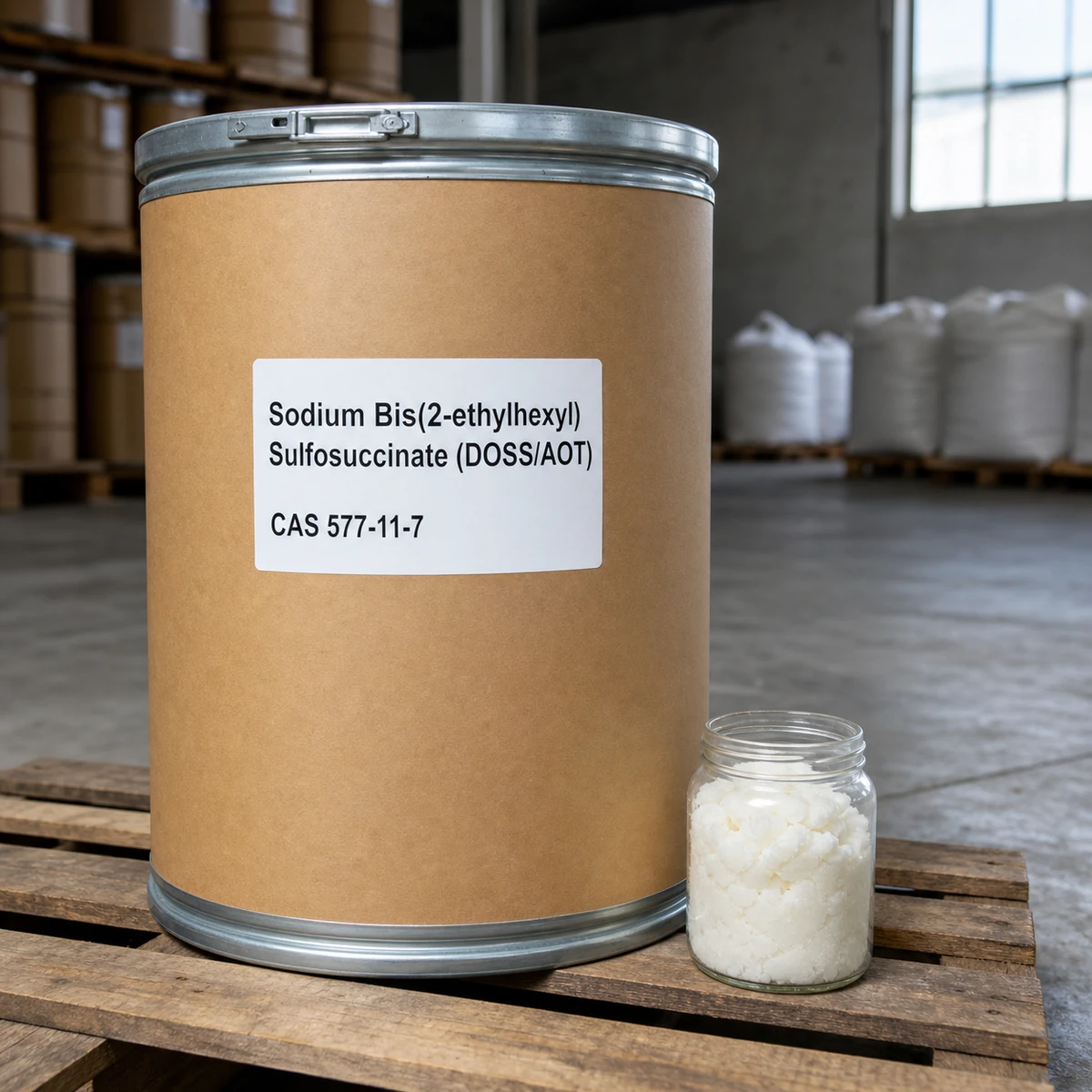
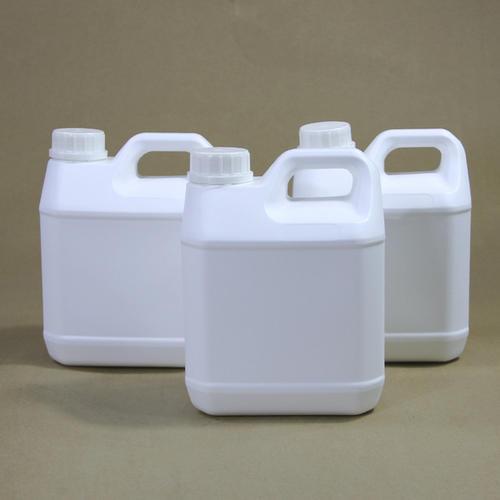
  • Package: 200kg iron drum, 50kg plastic drum packaging
Request a quote
Share:

Product Description

Product Overview

Sodium Di(2-ethylhexyl) Sulfosuccinate OT-75 is best positioned as a functional additive / specialty chemical rather than a terminal consumer product. Based on its product identity and application profile, this material is supplied as a high-efficiency anionic surfactant for systems requiring rapid wetting, penetration and interfacial tension reduction.

It is commonly applied in textile processing, agrochemical formulations, paper chemicals and related industrial liquid systems where strong surface activity and dispersion support are required. OT-75 generally indicates a formulated supply grade rather than a pure solid substance, so appearance and handling properties should be confirmed against the supplied specification.

For product evaluation, concentration, appearance, packaging and compatibility with the intended system should be checked according to the supplied grade.

Product Information / Specifications
Product Name Sodium Di(2-ethylhexyl) Sulfosuccinate
Grade Name OT-75
CAS No. 577-11-7
EINECS 209-406-4
Synonyms Dioctyl Sodium Sulfosuccinate, DOSS, AOT, Bis(2-ethylhexyl) Sulfosuccinate Sodium Salt, Docusate Sodium
Molecular Formula C20H37NaO7S
Molecular Weight 444.56
Product Identity Functional Additive / Specialty Chemical
Ionic Type Anionic surfactant
Physical & Chemical Properties
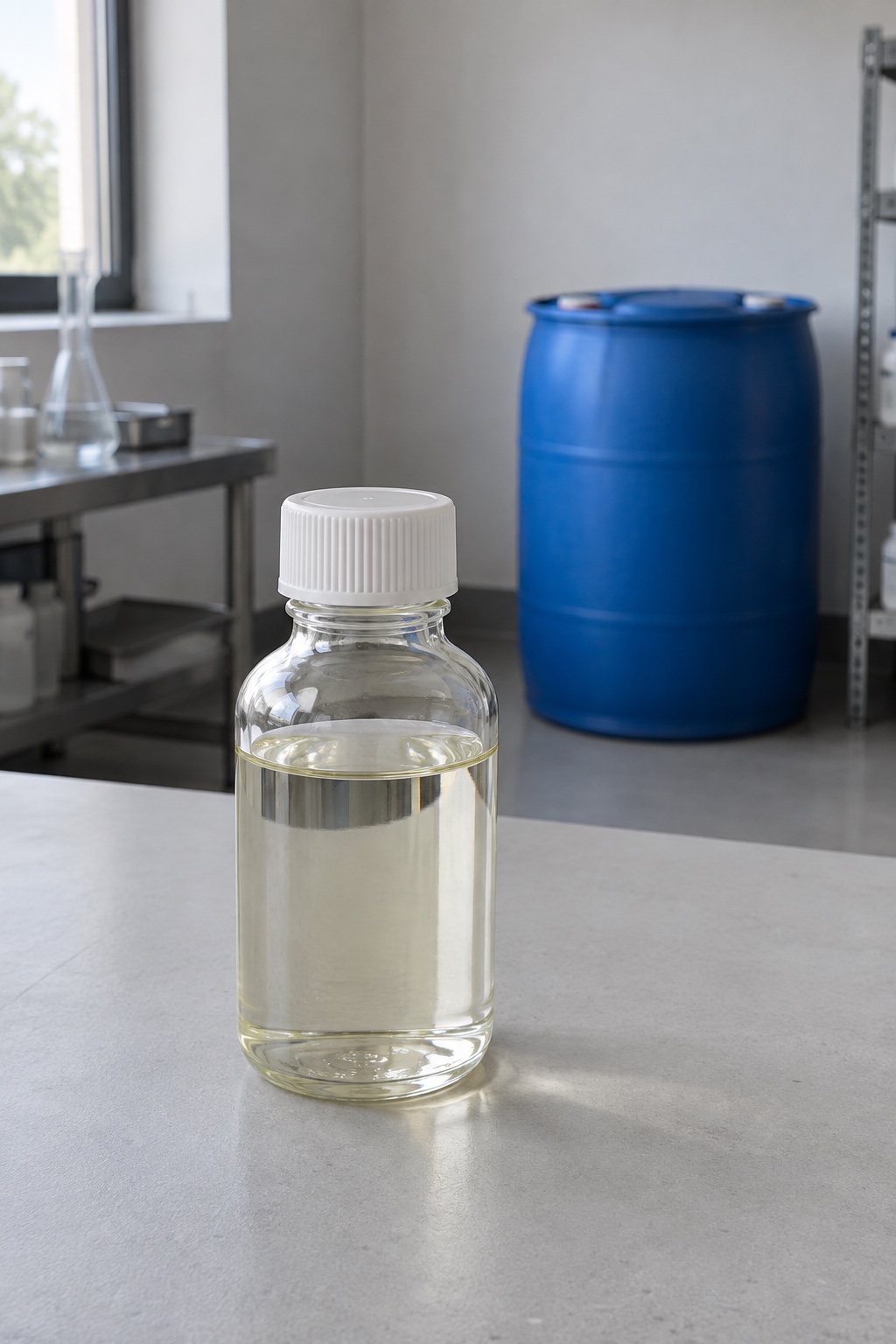
Appearance Colorless to pale yellow transparent liquid; some specifications may differ by concentration and supply form
Odor Slight characteristic odor
Density Approximately 1.060–1.090 g/cm³ at 25°C
pH (1% aqueous solution) 5.0–7.0
Water Solubility Approx. 1.5 g/100 mL at 25°C
Functional Characteristics Rapid wetting, penetration, dispersion and interfacial tension reduction
Stability Stable under normal weak acidic or weak alkaline conditions; avoid strong acids, strong bases and strong oxidizing materials
Applications
  • Used in textile printing and dyeing systems as a wetting agent, penetrating agent and leveling support additive.
  • Suitable for agrochemical formulations where enhanced wetting and penetration on target surfaces are required.
  • Applied in paper chemical systems as a deinking-related and dispersing auxiliary.
  • Used in industrial cleaning and related liquid formulations requiring strong surface activity.
  • Suitable for selected emulsification and dispersion systems in chemical processing.
  • May also be used in rubber, plastics, metal treatment and other industrial applications subject to formulation validation.
Packaging
  • 200 kg iron drum
  • 50 kg plastic drum

Packaging information may vary according to concentration, solvent system and shipment requirements.

Storage Conditions
  • Store in a cool, dry and well-ventilated area.
  • Recommended storage temperature should be controlled within 5–30°C.
  • Keep containers tightly closed when not in use.
  • Avoid storage with strong oxidizing materials and strong alkaline substances.
  • Protect from excessive heat to reduce the risk of hydrolysis and quality change during storage.
Safety Precautions
  • Handle in accordance with standard industrial chemical safety procedures.
  • Avoid excessive inhalation of vapor, mist or aerosol generated during transfer and processing.
  • Avoid direct contact with eyes and prolonged skin exposure.
  • Wear suitable gloves, eye protection and protective clothing during handling.
  • Refer to the current SDS for detailed handling, first-aid, exposure control and transport information.
FAQ
1. What is Sodium Di(2-ethylhexyl) Sulfosuccinate OT-75 used for?
It is used as a fast-wetting anionic surfactant for penetrating, dispersing, emulsifying and wetting functions in textile, agrochemical, paper and related industrial formulation systems.
2. Are OT-75, DOSS and AOT related to the same product identity?
Yes. OT-75 is a commercial grade designation, while DOSS and AOT are widely used synonym names for Sodium Di(2-ethylhexyl) Sulfosuccinate with CAS 577-11-7.
3. What type of surfactant is this product?
It is an anionic sulfosuccinate surfactant known for rapid wetting and strong surface activity in liquid-based industrial systems.
4. Is this product suitable for textile processing?
Yes. It is commonly used in textile printing and dyeing formulations as a wetting, penetrating and leveling-support additive.
5. Can this product be used in agrochemical formulations?
It is suitable for agrochemical systems where improved wetting and penetration performance on treated surfaces is required.
6. What packaging is commonly supplied?
Common packaging includes 200 kg iron drums and 50 kg plastic drums. Supply form may vary according to concentration and logistics arrangement.
7. How should OT-75 be stored?
It should be stored sealed in a cool, dry and ventilated environment, preferably within 5–30°C, away from strong oxidizing and strongly alkaline materials.
8. Are COA, TDS and SDS available?
Technical documents such as COA, TDS and SDS may be provided according to the supplied grade and shipment arrangement.

FAQ - Technical & Supply Chain

Documents

Documents and Product Support

For product review and sourcing evaluation, supporting documents can be coordinated according to the product type, inquiry stage, and order requirements.

  • COA for batch-based quality reference
  • TDS for key physical and chemical information
  • SDS / MSDS for handling, storage, and safety reference
  • Packing information for sample, trial, and bulk orders
  • Technical communication based on application and specification requirements
Quotation

Information to Confirm Before Quotation

Clear sourcing information helps reduce specification mismatch and allows a more accurate quotation before sample or bulk order discussion.

  • Product name and CAS number
  • Application or intended end use
  • Required purity, grade, or specification
  • Sample quantity, trial order, or bulk demand
  • Preferred packing form or net weight
  • Destination country or port
  • Required documents or compliance expectations
Storage & Handling

Packaging, Storage, and Handling Notes

Packaging form, storage conditions, shelf life, and shipment arrangements should be confirmed according to the product characteristics, package size, and destination requirements.

Before order confirmation, buyers are advised to review the corresponding product documents and confirm whether any special storage, labeling, or handling requirements apply.

Supply Support

Sample, Bulk Order and Repeat Supply Support

Support can be arranged for sample discussion, bulk supply planning, packaging confirmation, and routine sourcing communication based on the actual product and order requirements.

For repeat-use formulations or long-term procurement plans, buyers may discuss specification consistency, packaging preferences, delivery expectations, and document coordination in advance.

Contact Form

Use our contact form to send us your questions, suggestions or comments. We will respond as soon as possible.