









Sodium Diethylhexyl Sulfosuccinate, also known as DOSS or AOT, is a highly efficient anionic surfactant recognized for its exceptional wetting and dispersing properties. Identified by CAS No. 1639‑66‑3, it rapidly reduces surface tension, making it one of the most powerful wetting agents available. Sodium Diethylhexyl Sulfosuccinate is widely used in industrial, pharmaceutical, and technical formulations requiring fast wetting, emulsification, and dispersion. The product is supplied with standard documentation including MSDS, TDS, and COA.
Sodium Diethylhexyl Sulfosuccinate(DOSS / AOT)CAS 1639‑66‑3
- CAS: 1639-66-3
- Synonyms: Sodium Diethylhexyl Sulfosuccinate, DOSS, AOT, Sulfosuccinate Surfactant
- Einecs: 216‑398‑8
- Molecular Formula: C₂₀H₃₇NaO₇S
- Grade: Industrial grade 99%
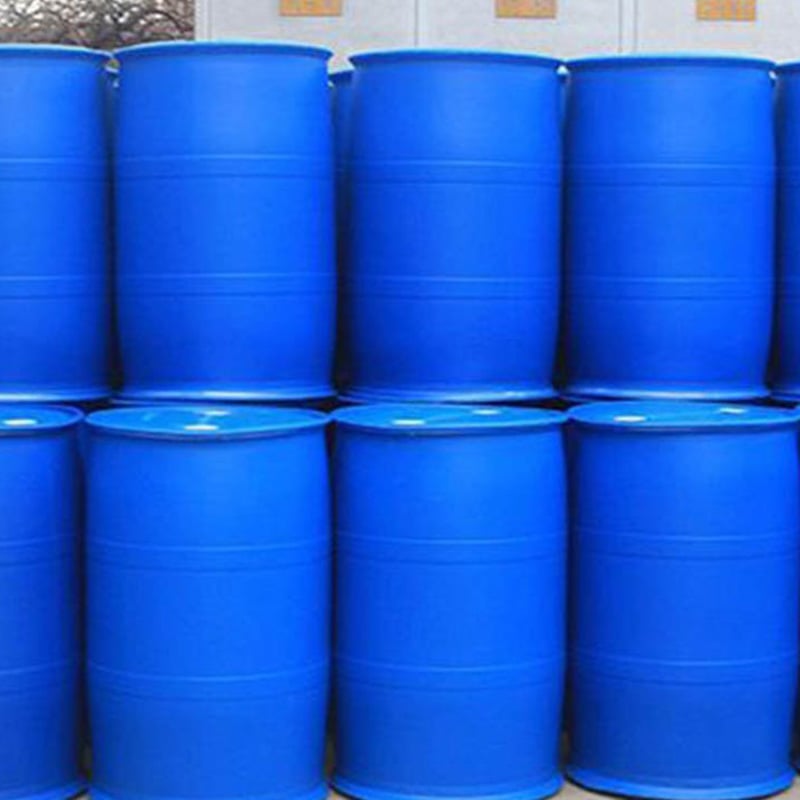
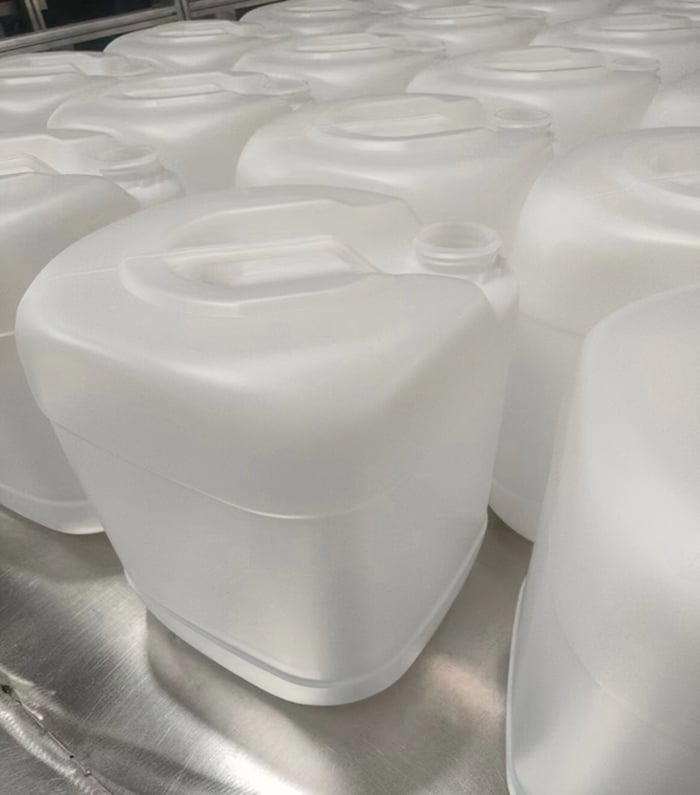
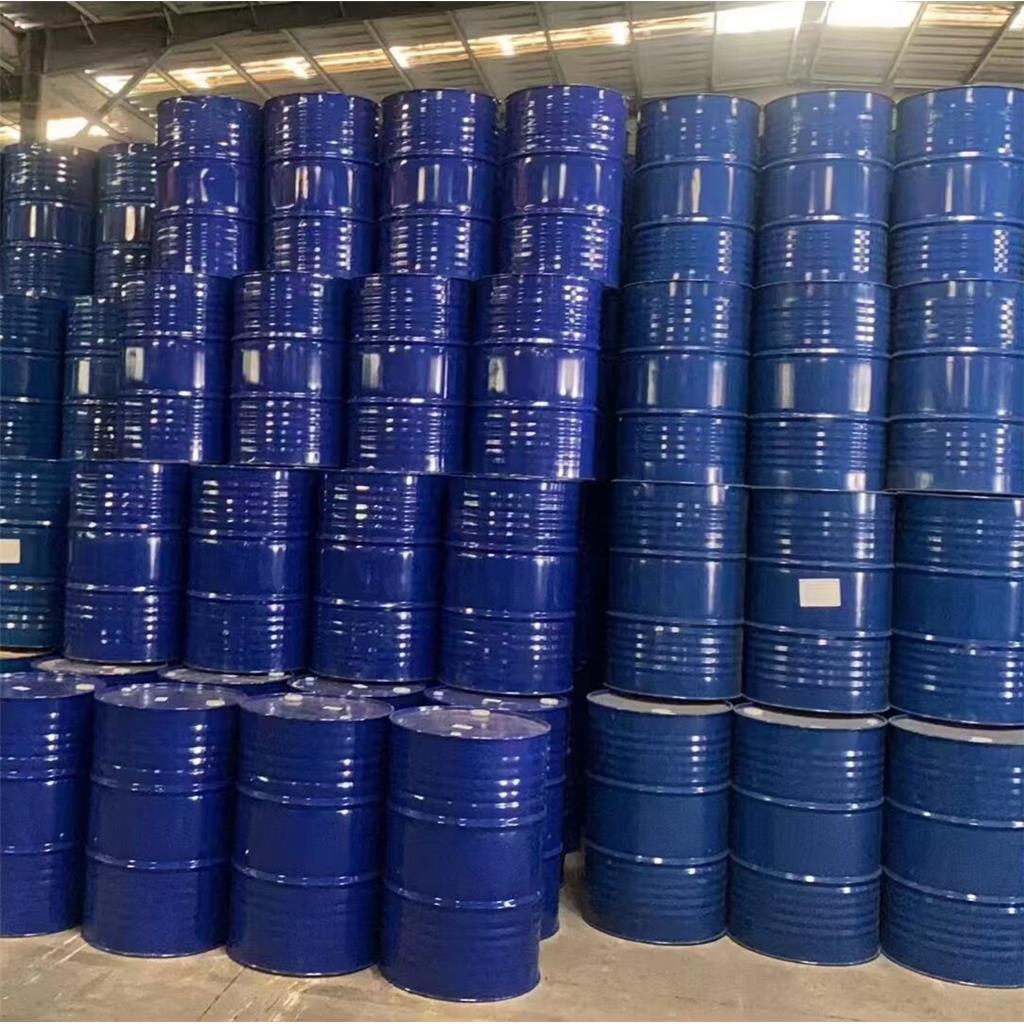
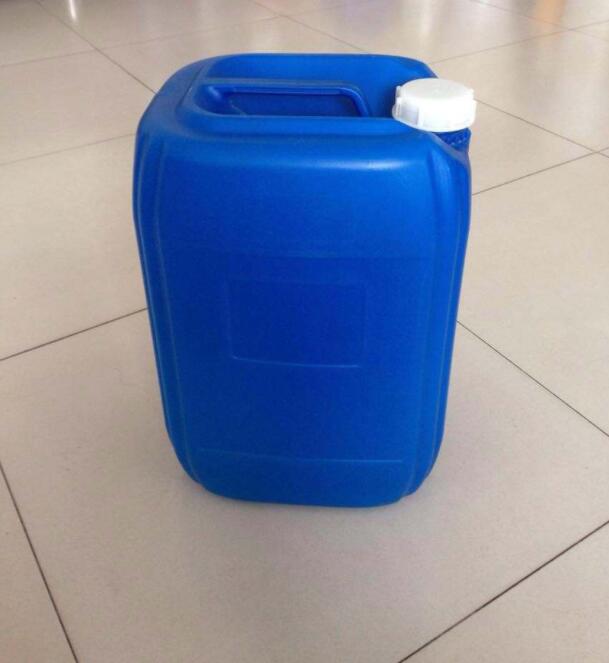
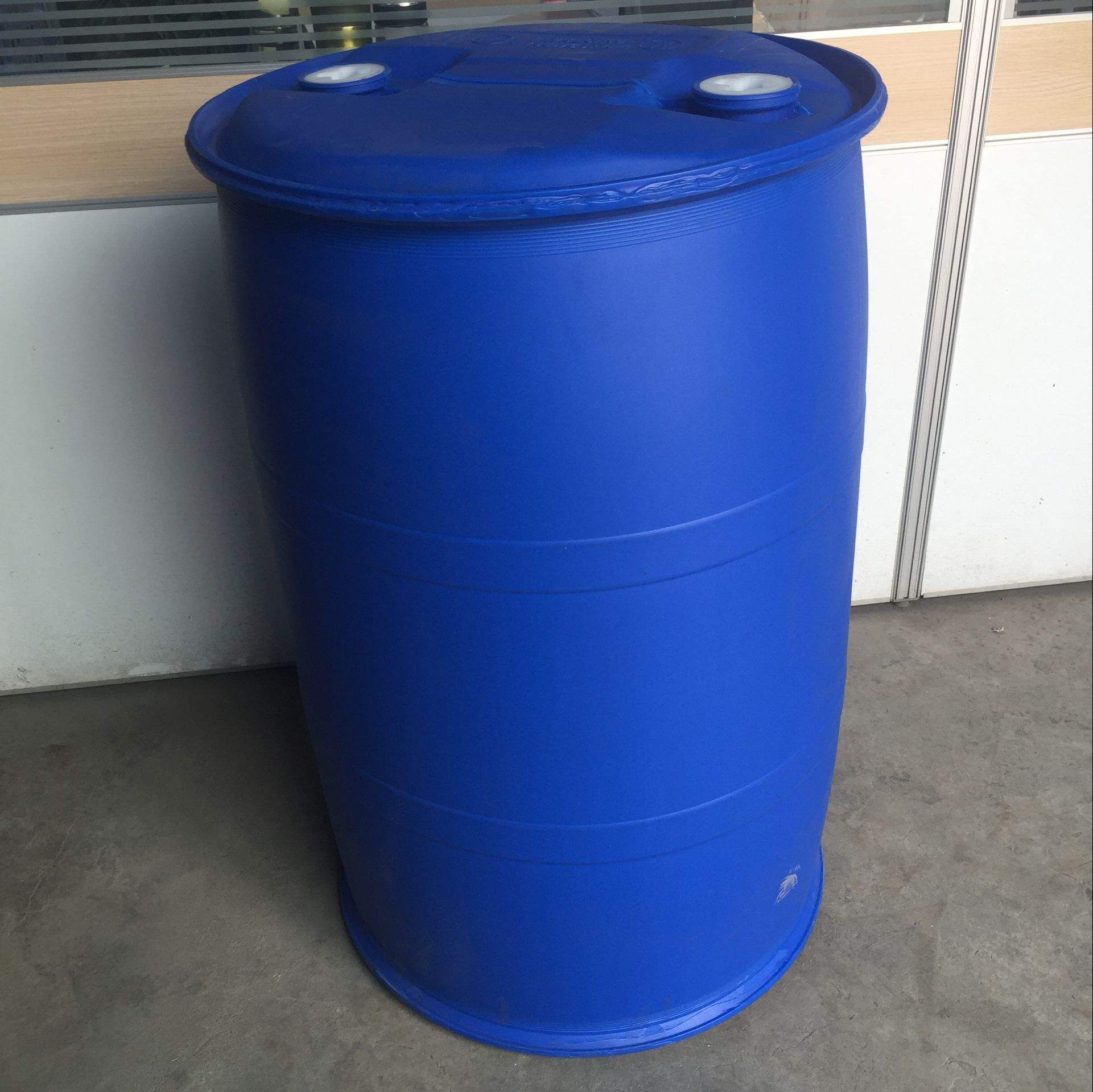
- Package: 200kg iron drum or 50kg plastic drum packaging
Product Description
Physicochemical properties
| Property | Description |
|---|---|
| Molecular Weight | 444.56 g/mol |
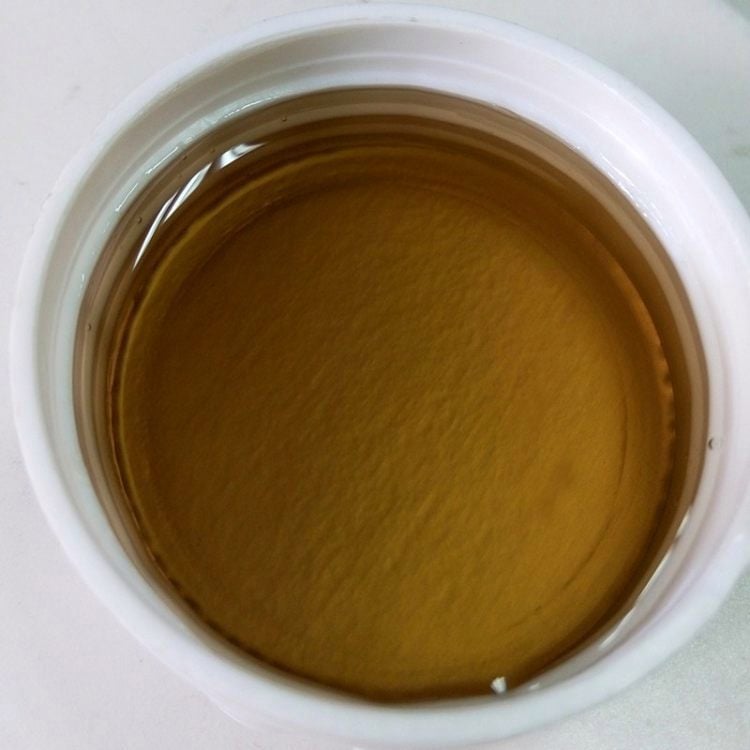
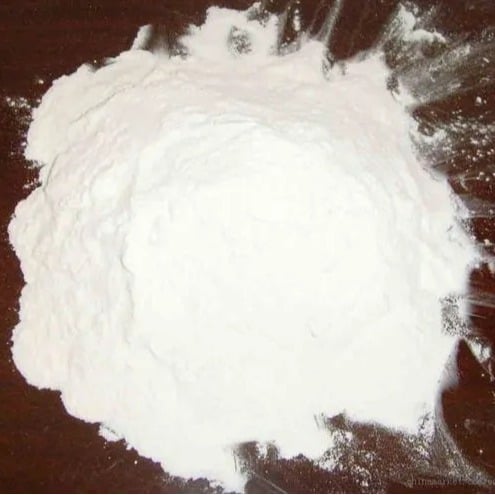
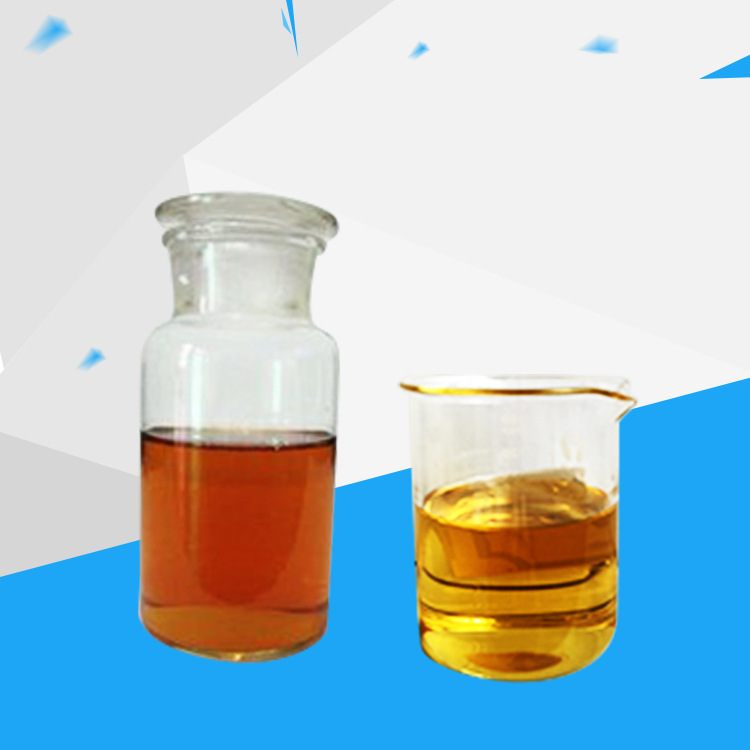
| Appearance | Colorless to yellow viscous liquid |
| Solubility | Soluble in water (solution appears milky white) |
| pH (1% water solution) | 5.0–7.0 |
| Melting Point | Not applicable (liquid at room temperature) |
| Boiling Point | Not applicable (decomposes before boiling) |
| Density | Approximately 1.098 g/cm³ (at 20°C) |
| Surface Tension | Significantly reduces surface tension of water |
| Penetration Power | Rapid and uniform penetration (≤5 seconds at 0.1% concentration, 25°C) |
| Stability | Stable below 40°C; decomposes at high temperatures or in strong alkaline conditions |
| Compatibility | Incompatible with strong acids, strong alkalis, heavy metals, and reductants |
| Viscosity | Viscous liquid (viscosity decreases with increasing temperature) |
| Flash Point | Not applicable (non-flammable under normal conditions) |
Application Areas
Dyeing and printing industry: It is used in the mercerizing process of cotton fabrics, which can accelerate the penetration of concentrated alkali solution into the fibers and shorten the treatment time to 30~50 seconds. The treated fabrics can be directly bleached or dyed without scouring.
Leather processing: As a soaking aid, it enhances the softness and permeability of leather.
Pesticide emulsification: Enhances the spreadability and permeability of pesticides, thereby improving their efficacy.
Other fields: It can also be used in detergents, degreasing agents, refining agents, and chemical intermediates.
Storage conditions
Store in a dry and ventilated warehouse, sealed, and avoid high temperatures and direct sunlight. The shelf life of some products ranges from 12 months to 2 years (specifically as stated in the product instructions)
Safety precautions
Usage restrictions:
Rapid penetrant T is not resistant to strong alkali and should not be added directly to concentrated alkali solution. It should be added after the alkali solution has been diluted.
It is an anionic surfactant and cannot be used in the same bath with cationic surfactants and cationic dyes.
During the refining and bleaching process of the raw material, it is recommended to first thoroughly remove any impurities from the slurry to ensure optimal penetration effect.
Defoaming treatment:
If excessive foam is observed during use, a small amount of defoaming agent such as octanol or tributyl phosphate can be added to eliminate the foam.
Temperature control:
Rapid penetrant T has a better penetration effect at temperatures below 40℃. It is prone to hydrolysis when exposed to alkali at high temperatures. Therefore, it is advisable to treat the fabric with penetrant T at temperatures below 40℃ before raising the temperature.
FAQ - Technical & Supply Chain
-
Q:
What is Sodium Diethylhexyl Sulfosuccinate mainly used for?
A: It is mainly used as a fast‑acting wetting agent and dispersant due to its very low surface tension. -
Q:
Is DOSS water soluble?
A: Yes. It is soluble in water and many organic solvents, depending on concentration and temperature.
Documents and Product Support
For product review and sourcing evaluation, supporting documents can be coordinated according to the product type, inquiry stage, and order requirements.
- COA for batch-based quality reference
- TDS for key physical and chemical information
- SDS / MSDS for handling, storage, and safety reference
- Packing information for sample, trial, and bulk orders
- Technical communication based on application and specification requirements
Information to Confirm Before Quotation
Clear sourcing information helps reduce specification mismatch and allows a more accurate quotation before sample or bulk order discussion.
- Product name and CAS number
- Application or intended end use
- Required purity, grade, or specification
- Sample quantity, trial order, or bulk demand
- Preferred packing form or net weight
- Destination country or port
- Required documents or compliance expectations
Packaging, Storage, and Handling Notes
Packaging form, storage conditions, shelf life, and shipment arrangements should be confirmed according to the product characteristics, package size, and destination requirements.
Before order confirmation, buyers are advised to review the corresponding product documents and confirm whether any special storage, labeling, or handling requirements apply.
Sample, Bulk Order and Repeat Supply Support
Support can be arranged for sample discussion, bulk supply planning, packaging confirmation, and routine sourcing communication based on the actual product and order requirements.
For repeat-use formulations or long-term procurement plans, buyers may discuss specification consistency, packaging preferences, delivery expectations, and document coordination in advance.