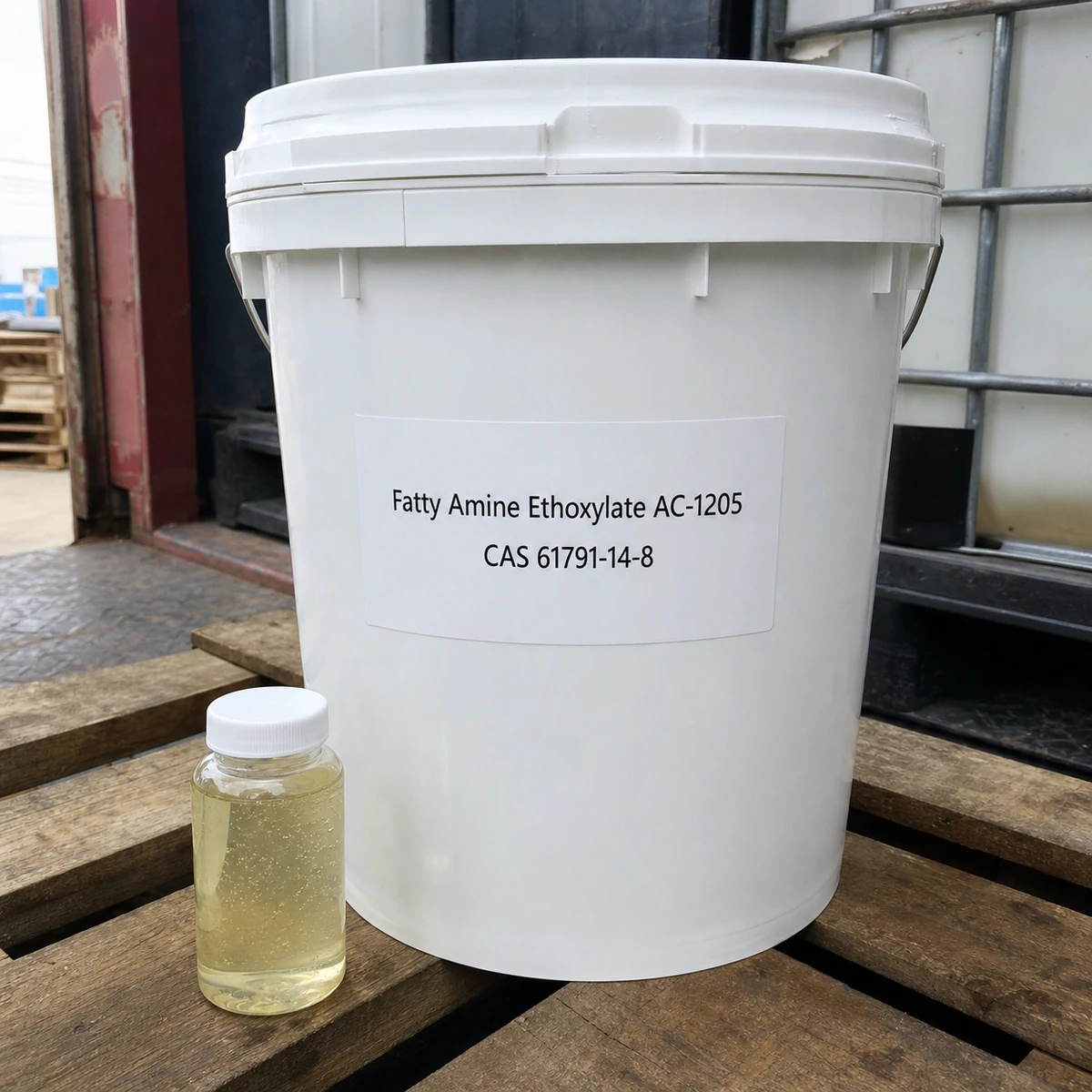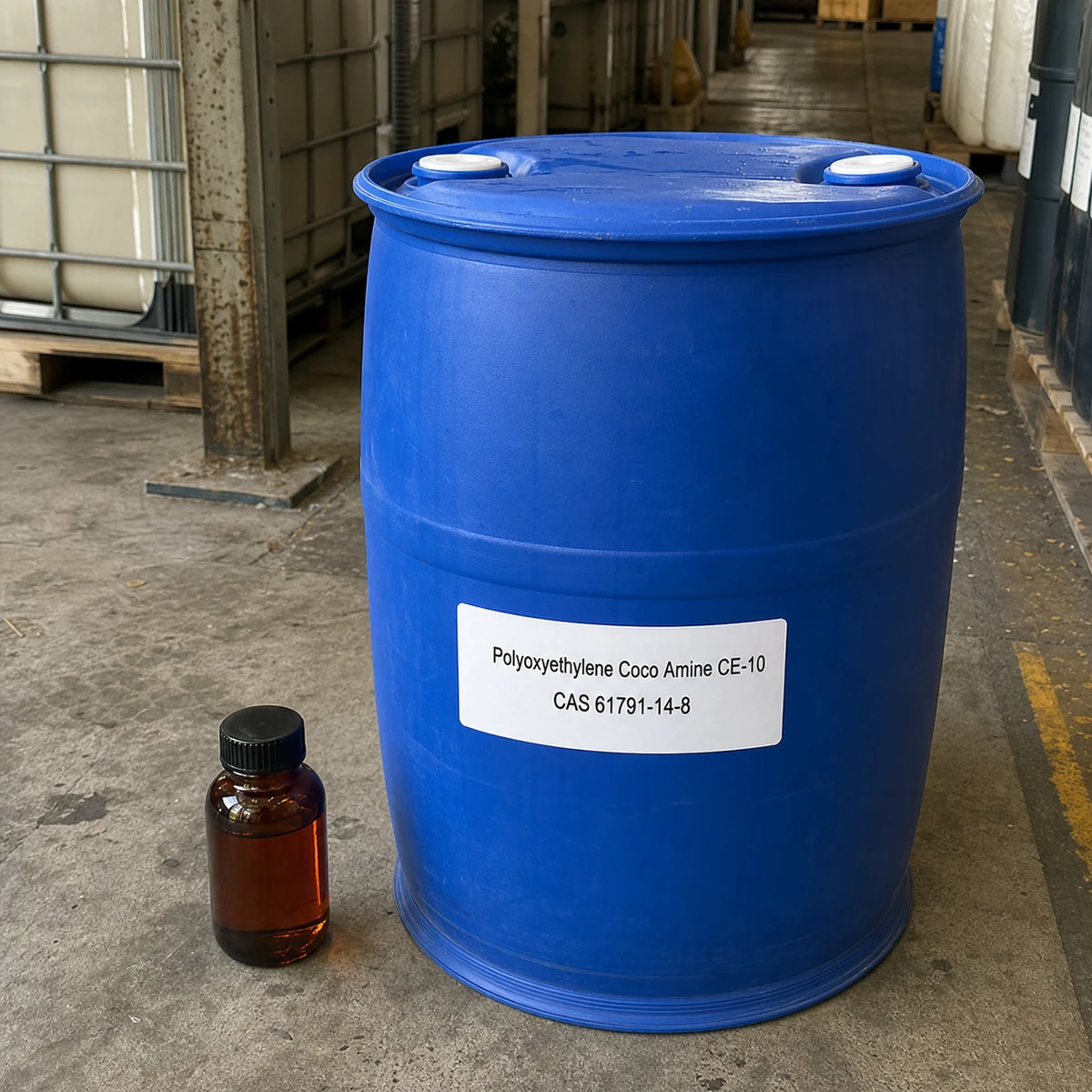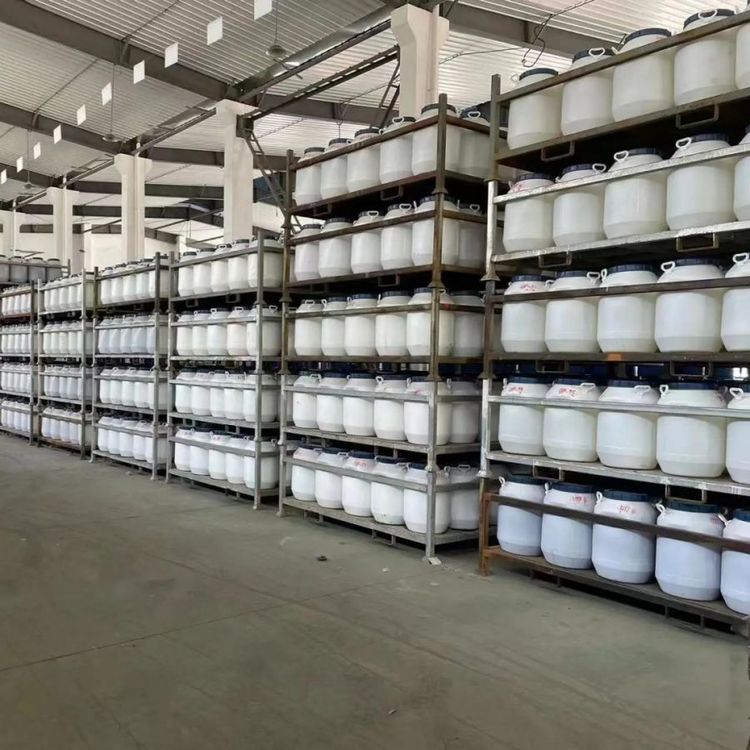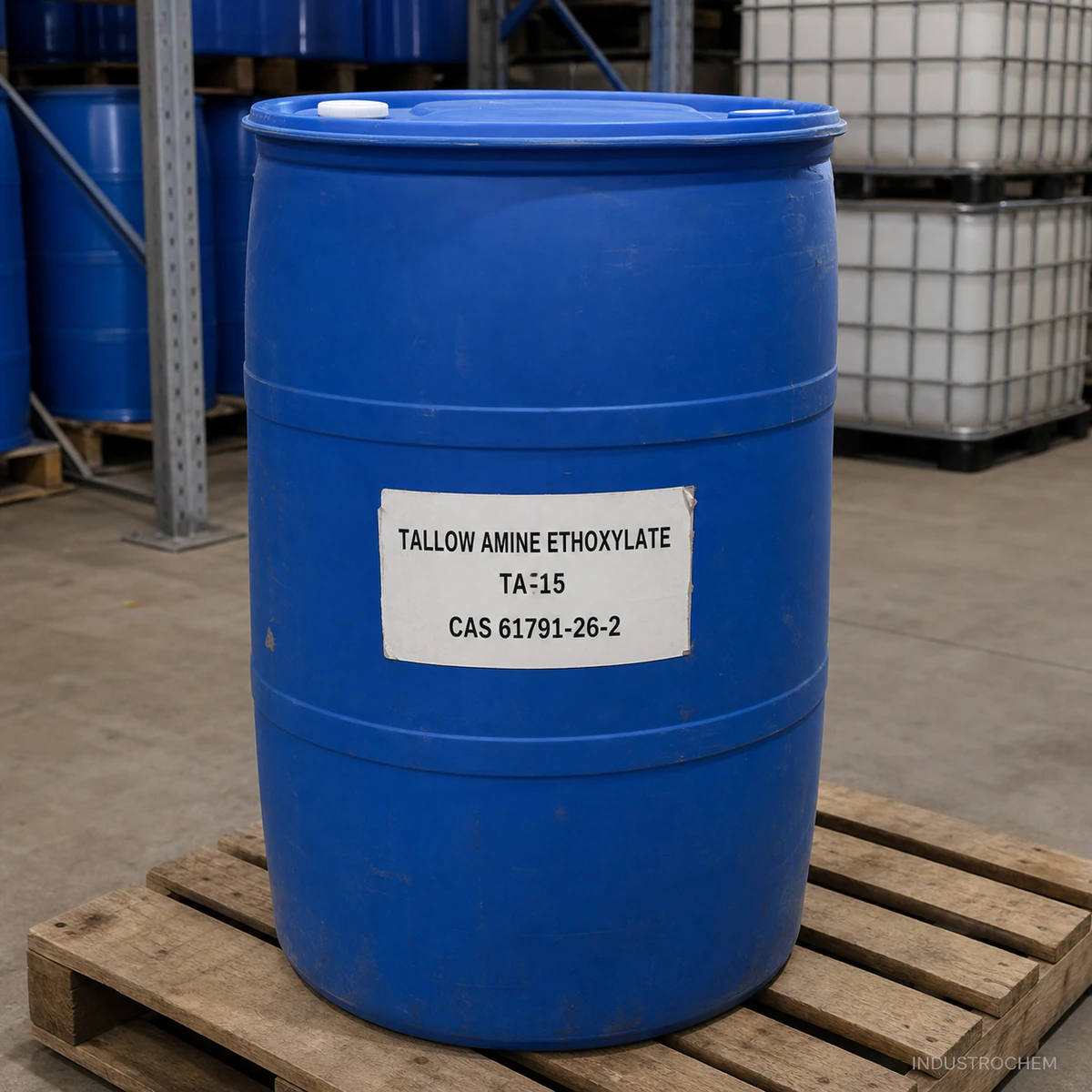










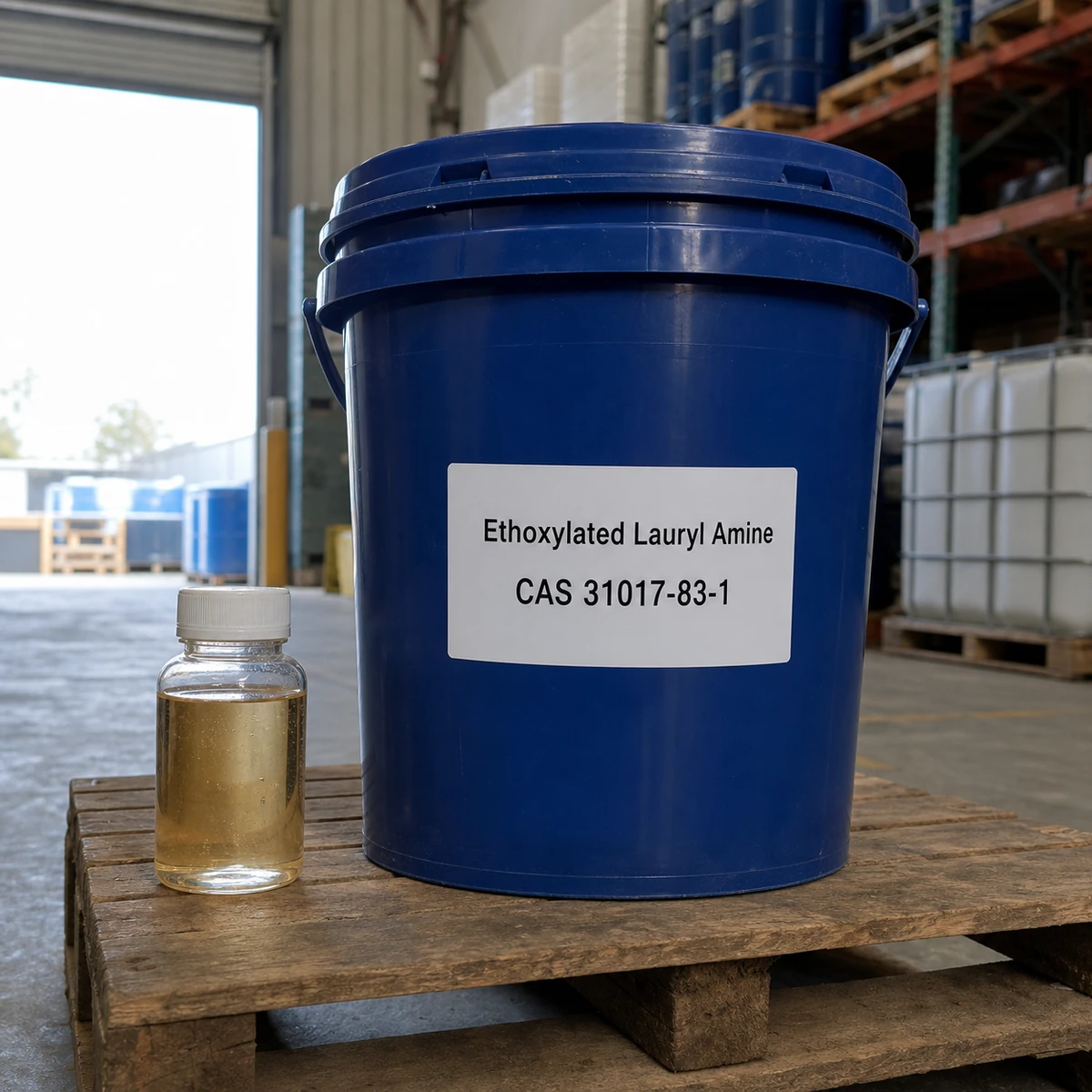
Ethoxylated Lauryl Amine, also technically identified as PEG Laurylamine or Polyoxyethylene Lauryl Amine, is a nonionic surfactant (cationic at low pH) derived from the ethoxylation of dodecylamine. This substance functions as an effective antistatic agent, emulsifier, and dispersant, facilitating phase stability in industrial textile processing and agrochemical adjuvant systems. It is typically applied in the formulation of dyeing auxiliaries, fiber lubricants, and acid corrosion inhibitors. We ensure bulk supply with competitive factory pricing for industrial clients. Our inventory is managed to support customized specifications, and every shipment is accompanied by complete MSDS, TDS, COA documentation.
Ethoxylated Lauryl Amine CAS 26635-75-6
- CAS: 26635-75-6
- Synonyms: Polyoxyethylene Lauryl Amine, Laurylamine Ethoxylate, POE Laurylamine, Bis(2-hydroxyethyl)dodecylamine, Dodecylamine Ethoxylate
- Einecs: 500-047-1
- Grade: Industrial grade 99%
- Package: 200kg iron drum or 50kg plastic drum packaging
Product Description
Physicochemical properties
| Property | Description |
|---|---|
| CAS Number | 26635-75-6 |
| Appearance | Colorless to yellow liquid or solid (depending on the degree of polymerization and temperature) |
| Solubility | Insoluble to soluble in water (solubility increases with the number of ethylene oxide units); soluble in organic solvents such as acetone and benzene |
| Stability | Stable under normal conditions; avoid contact with strong oxidizers |
| Density | Approximately 0.95 g/cm³ (varies with temperature and degree of polymerization) |
| Boiling Point | Varies with the degree of polymerization; typically above 200°C |
| Flash Point | Varies with the degree of polymerization; typically above 100°C |
| Viscosity | Varies with the degree of polymerization and temperature; generally increases with increasing molecular weight |
| Surface Tension | Effectively reduces water surface tension, improving wetting ability |
| HLB Value | Varies with the degree of polymerization; affects its applicability in different formulations (higher HLB values indicate greater hydrophilicity) |
Application Areas
Daily chemical industry: used as a softener and antistatic agent in shampoo and body wash.
Textile industry: Serves as a fiber lubricant and antistatic agent, improving processing performance.
Agriculture: As a pesticide emulsifier, it enhances the efficacy of pesticides.
Industrial cleaning: used for degreasing metal surfaces and cleaning equipment.
Storage conditions
Storage conditions
It should be stored in a dry and well-ventilated place, away from sources of ignition and high-temperature environments. Avoid storing it together with strong acids, strong alkalis, and other chemical substances to prevent chemical reactions.
Packaging and shelf life
It is usually packaged in 200kg plastic or iron drums, with a shelf life of two years.
Safety precautions
Safety protection: Wear protective gloves, goggles, and dust masks to avoid direct skin contact or inhalation.
Leakage treatment: Absorb with sand or inert materials and dispose of as hazardous waste.
Disposal: Entrust qualified units to carry out harmless treatment, and prohibit arbitrary dumping.
FAQ - Technical & Supply Chain
-
Q:
Does CAS 26635-75-6 cover different degrees of ethoxylation?
A: Yes, this CAS number is generally assigned to Ethoxylated Lauryl Amine polymers with varying moles of ethylene oxide (EO). The specific grade (e.g., 2 moles, 5 moles, or 15 moles of EO) is determined by the chain length required for the specific technical application. -
Q:
Is this product intended for use in industrial textile applications?
A: Yes, this material is typically applied in the textile industry as an antistatic agent and leveling agent during fiber spinning and dyeing processes to ensure uniform treatment and reduce static accumulation.
Documents and Product Support
For product review and sourcing evaluation, supporting documents can be coordinated according to the product type, inquiry stage, and order requirements.
- COA for batch-based quality reference
- TDS for key physical and chemical information
- SDS / MSDS for handling, storage, and safety reference
- Packing information for sample, trial, and bulk orders
- Technical communication based on application and specification requirements
Information to Confirm Before Quotation
Clear sourcing information helps reduce specification mismatch and allows a more accurate quotation before sample or bulk order discussion.
- Product name and CAS number
- Application or intended end use
- Required purity, grade, or specification
- Sample quantity, trial order, or bulk demand
- Preferred packing form or net weight
- Destination country or port
- Required documents or compliance expectations
Packaging, Storage, and Handling Notes
Packaging form, storage conditions, shelf life, and shipment arrangements should be confirmed according to the product characteristics, package size, and destination requirements.
Before order confirmation, buyers are advised to review the corresponding product documents and confirm whether any special storage, labeling, or handling requirements apply.
Sample, Bulk Order and Repeat Supply Support
Support can be arranged for sample discussion, bulk supply planning, packaging confirmation, and routine sourcing communication based on the actual product and order requirements.
For repeat-use formulations or long-term procurement plans, buyers may discuss specification consistency, packaging preferences, delivery expectations, and document coordination in advance.