










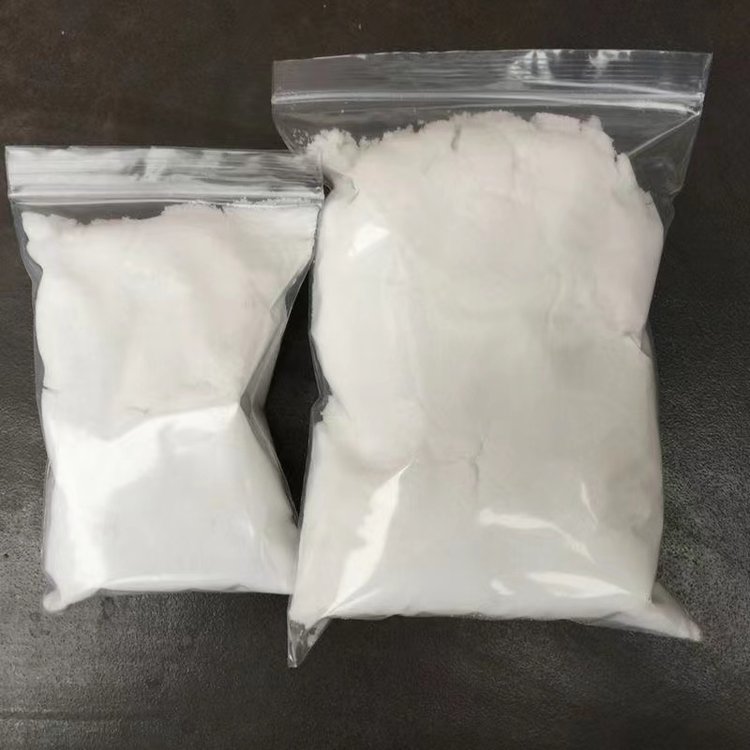
Malonic Acid, CAS 141-82-2, is also known as propanedioic acid or methanedicarboxylic acid. It is a white crystalline dicarboxylic acid used as an organic intermediate in pharmaceutical synthesis, Knoevenagel condensation and specialty-ester chemistry. Confirm the required analytical limits and intended synthesis or formulation before requesting specifications and quotation.
Malonic Acid CAS 141-82-2
- CAS: 141-82-2
- Synonyms: Malonic acid; Propanedioic acid; Methanedicarboxylic acid
- Einecs: 205-503-0
- Molecular Formula: C₃H₄O₄
- Grade: Confirm the current product-specific specification.
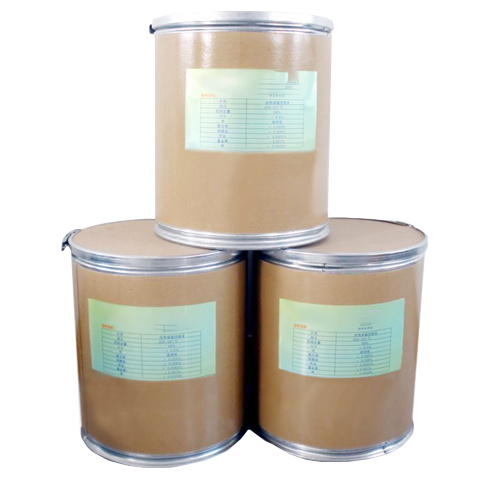
- Package: Confirm packaging for the offered material and destination requirements.
Product Description
Malonic Acid CAS 141-82-2
Malonic Acid, CAS 141-82-2, is a dicarboxylic acid also known as propanedioic acid.
Molecular formula: C₃H₄O₄; EC Number: 205-503-0.
Malonic acid is the free acid, not a malonate salt or ester.
Malonic acid is a dicarboxylic-acid building block. Suitability for a particular synthesis or formulation must be evaluated against the current product-specific specification.
Request current specifications, packaging details and document availability for the material being quoted.
Before an RFQ, confirm the required analytical limits and intended synthesis or formulation context.
FAQ - Technical & Supply Chain
-
Q:
Are Malonic Acid and Propanedioic Acid the same dicarboxylic acid?
A: Yes. Malonic acid, propanedioic acid and methanedicarboxylic acid all identify the C3 dicarboxylic acid with CAS 141-82-2 and molecular formula C3H4O4. It is not succinic acid, methylmalonic acid, a malonate salt or a malonic ester, so confirm the free-acid form and CAS when ordering. -
Q:
What is Malonic Acid used for?
A: It is used mainly as an organic intermediate, including in pharmaceutical synthesis and Knoevenagel condensation followed by decarboxylation. It also appears in fragrance, adhesive, resin-additive and electroplating-polish applications, and as a building block for specialty esters and polymer-related chemistry. -
Q:
Which specifications should be agreed for Malonic Acid supply?
A: Confirm assay, appearance, melting range, loss on drying, residue on ignition and any required chloride, sulfate, iron or heavy-metal limits. Commercial material is usually a white crystalline solid with assay around 99% or higher and a melting range near 132-136 C, but the exact test method and specification should be agreed for the intended synthesis. -
Q:
How should Malonic Acid be packaged and stored?
A: It is normally packed as a white crystalline solid, commonly in 25 kg bags or customized packaging. Store it in a cool, dry, well-ventilated area and keep the container tightly closed; for long-term storage, an inert atmosphere or sealed container is preferable to protect the acid from moisture and contamination. -
Q:
What information should an RFQ include for Malonic Acid?
A: State the required CAS 141-82-2 free acid, assay, melting range, impurity limits, particle or packaging preference and intended synthesis or formulation. Confirm the offered grade and storage instructions before comparing suppliers, especially if the material will be held for extended storage or used in pharmaceutical synthesis.
Ordering & Documentation
Key information for document requests, quotations, and supply planning.
Documents
COA, TDS, SDS/MSDS and packing details are available on request.
Quotation
Send the CAS number, grade, quantity, packing preference and destination.
Sample & Supply
Support is available for samples, trial orders, bulk and repeat supply.
Storage & Shipping
Product-specific conditions are confirmed before order.