


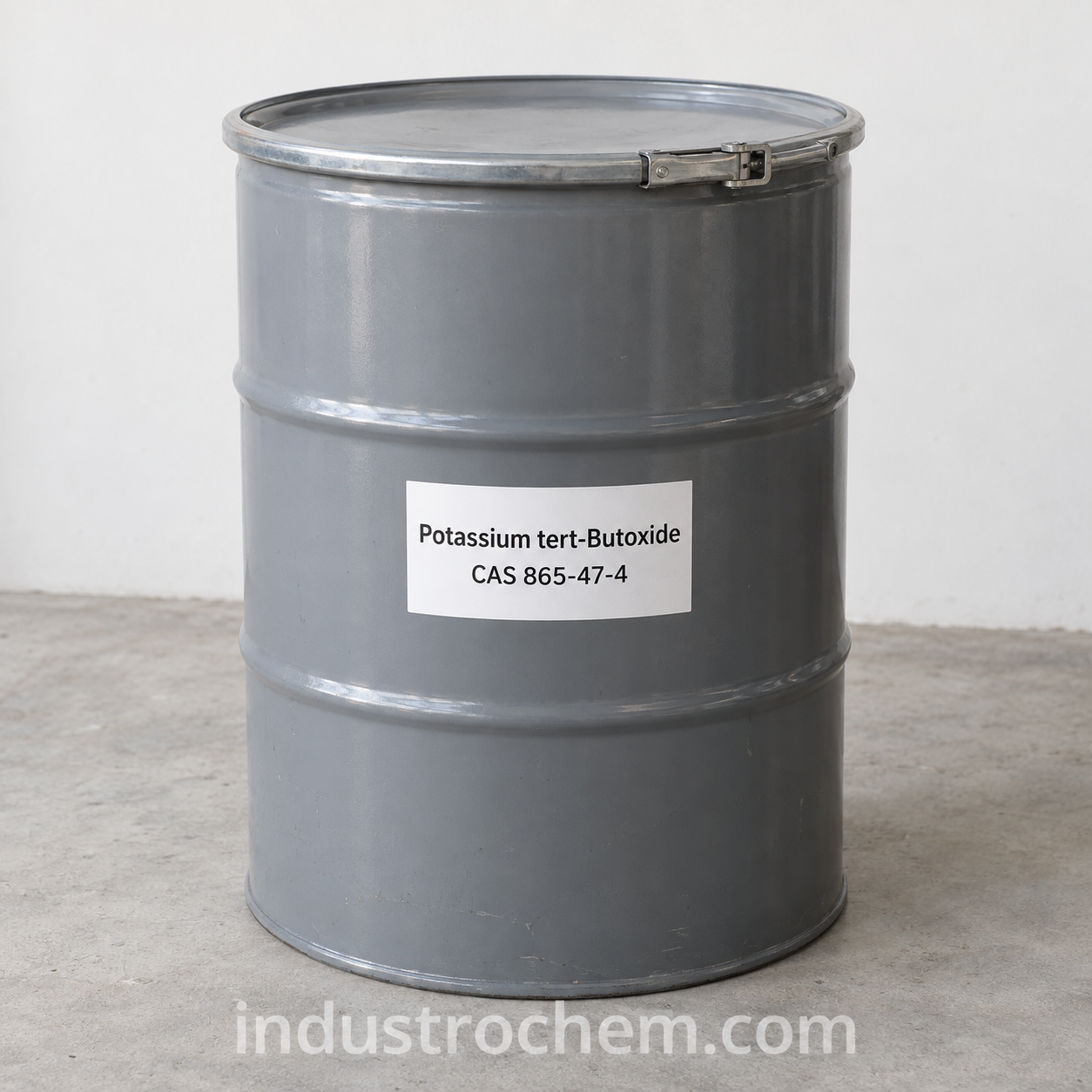
Potassium tert-Butoxide (KOtBu), CAS 865-47-4, is a strong alkoxide base used in fine-chemical synthesis. Also called potassium tert-butylate, it is traded as a moisture-sensitive solid or a solution defined by its solvent and concentration. Active alkoxide content, free potassium hydroxide and the supplied form are key purchasing specifications.
Potassium tert-Butoxide CAS 865-47-4
- CAS: 865-47-4
- Synonyms: Potassium tert-butoxide; Potassium t-butoxide; Potassium tert-butylate; KOtBu
- Einecs: 212-740-3
- Molecular Formula: C₄H₉KO
- Grade: Synthesis grade; specify active alkoxide content and solid or solution form
- Package: Solid: sealed inner packaging in drums; solution: solvent-compatible sealed drums
Product Description
Solid and solution grades
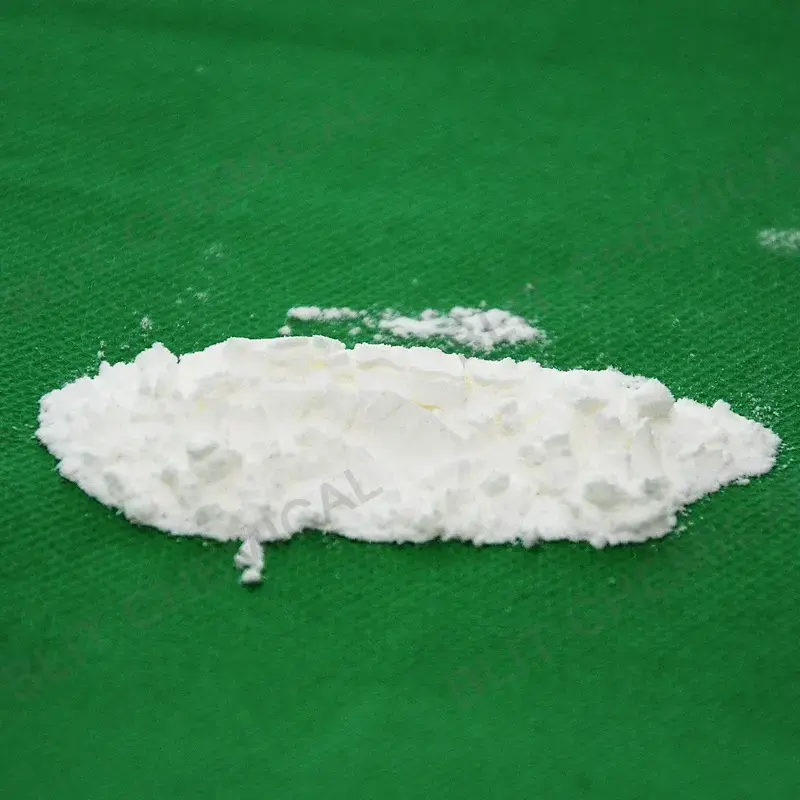
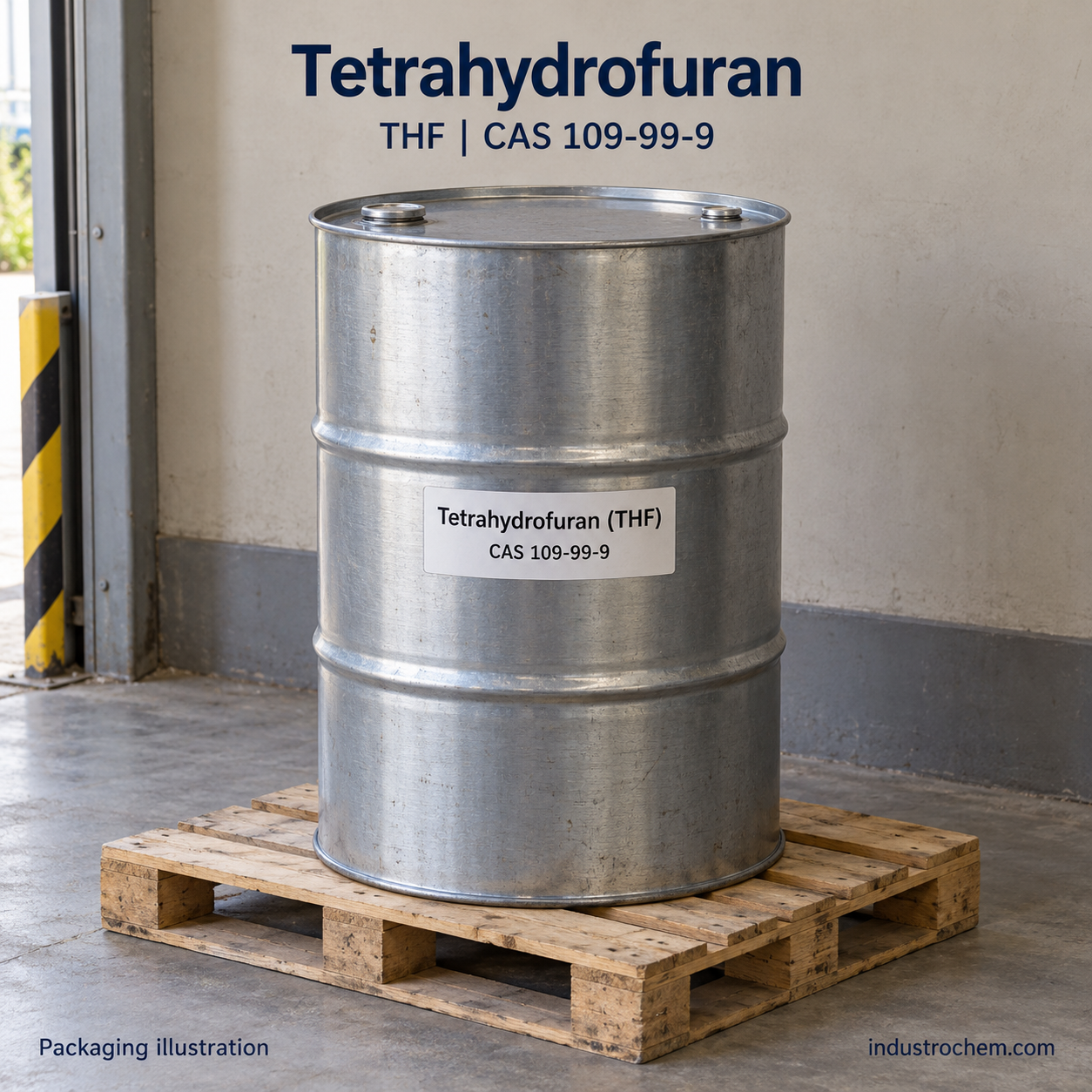
Solid potassium tert-butoxide is a white to slightly yellow powder. Commercial solution grades use defined solvents and concentrations. For a solution enquiry, identify the carrier, such as tetrahydrofuran (THF) or isopropyl alcohol, and state whether concentration is expressed as mass percentage or molarity. These are distinct grades, not interchangeable descriptions of the solid.
Assay and quality documentation
Active potassium tert-butoxide content and total alkalinity are different measurements. Acidimetric or neutralization titration is used in commercial specifications, but other alkaline components, including free potassium hydroxide, can contribute to the result. Compare the stated assay method, calculation basis and impurity limits, rather than treating total alkalinity as a selective KOtBu purity result.
We can provide a Certificate of Analysis (COA), Technical Data Sheet (TDS), Safety Data Sheet (SDS), and applicable assay, identity and impurity information for the offered grade. Infrared (IR) identification may be included in the specification. If chromatographic data is requested for a solution, identify the solvent or organic impurities to be assessed; a GC area percentage alone does not establish active alkoxide content.
Related alkoxide bases
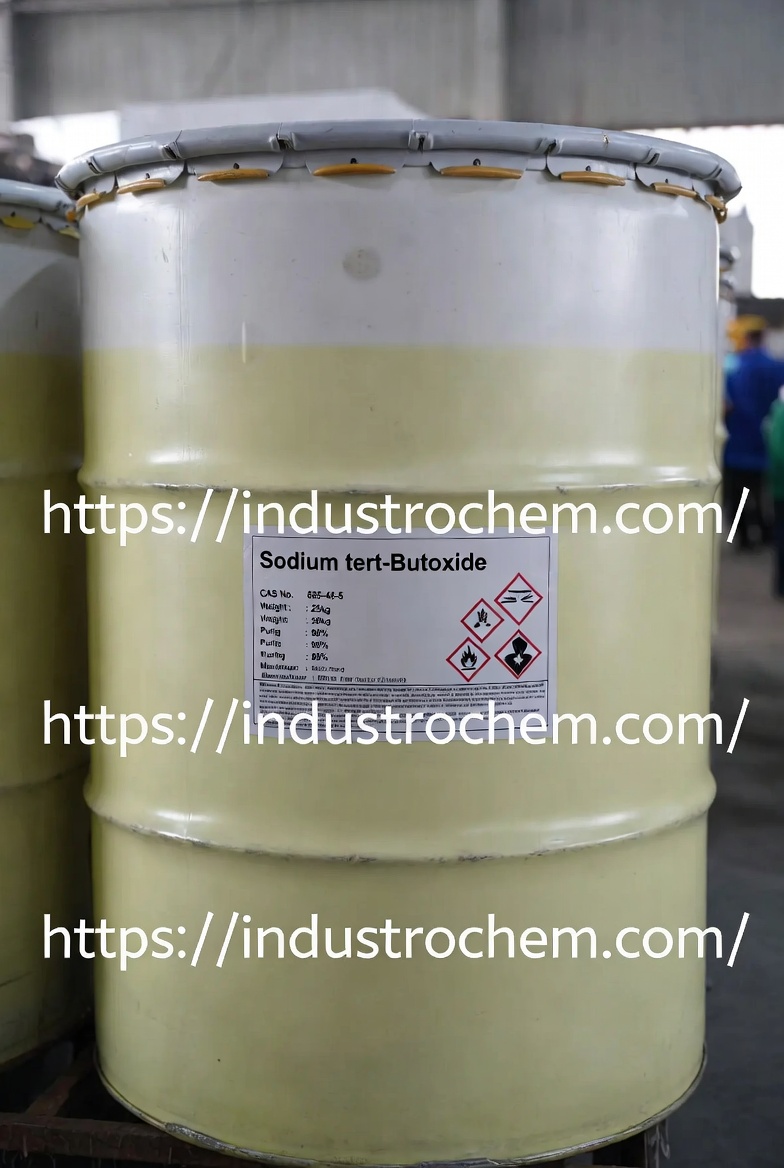
Sodium tert-butoxide is a related base with the same alkoxide group and a different metal ion. Sodium methoxide has both a different alkoxide group and a different metal ion. Neither material is a direct replacement without process evaluation.
Packaging and quotation
Potassium tert-butoxide is sensitive to moisture and carbon dioxide. Contact with water causes a vigorous reaction, producing potassium hydroxide and tert-butanol. Solid grades use moisture-protective inner packaging in closed drums; solution packaging must suit the solvent and concentration. Handling and storage conditions are specified in the applicable SDS.
For a bulk quotation, send the required form, quantity and destination. For a solution, add the solvent and concentration; an assay requirement or target specification helps match the grade to your process.
FAQ - Technical & Supply Chain
-
Q:
Are potassium tert-butoxide and potassium tert-butylate the same product?
A: Yes. Potassium tert-butoxide, potassium tert-butylate and KOtBu refer to CAS 865-47-4. This potassium salt is different from the neutral alcohol tert-butanol and from sodium tert-butoxide. Specify the solid or solution grade when ordering. -
Q:
How do I choose between solid KOtBu and a solution?
A: Select the form required by your process. Solid grades have their own active-content and impurity specification; a solution also requires a named solvent, concentration and concentration units. CAS 865-47-4 alone does not identify those solution details. -
Q:
Does total alkalinity mean potassium tert-butoxide purity?
A: No. Total alkalinity can include free potassium hydroxide and other alkaline components. Review the active KOtBu content separately, together with the titration method, calculation basis and relevant impurity limits on the specification and COA. -
Q:
Which quality documents and test information can you provide for KOtBu?
A: COA, TDS and SDS can be provided for the offered solid or solution grade, along with applicable assay, IR identity and impurity information. Where solvent or organic-impurity chromatograms are relevant, the analytes and reporting basis should be specified. -
Q:
Why does potassium tert-butoxide need moisture-protected packaging?
A: Moisture changes the alkoxide through hydrolysis, and carbon dioxide exposure can also change its composition. Closed moisture-protective packaging helps maintain quality; use the handling and storage conditions in the grade-specific SDS.
Ordering & Documentation
Key information for document requests, quotations, and supply planning.
Documents
Tell us which documents your procurement team needs. Before an order, we will check whether the quoted source can provide them for the offered lot.
Quotation
Send the CAS number, grade, quantity, packing preference and destination.
Sample & Supply
Ask whether samples, trial quantities or repeat orders are possible. We will check each request against the sourced product and current offer.
Storage & Shipping
Product-specific conditions are confirmed before order.