


Hypophosphorous acid (HPA), CAS 6303-21-5, is a reducing agent used in electroless nickel-phosphorus plating and chemical reduction processes. It is commonly supplied as an aqueous solution; acid concentration and impurity limits distinguish specifications for different processes.
Hypophosphorous Acid (HPA) CAS 6303-21-5
- CAS: 6303-21-5
- Synonyms: Hypophosphorous acid; Phosphinic acid; HPA; H₃PO₂
- Einecs: 228-601-5
- Molecular Formula: H₃PO₂
- Grade: Industrial applications; specification by quotation
- Package: Compatible containers; format and net weight by quotation
Product Description
Hypophosphorous acid is also called phosphinic acid and has the formula H₃PO₂. It is different from phosphorous acid (H₃PO₃), phosphoric acid (H₃PO₄) and hypophosphoric acid (H₄P₂O₆). A solution concentration describes the H₃PO₂ content in water, not the purity of neat acid.
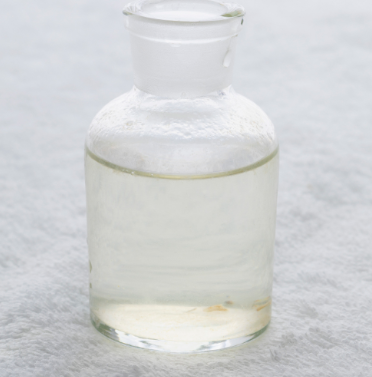
The specification should state the H₃PO₂ mass fraction, assay method and reporting basis. Titration is used in commercial assays, but a total-acidity result alone does not distinguish the contribution of each phosphorus acid. Ion chromatography can separate hypophosphite, phosphite and phosphate under suitable validated conditions; method suitability depends on the sample matrix. Phosphorous-acid and phosphoric-acid impurities, chloride, total sulfur with its stated reporting basis, and relevant metals can be controlled to agreed limits and units. Any density value should include its measurement temperature and should not replace the acid assay.
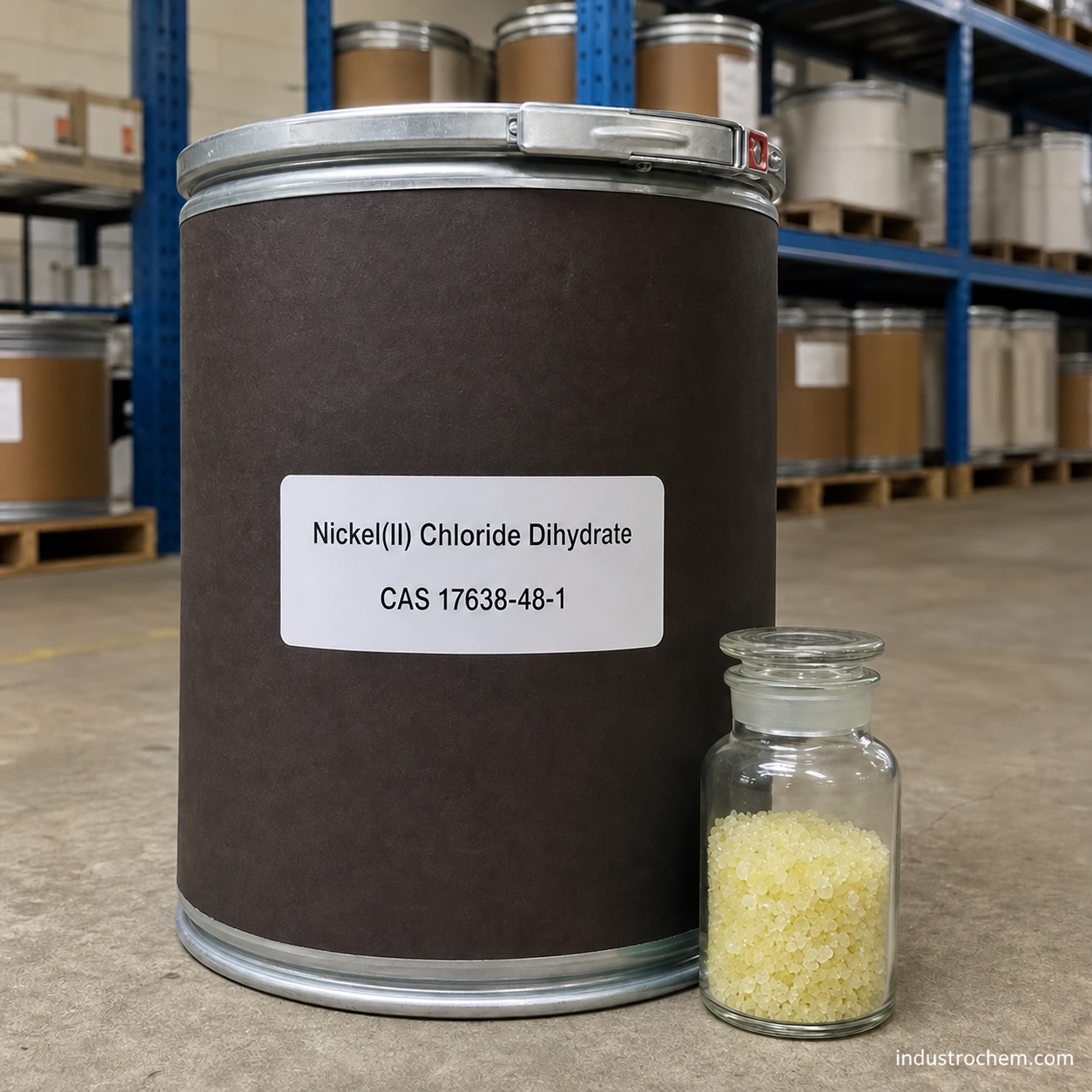
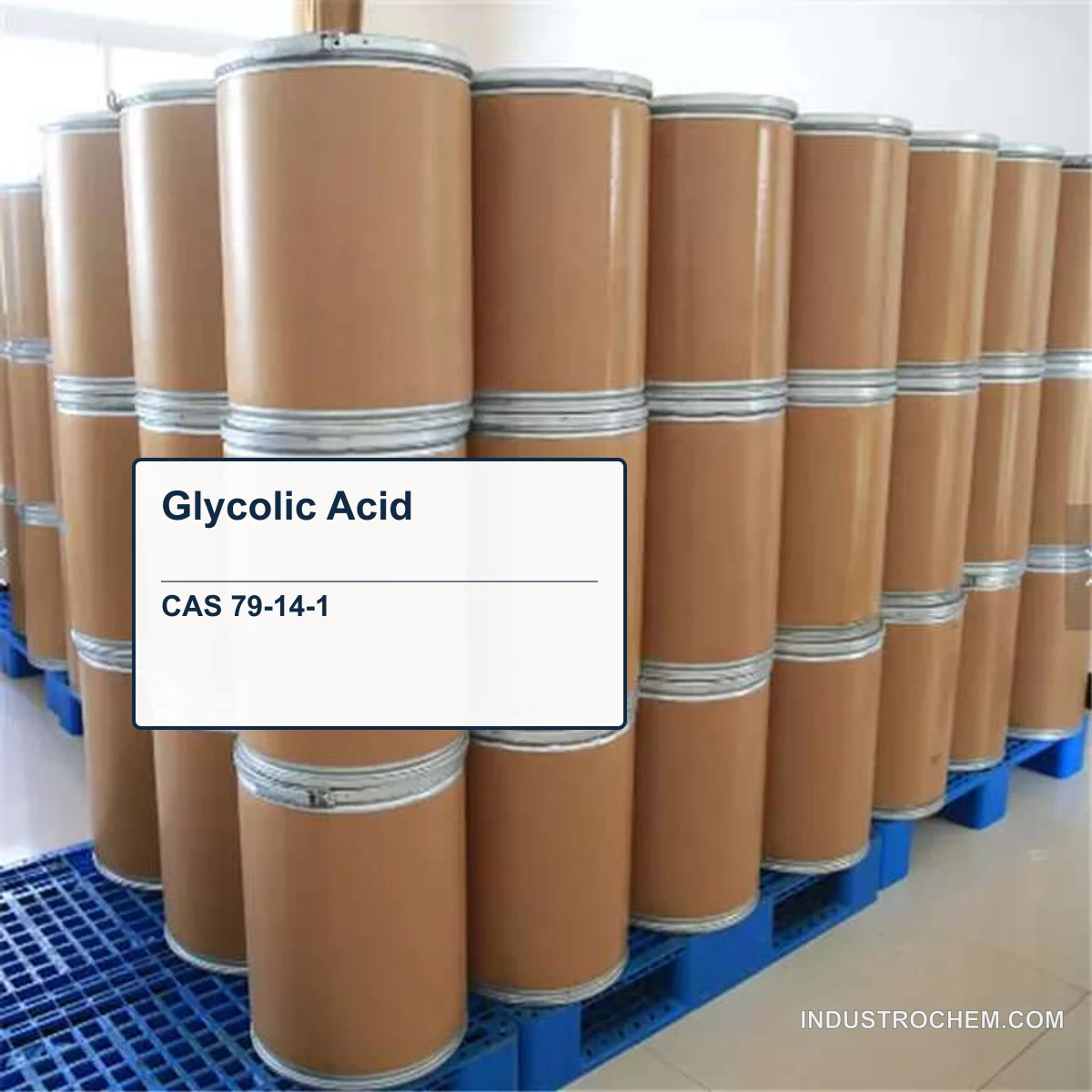
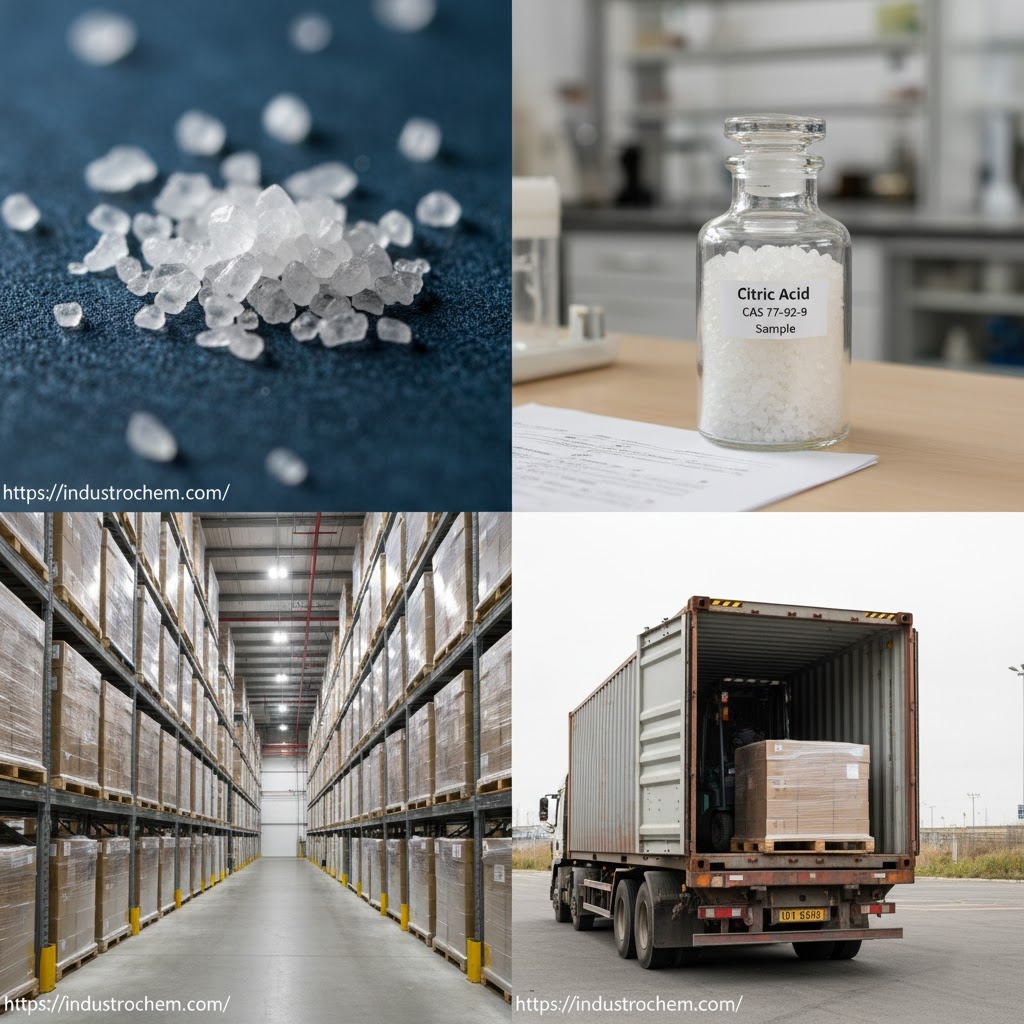
In selected electroless nickel-phosphorus baths, sodium hypophosphite is a salt-form source of hypophosphite reducing ions. Nickel(II) chloride dihydrate is a nickel-source option for chloride-compatible baths; hydrate state and nickel-content basis matter. Glycolic acid and citric acid are complexing-agent options in suitable formulations. The nickel source and complexing agents complement the reducing system rather than replace it. Acid-versus-salt selection, dosage and bath compatibility depend on the formulation.
We can provide a Certificate of Analysis (COA), Technical Data Sheet (TDS), Safety Data Sheet (SDS), and relevant concentration, impurity and analytical-method information for the quoted specification. For a bulk quotation, send the required concentration, application, quantity and destination. Compatible packaging, net weight and delivery requirements are agreed in our quotation.
FAQ - Technical & Supply Chain
-
Q:
Are Hypophosphorous Acid and Phosphinic Acid the same material?
A: Yes. Both names identify H₃PO₂, CAS 6303-21-5. Aqueous products with different acid concentrations are different commercial specifications. The CAS number alone does not establish concentration, impurity limits or suitability for a particular plating bath. -
Q:
Which specifications should be agreed for Hypophosphorous Acid solution?
A: Key items are H₃PO₂ concentration by mass, assay method and reporting basis. Phosphorous acid (H₃PO₃), phosphoric acid (H₃PO₄), chloride, total sulfur with its stated reporting basis, and relevant metals may need separate limits according to the process. Compare the batch COA with the agreed specification, stated assay method and reporting basis. Total acidity alone does not identify the contribution of each phosphorus acid, and density alone does not replace the H₃PO₂ assay. -
Q:
What should be confirmed before importing or receiving bulk HPA?
A: Packaging compatibility, net weight and shipping requirements are agreed for the quoted concentration and destination. Use the supplied SDS for that concentration when planning storage and handling. Keep containers closed and protect the product from heat and incompatible materials, including strong oxidizers and strong alkalis. Transport classifications for one concentration should not be assumed to apply to every HPA solution.
Ordering & Documentation
Key information for document requests, quotations, and supply planning.
Documents
Tell us which documents your procurement team needs. Before an order, we will check whether the quoted source can provide them for the offered lot.
Quotation
Send the CAS number, grade, quantity, packing preference and destination.
Sample & Supply
Ask whether samples, trial quantities or repeat orders are possible. We will check each request against the sourced product and current offer.
Storage & Shipping
Product-specific conditions are confirmed before order.