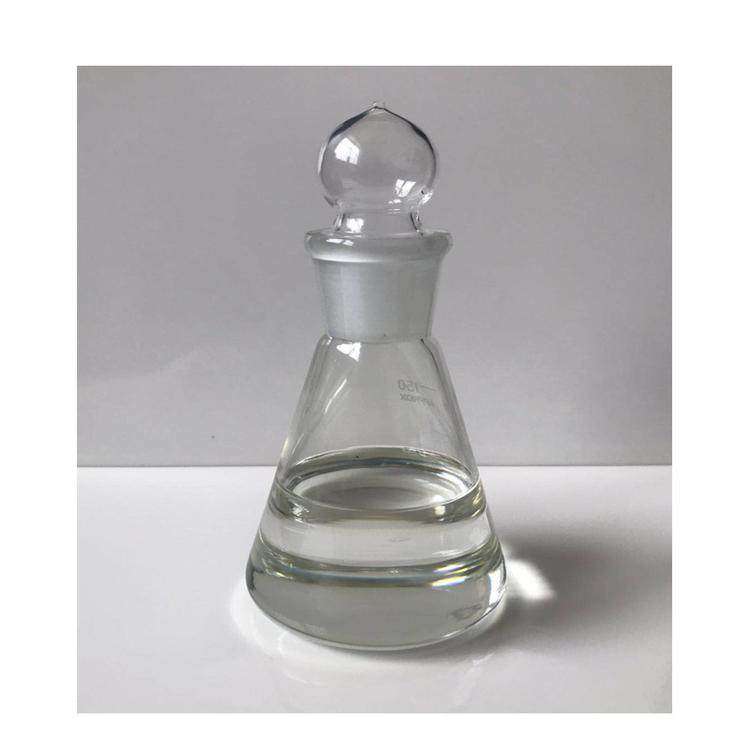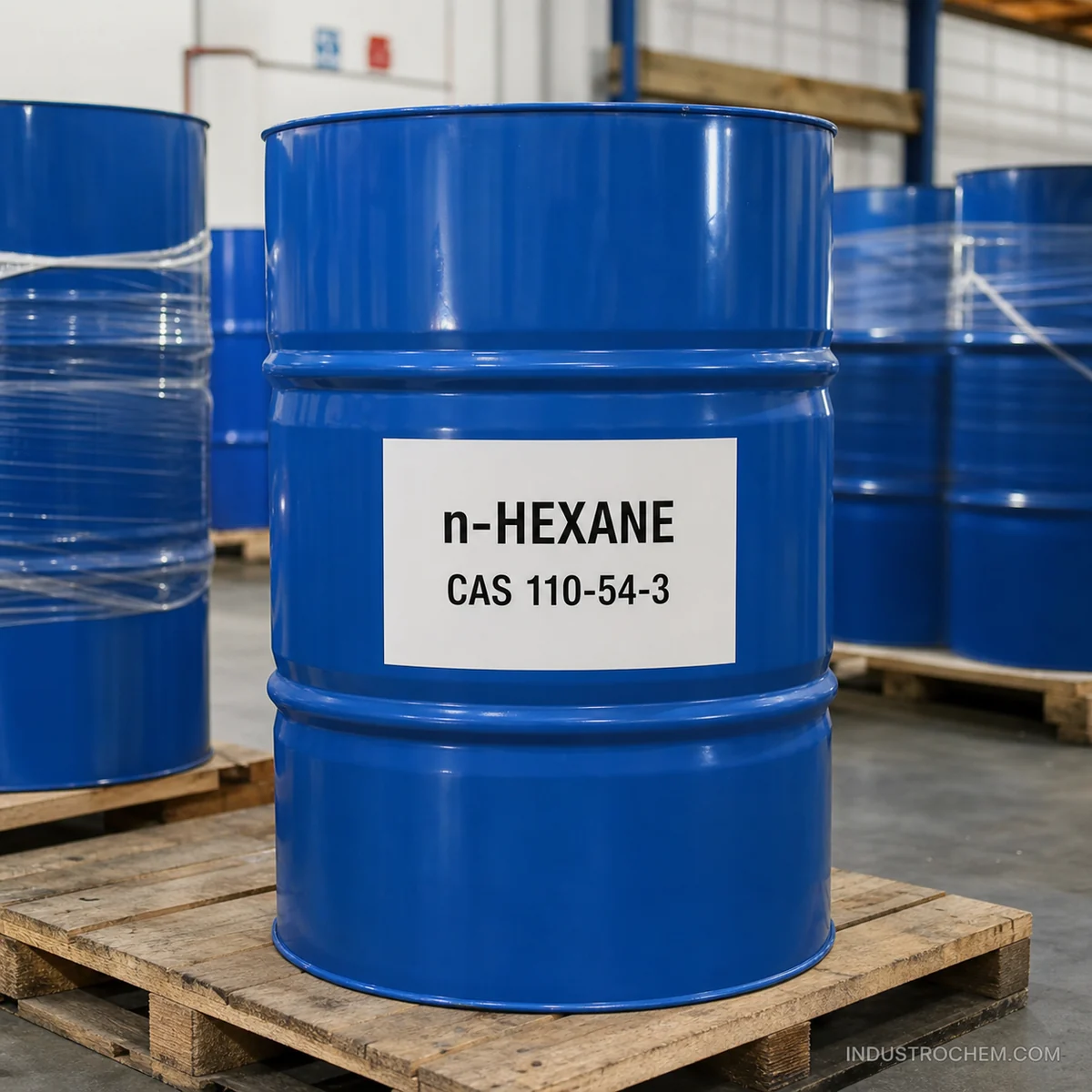
n-Hexane is a straight‑chain aliphatic hydrocarbon widely used as a non‑polar solvent in industrial processing. Commonly referred to as n-hexane, hexane, and normal hexane, this substance functions by dissolving oils, fats, and other hydrophobic compounds due to its low polarity and controlled volatility. Identified under CAS 110-54-3, it is typically applied in industrial extraction processes, where selective solubility and efficient solvent recovery are required. For industrial supply, it is available with competitive factory pricing, supports customized specifications, and is provided with standard documentation including MSDS, TDS, COA, suitable for bulk supply.
n-Hexane CAS 110-54-3
- CAS: 110-54-3
- Synonyms: n-Hexane, Hexane, Normal hexane, Hexyl hydriden-Hexane, Hexane, Normal hexane, Hexyl hydride
- Einecs: 203-523-4
- Molecular Formula: C6H14
- Grade: Industrial grade 99%
- Package: 200kg iron drum or 50kg plastic drum packaging
Product Description
Physicochemical Properties
| Parameter | Specification |
|---|---|
| Appearance | Clear, colorless liquid |
| Purity (n-Hexane) | ≥ 99.0% |
| Density (20°C) | 0.659 – 0.663 g/cm³ |
| Distillation Range | 68°C – 70°C |
| Water Content | ≤ 0.01% |
| Benzene Content | ≤ 1 ppm |
| Sulfur Content | ≤ 1 ppm |
| Color (Saybolt) | ≥ +30 |
| Non-volatile Matter | ≤ 1 mg/100ml |
Applications
Food Industry (Extraction)
- Oil Extraction: The primary solvent used to extract vegetable oils from seeds (soybeans, peanuts, corn) due to its high extraction efficiency and ease of recovery.
Polymer Industry
- Polymerization Solvent: Acts as an inert reaction medium for the coordination polymerization of olefins to produce High-Density Polyethylene (HDPE), LLDPE, and Polypropylene.
Manufacturing & Adhesives
- Adhesives: Used as a solvent in the shoe and leather industry for rubber cements and contact adhesives, allowing for quick drying and strong bonding.
- Precision Cleaning: Utilized as a degreaser and cleaning agent for mechanical parts and electronic components.
Pharmaceuticals
- Reaction Medium: Serves as a non-polar solvent in the synthesis of active pharmaceutical ingredients (APIs) and for molding low-temperature thermometers.
Quality Assurance (QA/QC)
Our n-Hexane production focuses on minimizing hazardous impurities to meet strict food safety and industrial standards.
- Benzene Removal: We utilize advanced hydrogenation and fractionation processes to reduce Benzene content to < 1 ppm, ensuring compliance with food contact regulations.
- Purity Analysis: Every batch is analyzed via Gas Chromatography (GC) to verify n-Hexane content (≥99%) and total saturates.
- Moisture Control: Strictly controlled water content (≤0.01%) prevents catalyst deactivation in polymerization processes.
Storage & Safety
Storage Guidelines
- Flammability: Highly flammable liquid and vapor. Store in a dedicated flammable liquids warehouse (Class 1A) equipped with explosion-proof lighting.
- Static Electricity: Ensure all containers and transfer equipment are grounded and bonded to prevent static discharge ignition.
- Ventilation: Store in a cool, well-ventilated place away from direct sunlight.
Safety & PPE Recommendations
- Neurotoxicity: Prolonged exposure to n-Hexane vapors can cause peripheral neuropathy (numbness in limbs). Strict adherence to exposure limits is mandatory.
- Reproductive Toxicity: Suspected of damaging fertility (Category 2).
- PPE: Wear organic vapor respirators, chemical-resistant gloves (Nitrile), and anti-static protective clothing.
- Environmental: Toxic to aquatic life with long-lasting effects. Prevent release to drains or waterways.
FAQ - Technical & Supply Chain
-
Q:
Is n-Hexane chemically distinct from Isohexane?
A: Yes, n-Hexane (CAS 110-54-3) is the unbranched, straight-chain isomer with a higher boiling point, whereas Isohexane (CAS 107-83-5) refers to the branched isomers (typically 2-methylpentane) which exhibit different evaporation rates. -
Q:
Is this solvent suitable for vegetable oil extraction?
A: n-Hexane is typically applied as the standard solvent for extracting oils from seeds like soybeans, peanuts, and corn, chosen for its narrow boiling range and excellent oil solubility.
Documents and Product Support
For product review and sourcing evaluation, supporting documents can be coordinated according to the product type, inquiry stage, and order requirements.
- COA for batch-based quality reference
- TDS for key physical and chemical information
- SDS / MSDS for handling, storage, and safety reference
- Packing information for sample, trial, and bulk orders
- Technical communication based on application and specification requirements
Information to Confirm Before Quotation
Clear sourcing information helps reduce specification mismatch and allows a more accurate quotation before sample or bulk order discussion.
- Product name and CAS number
- Application or intended end use
- Required purity, grade, or specification
- Sample quantity, trial order, or bulk demand
- Preferred packing form or net weight
- Destination country or port
- Required documents or compliance expectations
Packaging, Storage, and Handling Notes
Packaging form, storage conditions, shelf life, and shipment arrangements should be confirmed according to the product characteristics, package size, and destination requirements.
Before order confirmation, buyers are advised to review the corresponding product documents and confirm whether any special storage, labeling, or handling requirements apply.
Sample, Bulk Order and Repeat Supply Support
Support can be arranged for sample discussion, bulk supply planning, packaging confirmation, and routine sourcing communication based on the actual product and order requirements.
For repeat-use formulations or long-term procurement plans, buyers may discuss specification consistency, packaging preferences, delivery expectations, and document coordination in advance.