









DL-Homocysteine Thiolactone Hydrochloride is a cyclic thioester amino acid derivative used as a pharmaceutical intermediate, primarily involved in controlled ring-opening and derivatization reactions during synthetic and biochemical process development. As the hydrochloride salt form of homocysteine thiolactone (CAS 6027-13-0), it provides defined reactivity and handling characteristics for downstream transformation in amino acid modification and sulfur-containing compound synthesis. Industrial supply is available with competitive factory pricing, support for customized specifications, and complete documentation including MSDS, TDS, COA, enabling bulk supply for regulated manufacturing environments.
DL-Homocysteine Thiolactone Hydrochloride CAS 6027-13-0
- CAS: 6027-13-0
- Synonyms: DL-Homocysteine thiolactone HCl, Homocysteine thiolactone hydrochloride, DL-Homocysteine thiolactone salt
- Einecs: 227-923-3
- Molecular Formula: C₄H₈ClNOS
- Grade: Industrial grade 99%
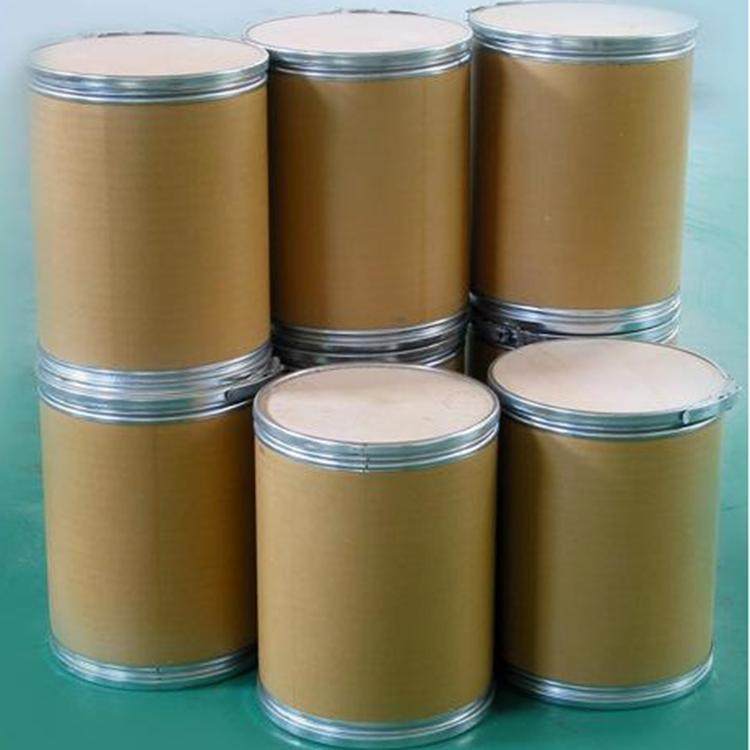
- Package: 200kg iron drum or 50kg plastic drum packaging
Product Description
Physicochemical properties
| Property | Value |
|---|---|
| Chemical Formula | C₄H₈ClNOS |
| Molecular Weight | 153.63 g/mol |
| CAS Number | 6027-13-0 |
| EINECS Number | 227-923-3 |
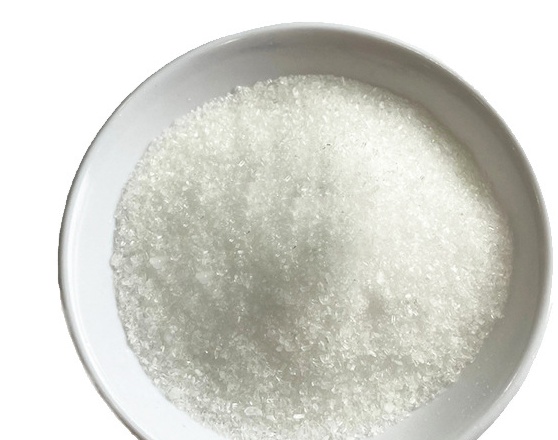
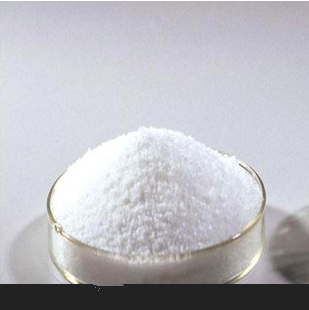
| Appearance | White crystalline powder |
| Melting Point | 202 °C (dec.) (lit.) |
| Boiling Point | 253.8 °C at 760 mmHg |
| Density | 0.862 g/cm³ |
| Flash Point | 107.3 °C |
| Solubility in Water | 740.5 g/L (20 °C) |
| Solubility in DMSO | Slightly soluble |
| Solubility in Methanol | Slightly soluble |
| Stability | Stable under normal temperatures and pressures |
| Storage Conditions | Keep in a dark place, in an inert atmosphere, at room temperature. Store in a tightly closed container, in a cool, dry, well-ventilated area away from incompatible substances. |
| Safety Precautions | Avoid contact with skin and eyes. Wear appropriate protective equipment. In case of contact, rinse thoroughly with water and seek medical advice if necessary. |
Application Areas
Biochemical research: As a derivative of homocysteine, it is used to study the metabolic pathway of thioneification and its association with cardiovascular disease and neurodegenerative diseases such as Alzheimer’s disease.
Drug development: As a potential drug intermediate, it is used to design compounds that regulate homocysteine levels or develop inhibitors for thiolase.
Plant biology research: Low concentrations (such as 50 μ M) can inhibit plant root growth and are used to study the response mechanism of plants to amino acid derivatives.
Metal ion research: can form stable complexes with metal ions to assist in the study of the function of metalloenzymes or metalloproteins.
Storage conditions
Storage conditions: Sealed storage, away from light and moisture, recommended storage temperature of 2-8 ° C (short-term) or -20 ° C (long-term).
Stability: Stable at room temperature and pressure, but avoid environments with strong oxidants, strong acids, or strong bases to prevent decomposition.
Safety precautions
Hazard: It belongs to non hazardous substances (GHS classification), but protective equipment (such as gloves, goggles) should be worn during operation to avoid inhaling dust or skin contact.
Emergency measures:
Inhalation: Transfer to fresh air and maintain unobstructed breathing.
Skin contact: Rinse with plenty of soapy water and seek medical attention if necessary.
Ingestion: Rinse mouth immediately and seek medical help, do not induce vomiting.
Waste disposal: Follow local regulations and it is recommended to handle it through professional institutions
FAQ - Technical & Supply Chain
-
Q:
Do DL-Homocysteine Thiolactone Hydrochloride and Homocysteine thiolactone HCl refer to the same substance?
A: Yes. These names describe the same hydrochloride salt form and correspond to a single CAS number, indicating identical substance identity. -
Q:
Is DL-Homocysteine Thiolactone Hydrochloride used as an industrial intermediate rather than a finished pharmaceutical product?
A: It is typically intended for use as an intermediate in pharmaceutical and biochemical synthesis processes, rather than as a finished dosage form.
Documents and Product Support
For product review and sourcing evaluation, supporting documents can be coordinated according to the product type, inquiry stage, and order requirements.
- COA for batch-based quality reference
- TDS for key physical and chemical information
- SDS / MSDS for handling, storage, and safety reference
- Packing information for sample, trial, and bulk orders
- Technical communication based on application and specification requirements
Information to Confirm Before Quotation
Clear sourcing information helps reduce specification mismatch and allows a more accurate quotation before sample or bulk order discussion.
- Product name and CAS number
- Application or intended end use
- Required purity, grade, or specification
- Sample quantity, trial order, or bulk demand
- Preferred packing form or net weight
- Destination country or port
- Required documents or compliance expectations
Packaging, Storage, and Handling Notes
Packaging form, storage conditions, shelf life, and shipment arrangements should be confirmed according to the product characteristics, package size, and destination requirements.
Before order confirmation, buyers are advised to review the corresponding product documents and confirm whether any special storage, labeling, or handling requirements apply.
Sample, Bulk Order and Repeat Supply Support
Support can be arranged for sample discussion, bulk supply planning, packaging confirmation, and routine sourcing communication based on the actual product and order requirements.
For repeat-use formulations or long-term procurement plans, buyers may discuss specification consistency, packaging preferences, delivery expectations, and document coordination in advance.
Contact Form
Use our contact form to send us your questions, suggestions or comments. We will respond as soon as possible.
Product Categories
Related Products
-
Piperazine Anhydrous (CAS 110-85-0) -
Propylene Glycol Block Polyether F68 CAS 9003‑11‑6 -
Polyethylene Glycol 6000 Powder CAS 25322-68-3 -
Dienolone CAS 6218-29-7 -
2-Phenylethylamine hydrochloride CAS 156-28-5 -
Cyanocobalamin (Vitamin B12) – CAS 68-19-9 -
3‑Acetoxy‑4‑methylbenzoic Acid CAS 69984-75-4 -
Sodium 4‑Aminosalicylate Dihydrate (PAS‑Na) CAS 6011-12-7