









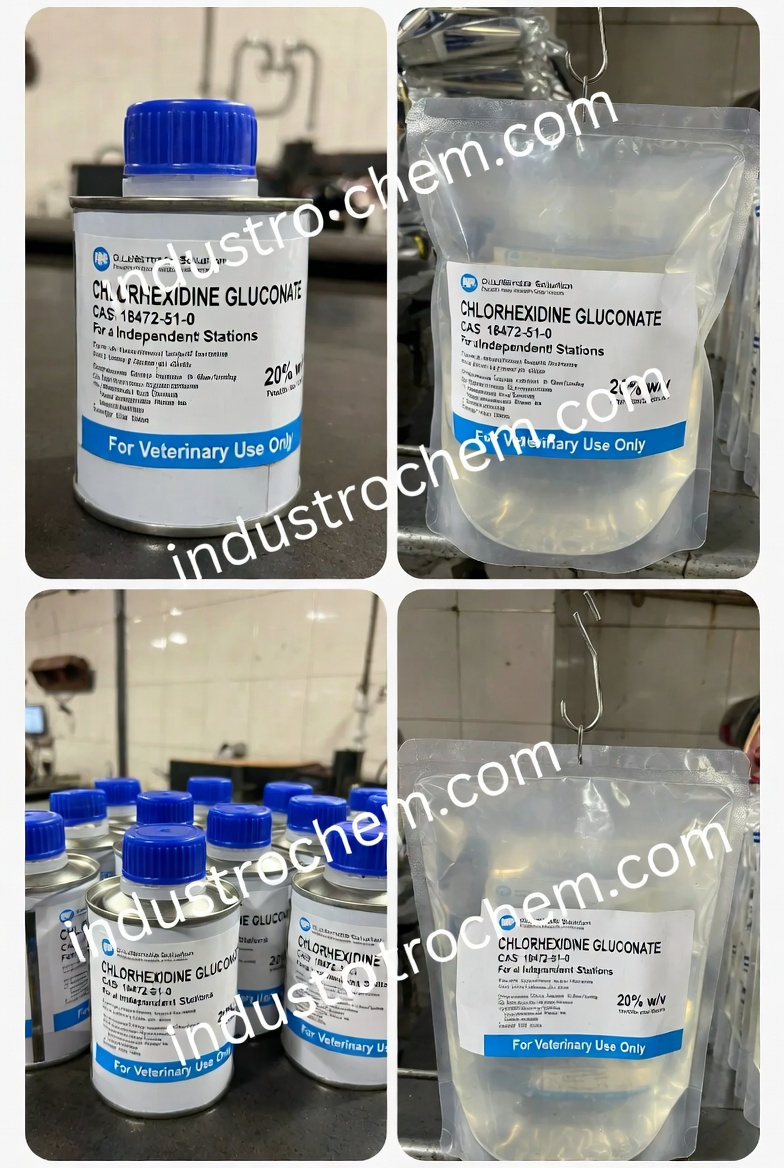
Chlorhexidine Gluconate Solution CAS 18472-51-0 is the digluconate salt form of chlorhexidine , chemically identified as 1,1'-Hexamethylenebis[5-(4-chlorophenyl)biguanide] digluconate, functioning primarily as a broad-spectrum antimicrobial agent in the formulation of industrial disinfectants and antiseptic products. Commonly referred to as Chlorhexidine digluconate or CHG solution, this cationic bisbiguanide acts by disrupting bacterial cell membranes and is utilized as a key active ingredient in the manufacturing of surgical scrub formulations, wound care products, and oral hygiene preparations. We provide professional access to this material with competitive factory pricing and the ability to meet customized specifications for various manufacturing requirements. Our commitment to technical transparency ensures that every shipment is accompanied by comprehensive MSDS, TDS, COA documentation to support your quality assurance protocols, and we maintain capacity for consistent bulk supply to facilitate large-scale industrial operations.
Chlorhexidine Gluconate Solution CAS 18472-51-0
- CAS: 18472-51-0
- Synonyms: Chlorhexidine digluconate, CHG, 1,1'-Hexamethylenebis[5-(4-chlorophenyl)biguanide] digluconate, Chlorhexidine di-D-gluconate, Hibitane gluconate
- Einecs: 242-354-0
- Molecular Formula: C34H54Cl2N10O14
- Grade: Industrial Detergent Material
- Package: 200 kg drum / 1000 kg IBC (customizable)
Product Description
1. Physical and Chemical Properties
Commercially, Chlorhexidine Gluconate is almost exclusively sold as a 20% aqueous solution. The pure salt is difficult to handle and dissolve, so the 20% solution offers the perfect balance of stability and ease of formulation.
| Property | Specification / Description |
|---|---|
| CAS Number | 18472-51-0 |
| Common Name | Chlorhexidine Digluconate 20% Solution |
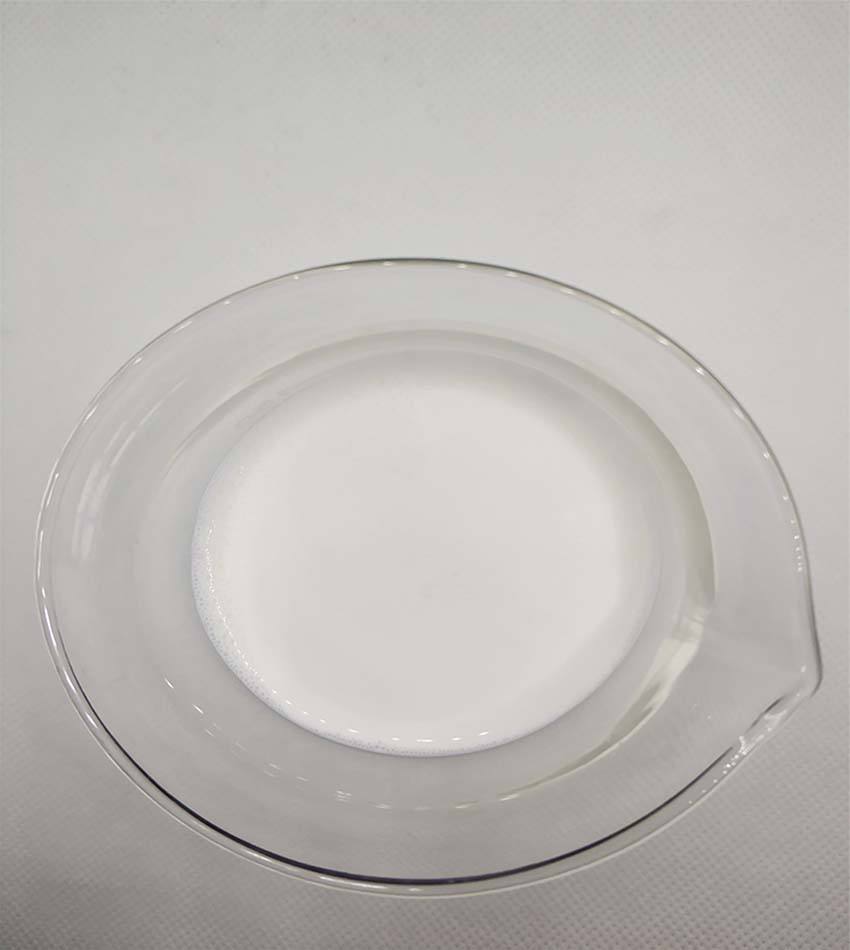
| Appearance | Colorless to pale yellowish liquid |
| Odor | Almost odorless |
| Solubility | Miscible with water, soluble in alcohol |
| Ionic Character | Cationic (Positively charged) |
| pH Value | Typically 5.5 – 7.0 |
| Stability | Sensitive to light and high temperatures |
Formulator’s Note: Because CHG is cationic, it is incompatible with anionic surfactants (like common soaps or SLS). Mixing the two will cause the CHG to precipitate and lose its antimicrobial activity.
2. Applications: A Versatile Guardian
The 20% solution is a raw material concentrate. It is rarely used at full strength but is the backbone for a wide array of finished products:
- Surgical Hand Scrubs & Pre-op Preps: Usually diluted to 2% or 4% formulations. It binds to the skin proteins, providing a “persistent effect” that kills bacteria for hours after application.
- Oral Hygiene: The active ingredient in prescription mouthwashes (typically 0.12% or 0.2%) to treat gingivitis and reduce plaque.
- Medical Device Disinfection: Used to disinfect catheter insertion sites and medical equipment.
- Veterinary Care: A staple in wound care sprays and shampoos for pets to treat skin infections.
- Personal Care: Increasing use in hand sanitizers (often combined with alcohol) and antibacterial wet wipes.
3. Safety Precautions: Handle with Care
While CHG is safe for end-users in diluted forms, the 20% concentrate requires professional handling protocols.
- Eye Hazard: This is the most critical risk. Concentrated CHG can cause serious, permanent eye damage. Safety goggles are non-negotiable for workers handling the raw material. If contact occurs, immediate and prolonged irrigation is vital.
- Ototoxicity (Ear Safety): CHG must not enter the middle ear. If it crosses a perforated eardrum, it can cause sensorineural deafness. Care must be taken during head and neck procedures.
- Anaphylaxis: Though rare, hypersensitivity reactions can occur.
- Incompatibility: As mentioned, keep away from inorganic anions (sulfates, chlorides) and anionic soaps to prevent deactivation.
4. Storage Conditions: Protecting the API
Chlorhexidine Gluconate is a sensitive molecule. Improper storage can lead to an increase in PCA levels (degradation) or color changes.
- Light Protection: The product is photosensitive. It must be stored in opaque containers or dark areas. Exposure to direct sunlight accelerates degradation.
- Temperature Control: Store at room temperature (controlled). Do not freeze. Freezing can cause the active ingredient to precipitate, and redissolving it can be difficult and may alter the concentration uniformity. Avoid excessive heat (above 40°C).
- Container Material: High-Density Polyethylene (HDPE) drums or plastic pharmaceutical-grade bottles are standard. Avoid long-term contact with metals that might corrode or leach ions.
5. Quality Control: The Impurity Factor
When comparing quotes for CAS 18472-51-0, do not just look at the price per kg. Look at the Certificate of Analysis (COA).
The defining characteristic of high-quality CHG is the level of p-Chloroaniline (PCA).
- Standard Grade: Suitable for general disinfection.
- Pharma Grade (EP/USP): Requires PCA levels to be extremely low (often < 500 ppm or lower limits depending on the specific monograph).
We work with manufacturers who perform High-Performance Liquid Chromatography (HPLC) testing on every batch to ensure the impurity profile meets the strict requirements of export markets in Europe and the Americas.
FAQ - Technical & Supply Chain
-
Q:
How is Chlorhexidine Gluconate Solution (CAS 18472-51-0) chemically verified for industrial consistency?
A: Chlorhexidine Gluconate Solution is identified by CAS 18472-51-0 and typically appears as a colorless to pale yellow liquid. Industrial verification relies on confirming the presence of the digluconate salt form through HPLC analysis and ensuring the concentration matches the specified commercial standard (commonly 20%) to distinguish it from the free base or acetate forms. -
Q:
What is the intended industrial application of Chlorhexidine Gluconate Solution?
A: This material is intended for use as an antimicrobial raw material in the manufacturing of biocidal formulations. It serves as the active agent in preparing skin antisepsis products, medical device disinfectants, and preservative systems for personal care applications, rather than being used directly as a finished consumer sanitizer.
Documents and Product Support
For product review and sourcing evaluation, supporting documents can be coordinated according to the product type, inquiry stage, and order requirements.
- COA for batch-based quality reference
- TDS for key physical and chemical information
- SDS / MSDS for handling, storage, and safety reference
- Packing information for sample, trial, and bulk orders
- Technical communication based on application and specification requirements
Information to Confirm Before Quotation
Clear sourcing information helps reduce specification mismatch and allows a more accurate quotation before sample or bulk order discussion.
- Product name and CAS number
- Application or intended end use
- Required purity, grade, or specification
- Sample quantity, trial order, or bulk demand
- Preferred packing form or net weight
- Destination country or port
- Required documents or compliance expectations
Packaging, Storage, and Handling Notes
Packaging form, storage conditions, shelf life, and shipment arrangements should be confirmed according to the product characteristics, package size, and destination requirements.
Before order confirmation, buyers are advised to review the corresponding product documents and confirm whether any special storage, labeling, or handling requirements apply.
Sample, Bulk Order and Repeat Supply Support
Support can be arranged for sample discussion, bulk supply planning, packaging confirmation, and routine sourcing communication based on the actual product and order requirements.
For repeat-use formulations or long-term procurement plans, buyers may discuss specification consistency, packaging preferences, delivery expectations, and document coordination in advance.