Chemical products

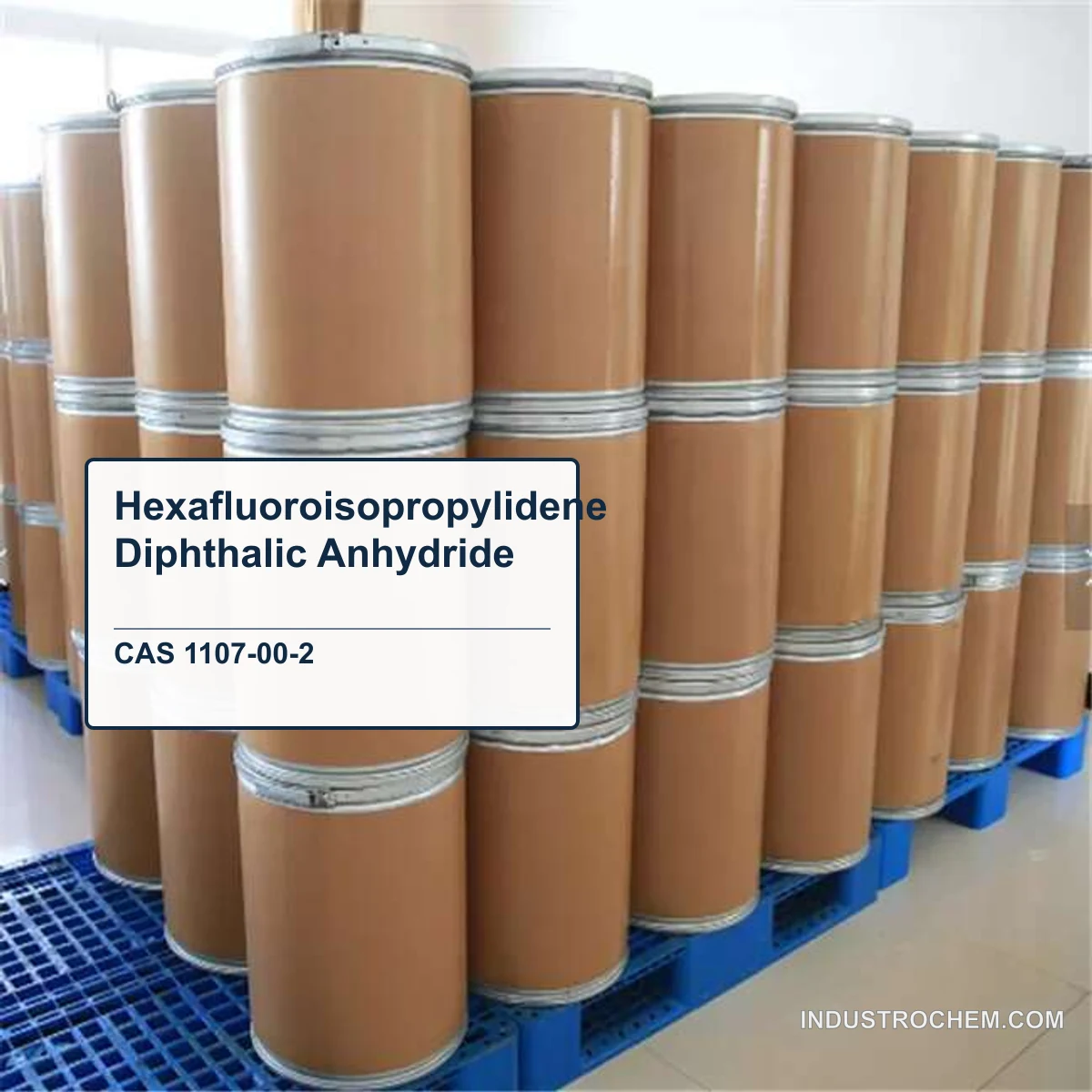
Hexafluoroisopropylidene Diphthalic Anhydride (6FDA) CAS 1107-00-2

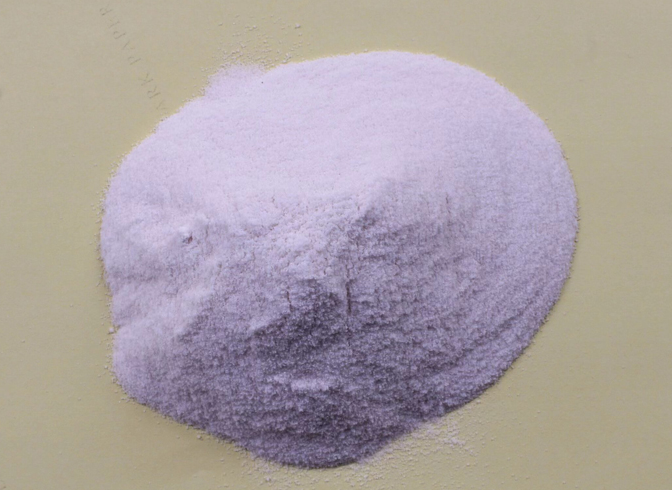
6FDA, CAS 1107-00-2, is a fluorinated aromatic dianhydride used as a monomer in polyimide synthesis. This moisture-sensitive white to off-white powder is selected by assay method, water content and application-specific impurity limits.

  • CAS: 1107-00-2
  • Synonyms: 6FDA; 4,4'-(Hexafluoroisopropylidene)diphthalic anhydride
  • Einecs: 214-170-0
  • Molecular Formula: C₁₉H₆F₆O₆
  • Grade: Polyimide monomer; assay method and impurity limits agreed to specification.
  • Package: Sealed moisture-barrier packaging, including lined fibre drums; size agreed with the order.
Request a quote
Share:

Product Description

Polyimide monomer and formulation choices

Hexafluoroisopropylidene diphthalic anhydride (6FDA) is a fluorinated aromatic dianhydride with the formula C₁₉H₆F₆O₆ and EC number 214-170-0. It reacts with diamines to form polyamic-acid precursors that can be converted to polyimides. Applications include polymer films, coatings and membrane systems; final properties depend on the monomer combination and processing conditions.

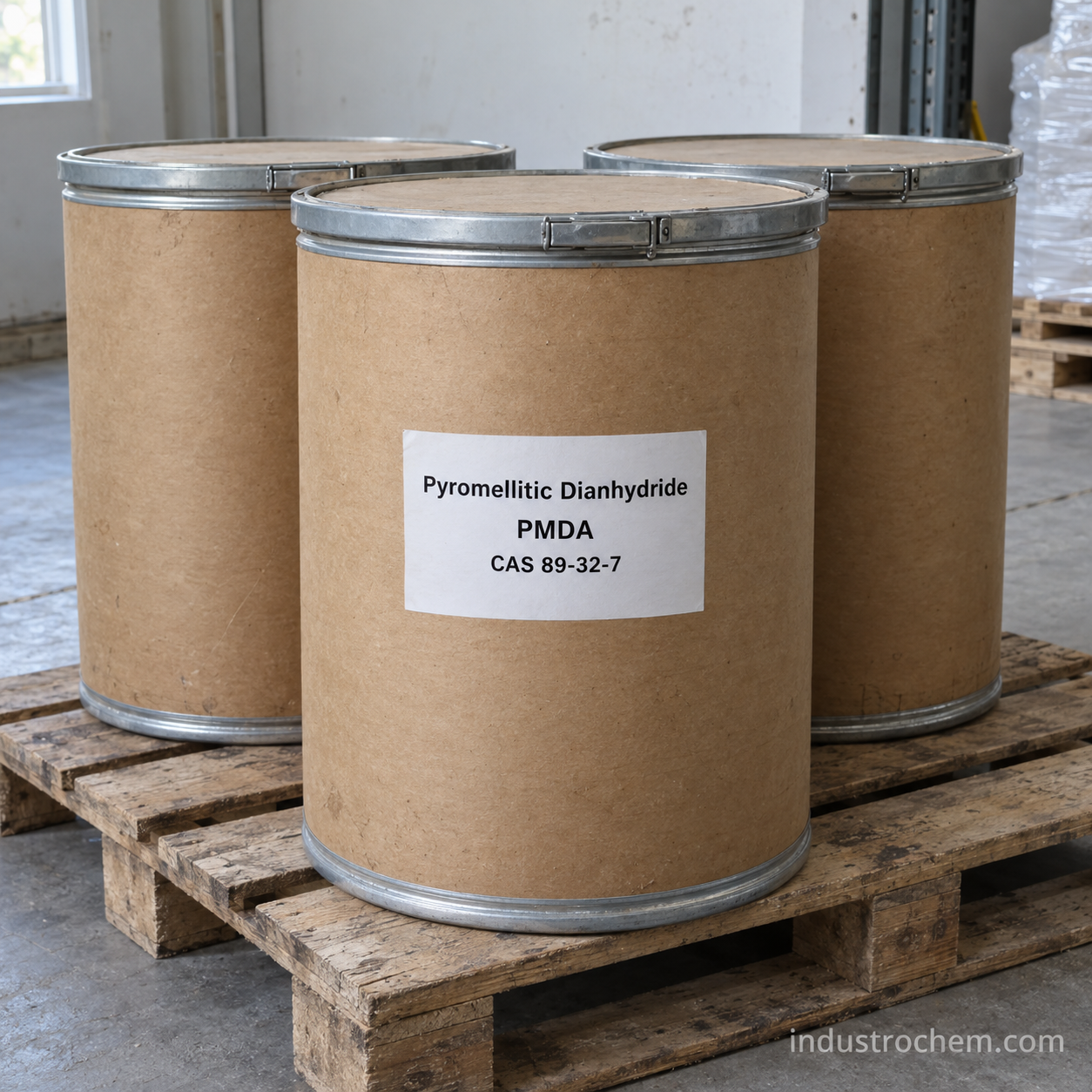
Aromatic diamines such as p-phenylenediamine (PPD) are complementary monomers in selected 6FDA formulations. Pyromellitic dianhydride (PMDA) is another dianhydride used for comparison or in defined copolymer systems. Changing either monomer requires formulation evaluation, rather than an automatic one-for-one substitution.

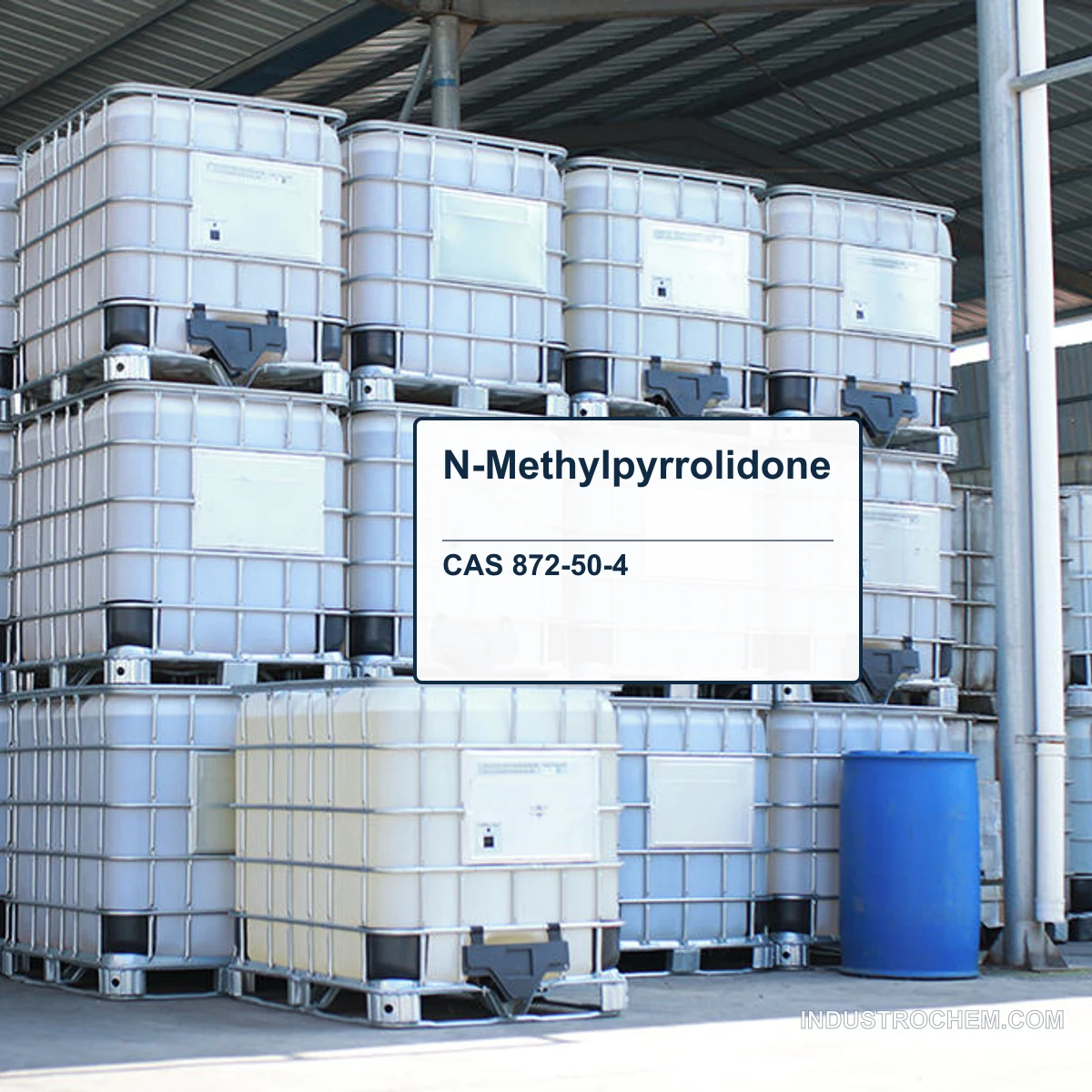
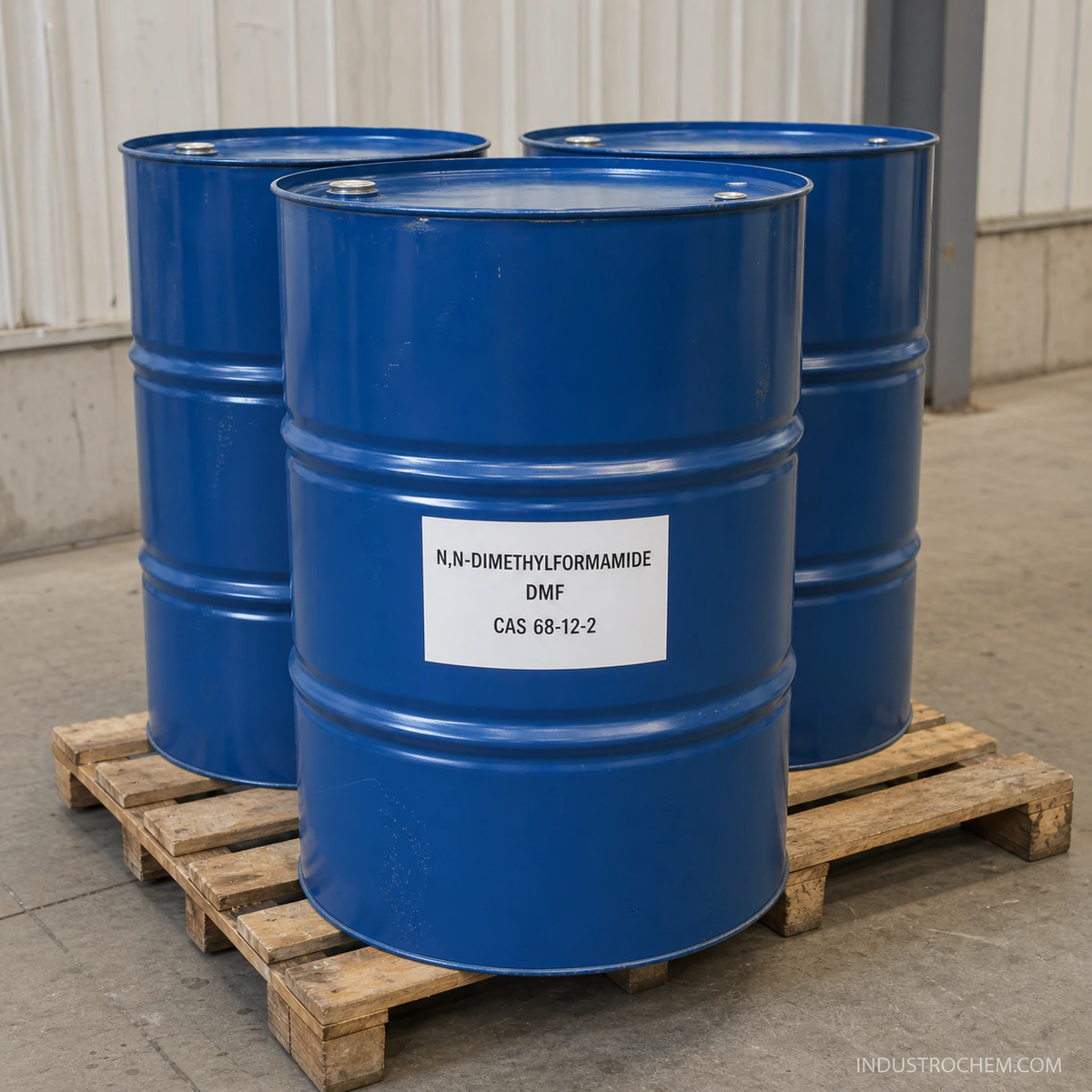
N-Methyl-2-pyrrolidone (NMP) and N,N-dimethylformamide (DMF) are polar solvent options for suitable polyimide-precursor systems. Solvent choice should match the monomers, solids content and process, with appropriate water control and handling measures.

Purity, moisture and trace-metal controls

HPLC can assess 6FDA organic purity and the impurity profile. The specification should identify the method and reporting basis: normalized chromatographic area percentage is not automatically a mass-fraction assay. Commercial specifications may also use GC or titration; results from different methods should not be treated as interchangeable.

Water can hydrolyze anhydride groups, so moisture and acid-related impurities need separate attention. A suitable Karl Fischer method can measure water; it does not replace anhydride or free-acid assessment. Where the polymer application sets trace-metal limits, agree the individual elements, units and an appropriate ICP-MS or ICP-OES method, including sample preparation.

Technical documents for evaluation

We can provide a Certificate of Analysis (COA), Technical Data Sheet (TDS) and Safety Data Sheet (SDS) for the offered 6FDA grade, together with applicable HPLC chromatograms and quality-test information. Specify any required moisture or trace-metal criteria so the test method and reporting basis can be matched to your acceptance requirements.

Packaging, storage and quotation

6FDA is a white to off-white powder or crystalline powder and is sensitive to moisture. Suitable packaging uses a sealed moisture-barrier liner inside a protective container such as a fibre drum. Package size is agreed with the order. Keep containers tightly closed in a cool, dry place, and follow the product SDS for handling and storage.

For a quotation, send the required quantity and destination, plus your target assay or polymer application if available. Additional impurity limits and packaging requirements can be agreed during specification review.

FAQ - Technical & Supply Chain

  • Q:

    Are 6FDA and hexafluoroisopropylidene diphthalic anhydride the same product?

    A: Yes. 6FDA is the abbreviation for 4,4'-(hexafluoroisopropylidene)diphthalic anhydride, CAS 1107-00-2. It is a fluorinated dianhydride monomer, not a finished polyimide resin.
  • Q:

    What does HPLC purity tell a 6FDA buyer?

    A: HPLC describes organic purity and the detected impurity profile under the stated method. Area percentage is not automatically mass fraction, and a high HPLC result alone does not establish low water or low trace-metal content.
  • Q:

    Which quality requirements matter for 6FDA polymerization?

    A: Agree assay and its method, appearance, moisture and relevant acid-related impurities. Add element-specific trace-metal limits where the application requires them. Acceptance limits should match the intended polymer system rather than a generic grade name.
  • Q:

    Can PMDA replace 6FDA directly?

    A: No general one-for-one substitution should be assumed. PMDA and 6FDA are distinct dianhydrides used in different polyimides or defined copolymers. Changing the dianhydride can change processing and polymer properties, so the formulation must be evaluated.
  • Q:

    Why does 6FDA need moisture-protective packaging?

    A: Water can hydrolyze the anhydride groups and change the material used in polymerization. Sealed moisture-barrier packaging and dry storage help protect the monomer; the net weight and container arrangement are agreed for the order.

Ordering & Documentation

Key information for document requests, quotations, and supply planning.

Documents

Tell us which documents your procurement team needs. Before an order, we will check whether the quoted source can provide them for the offered lot.

Quotation

Send the CAS number, grade, quantity, packing preference and destination.

Sample & Supply

Ask whether samples, trial quantities or repeat orders are possible. We will check each request against the sourced product and current offer.

Storage & Shipping

Product-specific conditions are confirmed before order.

Contact Form

Use our contact form to send us your questions, suggestions or comments. We will respond as soon as possible.
For a quotation, please include the product name or CAS number, quantity, grade or application, and destination country or port. Tell us if you need a sample, COA, TDS or SDS.