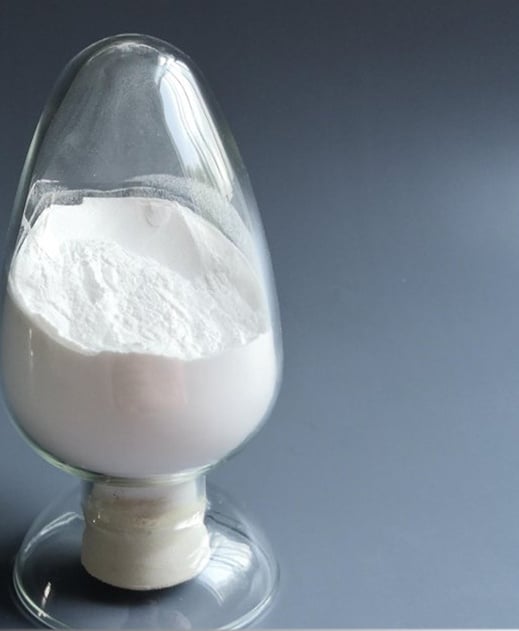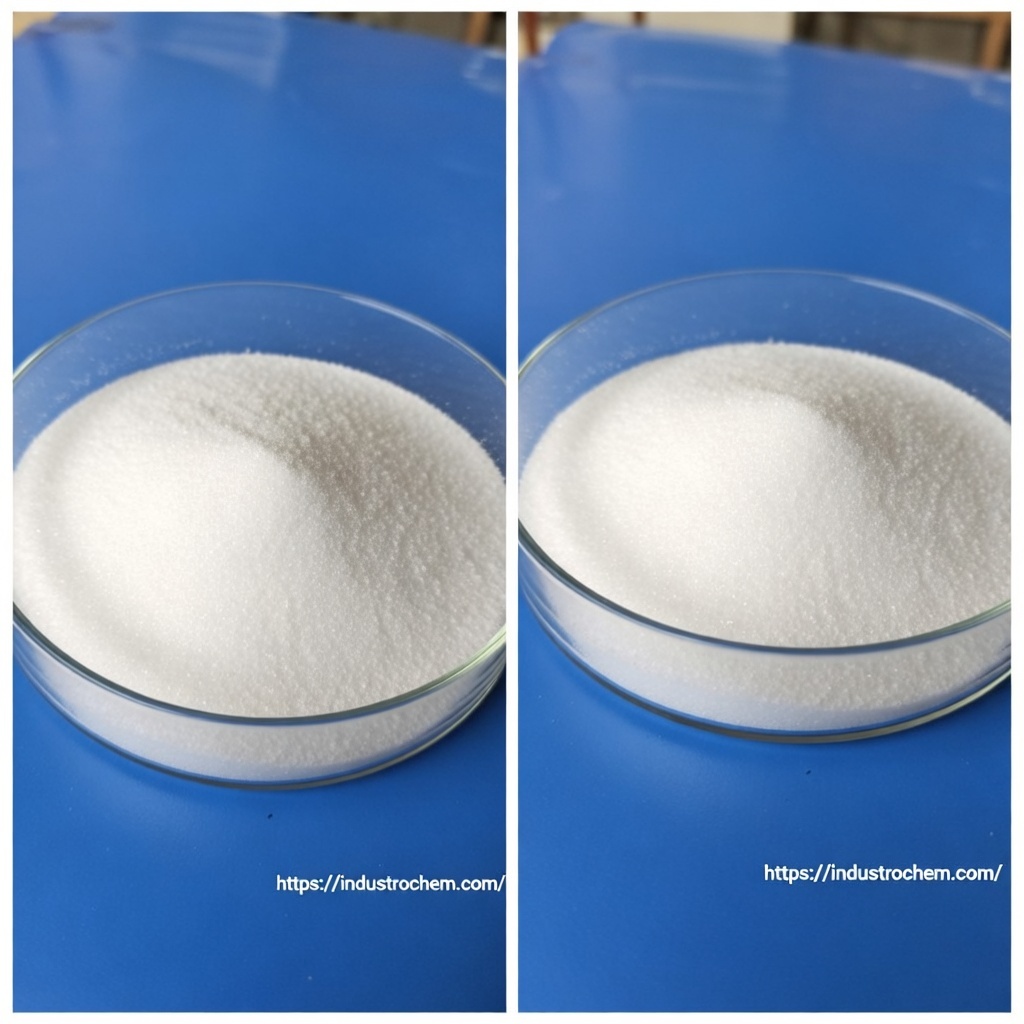



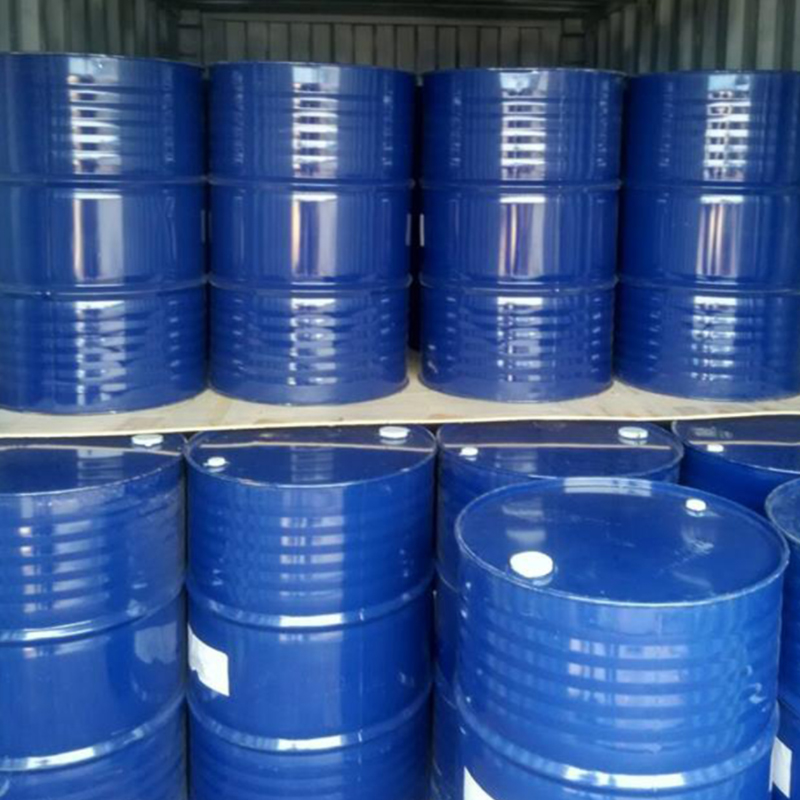

1,5-Pentanediol (1,5-PDO), CAS 111-29-5, also known as pentane-1,5-diol or pentamethylene glycol, is a linear diol for polyester and polyurethane resins and polycarbonate-diol synthesis. Industrial grade selection depends on GC assay, water content and the requirements of the resin process. Quotations are available by quantity and destination.
1,5-Pentanediol (1,5-PDO) CAS 111-29-5
- CAS: 111-29-5
- Synonyms: 1,5-Pentanediol; Pentane-1,5-diol; Pentamethylene glycol; 1,5-Dihydroxypentane; 1,5-PDO
- Einecs: 203-854-4
- Molecular Formula: C₅H₁₂O₂
- Grade: Industrial diol for resin synthesis; GC assay, water and process-specific limits agreed for the quoted grade
- Package: Tightly closed, compatible packaging; configuration quoted by quantity and destination
Product Description
Resin raw material selection
1,5-Pentanediol is a linear diol with two terminal hydroxyl groups. Its molecular formula is C₅H₁₂O₂ and molar mass is 104.15 g/mol. It is used to make polyester and polyurethane resins and polycarbonate diols. The explicit name and CAS distinguish it from 1,3-propanediol and from the 1,2-pentanediol commonly sold as pentylene glycol for cosmetics.
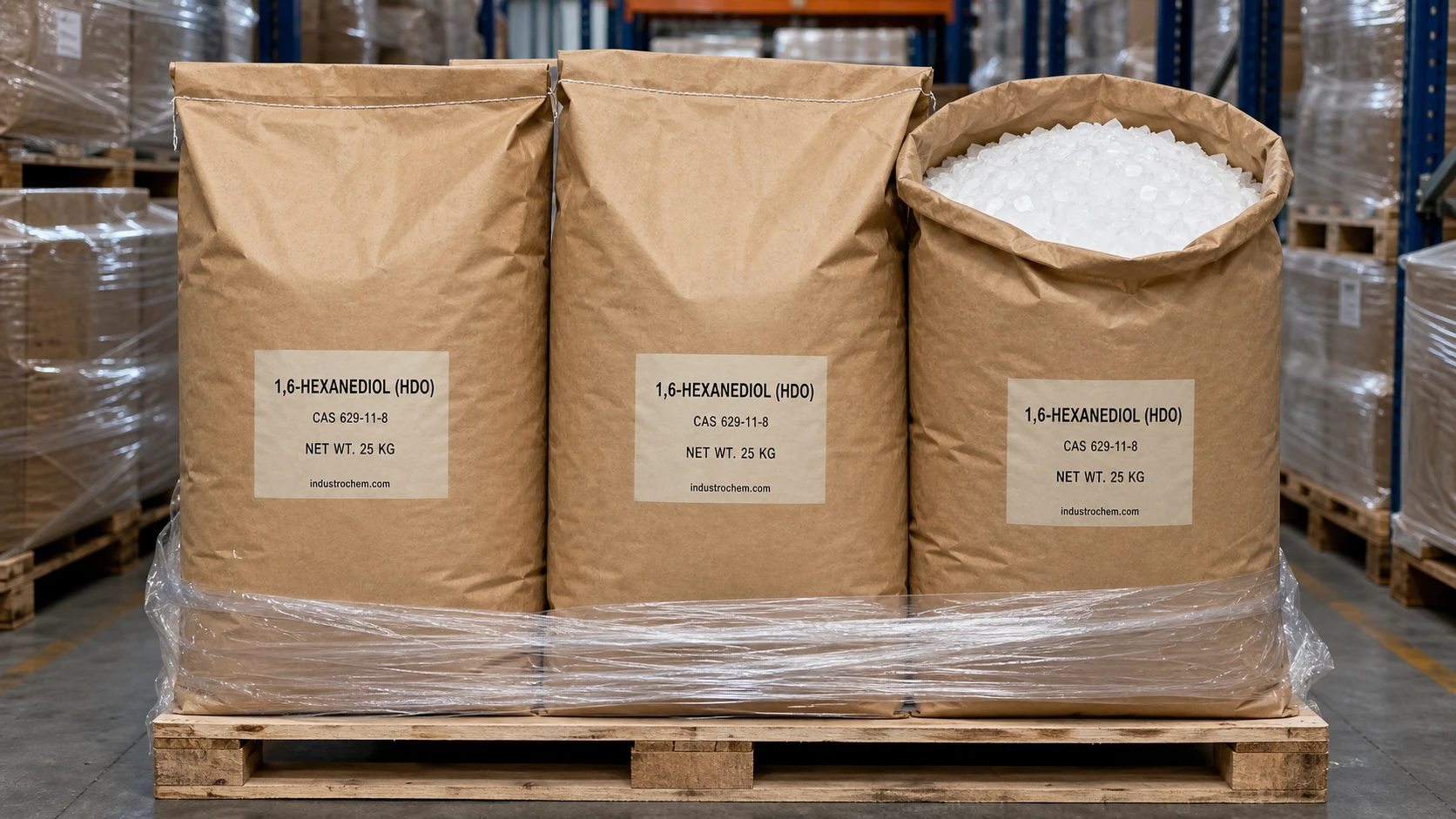
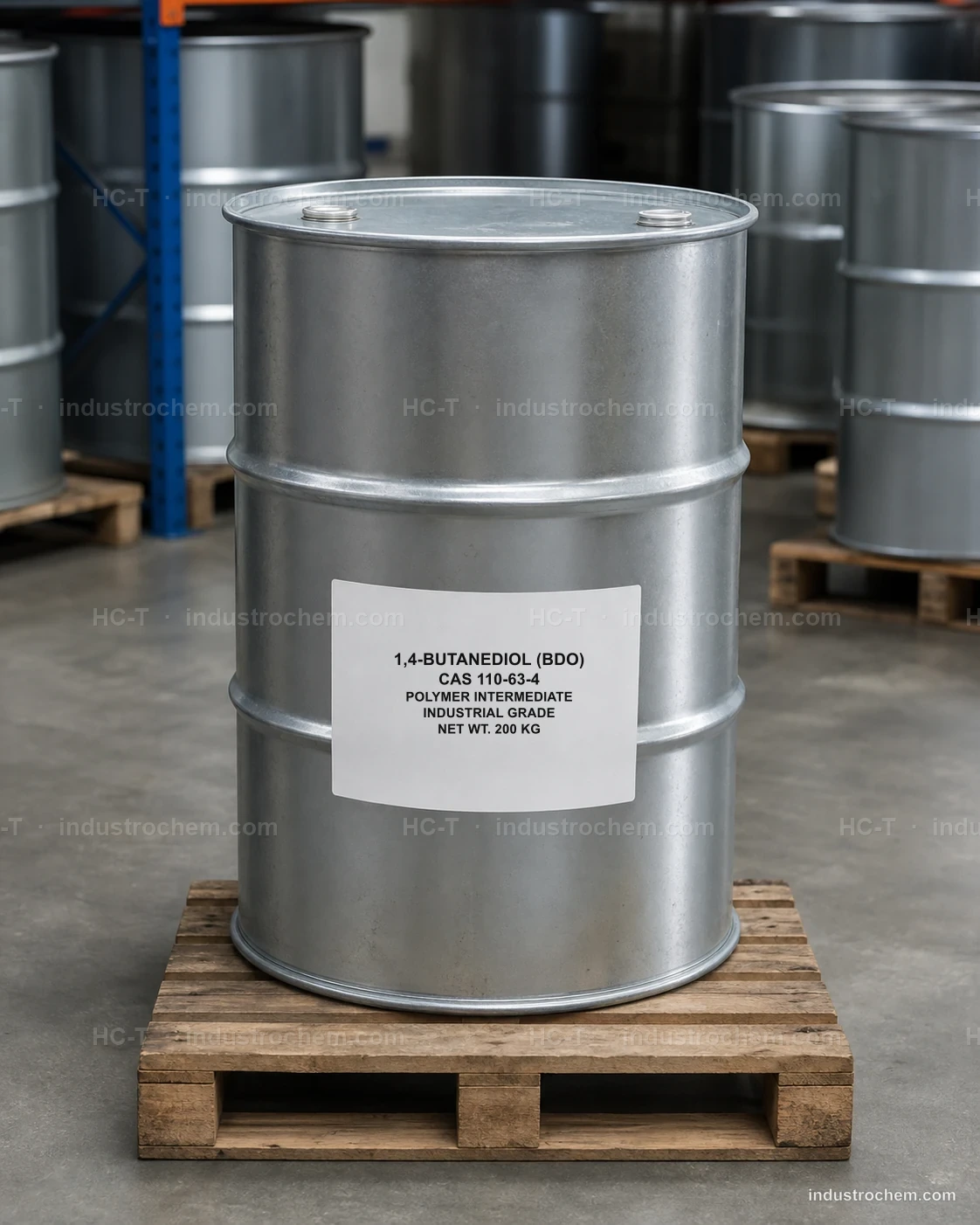
For resin development, 1,4-butanediol (BDO) and 1,6-hexanediol (HDO) are other linear diols, while neopentyl glycol (NPG) has a branched structure. They are useful formulation comparisons, not interchangeable grades of 1,5-pentanediol; changing the diol requires resin and process evaluation.
Adipic acid is a dicarboxylic acid used with diols in polyester synthesis. It is a complementary monomer, not a replacement for the diol. The monomer balance and target resin properties determine the formulation.
Purity, moisture and quality documents
Gas chromatography (GC) can measure 1,5-pentanediol and related organic impurities. GC peak-area purity is not automatically a mass fraction or a measure of water content. The assay method, calculation basis and any impurity limits belong in the agreed specification.
For moisture-sensitive resin processes, specify water separately from GC purity. Karl Fischer titration can be used for water determination. Hydroxyl value, acidity and color are additional selection criteria where required by the resin process.
We can provide a Certificate of Analysis (COA), Technical Data Sheet (TDS) and Safety Data Sheet (SDS) for the quoted grade, together with GC purity data and chromatograms when required. The agreed specification and batch results define acceptance; typical physical-property data are not batch guarantees.
Physical reference and bulk quotation
Reference values for the neat diol are a boiling range of about 240–242 °C at 1013 hPa and a density of about 0.99 g/cm³ at 20 °C. These are typical reference values, not batch acceptance limits. The product is hygroscopic, so tightly closed packaging and moisture control matter during storage and handling.
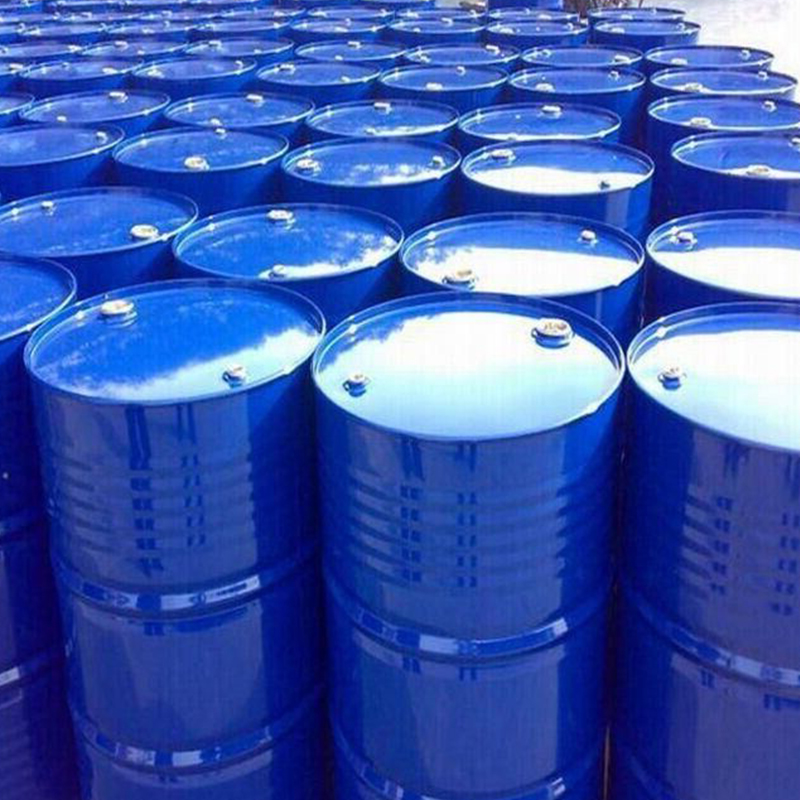
For a quotation, send the required grade or resin application, quantity and destination. Include a target assay and maximum water content if these are already defined. Packaging and delivery arrangements are quoted for the order; the current SDS governs product-specific handling.
FAQ - Technical & Supply Chain
-
Q:
Are 1,5-Pentanediol and 1,5-PDO the same diol?
A: Yes. 1,5-Pentanediol, pentane-1,5-diol, pentamethylene glycol and 1,5-PDO identify CAS 111-29-5. The unqualified names PDO and pentylene glycol can be ambiguous, so use the full product name and CAS when ordering. Different pentanediol isomers are not the same material. -
Q:
Which specifications matter when purchasing industrial 1,5-Pentanediol?
A: Start with the GC assay and its reporting basis, water content and any process-critical impurity limits. Hydroxyl value, acidity and color may also matter for the target resin. A GC peak-area result does not establish a mass-based assay or replace a separate water test. -
Q:
What should be confirmed before bulk 1,5-Pentanediol delivery?
A: Agree the specification, quantity, packaging and destination, with any moisture-control and unloading requirements. Keep the product tightly closed to limit moisture uptake. Batch analytical results and the current handling instructions should match the quoted grade.
Ordering & Documentation
Key information for document requests, quotations, and supply planning.
Documents
Tell us which documents your procurement team needs. Before an order, we will check whether the quoted source can provide them for the offered lot.
Quotation
Send the CAS number, grade, quantity, packing preference and destination.
Sample & Supply
Ask whether samples, trial quantities or repeat orders are possible. We will check each request against the sourced product and current offer.
Storage & Shipping
Product-specific conditions are confirmed before order.