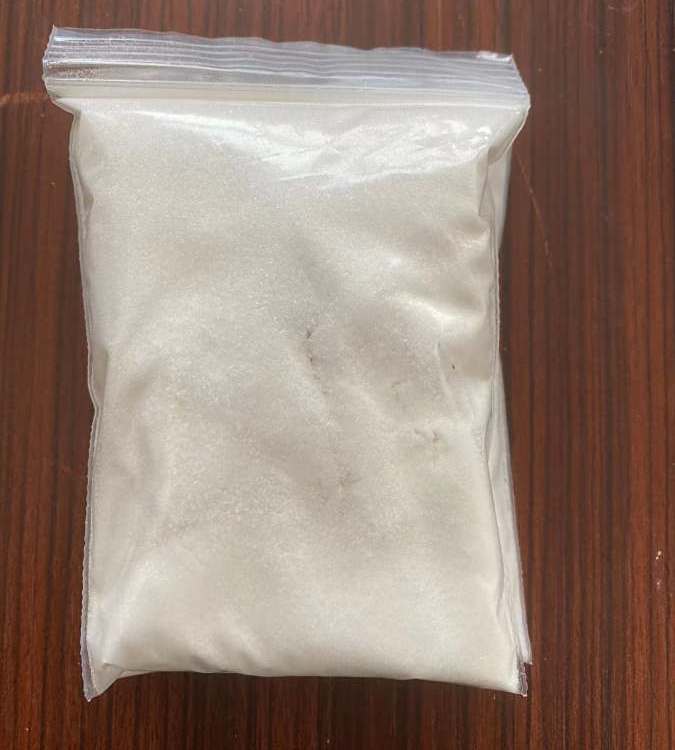










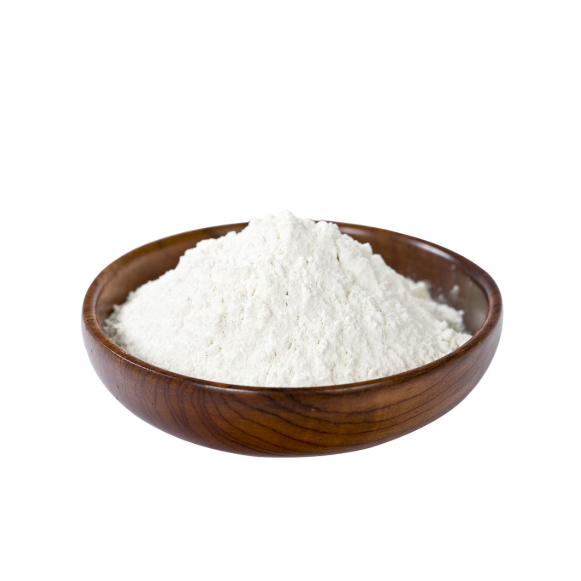
Triclocarban CAS 101-20-2 is a highly effective carbanilide derivative functioning as a persistent bacteriostatic agent within the Biocides & Preservatives sector. As a fine white powder, this 3,4,4'-Trichlorocarbanilide works through the disruption of microbial cell membrane integrity, specifically targeting gram-positive bacteria in diverse industrial applications. This TCC compound is characterized by its high lipophilicity and low water solubility, making it a preferred Triclocarbanum choice for integration into solid and non-aqueous surfactant matrices. Beyond its primary role, N-(4-chlorophenyl)-N'-(3,4-dichlorophenyl)urea serves as a stable chemical intermediate in specialized industrial coatings and textile treatments where long-term antimicrobial protection is required. Our production lines ensure competitive factory pricing for bulk procurement, offering customized specifications regarding particle size and purity levels. Detailed technical documentation, including MSDS, TDS, COA, is provided with every shipment to ensure full compliance for bulk supply operations.
Triclocarban Powder CAS 101-20-2
- CAS: 101-20-2
- Synonyms: TCC, 3,4,4'-Trichlorocarbanilide, Triclocarbanum, N-(4-chlorophenyl)-N'-(3,4-dichlorophenyl)urea, Cutisan
- Einecs: 202-924-1
- Molecular Formula: C13H9Cl3N2O
- Grade: Industrial Grade / Technical Grade
- Package: 25kg/fiber drum or 25kg/bag
Product Description
Technical Data
| Properties | Specifications |
| Appearance | White to off-white fine powder |
| Assay (HPLC) | ≥ 98.0% |
| Melting Point | 250°C – 255°C |
| Loss on Drying | ≤ 0.5% |
| 4-Chloroaniline Content | ≤ 100 ppm |
| 3,4-Dichloroaniline Content | ≤ 100 ppm |
| Residue on Ignition | ≤ 0.1% |
| Particle Size | 95% through 325 mesh (or as requested) |
Applications
- Industrial Surfactants: Integrated into specialized industrial cleansing bars and detergents where persistent bacteriostatic activity is required on surfaces.
- Textile Auxiliaries: Applied in the treatment of technical textiles to prevent microbial degradation and odor formation in industrial fabrics.
- Polymer Additives: Used as a preservative in plastics and rubber materials to inhibit the growth of bacteria and fungi during the product’s service life.
Storage & Safety
- Storage: Store in a cool, dry, and well-ventilated area away from strong oxidizing agents. Keep the container tightly closed to prevent moisture absorption and contamination.
- Safety (PPE): Use a dust mask or respirator (N95 or equivalent), safety goggles, and chemical-resistant gloves. Avoid direct skin contact and dust inhalation. Ensure the work area is equipped with an eyewash station.
Quality Assurance
Our quality control laboratory employs high-resolution High-Performance Liquid Chromatography (HPLC) to monitor both active content and trace impurities, such as residual chloroanilines. By maintaining strict adherence to industrial manufacturing standards, we ensure that the physical properties—specifically particle size distribution—remain consistent for optimal dispersion in various industrial formulation bases.
FAQ - Technical & Supply Chain
-
Q:
How is the chemical identity of Triclocarban CAS 101-20-2 distinguished from other carbanilide derivatives?
A: The identity is confirmed through melting point analysis and HPLC retention time comparison against a certified reference standard. The specific chlorinated substitution pattern at the 3, 4, and 4' positions defines its unique bacteriostatic profile and distinguishes it from simpler urea-based intermediates. -
Q:
Is this material suitable for incorporation into high-temperature polymer processing?
A: Triclocarban exhibits high thermal stability with a melting point exceeding 250°C. It is commonly used in industrial processes involving heat, provided the processing temperature does not exceed its decomposition threshold, ensuring the bacteriostatic properties remain intact after extrusion or molding.
Documents and Product Support
For product review and sourcing evaluation, supporting documents can be coordinated according to the product type, inquiry stage, and order requirements.
- COA for batch-based quality reference
- TDS for key physical and chemical information
- SDS / MSDS for handling, storage, and safety reference
- Packing information for sample, trial, and bulk orders
- Technical communication based on application and specification requirements
Information to Confirm Before Quotation
Clear sourcing information helps reduce specification mismatch and allows a more accurate quotation before sample or bulk order discussion.
- Product name and CAS number
- Application or intended end use
- Required purity, grade, or specification
- Sample quantity, trial order, or bulk demand
- Preferred packing form or net weight
- Destination country or port
- Required documents or compliance expectations
Packaging, Storage, and Handling Notes
Packaging form, storage conditions, shelf life, and shipment arrangements should be confirmed according to the product characteristics, package size, and destination requirements.
Before order confirmation, buyers are advised to review the corresponding product documents and confirm whether any special storage, labeling, or handling requirements apply.
Sample, Bulk Order and Repeat Supply Support
Support can be arranged for sample discussion, bulk supply planning, packaging confirmation, and routine sourcing communication based on the actual product and order requirements.
For repeat-use formulations or long-term procurement plans, buyers may discuss specification consistency, packaging preferences, delivery expectations, and document coordination in advance.