










Triclosan (CAS 3380-34-5) is a broad-spectrum antimicrobial agent utilized as a highly effective preservative and antiseptic in oral care products and industrial sanitizers. Chemically identified as 2,4,4'-Trichloro-2'-hydroxydiphenyl ether, this white crystalline powder functions to inhibit bacterial fatty acid synthesis, providing durable protection against Gram-positive and Gram-negative bacteria as well as fungi. As a stable Chlorinated aromatic ether, it is extensively integrated into therapeutic toothpastes (for gingivitis control), deodorants, and medical-grade textile treatments to prevent microbial growth and odor generation. We ensure bulk supply capabilities for this material, providing access to competitive factory pricing and customized specifications to meet specific purity standards (e.g., USP/BP grade). Full technical documentation, including MSDS, TDS, COA, is available to support compliance and safety protocols.
Triclosan CAS 3380-34-5
- CAS: 3380-34-5
- Synonyms: 5-Chloro-2-(2,4-dichlorophenoxy)phenol, Trichlorohydroxydiphenyl ether
- Einecs: 222-182-2
- Molecular Formula: C12H7Cl3O2
- Grade: Cosmetic Grade / USP / BP Grade
- Package: 25kg/Fiber Drum with double inner plastic lining
Product Description
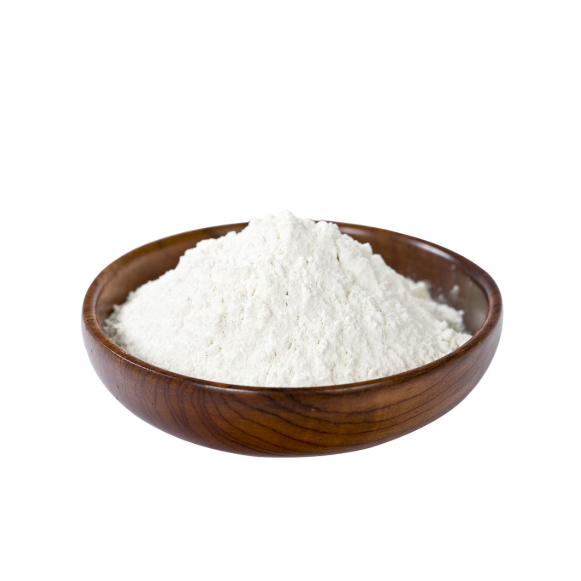
Triclosan is a highly effective, broad-spectrum antimicrobial and antifungal agent. It appears as a white crystalline powder with a faint aromatic odor. It is widely recognized for its stability and compatibility with various formulations. As a potent bacteriostat, it is active against Gram-positive and most Gram-negative bacteria, as well as fungi and yeasts.
Our Triclosan is manufactured using advanced purification technologies to ensure low impurity levels, high whiteness, and minimal skin irritation potential. It is extensively used in the daily chemical industry, particularly in personal care products, detergents, and medical disinfectants, providing long-lasting protection against germs.
Physicochemical Properties
The following specifications represent our high-purity export standard (USP/BP standards compliant):
| Test Item | Specification |
|---|---|
| Appearance | White crystalline powder |
| Assay (Purity by HPLC) | ≥ 99.0% – 99.5% |
| Melting Point | 56.0°C – 58.0°C |
| Loss on Drying | ≤ 0.1% |
| Residue on Ignition (Ash) | ≤ 0.1% |
| Heavy Metals (as Pb) | ≤ 10 ppm |
| 4-Chlorophenol | ≤ 10 ppm |
| 2,4-Dichlorophenol | ≤ 10 ppm |
| Solubility | Soluble in ethanol, propanol, and propylene glycol; Insoluble in water |
| pH Value | Neutral to slightly acidic |
Applications
Triclosan is a versatile ingredient used in a wide array of consumer and medical products due to its bacteria-fighting capabilities:
- Personal Care & Cosmetics:
- Oral Care: Active ingredient in toothpaste and mouthwash to reduce plaque and gingivitis.
- Skin Care: Used in antibacterial facial cleansers, acne treatment creams, and deodorants/antiperspirants to control odor-causing bacteria.
- Hand Hygiene: Key component in liquid hand soaps, bar soaps, and hand sanitizers (non-alcohol based).
- Household Daily Chemicals:
- Antibacterial dishwashing liquids.
- Laundry detergents and fabric softeners (for odor control).
- Surface disinfectants and cleaning wipes.
- Medical & Institutional:
- Surgical scrubs and preoperative skin preparations.
- Disinfectants for medical instruments.
- Functional Materials:
- Used as an antimicrobial additive in textiles, plastics, and polymers to prevent bacterial growth on surfaces.
Storage Conditions
- Environment: Store in a cool, dry, and well-ventilated warehouse.
- Container: Keep the container tightly sealed when not in use to prevent contamination and oxidation.
- Temperature: Store below 40°C. Avoid exposure to extreme heat.
- Light Protection: Protect from direct sunlight and strong UV sources.
Safety Precautions
- Personal Protection: Wear protective gloves, safety goggles, and a dust mask when handling the raw powder to prevent eye and skin contact.
- In Case of Contact:
- Skin: Wash thoroughly with soap and plenty of water.
- Eyes: Rinse cautiously with water for several minutes. Seek medical attention if irritation persists.
- Environmental Safety: Triclosan is toxic to aquatic life with long-lasting effects. Do not discharge into lakes, streams, or public sewers without proper treatment. Dispose of waste in accordance with local environmental regulations.
FAQ - Technical & Supply Chain
-
Q:
How is Triclosan CAS 3380-34-5 chemically characterized in terms of its antimicrobial mechanism?
A: Triclosan (CAS 3380-34-5) is chemically characterized as a polychloro phenoxy phenol, which functions by blocking the active site of the enoyl-acyl carrier protein reductase enzyme (FabI) in bacteria, effectively preventing membrane formation. -
Q:
Is this ingredient suitable for use in oral hygiene formulations?
A: Yes, this material is widely applied in toothpaste and mouthwash formulations where regulations permit, specifically valued for its proven ability to reduce plaque, gingivitis, and oral bacteria.
Documents and Product Support
For product review and sourcing evaluation, supporting documents can be coordinated according to the product type, inquiry stage, and order requirements.
- COA for batch-based quality reference
- TDS for key physical and chemical information
- SDS / MSDS for handling, storage, and safety reference
- Packing information for sample, trial, and bulk orders
- Technical communication based on application and specification requirements
Information to Confirm Before Quotation
Clear sourcing information helps reduce specification mismatch and allows a more accurate quotation before sample or bulk order discussion.
- Product name and CAS number
- Application or intended end use
- Required purity, grade, or specification
- Sample quantity, trial order, or bulk demand
- Preferred packing form or net weight
- Destination country or port
- Required documents or compliance expectations
Packaging, Storage, and Handling Notes
Packaging form, storage conditions, shelf life, and shipment arrangements should be confirmed according to the product characteristics, package size, and destination requirements.
Before order confirmation, buyers are advised to review the corresponding product documents and confirm whether any special storage, labeling, or handling requirements apply.
Sample, Bulk Order and Repeat Supply Support
Support can be arranged for sample discussion, bulk supply planning, packaging confirmation, and routine sourcing communication based on the actual product and order requirements.
For repeat-use formulations or long-term procurement plans, buyers may discuss specification consistency, packaging preferences, delivery expectations, and document coordination in advance.


