









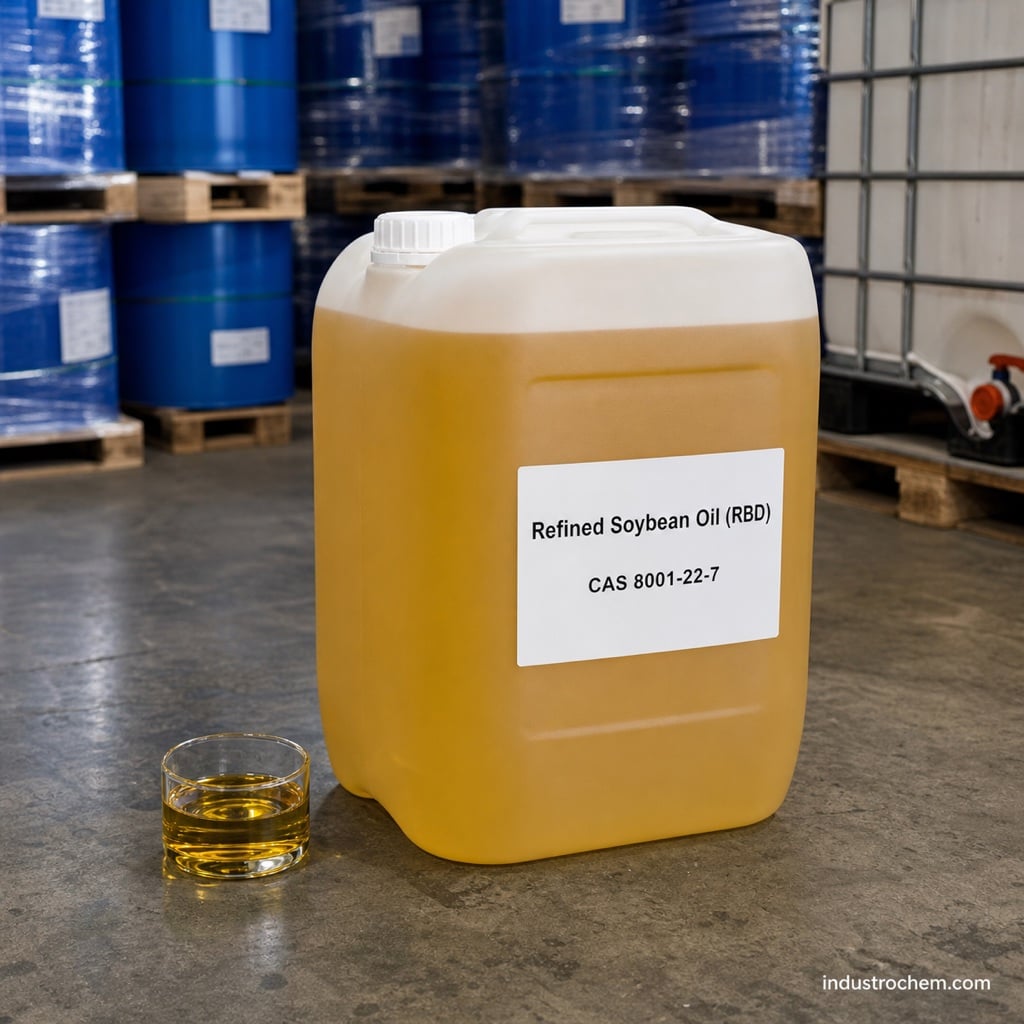
Refined Soybean Oil (RBD) is a plant‑derived triglyceride mixture used as an industrial ingredient, vegetable oil excipient, and lipid raw material in formulated systems. Identified by CAS 8001-22-7, it is produced through refining, bleaching, and deodorization processes to remove free fatty acids, pigments, and volatile components, resulting in a chemically stable oil suitable for controlled formulation use. In industrial manufacturing, it is commonly applied in pharmaceutical excipient formulation, where lipid carriers or dispersion media are required. The material is supplied with competitive factory pricing, supports customized specifications, and is provided with complete MSDS, TDS, COA documentation for bulk supply.
Refined Soybean Oil (RBD) CAS 8001-22-7
- CAS: 8001-22-7
- Synonyms: Soybean oil, Refined soybean oil, RBD soybean oil, Soya oil
- Einecs: 232-274-4
- Molecular Formula: C11H9N3O2Na
- Grade: Industrial grade 99%
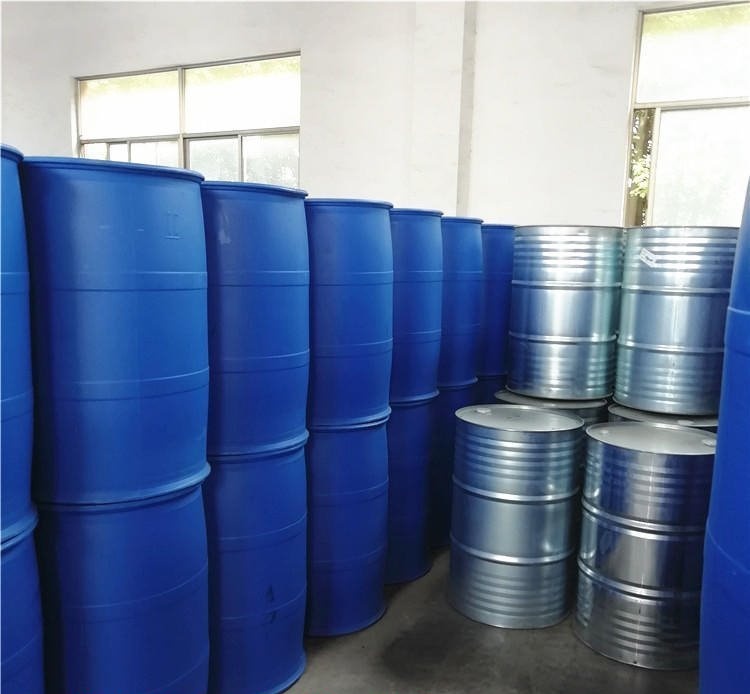
- Package: 200kg iron drum or 50kg plastic drum packaging
Product Description
Physicochemical properties
| Property | Description |
|---|---|
| Chemical Name | Soybean Oil |
| Synonyms | Soya Oil; Vegetable Oil; Bean Oil |
| Appearance | Light yellow to brownish-yellow liquid (crude oil may be darker) |
| Density | 0.916–0.922 g/cm³ (at 15/15 °C) |
| Refractive Index | 1.472–1.476 (at 25 °C) |
| Melting Point | -8 to -18 °C |
| Boiling Point | Not applicable (decomposes before boiling) |
| Iodine Value | 120–140 g I₂/100 g (indicates unsaturation level) |
| Saponification Value | 188–195 mg KOH/g (measures average molecular weight of triglycerides) |
| Acid Value | ≤ 0.2 mg KOH/g (for refined oil) |
| Peroxide Value | ≤ 10.0 meq O₂/kg (measures oxidation level) |
| Solubility | Insoluble in water; miscible with ether, chloroform, and slightly soluble in ethanol |
| Unsaponifiable Matter | ≤ 1.0% (by weight) |
Application Areas
Food industry: widely used in cooking, frying, baking, and food processing (such as margarine, salad dressing).
Industrial use: as a raw material for biodiesel, lubricant, or chemical intermediate.
Pharmaceuticals/Cosmetics: Basic oil components in some pharmaceutical preparations or skincare products
Storage conditions
Avoid light storage: Use dark containers or cover with black plastic bags to prevent UV accelerated oxidation.
Low temperature drying: It is recommended to store in a cool and shady place at ≤ 25 ℃, away from heat sources such as stoves; Long term storage can be refrigerated (avoid freezing).
Sealed and moisture-proof: Ensure that the container is completely sealed to reduce contact with air; Choose clean and dry utensils when packaging.
Container selection: ceramic jars or dark glass bottles should be preferred to avoid metal/plastic containers (which may catalyze spoilage).
Shelf life management: It is recommended to use up within 1 month after opening. Unopened products should be stored according to the label shelf life (usually 18 months), but it is actually recommended not to exceed 3 months
Safety precautions
Quality inspection: Regularly observe whether there is a halal taste, darkened color, or cloudy sediment, and stop eating if there are abnormalities.
Fire and explosion prevention: Keep away from open flames and high temperature environments, and the storage area should be well ventilated.
Personal protection: Avoid skin contact during operation to prevent oil oxidation products from irritating the skin.
Emergency response:
Skin contact: Rinse immediately with clean water.
Leakage treatment: Use sand to adsorb and clean properly to avoid flowing into the sewer
FAQ - Technical & Supply Chain
-
Q:
Do refined soybean oil and RBD soybean oil refer to the same substance under the same CAS number?
A: Yes. Refined soybean oil and RBD soybean oil describe the same material processed by refining, bleaching, and deodorization, and they correspond to the same CAS‑registered substance. -
Q:
Is refined soybean oil used as an industrial formulation ingredient rather than only as an edible oil?
A: Refined soybean oil is commonly used as an industrial ingredient in formulated systems, including excipient and carrier applications, where controlled composition and stability are required.
Documents and Product Support
For product review and sourcing evaluation, supporting documents can be coordinated according to the product type, inquiry stage, and order requirements.
- COA for batch-based quality reference
- TDS for key physical and chemical information
- SDS / MSDS for handling, storage, and safety reference
- Packing information for sample, trial, and bulk orders
- Technical communication based on application and specification requirements
Information to Confirm Before Quotation
Clear sourcing information helps reduce specification mismatch and allows a more accurate quotation before sample or bulk order discussion.
- Product name and CAS number
- Application or intended end use
- Required purity, grade, or specification
- Sample quantity, trial order, or bulk demand
- Preferred packing form or net weight
- Destination country or port
- Required documents or compliance expectations
Packaging, Storage, and Handling Notes
Packaging form, storage conditions, shelf life, and shipment arrangements should be confirmed according to the product characteristics, package size, and destination requirements.
Before order confirmation, buyers are advised to review the corresponding product documents and confirm whether any special storage, labeling, or handling requirements apply.
Sample, Bulk Order and Repeat Supply Support
Support can be arranged for sample discussion, bulk supply planning, packaging confirmation, and routine sourcing communication based on the actual product and order requirements.
For repeat-use formulations or long-term procurement plans, buyers may discuss specification consistency, packaging preferences, delivery expectations, and document coordination in advance.