• N‑Ethylbenzamide CAS 614-78-8

N‑Ethylbenzamide CAS 614-78-8

N‑Ethylbenzamide is an aromatic chemical compound, organic intermediate, and substituted amide used in controlled industrial synthesis processes. Identified by CAS 614-78-8, its amide functional group provides structural stability and predictable reactivity in condensation and substitution reactions within organic manufacturing systems. In industrial production environments, it is commonly applied in pharmaceutical intermediate synthesis, where defined molecular frameworks are required for downstream processing. The material is supplied with competitive factory pricing, supports customized specifications, and is provided with complete MSDS, TDS, COA documentation for bulk supply.

  • CAS: 614-78-8
  • Synonyms: N-Ethylbenzamide, Ethyl benzamide, N-Ethyl benzenecarboxamide, Benzamide N-ethyl
  • Einecs: 210-391-3
  • Molecular Formula: C9H11NO
  • Grade: Industrial grade 99%
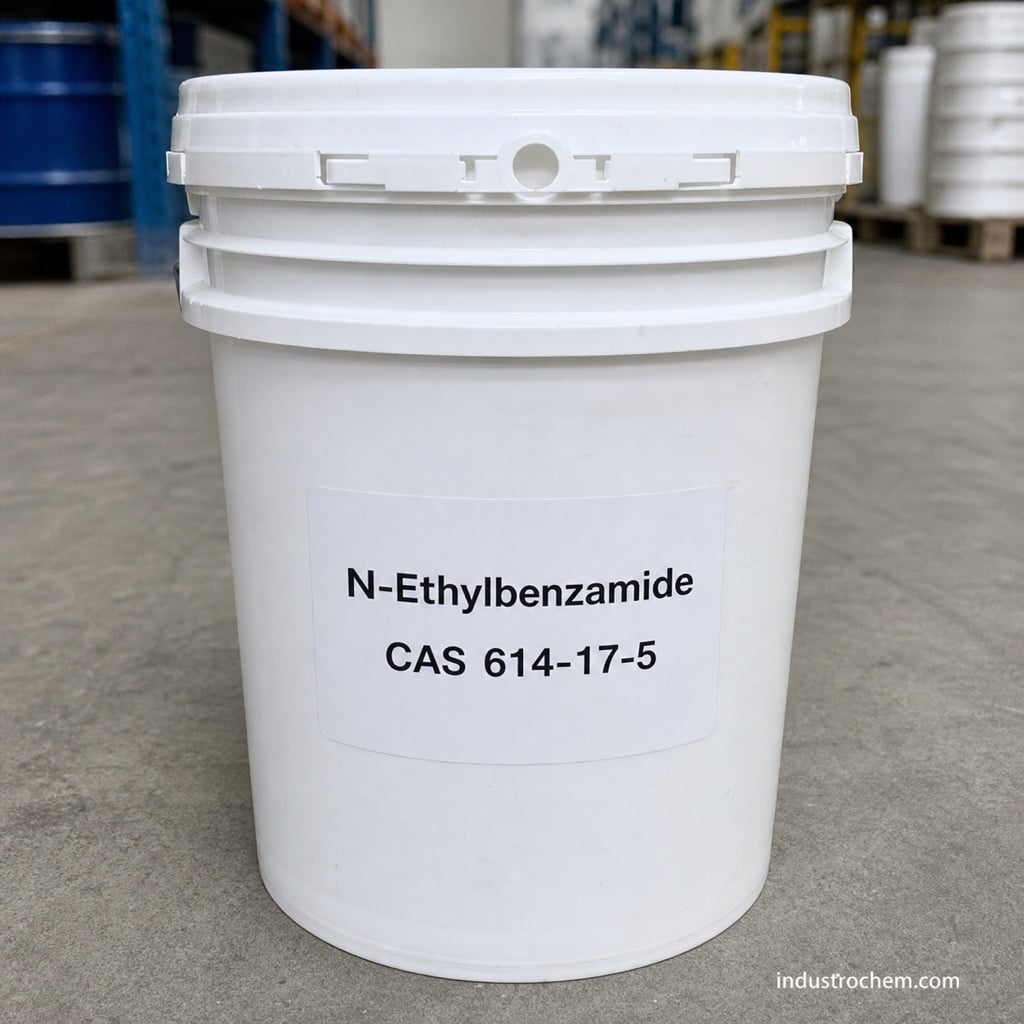
  • Package: 200kg iron drum or 50kg plastic drum packaging
Request a quote
Share:

Product Description

Physicochemical properties

PropertyDescription
Chemical NameN-Ethylbenzamide
SynonymsBenzamide, N-ethyl- (6CI,7CI,8CI,9CI); NSC 20558; N-ethyl-benzamid; LABOTEST-BB LT00790839
CAS Number614-78-8
Molecular FormulaC₉H₁₁NO
Molecular Weight149.19 g/mol
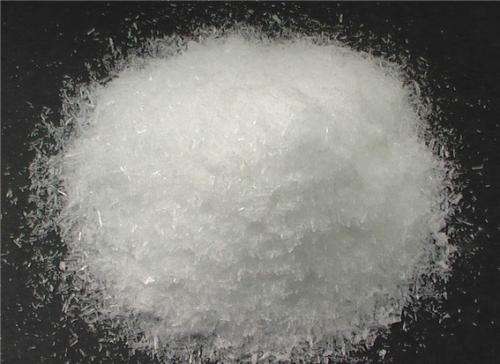
AppearanceColorless crystal or white crystalline powder
Density1.019 g/cm³ (or 1.0±0.1 g/cm³ in some sources)
Melting Point70.5 °C
Boiling Point317 °C (or 317.0±11.0 °C at 760 mmHg in some sources)
Refractive Index1.5279 (estimate)
Flash Point184 °C (or 183.7±4.2 °C in some sources)
Acidity Coefficient (pKa)15.01±0.46 (Predicted)
SolubilitySoluble in many organic solvents, such as ethanol and dichloromethane

Application Areas

Organic synthesis intermediates: used for synthesizing fine chemicals such as pharmaceuticals, pesticides, dyes, etc., as raw materials for amide bond construction (such as peptide compound modification)
Medical research: may serve as a component of drug precursors or bioactive molecules
Essence and fragrance industry: some derivatives may be used as essence fixatives (need further modification)

Storage conditions

  1. Environmental requirements: Store in a cool, ventilated warehouse, away from sources of fire and heat, and avoid direct sunlight.
  2. Packaging and isolation: Keep the container sealed, store separately from oxidants and edible chemicals, and avoid mixing storage.
  3. Facility requirements: Lightning protection equipment should be installed in the warehouse, and the exhaust system should be equipped with a grounding device to eliminate static electricity; Adopt explosion-proof lighting and ventilation settings, and prohibit the use of equipment and tools that are prone to sparking.
  4. Emergency preparedness: The storage area should be equipped with leak emergency response equipment and suitable containment materials (such as sand, activated carbon).

Safety precautions

  1. Health hazards
    Skin/eye irritation: May cause skin or eye irritation, protective gloves and goggles should be worn during operation.
    Respiratory effects: Inhalation may irritate the respiratory tract, and should be operated in a well ventilated environment.
  2. Emergency response
    Skin contact: Immediately rinse with clean water for at least 15 minutes.
    Eye contact: Rinse with plenty of water or saline solution and seek medical attention.
  3. Protective measures
    Personal protection: It is recommended to wear chemical protective clothing and gas masks (if exposed to steam).

FAQ - Technical & Supply Chain

  • Q:

    Do N‑ethylbenzamide and benzamide N‑ethyl refer to the same substance?

    A: Yes. These names describe the same substituted amide compound using different naming conventions and correspond to the same CAS‑registered substance.
  • Q:

    Is N‑ethylbenzamide used as an industrial intermediate rather than only for laboratory research?

    A: N‑Ethylbenzamide is typically intended for industrial chemical synthesis, where amide-containing intermediates are incorporated into defined production processes.
Documents

Documents and Product Support

For product review and sourcing evaluation, supporting documents can be coordinated according to the product type, inquiry stage, and order requirements.

  • COA for batch-based quality reference
  • TDS for key physical and chemical information
  • SDS / MSDS for handling, storage, and safety reference
  • Packing information for sample, trial, and bulk orders
  • Technical communication based on application and specification requirements
Quotation

Information to Confirm Before Quotation

Clear sourcing information helps reduce specification mismatch and allows a more accurate quotation before sample or bulk order discussion.

  • Product name and CAS number
  • Application or intended end use
  • Required purity, grade, or specification
  • Sample quantity, trial order, or bulk demand
  • Preferred packing form or net weight
  • Destination country or port
  • Required documents or compliance expectations
Storage & Handling

Packaging, Storage, and Handling Notes

Packaging form, storage conditions, shelf life, and shipment arrangements should be confirmed according to the product characteristics, package size, and destination requirements.

Before order confirmation, buyers are advised to review the corresponding product documents and confirm whether any special storage, labeling, or handling requirements apply.

Supply Support

Sample, Bulk Order and Repeat Supply Support

Support can be arranged for sample discussion, bulk supply planning, packaging confirmation, and routine sourcing communication based on the actual product and order requirements.

For repeat-use formulations or long-term procurement plans, buyers may discuss specification consistency, packaging preferences, delivery expectations, and document coordination in advance.

Contact Form

Use our contact form to send us your questions, suggestions or comments. We will respond as soon as possible.