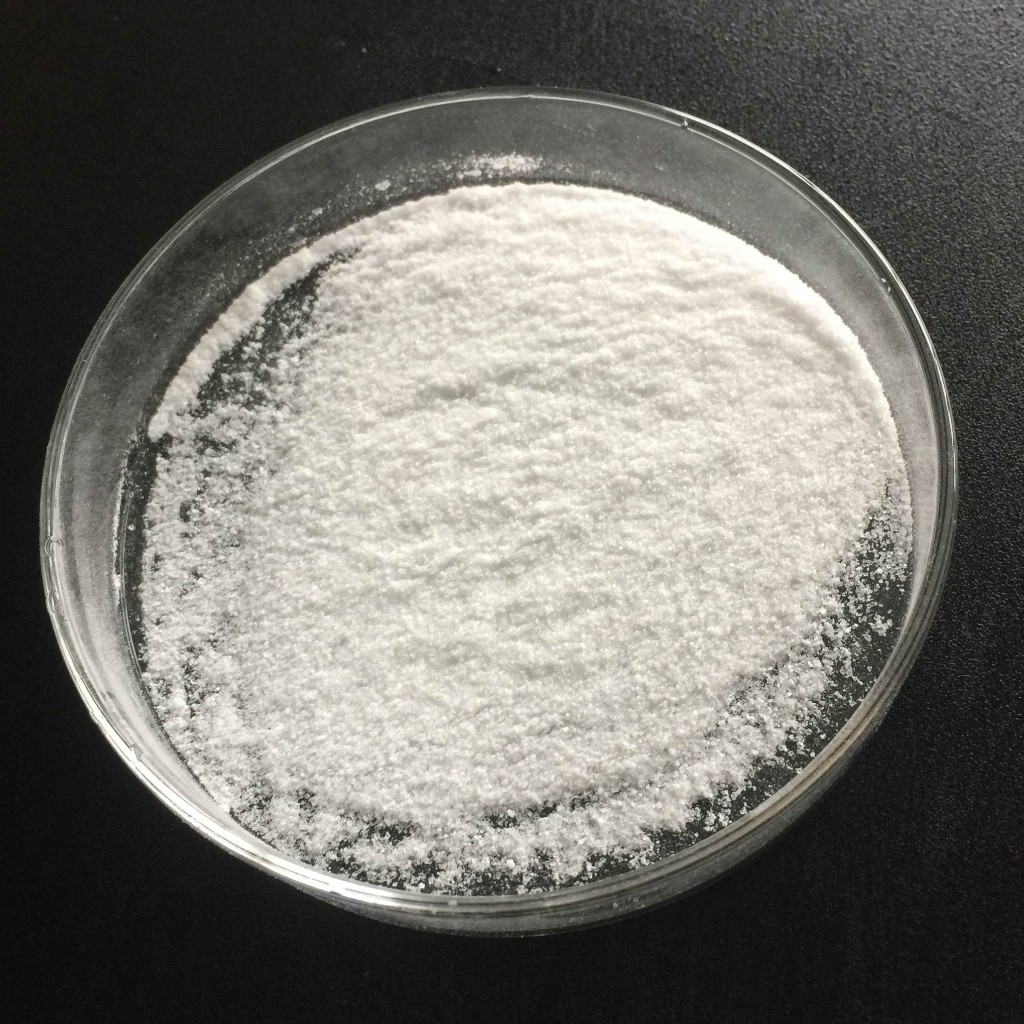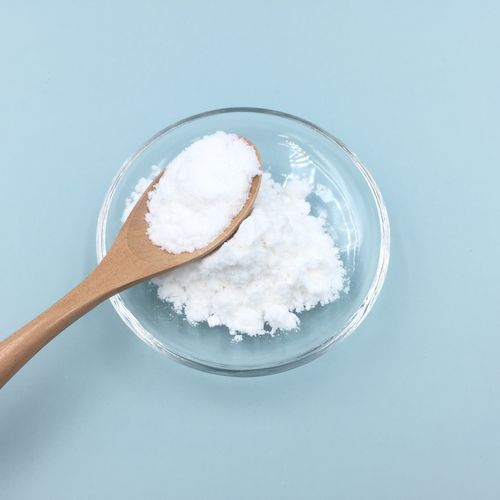
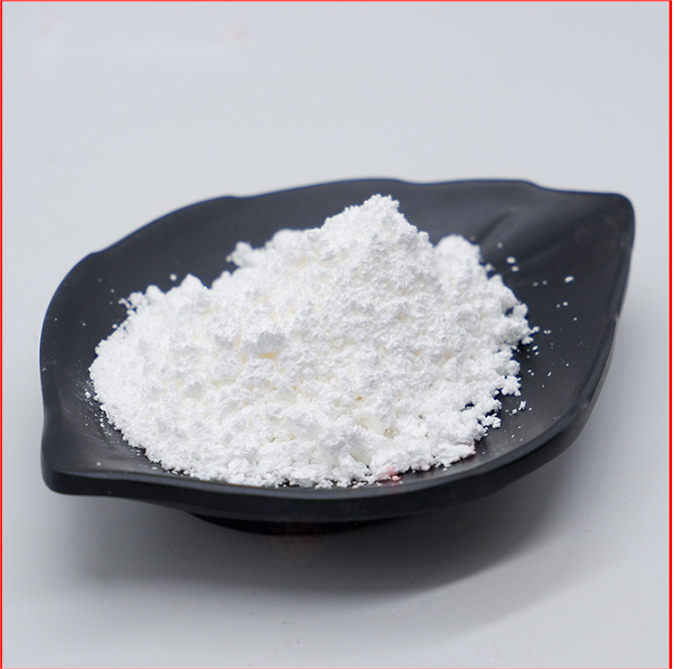
Phenylethyl Resorcinol, CAS 85-27-8, is a white to off-white powder offered as a ≥99.0% HPLC cosmetic raw-material grade for skin-brightening formulations. For bulk orders, we can provide a Certificate of Analysis (COA), Technical Data Sheet (TDS), Safety Data Sheet (SDS) and HPLC chromatographic data.
Phenylethyl Resorcinol CAS 85-27-8
- CAS: 85-27-8
- Synonyms: 4-(1-phenylethyl)resorcinol; 4-(1-phenylethyl)benzene-1,3-diol; 4-(alpha-methylbenzyl)resorcinol; 1,3-benzenediol, 4-(1-phenylethyl)-
- Molecular Formula: C₁₄H₁₄O₂
- Grade: Cosmetic raw-material grade; ≥99.0% by HPLC to the agreed specification
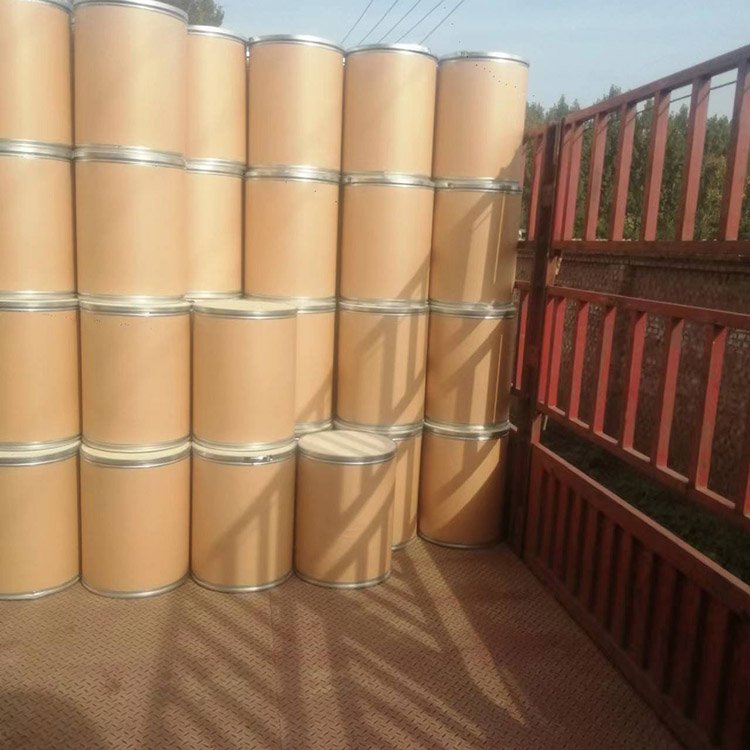
- Package: 1 kg aluminium foil bag; 25 kg drum; pack size and protection agreed for the order
- EC number: 480-070-0
- Molecular weight: 214.26 g/mol
Product Description
Phenylethyl resorcinol identity and cosmetic grade
Phenylethyl resorcinol is the INCI ingredient identified by CAS 85-27-8. Its chemical name is 4-(1-phenylethyl)resorcinol, with formula C₁₄H₁₄O₂, molecular weight 214.26 g/mol and EC number 480-070-0.
The offered cosmetic raw-material grade has a purity specification of ≥99.0% by HPLC and a melting range of 78–82 °C. The assay method, reporting basis and acceptance limits are stated in the specification agreed for the order.
The white to off-white powder is used as a skin-brightening ingredient in cosmetic serums, creams and lotions. Its ingredient-level tyrosinase-inhibitory activity is relevant to active selection; finished-product performance depends on the formulation.
Solubility, processing and related actives
Water solubility is limited, so incorporation usually involves a compatible cosmetic solvent or carrier, such as propylene glycol. Solvent, active concentration and processing conditions are selected together, with dissolution, recrystallisation and colour stability assessed in the finished formula.
For brightening-active selection, compare 4-butylresorcinol as a different resorcinol derivative and ethyl ascorbic acid as a vitamin C derivative. Their assays, carrier requirements and processing conditions differ.
Niacinamide is a vitamin B3 ingredient associated with melanosome-transfer pathways, while kojic acid dipalmitate is a distinct ester used in brightening formulations. Each active and any combination requires its own carrier and formulation evaluation.
Quality documents and bulk supply
We can provide COA, TDS, SDS and HPLC chromatograms for the quoted HPLC-tested grade.
Quality requirements can cover identity, HPLC purity, residual resorcinol and related substances, loss on drying or moisture, and individual elemental limits. The quoted specification identifies the applicable tests, methods and limits.
Supply options include 1 kg aluminium foil bags and 25 kg drums. Pack size and protection from light, air and moisture are stated in the quotation; the TDS gives the storage and transport conditions for the quoted grade.
For a bulk quotation, send the quantity, intended cosmetic application or grade, and destination. Preferred packaging and any additional analytical requirements help us prepare the offer. Supplied material meets the quality specification agreed for the order.
FAQ - Technical & Supply Chain
-
Q:
How do phenylethyl resorcinol and SymWhite® 377 relate?
A: Phenylethyl resorcinol is the INCI ingredient name for CAS 85-27-8; SymWhite® 377 is a Symrise trade name. Our quotations identify the supplied raw material by its chemical identity and the grade specification agreed for the order. -
Q:
What does the ≥99% HPLC grade specify?
A: The offered grade carries a purity requirement of ≥99.0% by the agreed HPLC method. The specification states the assay reporting basis and the relevant impurity limits; a chromatographic area percentage and a mass-fraction assay are different result bases. -
Q:
How is phenylethyl resorcinol incorporated into cosmetics?
A: Limited water solubility makes carrier selection important. A compatible cosmetic solvent such as propylene glycol can be used for pre-dissolving the powder. Dissolution, recrystallisation and colour stability are assessed at the intended concentration and processing conditions in the finished formulation. -
Q:
Which documents and analytical data are available?
A: We can provide COA, TDS, SDS and HPLC chromatograms for the quoted grade. The agreed quality specification defines the required purity, impurity tests and reporting methods. -
Q:
How is the powder packed and stored?
A: Options include 1 kg aluminium foil bags and 25 kg drums, with pack size and light, air and moisture protection agreed for the order. The TDS states storage and transport conditions for the selected grade. -
Q:
Can it directly replace 4-butylresorcinol or other brightening actives?
A: These are different ingredients with different quality specifications, carrier requirements and formulation behaviour. Select the active and use level through formulation assessment rather than a one-for-one raw-material substitution.
Ordering & Documentation
Key information for document requests, quotations, and supply planning.
Documents
Tell us which documents your procurement team needs. Before an order, we will check whether the quoted source can provide them for the offered lot.
Quotation
Send the CAS number, grade, quantity, packing preference and destination.
Sample & Supply
Ask whether samples, trial quantities or repeat orders are possible. We will check each request against the sourced product and current offer.
Storage & Shipping
Product-specific conditions are confirmed before order.