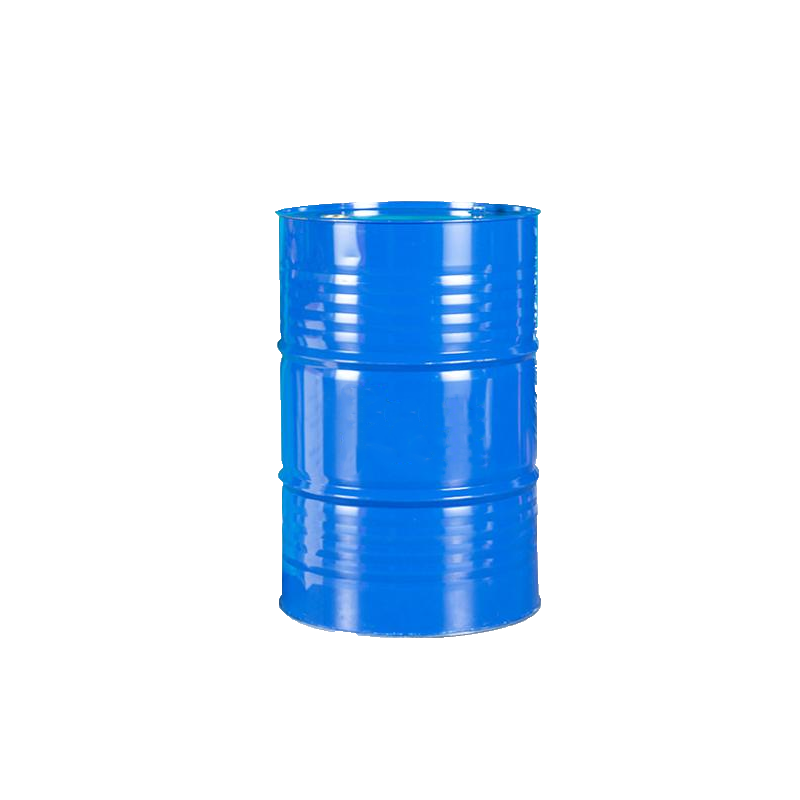










Butyl Glycol Acetate (BGA), CAS 112-07-2, is also known as 2-butoxyethyl acetate. It is a slow-evaporating ether ester solvent used in industrial coatings and printing inks. Send your required GC assay, water, acidity, colour and distillation limits, quantity and destination, and request COA/TDS/SDS for the offered grade.
Butyl Glycol Acetate CAS 112-07-2
- CAS: 112-07-2
- Synonyms: Butyl Glycol Acetate; 2-Butoxyethyl Acetate; BGA; Ethylene Glycol Monobutyl Ether Acetate
- Einecs: 203-933-3
- Molecular Formula: C₈H₁₆O₃
- Grade: Industrial solvent; assay and water limits agreed with the quotation.
- Package: Confirm packaging compatible with the offered form and destination requirements.
Product Description
Physicochemical Properties
| Parameter | Specification | Test Method |
|---|---|---|
| Appearance | Colorless Transparent Liquid | Visual |
| Purity (GC) | ≥ 99.0% | Gas Chromatography |
| Density (20°C) | 0.940 – 0.945 g/cm³ | ASTM D1298 |
| Water Content | ≤ 0.10% | Karl Fischer |
Applications
BGA is a slow-evaporating solvent for industrial coatings and printing inks. Its resin solvency and evaporation profile can help control application viscosity and film formation; performance depends on the resin system and solvent blend. Specify the intended application when requesting a quote.
Quality Assurance (QA/QC)
Request COA/TDS/SDS for the offered BGA grade. Agree the GC assay, water, acidity, colour and distillation limits, test methods and sampling requirements before ordering. Check the batch COA against the agreed specification before accepting delivery.
For related glycol-ether and acetate solvent raw materials, see 2-Butoxyethanol and Ethylene Glycol Diacetate.
Storage & Safety
Storage Conditions
- Store in a cool, dry, and well-ventilated area away from direct sunlight and heat sources.
- Ensure containers are tightly sealed when not in use to prevent moisture absorption and oxidation.
- The product should be stored separately from strong oxidizers and corrosive materials.
Safety Handling & PPE
- Hand Protection: Select chemical-resistant gloves using the SDS and the glove manufacturer’s permeation data for the expected contact time.
- Eye Protection: Safety goggles or a full-face shield are mandatory during handling.
- Body Protection: Wear anti-static protective clothing.
- Ventilation: Ensure adequate local exhaust ventilation to maintain vapor concentrations below workplace exposure limits.
FAQ - Technical & Supply Chain
-
Q:
Are Butyl Glycol Acetate, BGA and 2-Butoxyethyl Acetate the same solvent?
A: Butyl Glycol Acetate (BGA) and 2-butoxyethyl acetate refer to CAS 112-07-2. Butyl Glycol (2-butoxyethanol, CAS 111-76-2) and Butyl Diglycol Acetate (BDGA, CAS 124-17-4) are different solvents. State the CAS number in your inquiry to avoid ordering the wrong material. -
Q:
What is Butyl Glycol Acetate used for?
A: BGA is a slow-evaporating solvent for industrial coatings and printing inks. Its resin solvency and evaporation profile can help control application viscosity and film formation; performance depends on the resin system and solvent blend. Specify the intended application when requesting a quote. -
Q:
Which specifications should be agreed when purchasing industrial BGA?
A: Confirm GC assay, water by the stated method, acidity, colour, density and distillation range. Commercial limits vary by grade, so the quotation should use the same methods and acceptance limits required by the coating, ink or cleaning process. -
Q:
What should be confirmed before bulk Butyl Glycol Acetate delivery?
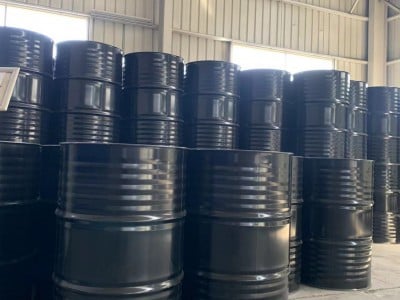
A: Confirm the offered drum or tank format, net weight, container compatibility, seals, previous cargo where applicable, sampling arrangement and unloading connection. The quoted grade should match the agreed specification before dispatch. -
Q:
What are the key physical properties of Butyl Glycol Acetate?
A: BGA (CAS 112-07-2) is a colourless liquid. Reference data include a boiling point around 192 °C, a melting point near -64 °C, a density around 0.94 g/cm³ and water solubility around 17 g/L at 20 °C. Reported flash points are around 71–76 °C depending on the source and test method. Review the offered grade’s TDS/SDS; reference properties do not replace the agreed batch specification.
Ordering & Documentation
Key information for document requests, quotations, and supply planning.
Documents
Tell us which documents your procurement team needs. Before an order, we will check whether the quoted source can provide them for the offered lot.
Quotation
Send the CAS number, grade, quantity, packing preference and destination.
Sample & Supply
Ask whether samples, trial quantities or repeat orders are possible. We will check each request against the sourced product and current offer.
Storage & Shipping
Product-specific conditions are confirmed before order.