









Ethylene Glycol Diacetate, commonly abbreviated EGDA, CAS 111-55-7, is a slow-evaporating diester solvent supplied for industrial coating, ink and resin systems. Confirm the required grade, then request a quotation with COA/TDS/SDS for bulk supply.
Ethylene Glycol Diacetate (EGDA) CAS 111-55-7
- CAS: 111-55-7
- Synonyms: Ethylene Glycol Diacetate, EGDA, Glycol diacetate, 1,2-Diacetoxyethane
- Einecs: 203-881-1
- Molecular Formula: C6H10O4
- Grade: Industrial Solvent Grade
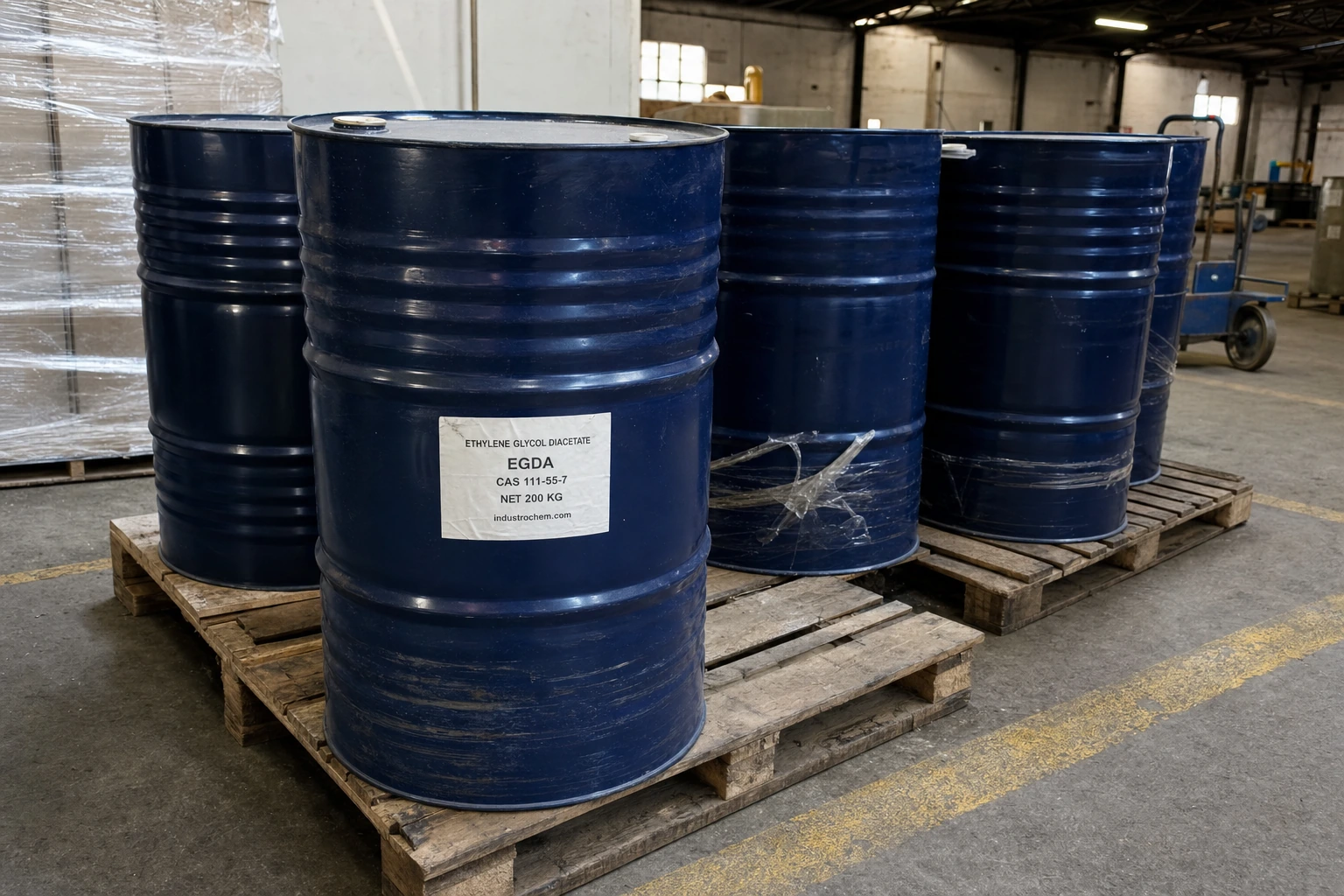
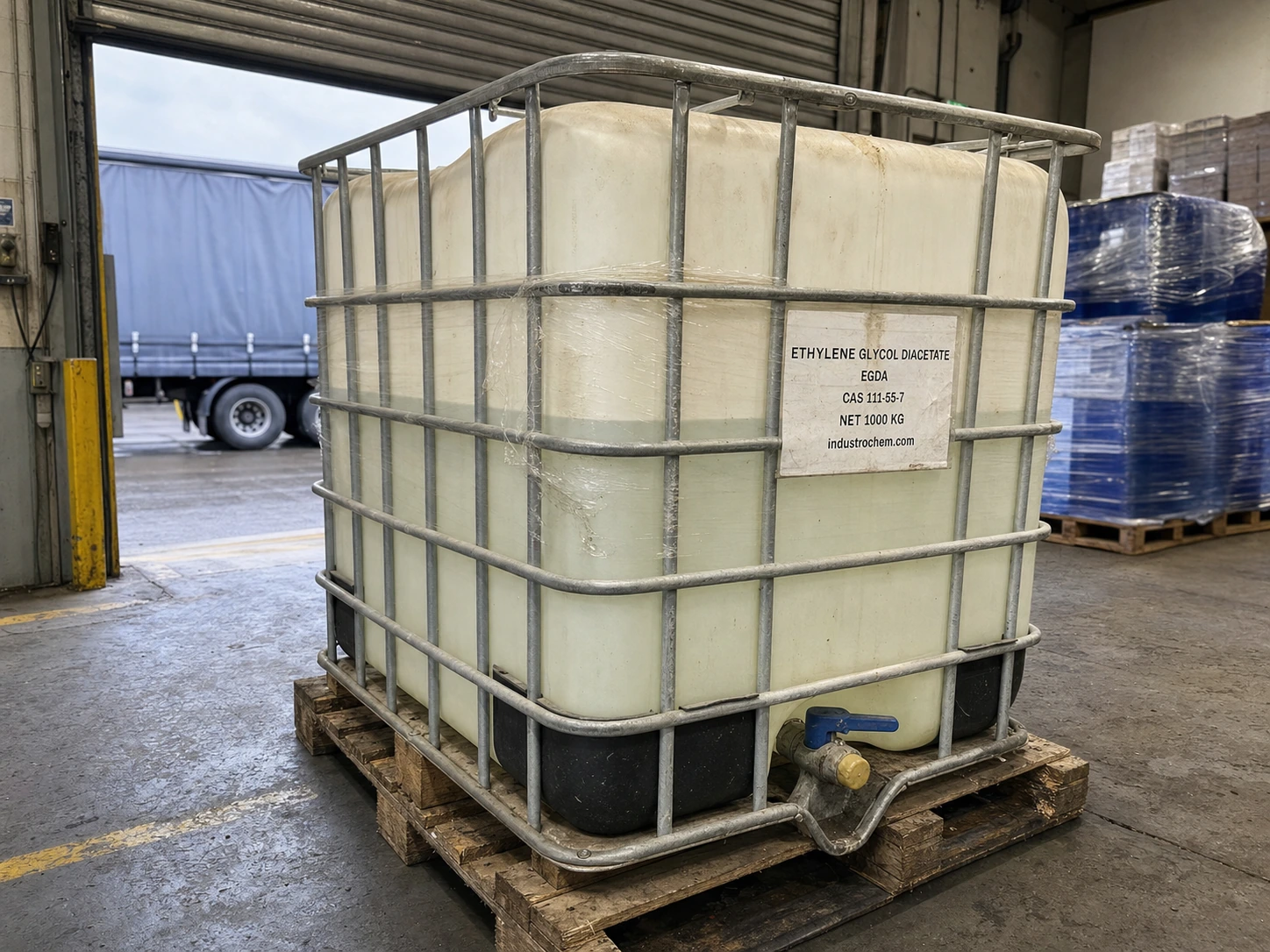
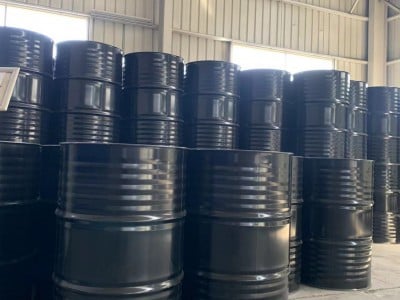
- Package: 200 kg steel drums; 1000 kg IBC totes; bulk supply by agreement
Product Description
Ethylene Glycol Diacetate (EGDA) CAS 111-55-7 is 1,2-diacetoxyethane, with EC 203-881-1 and molecular formula C6H10O4.
Synonyms: Ethylene Glycol Diacetate; EGDA; Glycol diacetate; 1,2-Diacetoxyethane.
CAS: 111-55-7.
Molecular formula: C6H10O4.
It is supplied as a clear, colourless, low-odour liquid.
It is positioned as a slow-evaporating diester solvent for industrial coating, ink and resin systems.
It provides a longer solvent window for controlled flow-out in the specified resin system.
It is used in baking lacquers and enamels requiring a slow solvent for film flow and appearance.
It is used in thermoplastic acrylic coatings as a reflow solvent.
It is used in graphic-arts and selected screen-ink systems specifying a slow-evaporating ester solvent.
It is used in foundry core-binding applications where ethylene glycol diacetate is part of the process.
It is a very slow-evaporating ester solvent that helps maintain a longer open window for flow-out and leveling.
It has a density around 1.11 g/cm3 and a boiling range near 187-193 C.
It is only partly soluble in water and can hydrolyse under acidic or alkaline conditions to ethylene glycol and acetic acid.
It evaporates faster than a typical mixed dibasic ester blend and is described as non-HAP and low-MIR.
Confirm assay, acidity, water, colour and test method against the stated formulation.
Store in tightly closed containers in a cool, dry, well-ventilated area, use suitable PPE when handling, and follow the current SDS.
The page is an RFQ entry point and does not state stock, price, MOQ, or fixed lead time.
For an RFQ, state the intended application, required grade, quantity, packaging, destination, and document needs.
FAQ - Technical & Supply Chain
-
Q:
What is Ethylene Glycol Diacetate EGDA CAS 111-55-7?
A: Ethylene Glycol Diacetate, commonly abbreviated EGDA, is the diester of ethylene glycol and acetic acid and is also called glycol diacetate or 1,2-diacetoxyethane. It is supplied as an industrial solvent for coatings, inks and resin systems. -
Q:
Is EGDA a fast-evaporating or slow-evaporating solvent?
A: EGDA is a very slow-evaporating ester solvent, which helps maintain a longer open window for film flow-out and leveling. Actual drying behaviour depends on the full solvent blend, resin, coating thickness and baking or curing conditions. -
Q:
What are the main applications of Ethylene Glycol Diacetate?
A: EGDA is used in baking lacquers and enamels, thermoplastic acrylic coatings, graphic-arts and screen inks, and selected foundry core-binding processes. It is also used where a slow, low-odour ester solvent improves flow and blush resistance. -
Q:
What physical form and typical properties should be expected?
A: EGDA is normally a clear, colourless, low-odour liquid with density around 1.11 g/cm3 and a boiling range near 187-193 C. It is only partly soluble in water and can hydrolyse under acidic or alkaline conditions to ethylene glycol and acetic acid. -
Q:
Why might EGDA be selected instead of DBE or another high-boiling ester?
A: EGDA has a faster evaporation rate than a typical mixed dibasic ester blend, so it can support improved drying or production throughput while still providing slow release and good flow. It is also described as non-HAP and low-MIR, which can simplify solvent selection in regulated coating and ink applications.
Ordering & Documentation
Key information for document requests, quotations, and supply planning.
Documents
COA, TDS, SDS/MSDS and packing details are available on request.
Quotation
Send the CAS number, grade, quantity, packing preference and destination.
Sample & Supply
Support is available for samples, trial orders, bulk and repeat supply.
Storage & Shipping
Product-specific conditions are confirmed before order.