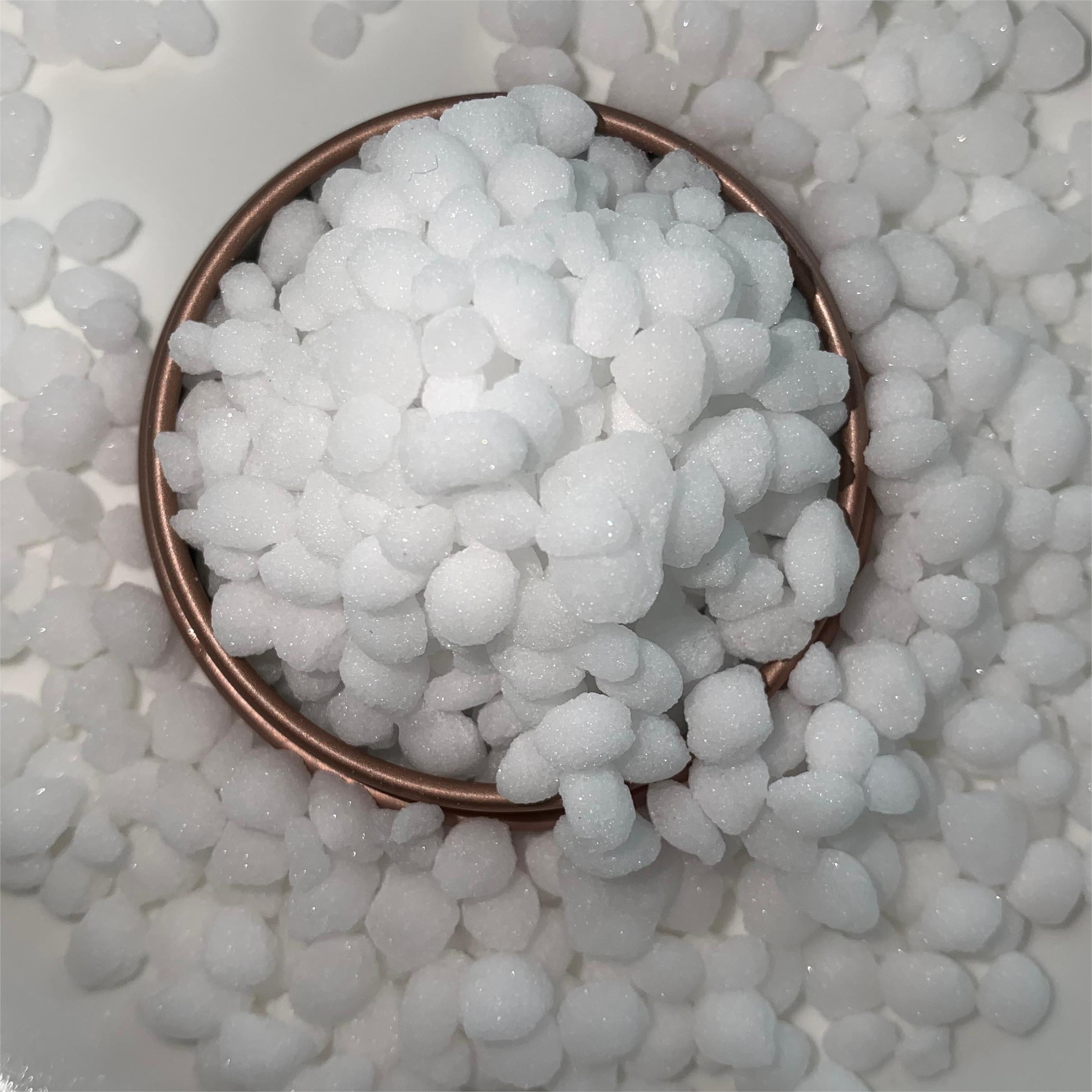

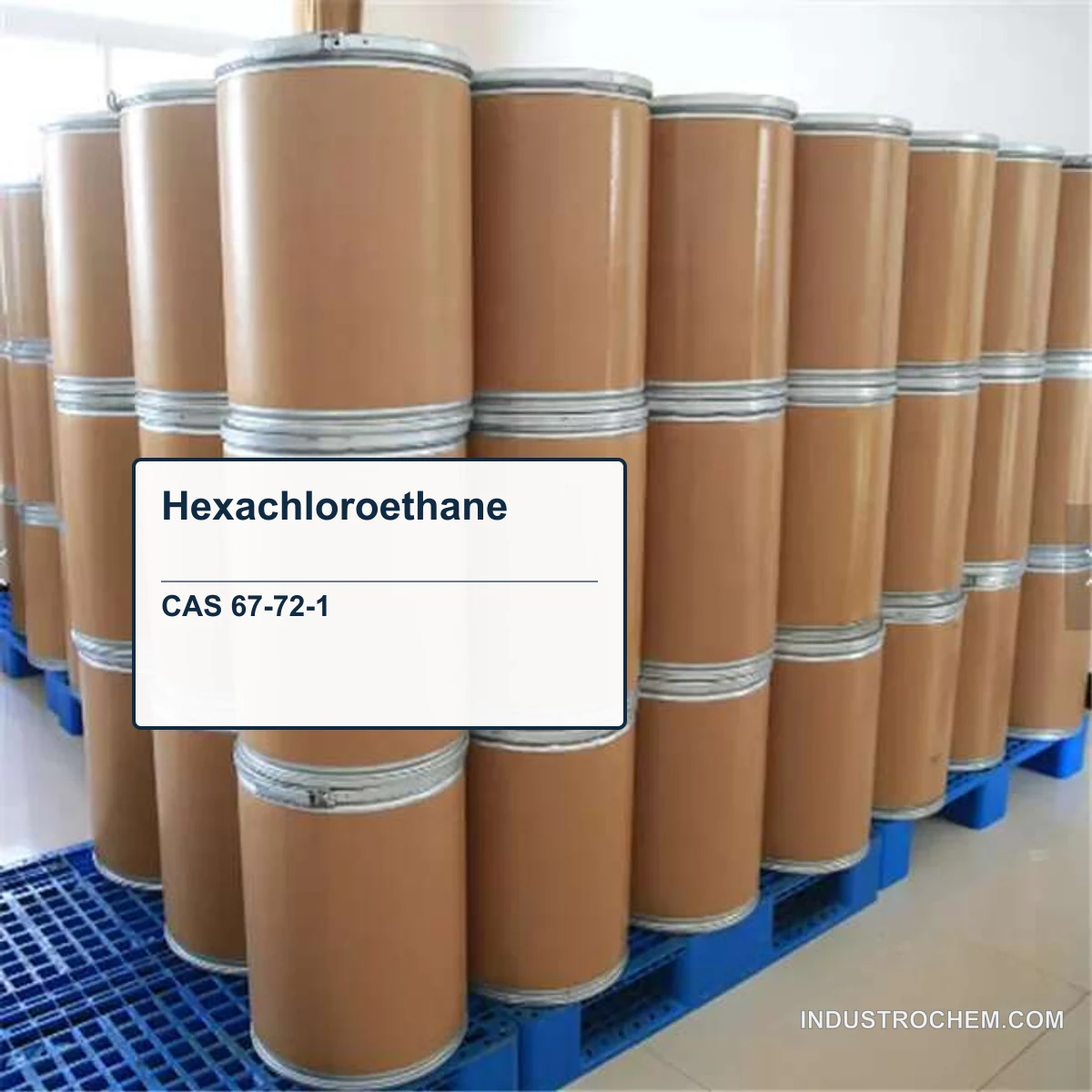
Hexachloroethane (HCE), CAS 67-72-1, is a white crystalline industrial chemical, also known as perchloroethane. Industrial grades with an assay of ≥99.0% can be supplied in lined bags or fibre drums to the agreed specification.
Hexachloroethane CAS 67-72-1
- CAS: 67-72-1
- Synonyms: Hexachloroethane; Perchloroethane; Carbon hexachloride; HCE; Dicarbon hexachloride
- Einecs: 200-666-4
- Molecular Formula: C₂Cl₆
- Grade: Industrial, assay ≥99.0%; analytical method, reporting basis and impurity limits agreed in the quotation.
- Package: 25 kg lined bags or lined fibre drums; net weight, liner and other pack sizes agreed in the quotation.
Product Description
Industrial grade and quality control
Hexachloroethane, also known as perchloroethane or carbon hexachloride, is a chlorinated solid with formula C₂Cl₆. Industrial grades with an assay of ≥99.0% can be supplied against an agreed order specification.
Assay, moisture, ash or nonvolatile residue, particle form and relevant impurities are selected for the intended process. The assay method and reporting basis are stated in the quotation. Gas chromatography (GC) can assess purity and related organic impurities; GC peak-area percentage is not automatically a mass fraction, and it does not replace separate water or residue measurements.
Applications and related process materials
Hexachloroethane is used as an industrial chemical intermediate and has been used for aluminium-melt degassing. In the EU, REACH Annex XVII, Entry 41 prohibits placing it on the market or using it, alone or in mixtures, for manufacturing or processing non-ferrous metals.
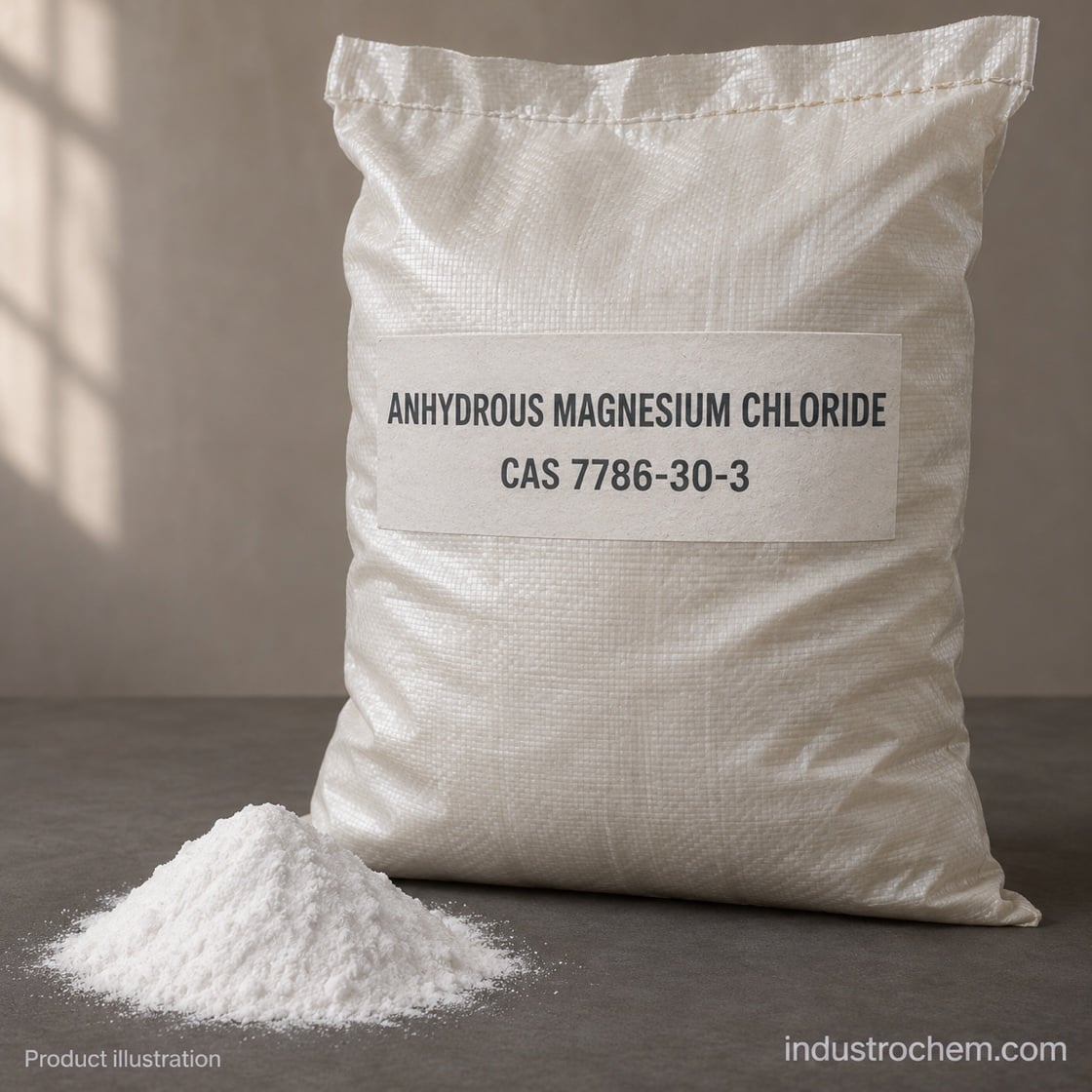
Covering fluxes and HCE-based degassing serve different purposes. Dry industrial sodium chloride is a base salt in some covering-flux formulations. Anhydrous magnesium chloride and sodium fluoride have different roles in selected refining-flux systems; their suitability depends on the alloy, moisture and impurity limits. These salts are not direct substitutes for HCE.
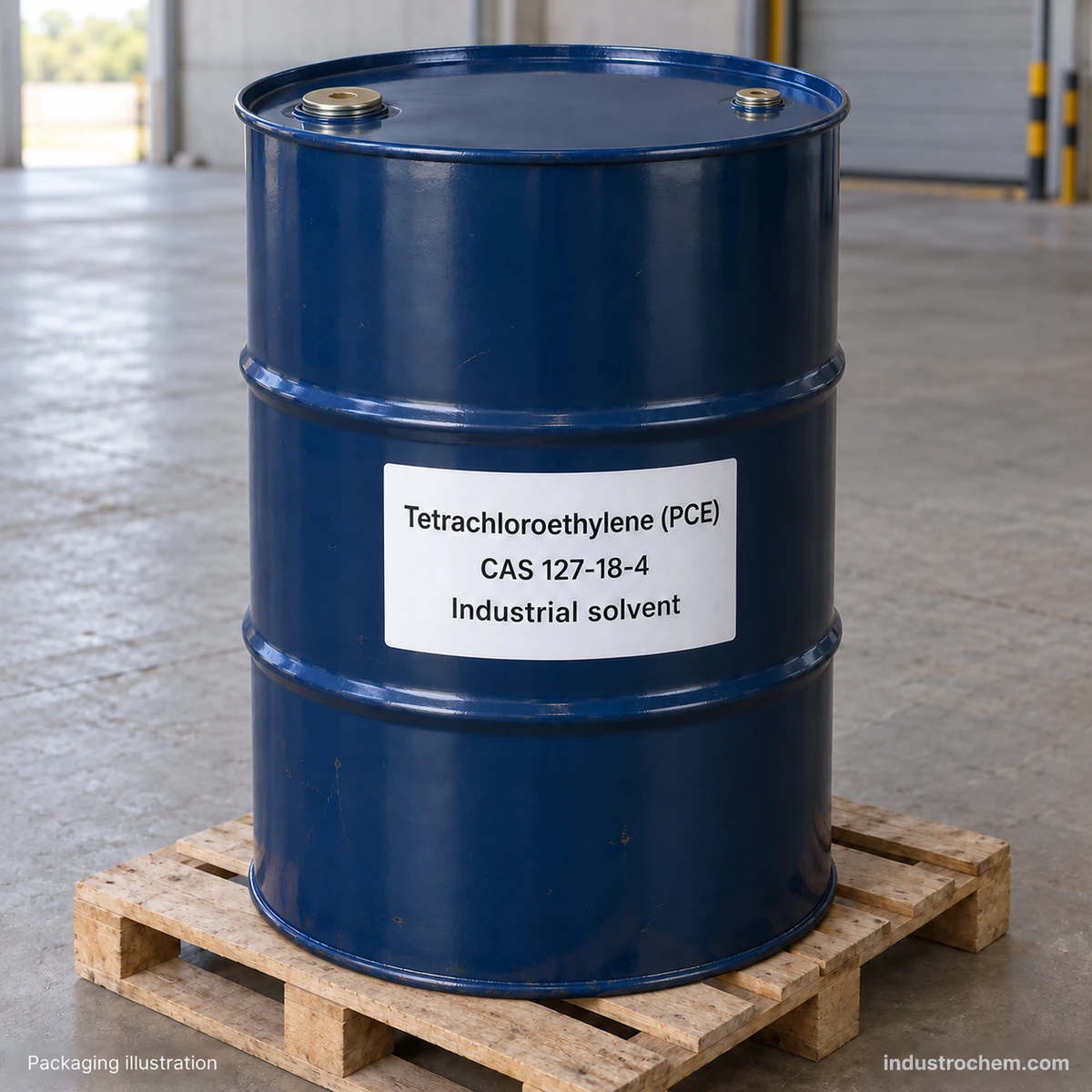
For chemical-production procurement, tetrachloroethylene (PCE) is a feedstock used in documented industrial HCE production routes. Perchloroethylene and perchloroethane are different products: PCE is a liquid with formula C₂Cl₄, whereas HCE is a solid with formula C₂Cl₆.
Industrial packing and storage
Packing is available in 25 kg lined bags or lined fibre drums. Net weight, liner and other pack sizes are agreed in the quotation. HCE can sublime, and melting-range results depend on the test conditions. Keep the material tightly sealed in a cool, dry, ventilated area and follow the product SDS for storage and handling.
Quality documents and bulk quotations
We can provide a Certificate of Analysis (COA), Technical Data Sheet (TDS), Safety Data Sheet (SDS), and applicable GC purity and related-impurity data for the quoted grade. The documents identify the grade and analytical basis; a typical specification is not a result for a particular batch.
For an initial quotation, send the quantity, intended industrial use and destination country or port. An existing specification helps us match the grade, but a complete impurity checklist is not needed to start an enquiry. Supplied material is guaranteed to meet the agreed order specification.
FAQ - Technical & Supply Chain
-
Q:
Are hexachloroethane, HCE and perchloroethane the same product?
A: These names refer to CAS 67-72-1, formula C₂Cl₆. Hexachloroethane is a crystalline solid; it is a different chemical from tetrachloroethylene (PCE) and carbon tetrachloride. Use the CAS number to avoid ordering the wrong chlorinated product. -
Q:
What industrial grade and quality data can be supplied?
A: Industrial grades with an assay of ≥99.0% can be supplied to the agreed specification. The quotation identifies the assay method and reporting basis, with moisture, residue and impurity limits selected for the application. Applicable GC purity and related organic-impurity data can be provided. -
Q:
Can hexachloroethane be used for aluminium degassing in the EU?
A: No. EU REACH Annex XVII, Entry 41 prohibits placing hexachloroethane on the market or using it, alone or in mixtures, for manufacturing or processing non-ferrous metals. Historical aluminium-degassing use is not permission for that use in the EU. -
Q:
What is needed for a bulk quotation?
A: Send the quantity, intended industrial use and destination country or port. If you have a specification, include it with the enquiry. The offer will state the grade, analytical basis and packing; a detailed impurity list is not required to start an enquiry.
Ordering & Documentation
Key information for document requests, quotations, and supply planning.
Documents
Tell us which documents your procurement team needs. Before an order, we will check whether the quoted source can provide them for the offered lot.
Quotation
Send the CAS number, grade, quantity, packing preference and destination.
Sample & Supply
Ask whether samples, trial quantities or repeat orders are possible. We will check each request against the sourced product and current offer.
Storage & Shipping
Product-specific conditions are confirmed before order.