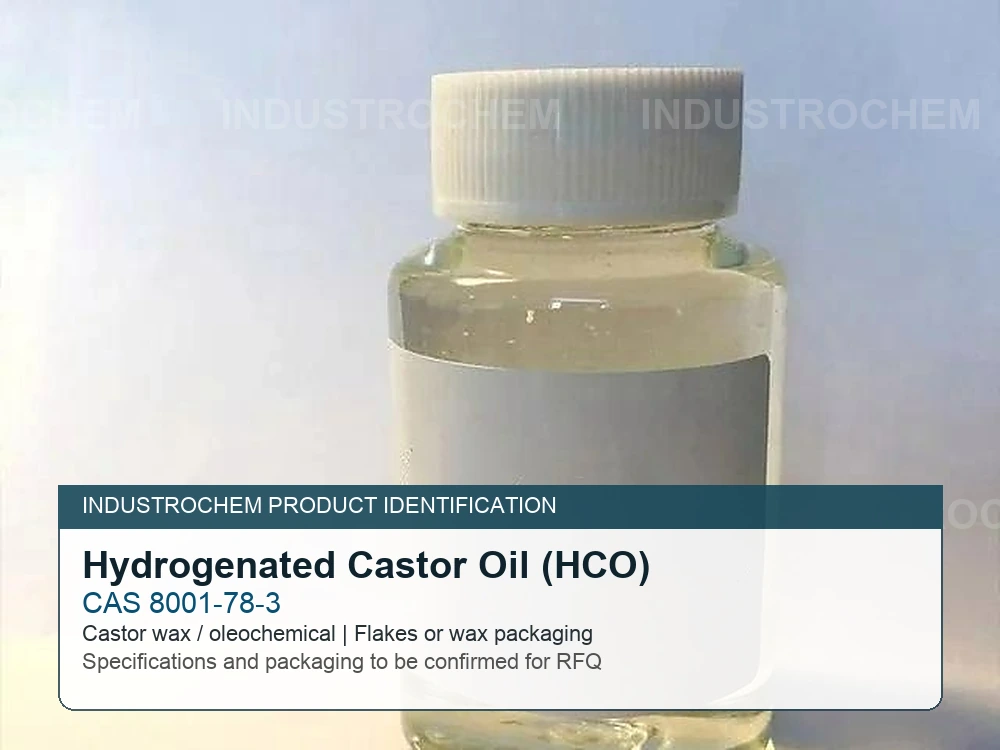










Castor Oil Ethoxylate, commonly referred to as BY‑160 or PEG‑60 Castor Oil, is a nonionic surfactant produced by ethoxylation of natural castor oil. Identified by CAS No. 61791‑12‑6, it provides excellent solubilizing and emulsifying performance in aqueous systems. This product is widely used as an emulsifier and solubilizer in industrial and technical formulations where good stability and compatibility are required. The product is supplied with standard documentation including MSDS, TDS, and COA.
Castor Oil Ethoxylate (BY-160 / PEG-60 Castor Oil) – CAS No. 61791-12-6
- CAS: 61791-12-6
- Synonyms: Castor Oil Ethoxylate, PEG-60 Castor Oil, BY-160, Nonionic Emulsifier
- Einecs: 500-015-7
- Molecular Formula: castor oil–(C₂H₄O)ₙ (average)
- Grade: 99%
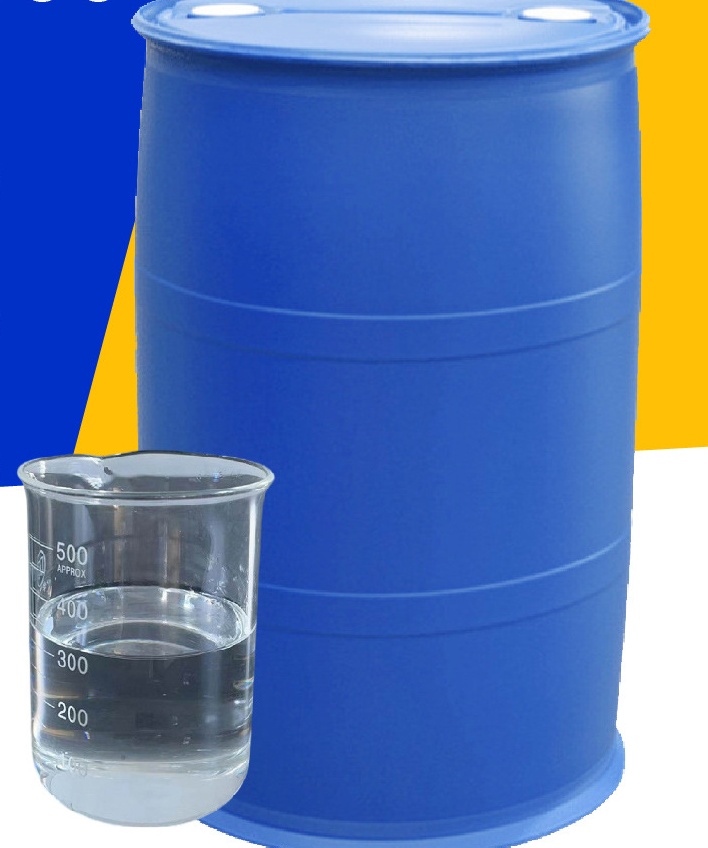
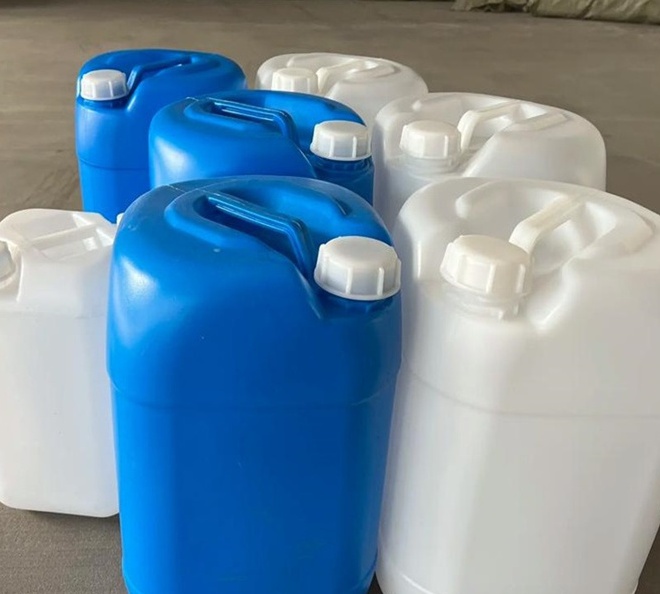
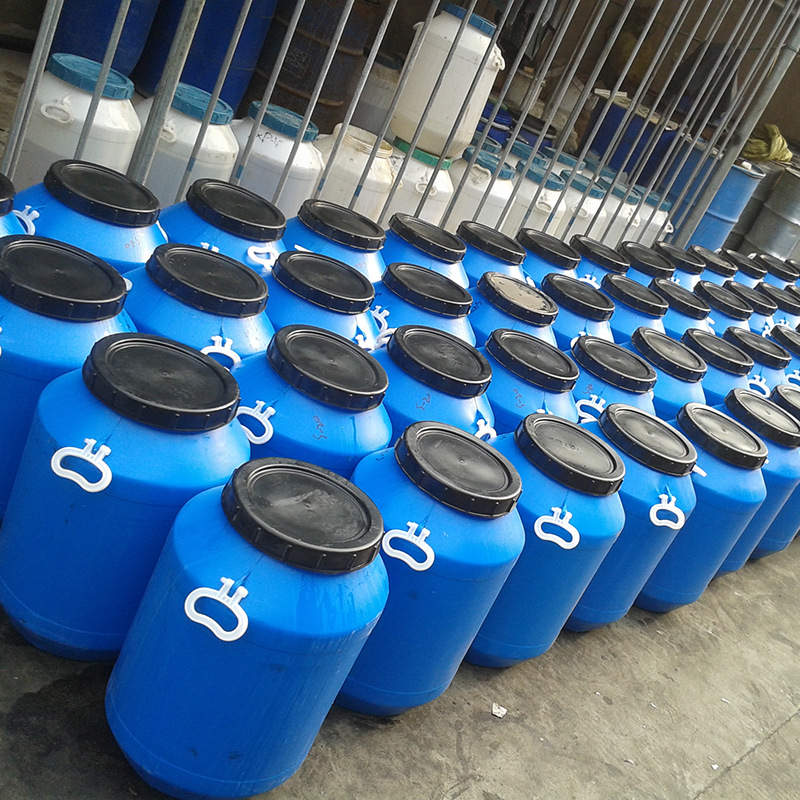
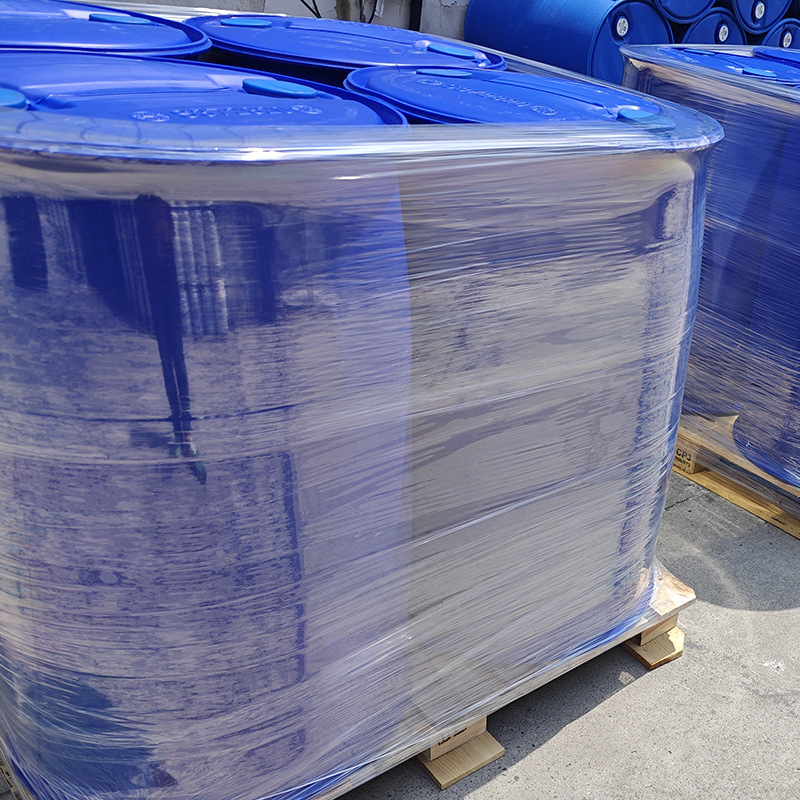
- Package: 200kg iron drum or 50kg plastic drum packaging
Product Description
Physicochemical properties
| Property | Description |
|---|---|
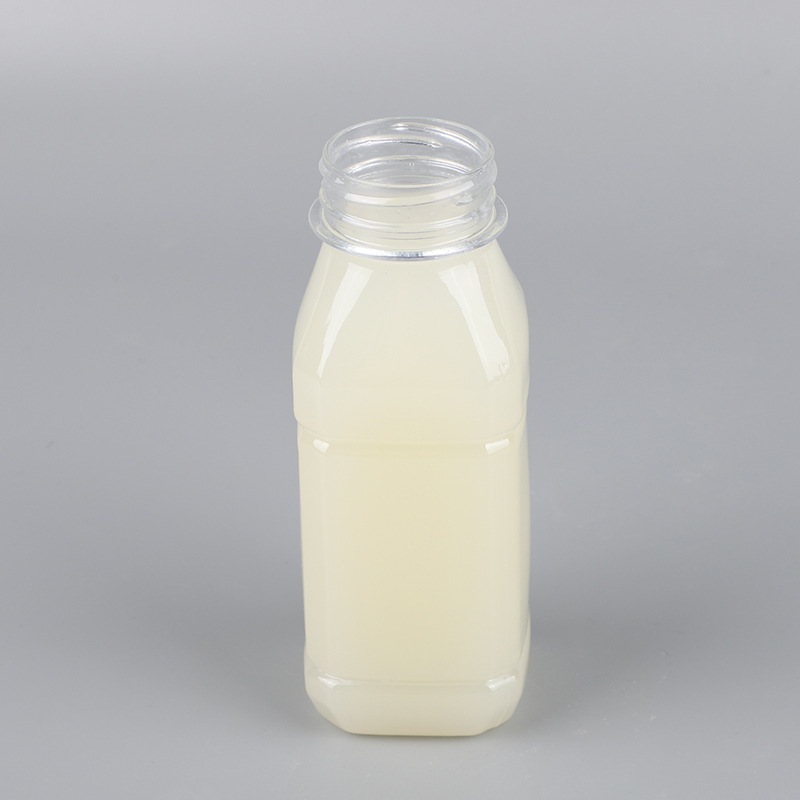
| Appearance | Light yellow to brownish viscous liquid or semi-solid (may appear waxy at low temperatures) |
| Density | ~1.05 g/mL (at 20 °C) |
| Boiling Point | ~232.6 °C (at 101,325 Pa) |
| Flash Point | ~257 °C |
| Vapor Pressure | Extremely low (0 Pa at 25 °C) |
| Refractive Index | 1.4890–1.4900 or 1.4823–1.4825 (varies by grade) |
| HLB Value | 12–16 (high hydrophilicity, suitable for oil-in-water emulsions) |
| pH (1% aqueous solution) | 5.0–7.0 |
| Cloud Point | ≥72 °C (1% aqueous solution; some grades up to 85 °C+, increases with EO number) |
| Chemical Stability | – Resistant to acids, hard water, and inorganic salts – Tolerant to alkalis at low temperatures but may hydrolyze under strong alkaline conditions (e.g., high-temperature strong alkali) – Incompatible with strong oxidizing agents |
Application Areas
In the field of pesticides, as an emulsifier monomer, it is used for compounding mixed pesticide emulsions (EC), water emulsions (EW), etc., to stabilize the oil-water interface and prevent delamination.
In the field of medicine: solubilization of poorly soluble drugs (such as paclitaxel and isapilone) to improve bioavailability.
In the industrial field, it is used in coatings, inks, and textile additives to improve dispersibility and wettability.
Environmentally friendly alternative: It replaces alkylphenol polyoxyethylene ether (APEO) and complies with the EU REACH regulation and domestic environmental requirements.
Storage conditions
Temperature: It should be stored in a cool and shady place. The temperature inside the warehouse should be controlled below 25 ℃, with a maximum not exceeding 30 ℃, to avoid high temperatures causing product decomposition or performance degradation.
Humidity: The relative humidity should be maintained between 70-75% to prevent the product from absorbing moisture, clumping, or deteriorating.
Light exposure: Avoid direct sunlight. You can paint the windows with white paint or white powder, or use shading devices to prevent the product from deteriorating due to light exposure.
Ventilation: The storage area should be well ventilated and maintain air circulation to reduce humidity and prevent the accumulation of odors.
Safety precautions
Respiratory protection: In areas with high oil mist concentration (such as emulsifier compounding workshops), wear N95 masks or half face respirators to prevent inhalation of volatile organic compounds.
Skin and eye protection: If skin comes into contact, immediately rinse with plenty of water and seek medical attention if necessary; If eye contact occurs, rinse with running water for at least 15 minutes and seek medical assistance.
Waste management: Collect waste emulsifiers, emulsifier containing wastewater, or waste liquids separately to avoid mixing with other waste materials.
FAQ - Technical & Supply Chain
-
Q:
Why do different PEG castor oil grades share the same CAS number?
A: CAS 61791‑12‑6 represents a UVCB category for castor oil ethoxylates with varying EO chain lengths. -
Q:
Is PEG‑60 Castor Oil water soluble?
A: Yes. PEG‑60 Castor Oil is readily dispersible and soluble in water, depending on formulation conditions.
Documents and Product Support
For product review and sourcing evaluation, supporting documents can be coordinated according to the product type, inquiry stage, and order requirements.
- COA for batch-based quality reference
- TDS for key physical and chemical information
- SDS / MSDS for handling, storage, and safety reference
- Packing information for sample, trial, and bulk orders
- Technical communication based on application and specification requirements
Information to Confirm Before Quotation
Clear sourcing information helps reduce specification mismatch and allows a more accurate quotation before sample or bulk order discussion.
- Product name and CAS number
- Application or intended end use
- Required purity, grade, or specification
- Sample quantity, trial order, or bulk demand
- Preferred packing form or net weight
- Destination country or port
- Required documents or compliance expectations
Packaging, Storage, and Handling Notes
Packaging form, storage conditions, shelf life, and shipment arrangements should be confirmed according to the product characteristics, package size, and destination requirements.
Before order confirmation, buyers are advised to review the corresponding product documents and confirm whether any special storage, labeling, or handling requirements apply.
Sample, Bulk Order and Repeat Supply Support
Support can be arranged for sample discussion, bulk supply planning, packaging confirmation, and routine sourcing communication based on the actual product and order requirements.
For repeat-use formulations or long-term procurement plans, buyers may discuss specification consistency, packaging preferences, delivery expectations, and document coordination in advance.
Contact Form
Use our contact form to send us your questions, suggestions or comments. We will respond as soon as possible.
Product Categories
Related Products
-
LABSA 96% CAS 27176-87-0 -
C12-14 Alkyl Dimethyl Amine Oxide | CAS 84649-84-3 | Industrial Grade -
Behentrimonium Chloride CAS 17301-53-0 -
Triton X-114 CAS 9036-19-5 -
Sorbitan Monooleate CAS 1338-43-8 -
Pentaerythritol Stearate (PETS) CAS 115-83-3 -
Emulsifier TX-10 CAS 9016-45-9 -
Tween-80 Emulsifier T-80 CAS 9005-65-6