









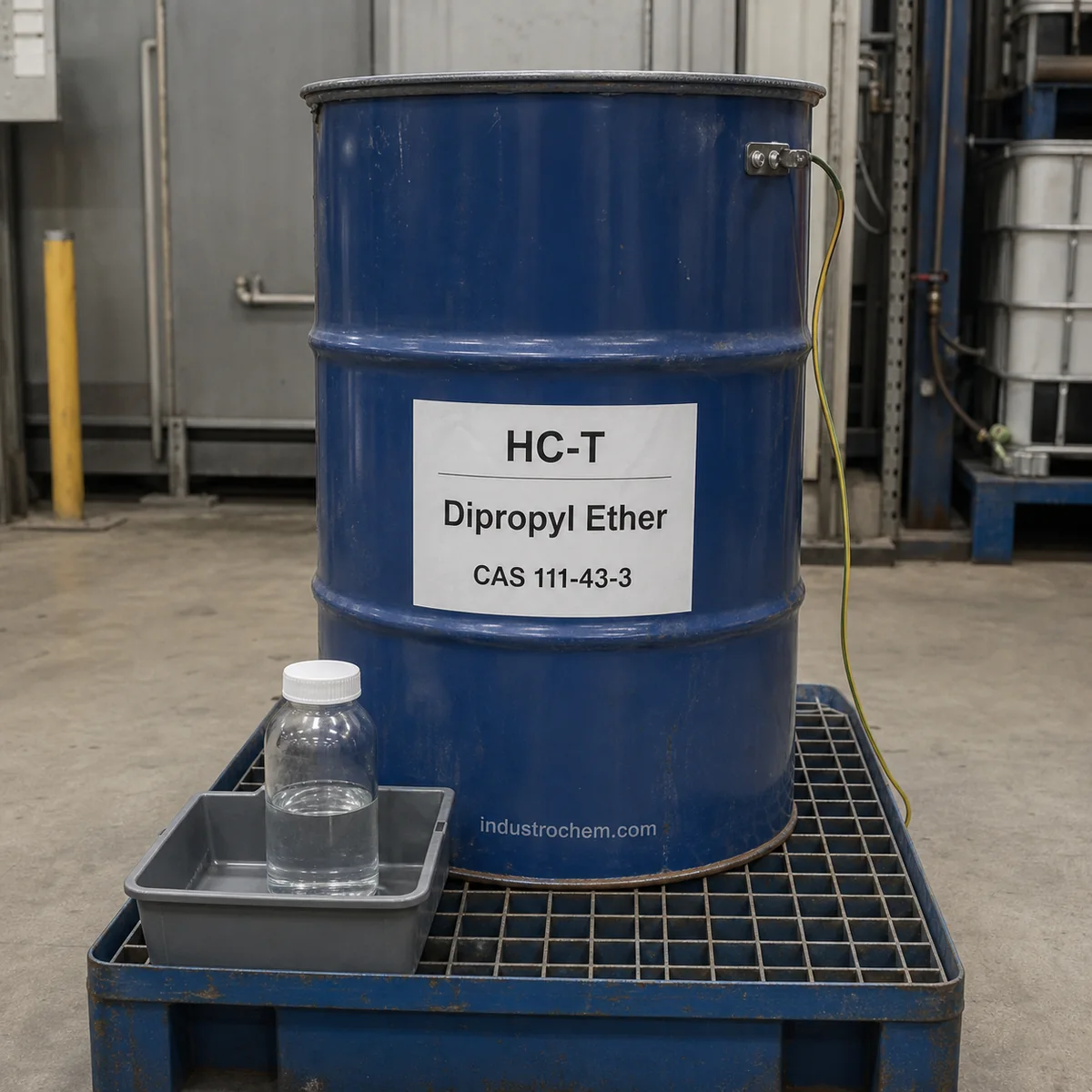
Dipropyl ether is a symmetrical aliphatic ether composed of two n‑propyl groups linked by an oxygen atom. This defined molecular structure places it within the class of low‑molecular‑weight aliphatic ethers supplied through professional chemical supply chains. Dipropyl Ether (CAS 111-43-3) is handled as a discrete chemical substance in regulated industrial and research environments, where accurate material identification, documentation, and compliance are essential.
The material is supplied with standardized specifications and complete technical documentation, including MSDS, TDS, and COA, supporting traceability and regulatory conformity.
Dipropyl Ether CAS 111-43-3
- CAS: 111-43-3
- Synonyms: Dipropyl ether, Di-n-propyl ether, n-Propyl ether
- Einecs: 203-869-6
- Molecular Formula: C₆H₁₄O
- Grade: Industrial grade 99%
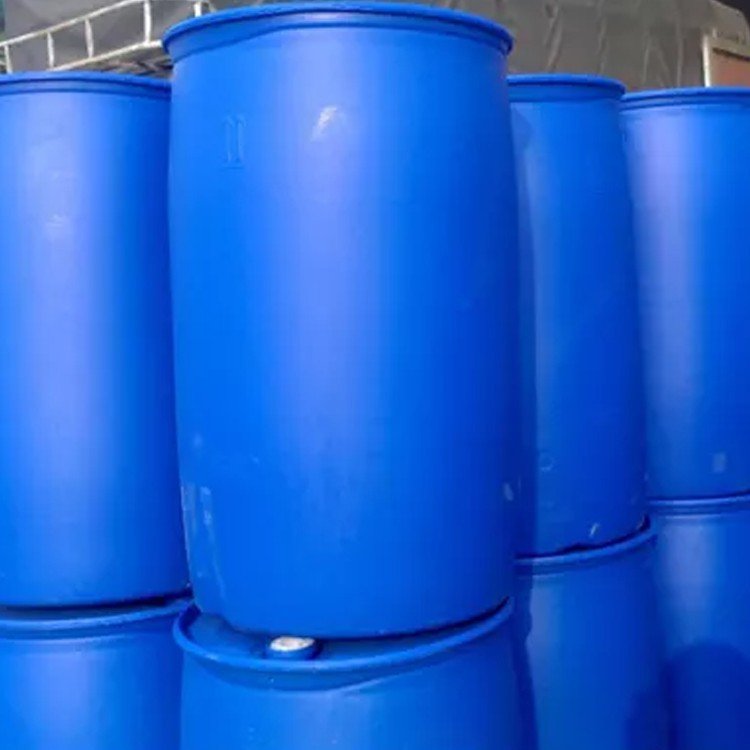
- Package: 200kg iron drum or 50kg plastic drum packaging
Product Description
Physicochemical properties
| Property | Description |
|---|---|
| Chemical Formula | C₆H₁₄O |
| Molecular Weight | 102.17 g/mol |
| Appearance | Colorless liquid |
| Odor | Ether-like smell |
| Boiling Point | 89-91 °C (192-196 °F) |
| Melting Point | -122 °C (-188 °F) |
| Density | 0.74 g/cm³ at 20 °C (68 °F) |
| Vapor Pressure | 8.33 kPa at 25 °C (77 °F) |
| Flash Point | 21 °C (70 °F) (closed cup) |
| Solubility | Slightly soluble in water; soluble in ethanol, ether, and most organic solvents |
| Refractive Index | 1.3780 at 25 °C (77 °F) |
| Viscosity | Low (data not precisely quantified in sources) |
| Stability | Stable under normal conditions, but tends to form explosive peroxides upon exposure to air and light |
| Hazardous Characteristics | Highly flammable; can form explosive peroxides; irritant to eyes, skin, and respiratory system |
Application Areas
Organic synthetic solvents: Due to their good solubility (soluble in most organic solvents such as ethanol and ether), they are commonly used in laboratory and industrial chemical reactions.
Extraction agent: used as a non-polar solvent in the separation and purification process.
Storage conditions
Environmental requirements: Store in a cool, well ventilated warehouse, away from sources of fire and heat, and avoid direct sunlight.
Container selection: Use stainless steel or glass containers with good sealing to avoid contact with oxidants.
Temperature control: It is recommended to store at a temperature below 25 ℃ to prevent container rupture caused by increased vapor pressure
Safety precautions
Fire and explosion prevention: Low flash point (21 ℃), explosion-proof electrical equipment and ventilation system are required. Avoid contact with open flames, sparks, or high-temperature surfaces.
Personal protection: Wear chemical goggles, gas masks, and solvent resistant gloves during operation. The workplace should be equipped with eye wash stations and emergency shower equipment.
Leakage treatment: Use adsorbent materials (such as sand) to collect the leaked material, and it is strictly prohibited to rinse with water
FAQ - Technical & Supply Chain
-
Q:
Does CAS 111-43-3 specifically correspond to dipropyl ether?
A: Yes. CAS 111-43-3 is assigned specifically to dipropyl ether, also known as di‑n‑propyl ether -
Q:
Is dipropyl ether under this CAS number a mixture or a single defined compound?
A: It is a single, well‑defined chemical compound consisting of two n‑propyl groups connected by an ether linkage.
Documents and Product Support
For product review and sourcing evaluation, supporting documents can be coordinated according to the product type, inquiry stage, and order requirements.
- COA for batch-based quality reference
- TDS for key physical and chemical information
- SDS / MSDS for handling, storage, and safety reference
- Packing information for sample, trial, and bulk orders
- Technical communication based on application and specification requirements
Information to Confirm Before Quotation
Clear sourcing information helps reduce specification mismatch and allows a more accurate quotation before sample or bulk order discussion.
- Product name and CAS number
- Application or intended end use
- Required purity, grade, or specification
- Sample quantity, trial order, or bulk demand
- Preferred packing form or net weight
- Destination country or port
- Required documents or compliance expectations
Packaging, Storage, and Handling Notes
Packaging form, storage conditions, shelf life, and shipment arrangements should be confirmed according to the product characteristics, package size, and destination requirements.
Before order confirmation, buyers are advised to review the corresponding product documents and confirm whether any special storage, labeling, or handling requirements apply.
Sample, Bulk Order and Repeat Supply Support
Support can be arranged for sample discussion, bulk supply planning, packaging confirmation, and routine sourcing communication based on the actual product and order requirements.
For repeat-use formulations or long-term procurement plans, buyers may discuss specification consistency, packaging preferences, delivery expectations, and document coordination in advance.